
Trees
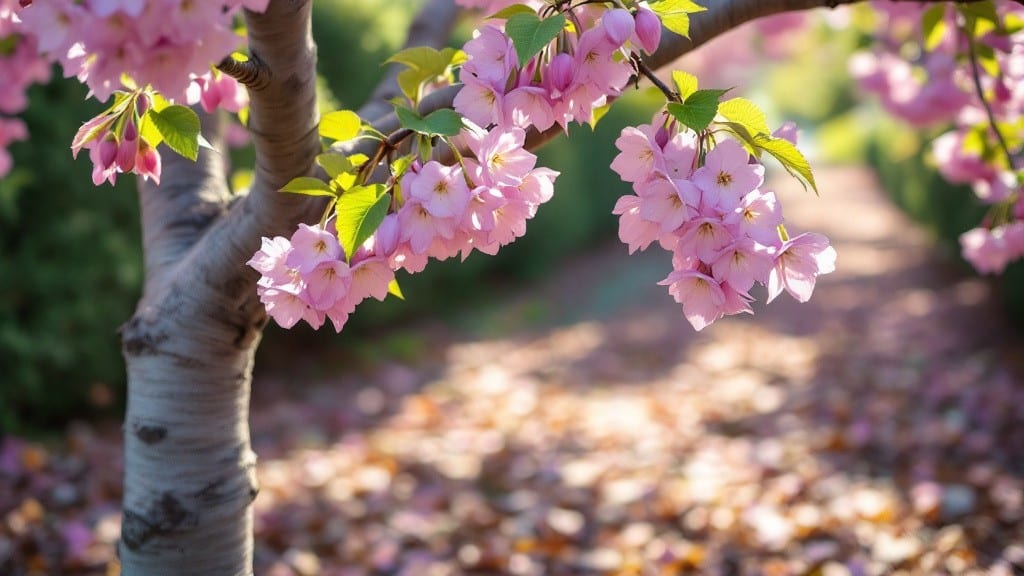
Planting the right zone 7a trees means your yard stays lush through every season—no surprise die-offs when winter hits. 🌳 I’ve learned the hard way which varieties handle our frosty winters and scorching summers without flinching, and these are the ones that never disappoint.
The secret isn’t just picking cold-hardy species; it’s matching their needs to your soil and sunlight, so they grow strong from day one.
These trees thrive with minimal fuss once established: native oaks and serviceberries tolerate drought, while ornamental dogwoods and redbuds burst into color every spring. Most need well-draining soil and at least 6 hours of sunlight, but I’ll show you how to work around less-than-perfect conditions.
The payoff? Trees that outlast trendy annuals, provide shade for decades, and attract birds and pollinators year-round.
By the end of this guide, you’ll know exactly which trees to plant for your space—whether you want a towering shade provider, a flowering focal point, or a low-maintenance evergreen. We’ll cover planting timing, watering tricks, and how to spot early signs of stress before it becomes a problem.
Your future self will thank you when you’re harvesting fruit or enjoying autumn leaves in 20 years.
No matter your yard size or soil type, these varieties adapt—just follow the care routines I’ve perfected over the years. Let’s get your landscape rooted in resilience!
📚 In This Guide
- What you need
- Instructions
- Tips and common mistakes
- Wrapping up and next steps
What you need
- ● Trees: Choose 2–5 cold-hardy varieties (e.g., Serviceberry, Oakleaf Hydrangea, or Redbud). Buy bare-root or container-grown saplings from a reputable nursery.
- ● Shovel or Tree Spade: 1–2 heavy-duty tools (borrow or rent if needed) for digging holes.
- ● Garden Gloves: 1 pair (waterproof for comfort and protection).
- ● Measuring Tape: 1 (to ensure proper spacing—typically 3–5x the tree’s root ball diameter).
- ● Compost or Organic Mulch: 2–3 cubic yards (for backfilling and mulching).
- ● Watering Can or Hose: With a gentle spray nozzle for post-planting hydration.
- ○ Stakes & Tree Tie Kit: (Optional but helpful for young trees—2 stakes + 1 tie per tree).
- ● Soil Amendments: Lime or sulfur (if your soil pH is too acidic or alkaline—test first!).
- ● Tree Fertilizer: Slow-release granular or liquid fertilizer (follow package rates).
- ● Weed Barrier Fabric: 1 roll (to suppress weeds around the base).
- ● Mulch Rings: 2–3 (to keep mulch contained and protect the trunk).
- ● Pruning Shears: 1 pair (for shaping or removing dead branches post-planting).
Step-by-Step guide for planting cold-hardy trees in Zone 7A
Here's how I choose and plant trees that survive Zone 7A winters with minimal fuss.
🌱 Step 1: Select the Right Tree Varieties for Zone 7A
Start with trees proven to handle Zone 7A winters—look for varieties labeled "cold-hardy" or "Zone 3-7" on nursery tags. My top picks include serviceberry, hawthorn, and redbud for small landscapes, or oak, maple, and tulip poplar for larger spaces. These species handle 0-10°F dips without bud damage.
I always check the mature size against your space. A serviceberry might reach 20-30 feet tall, while a Japanese maple stays compact at 15-20 feet. Planting too close to structures or power lines guarantees future headaches—measure twice before buying.
🪴 Step 2: Prepare the Planting Site with Proper Drainage
Dig a hole twice as wide as the root ball but only as deep. Zone 7A soils can get waterlogged in winter, so improve drainage by mixing 10-20% compost into the native soil at the bottom of the hole. This prevents root rot during wet springs.
Loosen the roots gently if they're circling in the container—never prune healthy roots, just straighten them in the hole. The top of the root ball should sit 1-2 inches above ground level to prevent settling and stem rot. I always backfill with the amended soil, tamping lightly to remove air pockets.
☀️ Step 3: Plant and Water Deeply for Establishment
Place the tree in the hole, spread roots evenly, then fill with soil while someone holds the trunk upright. Water immediately with 5 gallons to settle the soil and eliminate air gaps. You'll see the soil sink slightly—this is normal and expected.
Create a 3-foot diameter watering basin around the base by mounding soil higher than the surrounding grade. This directs water straight to the roots where it's needed most. Mulch with 2-3 inches of shredded bark (keep it 6 inches away from the trunk) to retain moisture and regulate soil temperature.
⏰ Step 4: Protect Young Trees During First Winter
Newly planted trees need extra care in their first Zone 7A winter. Wrap the trunk with tree guard to prevent rodent damage, and loosely pile 12-18 inches of mulch around the base (remove in early spring). Avoid heavy mulch piles that suffocate roots.
Water trees once a month during winter if we get less than 1 inch of snow. A deep soak prevents drought stress during dry spells. You'll know it's working when the tree shows new growth in spring—that's your sign it survived winter unscathed.
🌿 Step 5: Prune and Maintain for Long-Term Health
Wait until late winter (after last frost date) to prune. Remove only dead, diseased, or crossing branches—never remove more than 25% of the canopy at once. I use clean, sharp pruners to make cuts just outside the branch collar for fastest healing.
Fertilize in early spring with balanced 10-10-10 at half-strength. Over-fertilizing young trees encourages weak growth that struggles in Zone 7A winters. Monitor for pests like borers or scale—treat early with horticultural oil if you see sticky residue on leaves.
Tips & tricks for planting cold-hardy trees in Zone 7A
These simple tricks will help your Zone 7A trees establish strong roots and thrive for decades.
Variety Selection: When choosing trees in Step 1, prioritize those with Zone 3-7 hardiness ratings—they'll handle those 0-10°F dips without bud damage. For example, a serviceberry's 20-30 feet mature height makes it perfect for larger yards, while a Japanese maple's 15-20 feet fits snugly in tight spaces. Pro tip: Check nursery tags for "cold-acclimated" varieties—they've been bred to handle our winters.
Drainage Matters: In Step 2, that 10-20% compost mix isn't just fluff—it's insurance against root rot in wet springs. I like to add a handful of perlite to the bottom of the hole for extra drainage if my soil feels heavy. And remember, the 1-2 inches above-ground root ball position prevents settling that can strangle young roots.
Winter Protection: For Step 4's winter care, I've found that wrapping tree guards around trunks prevents voles from gnawing through bark. The 12-18 inches of mulch creates an insulating blanket, but I always remove excess in spring to prevent suffocation. That monthly winter watering is crucial—even dormant trees need moisture during dry spells.
Pro Tips for Zone 7a Trees
- These simple tricks will help your Zone 7A trees establish strong roots and thrive for decades.
- Variety Selection: When choosing trees in Step 1, prioritize those with Zone 3-7 hardiness ratings—they'll handle those 0-10°F dips without bud damage.
- Drainage Matters: In Step 2, that 10-20% compost mix isn't just fluff—it's insurance against root rot in wet springs.
Frequently asked questions
Got questions about growing trees in Zone 7A? You’re not alone! Here are answers to the most common concerns—from planting tips to troubleshooting—to help you pick the perfect cold-hardy trees for your landscape.
What are the best fast-growing trees for Zone 7A?
Look for native or well-adapted species like Southern Magnolia, Red Maple, or Eastern Redbud. Fast growers include Silver Maple (1–2 ft/year) and Green Ash, but prioritize disease resistance. Always check mature size to avoid overcrowding!
When is the best time to plant trees in Zone 7A?
Fall (October–November) is ideal—cool temps and winter rains help roots establish before summer stress. Spring (March–April) works too, but avoid extreme heat or frost. Never plant in winter unless the ground isn’t frozen.
How do I protect young trees from Zone 7A winters?
Wrap the trunk with tree guard or burlap to prevent sunscald. Mulch 3–4 inches deep (keep it 6+ inches from the trunk) and water deeply before the first hard freeze. Young trees benefit from a light frost cloth if temps drop below 10°F.
Can I grow fruit trees in Zone 7A?
Try Peach, Fig, or Persimmon—all thrive in Zone 7A. For apples, choose cold-hardy varieties like Liberty or Akane. Plant in full sun, provide well-draining soil, and prune annually to boost fruit production.
Why are my Zone 7A trees losing leaves early?
Early leaf drop often signals stress from drought, pests (like spider mites), or disease (e.g., anthracnose). Check for yellowing, spots, or webs. Water deeply 1–2x/week in dry spells, and apply fungicide if needed. Consult a local arborist for diagnostics!
Wrapping up and next steps
Choosing the right trees for Zone 7A doesn’t have to be overwhelming—with the perfect mix of cold-hardy, low-maintenance, and visually stunning varieties, you can create a thriving landscape that stands the test of time. 🌳 From the elegant Japanese Maple to the hardy Serviceberry, these trees bring beauty, shade, and even wildlife benefits to your yard.
Now that you’re armed with the best options, take the next step: sketch a rough layout of your yard, noting sun exposure and space needs.
Then, visit a local nursery to see these trees in person—you’ll love knowing exactly which one will transform your outdoor space into a year-round sanctuary! 🌿