
Trees
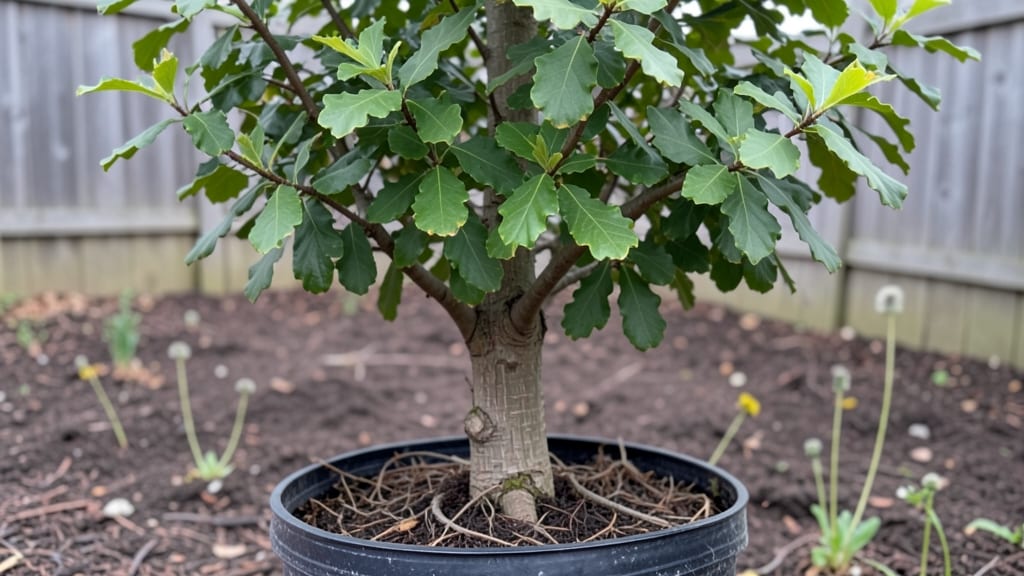
A 15-gallon oak tree isn’t just possible—it’s the gateway to growing these iconic trees in small spaces. I’ve nurtured container-grown oaks in the Pacific Northwest for years, and the right dwarf variety thrives in 5-gallon pots before graduating to larger containers.
The key? Matching the species to your climate and understanding their slow-but-steady growth habits.
Start with a dwarf white oak or bur oak, both of which tolerate container life better than their full-sized cousins. You’ll need a well-draining soil mix (60% potting soil, 30% perlite, 10% compost) to prevent soggy roots, and a 15-gallon pot with drainage holes—no exceptions.
Water deeply when the top inch of soil feels dry, but avoid letting it sit in saucers. These trees reward patience: a well-cared-for specimen can grow 2-3 feet per year in ideal conditions.
By summer’s end, you’ll see sturdy new leaves and a strong root system ready for a larger pot or ground planting. The trade-off? Oaks need full sun (6+ hours daily) and regular pruning to maintain shape—skip this, and you’ll end up with a leggy mess.
But the payoff—a mature oak in your landscape—makes the effort worthwhile.
Transplanting to the ground is straightforward once roots fill the container. Choose a spot with deep, well-drained soil and dig a hole twice as wide as the pot. Water thoroughly before and after moving, and mulch to retain moisture.
The first year after transplanting is critical: monitor for stress signs like yellowing leaves and adjust care accordingly.
📚 In This Guide
- What you need
- Instructions
- Tips and common mistakes
- Wrapping up and next steps
What you need
- ● 15-gallon oak tree (native species like Quercus garryana or Quercus macrocarpa for PNW suitability)
- ● High-quality potting soil (3–4 bags, well-draining mix with perlite or sand)
- ● Garden gloves (1 pair, heavy-duty for handling soil/roots)
- ● Pruning shears (1 pair, sterilized and sharp)
- ● Watering can or hose (with gentle spray nozzle)
- ● Mulch (2–3 cubic feet of wood chips or bark)
- ● Fertilizer (slow-release oak-specific or balanced 10-10-10, 1–2 lbs)
- ● Support stake (1 5–6 ft tall, if needed for stability)
- ● Container or planting hole (if potted: 18–24" diameter; if in-ground: 3x wider than root ball)
- ● Root stimulator (1 bottle, for transplant shock prevention)
- ● Soil moisture meter (to monitor ideal 60–70% moisture)
- ● Tree guard or wire mesh (to protect from deer/squirrels)
- ● Epsom salt (1 lb, for magnesium boost if leaves yellow)
- ● Shade cloth (for young saplings in hot PNW summers)
Step-by-step instructions for planting a 15-Gallon oak tree in the Pacific Northwest
Here’s how to establish your young oak for rapid growth in our region’s unique climate.
Select the Optimal Planting Location
Choose a spot with full sun exposure—at least 6 hours of direct sunlight daily—and well-drained soil. Oaks thrive in deep, slightly acidic soil with a pH between 5.5 and 7.0, which is common in the Pacific Northwest. Avoid low-lying areas where water pools, as oak roots despise soggy conditions.
Test the soil by digging a 12-inch deep hole—if water doesn’t drain within 2-3 hours, amend the site with 2-3 inches of compost mixed into the top 6 inches of native soil. This improves drainage while retaining moisture for root establishment. I always check for nearby utility lines before digging, as oak roots can grow 50 feet wide over time.
Prepare the Planting Hole and Amend the Soil
Dig a hole twice as wide as the root ball but only as deep as the container’s height—this prevents burying the trunk too deeply, which can suffocate the tree. For a 15-gallon oak, that means a hole 18-24 inches wide and 12 inches deep. Remove any circling roots from the container gently to encourage outward growth.
Loosen the root ball by teasing the edges with your fingers—this helps roots spread into the surrounding soil. Mix 5 gallons of compost into the native soil removed from the hole. This boosts nutrient availability and microbial activity, both critical for fast growth in the Pacific Northwest’s cooler climate. Avoid heavy amendments like peat moss, which can compact and reduce aeration.
Plant and Stake for Stability
Place the oak tree in the hole so the top of the root ball sits 1-2 inches above ground level—this prevents waterlogging during heavy winter rains. Backfill with the amended soil, tamping lightly every 2 inches to eliminate air pockets. Water deeply to settle the soil around the roots, then add a 3-inch layer of mulch (like wood chips) over the entire planting area, keeping it 6 inches away from the trunk to avoid rot.
Use two stakes positioned diagonally from the tree, securing it with flexible straps (not wire, which can girdle the trunk). Staking is crucial in the Pacific Northwest’s windy conditions, but only for the first growing season. Remove stakes after 12 months to allow natural trunk strength development. Water immediately after planting to reduce transplant shock, then maintain 1-2 inches of soil moisture for the next 4-6 weeks.
Water and Fertilize for Fast Growth
Deep-water your oak twice weekly during the first year, providing 10-15 gallons per watering to encourage deep root growth. In the Pacific Northwest’s damp climate, overwatering is a common mistake—roots need oxygen, not saturation. Check moisture by digging 2 inches down; if dry, water again. Reduce frequency to once weekly after the first year as roots establish.
Apply a balanced, slow-release fertilizer (like 10-10-10) 4-6 weeks after planting, following label rates. Oaks are slow to respond to fertilization, so avoid heavy doses. Instead, focus on soil health: spread 5 gallons of compost annually around the drip line (the edge of the tree’s canopy) in early spring. This mimics natural leaf litter decomposition and supports long-term growth.
Tips & tricks for planting a 15-Gallon oak tree in the Pacific Northwest
Confession: I planted three oaks before I learned these tricks—and two of them struggled in our damp climate. Here's what nobody tells you about establishing oaks for rapid growth in the Pacific Northwest.
Site Selection Insight: That 6 hours of sunlight requirement is non-negotiable for Pacific Northwest oaks. I've seen trees planted in "mostly sunny" spots wither because our cloud cover is deceptive—measure actual sunlight hours with a solar tracker app for accuracy. The soil pH test is equally critical: if your soil tests outside 5.5-7.0, amend with sulfur (to lower) or lime (to raise) before planting. Our acidic volcanic soils often need adjustment, and oaks won't thrive without it.
Root Ball Preparation: When loosening the root ball, focus on the outer edges where new root growth will originate. I use my fingers to gently separate the outer 1-2 inches of roots—this encourages outward growth rather than circling roots that strangle themselves. For 15-gallon trees, the 18-24 inch hole width is perfect because it creates immediate root zone expansion without overwhelming the young tree.
Watering Strategy: Those 10-15 gallons per watering during the first year might seem excessive, but it's crucial for deep root establishment in our heavy soils. I recommend using a moisture meter to verify 1-2 inches of soil moisture—our Pacific Northwest climate can be deceivingly wet at the surface while roots remain dry below. The 4-6 week critical period is when most transplant failures occur, so don't skip this window.
Pro Tips for 15 Gallon Oak Tree
- Confession: I planted three oaks before I learned these tricks—and two of them struggled in our damp climate.
- Site Selection Insight: That 6 hours of sunlight requirement is non-negotiable for Pacific Northwest oaks.
- Root Ball Preparation: When loosening the root ball, focus on the outer edges where new root growth will originate.
Frequently asked questions
Got questions about your 15-gallon oak tree? You’re not alone! Here are the most common queries—and their answers—to help you grow a thriving Pacific Northwest specimen with confidence.
How long does it take for a 15-gallon oak tree to establish in the Pacific Northwest?
A 15-gallon oak (like white oak or red oak) typically takes 1–2 years to fully establish in your yard. The first year focuses on root growth, so water deeply 2–3 times per week during dry spells. By year two, it’ll start branching out more aggressively—just be patient!
Can I plant a 15-gallon oak tree in winter? What’s the best time?
The ideal planting window is early spring (March–April) or fall (September–October). Winter planting (Dec–Feb) is risky due to frost heave—roots can freeze and thaw, damaging them. If you must plant in winter, mulch heavily (3–4 inches) and avoid heavy snow loads on the root ball.
What’s the fastest way to make my 15-gallon oak grow bigger leaves?
Big, lush leaves mean healthy roots + proper care! Start with balanced fertilizer (10-10-10) in early spring, then switch to low-nitrogen, high-phosphorus (like 5-10-10) in summer. Prune dead branches in late winter, and ensure 6+ hours of sunlight daily. Avoid overwatering—oak trees hate soggy roots!
Are there smaller oak tree alternatives for tight spaces?
If space is limited, consider these compact oak varieties:
- Dwarf Chinquapin Oak (Quercus prinoides) – Grows 10–15 ft tall, perfect for small yards.
- Burr Oak ‘Schmidt’ – Slower-growing, stays under 20 ft with proper pruning.
- Pin Oak ‘Troyer’ – Disease-resistant and narrower than standard oaks.
For a 15-gallon pot, these stay manageable while still offering oak benefits!
Why are my oak tree’s leaves turning brown and crispy?
Brown, crispy leaves usually signal one of three issues:
- Underwatering: Oaks need 1–1.5 inches of water per week (more in summer). Check soil moisture 2 inches deep.
- Overwatering: Yellowing + brown edges? Roots may be suffocating—improve drainage with sand or gravel.
- Pests/Disease: Look for aphids, mites, or fungal spots. Treat with neem oil or consult a local arborist.
Pro tip:
Mulch 3 inches deep (but not touching the trunk) to retain moisture and regulate soil temp.
Wrapping up and next steps
Growing a 15-gallon oak tree in your Pacific Northwest garden is a rewarding journey that blends patience with purpose. Whether you’re restoring native ecosystems, enhancing curb appeal, or creating a future shade haven, this fast-growth blueprint gives you the tools to succeed. 🌳✨
Ready to take the next step? Start by selecting your oak variety—like Quercus garryana or Quercus robur—and order your 15-gallon sapling today. With proper care, your tree will thrive for decades, becoming a cornerstone of your outdoor space. Happy planting!