
Pruning
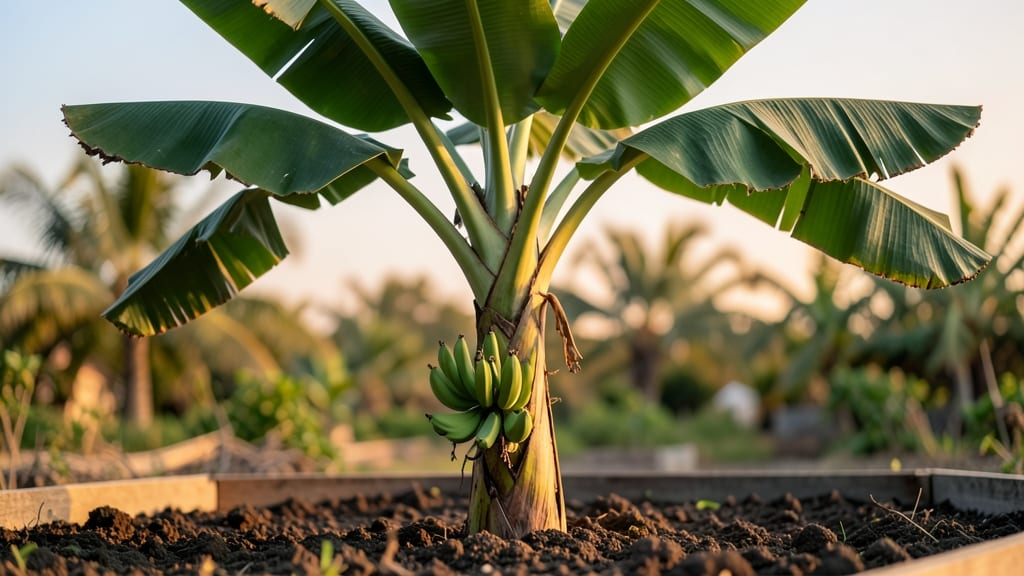
Growing the right banana tree species in the Pacific Northwest isn’t just about the exotic foliage—it’s about turning your yard into a year-round hummingbird magnet with fragrant blooms that outshine any store-bought bouquet. 🌿 I’ve grown Musa acuminata, Musa balbisiana, and... even the striking Ensete ventricosum (false banana), and each brings something unique to the table—whether it’s edible fruit, bold leaves, or flowers that hummingbirds can’t resist.
Here’s the thing—these aren’t just tropical showpieces. With the right species, you can grow bananas in zones 8-11, while hardier varieties like Ensete ventricosum thrive in cooler climates like the PNW. They need bright indirect light, well-draining soil, and consistent moisture, but once established, they’re surprisingly low-maintenance.
The key is matching the species to your microclimate—some handle coastal fog better than others.
Imagine waking up to velvety, 6-foot-wide leaves rustling in the breeze or harvesting small, sweet bananas in late summer. Even if you don’t get fruit, the ornamental varieties deliver bold textures and tropical drama that no other plant can match.
Hummingbirds will flock to the fragrant blooms, and your neighbors will ask how you pulled it off.
Whether you’re dreaming of a mini orchard or just want a statement plant, we’ll break down which species suit your space and climate—plus how to keep them thriving through PNW winters. Let’s get growing!
📚 In This Guide
- What you need
- Instructions
- Tips and common mistakes
- Wrapping up and next steps
What you need
- ● Banana tree plant: 1-2 nursery-grown Musa basjoo or Musa acuminata (hardy to USDA zones 7-11). Choose a 1-2 gallon container size for best establishment.
- ● Well-draining soil: 3-5 cubic yards of loamy, slightly acidic soil (pH 5.5-6.5). Mix in compost (20-30%) for nutrients.
- ● Fertilizer: Balanced 10-10-10 fertilizer (1 lb per 10 sq ft) for planting.
- ● Slow-release organic banana fertilizer (6-6-6) (1 lb per tree) for spring/fall.
- ● Mulch: 2-3 inches of wood chips or straw to retain moisture and regulate temperature.
- ● Pruning tools: 1 pair bypass pruners (for small stems).
- ● 1 pruning saw (for thicker pseudostems, if needed).
- ● 1 sterilizing solution (70% isopropyl alcohol or bleach water) to prevent disease.
- ● Support stakes: 2-3 5-foot bamboo or wooden stakes (1-inch diameter) for young trees.
- ● Drip irrigation system or soaker hoses (banana trees love consistent moisture!).
- ● Hummingbird-friendly companion plants: 1-2 Salvia or Fuchsia plants to attract pollinators.
- ● Frost cloth (for zones 7-8; banana trees are tender to light frosts).
- ● Garden gloves (to protect hands from sharp leaf edges).
Step-by-step guide for selecting and cultivating Pacific Northwest banana trees
Here’s how to bring tropical charm to your garden with hardy banana varieties that thrive in cooler climates.
🌱 Step 1: Choose the Right Species for Your Climate
For the Pacific Northwest’s mild, moist conditions, focus on cold-hardy varieties like Musa acuminata ‘Dwarf Cavendish’ or Musa basjoo, which tolerate temperatures down to 20°F. These species grow well in USDA Zones 7-10 and produce edible fruit or striking foliage. Avoid tropical banana trees like Musa velutina, which struggle below 30°F. Check local nurseries for labeled varieties—some even offer dwarf options perfect for containers.
Here’s the thing—banana trees aren’t true trees but giant herbaceous plants. They grow from a corm (underground stem) and regrow yearly from the same root system. This makes them surprisingly resilient in coastal climates where winter rains keep them hydrated. If you’re unsure, start with Musa basjoo—it’s the most cold-tolerant and produces fragrant, showy blooms that hummingbirds adore.
☀️ Step 2: Position for Optimal Sun and Shelter
Plant your banana tree in full sun to partial shade, with at least 6 hours of direct sunlight daily. In the Pacific Northwest, a south-facing spot works best, but trees can handle morning sun and afternoon shade, especially in hotter inland areas. Avoid low-lying spots where cold air pools—banana trees dislike soggy roots and frost pockets. If planting near a building, position it 10-15 feet away to allow airflow and prevent fungal issues.
Real talk: These plants love humidity but hate wind. If your garden is exposed, create a windbreak using bamboo screens or tall shrubs on the prevailing wind side. In coastal areas, salt spray can damage leaves, so rinse foliage occasionally during stormy seasons. Mulch the base with 3-4 inches of organic mulch (like wood chips) to insulate roots in winter and retain moisture in summer.
💧 Step 3: Water and Fertilize for Year-Round Growth
Banana trees thrive on consistent moisture, especially in the first year. Water deeply 2-3 times per week during the growing season (spring through fall) until the top 6 inches of soil feel damp. In winter, reduce watering to once every 10-14 days unless the ground is bone-dry. Overwatering leads to root rot, while underwatering causes leaf scorch—watch for crispy edges as a warning sign.
Feed your banana tree with a balanced, slow-release fertilizer (like 10-10-10) in early spring, then again in midsummer. I like to mix in compost or worm castings around the base for organic nutrients. Avoid high-nitrogen fertilizers—they promote leafy growth at the expense of fruit or flower production. If your tree isn’t blooming, it might need potassium-rich fertilizer to encourage flowering.
✂️ Step 4: Prune and Protect for Winter Hardiness
Pruning isn’t just for aesthetics—it’s about survival. In late fall, cut back dead or yellowing leaves to 6-12 inches above the ground, leaving the sturdy pseudostem intact. This reduces wind damage and prevents pests from overwintering in decaying foliage. If your banana tree is in a pot, move it to a protected location (like a garage or against a south-facing wall) when temperatures drop below 30°F.
Here’s where it gets fun—watch for new shoots emerging from the base in early spring. These are your pups, and they’re how banana trees multiply. You can dig up and replant them to create new plants or leave them to form a clump. Just don’t remove all the pups at once—you’ll sacrifice next year’s harvest. Wrap the base of young trees with burlap or frost cloth for extra protection during unexpected cold snaps.
🌿 Step 5: Encourage Blooms and Attract Hummingbirds
To trigger flowering, banana trees need warmth and maturity. Mature plants (3+ years old) produce arching flower spikes that can reach 6 feet long. Once the bloom appears, hummingbirds will flock to sip nectar from the tiny, tubular flowers. To support pollinators, plant companion flowers like fuchsias or penstemons nearby—they’ll extend the feeding season.
If your tree isn’t flowering, it might need more sunlight or a rest period. Banana trees enter dormancy in winter, and some varieties need a cool spell (below 60°F) to reset their growth cycle. Avoid fertilizing in late summer—this can delay blooming. Once flowers fade, you’ll see hand-sized fruit develop. Harvest bananas when they’re firm but slightly soft to the touch—they won’t ripen further once picked.
Tips & tricks for cultivating Pacific Northwest banana trees
These practical insights will help you coax the most vibrant blooms and hardiest growth from your tropical garden star.
Species Selection Insight: When choosing between Musa acuminata 'Dwarf Cavendish' and Musa basjoo, consider your goals: Cavendish produces edible fruit while basjoo delivers dramatic, fragrant blooms that hummingbirds can't resist. For container growing, opt for dwarf varieties—they thrive in 15-gallon pots with proper drainage, making them perfect for patios or balconies. Remember, these aren't true trees but herbaceous plants with corm-based root systems that regenerate annually.
Sunlight Optimization: While the instructions specify 6 hours of direct sunlight, I've found that morning sun with afternoon shade works best in coastal areas where humidity is high. The key is to avoid the intense afternoon sun that can scorch leaves while still providing enough energy for flowering. If your garden receives less than 6 hours of direct sun, supplement with a grow light during the winter months when daylight is shortest.
Winter Protection Strategy: The critical 30°F threshold mentioned for moving potted trees indoors is your cue to act. I recommend creating a temporary greenhouse using clear plastic sheeting over a frame when temperatures approach this point. This allows light penetration while protecting against frost. For in-ground plants, mound 6-8 inches of straw mulch around the base after cutting back leaves to 6-12 inches—this creates an insulating blanket that prevents soil temperature fluctuations.
Flowering Trigger: To encourage those stunning 6-foot flower spikes, focus on creating a cool spell below 60°F in late summer. This mimics the natural dormancy period that triggers flowering. I've had success with a simple trick: move potted plants to an unheated garage for 2-3 weeks before bringing them back outside. This temperature shock often jumpstarts the blooming process in subsequent seasons.
Pro Tips for Banana Tree Species
- These practical insights will help you coax the most vibrant blooms and hardiest growth from your tropical garden star.
- For container growing, opt for dwarf varieties—they thrive in 15-gallon pots with proper drainage, making them perfect for patios or balconies.
- Sunlight Optimization: While the instructions specify 6 hours of direct sunlight, I've found that morning sun with afternoon shade works best in coastal areas where humidity is high.
Frequently asked questions
Got questions about growing banana trees in the Pacific Northwest? You’re not alone! Here are some of the most common queries—plus quick answers to help you nurture your fragrant, hummingbird-loving plants with confidence.
Can banana trees survive winter in the Pacific Northwest?
Most banana trees (Musa spp.) are tropical and won’t survive PNW winters outdoors unless you’re in Zone 9+. For cooler zones (like Seattle or Portland), grow them in containers and move them indoors or to a greenhouse when temps drop below 40°F (4°C). Hardy varieties like Musa acuminata ‘Dwarf Cavendish’ may tolerate brief chills but still need protection.
How long does it take for a banana tree to bear fruit?
Patience is key! Most banana trees take 1.5–3 years to produce fruit from seed, while grafted or potted plants may fruit in 6–12 months. Factors like sunlight, soil quality, and variety play a role. Musa velutina (the ornamental "red banana") is faster for blooms but rarely fruits in PNW climates.
Why aren’t hummingbirds visiting my banana tree’s flowers?
Hummingbirds love banana tree blooms, but a few things might deter them:
- Timing: Flowers open at dawn—observe their schedule!
- Location: Plant near sheltered, sunny spots with easy access.
- Alternatives: Add salvia or fuchsia nearby for extra nectar.
What’s the best soil mix for potted banana trees?
Banana trees thrive in well-draining, slightly acidic soil (pH 5.5–6.5). Mix:
- 60% peat moss or coconut coir (for moisture retention)
- 30% perlite or pumice (for aeration)
- 10% compost or worm castings (for nutrients)
My banana tree’s leaves are yellowing—what’s wrong?
Yellow leaves usually mean overwatering or nutrient deficiency. Check:
- Watering: Let the top 2–3 inches of soil dry out between waterings.
- Fertilizer: Feed with a balanced 10-10-10 or banana-specific fertilizer every 4–6 weeks in growing season.
- Light: Yellowing at the bottom? It’s normal aging. Top-heavy yellow? Boost sunlight.
Pro Tip: Musa basjoo (Japanese banana) is the hardiest PNW-friendly species—it tolerates temps down to 15°F (-9°C) with mulch and may even re-sprout from the ground after cold snaps!
Wrapping up and next steps
From the fragrant blooms of the Musa velutina to the hardy charm of Musa acuminata, the Pacific Northwest’s banana tree species offer more than just tropical flair—they’re a year-round hummingbird haven and a gardener’s dream! 🌿 Whether you’re pruning for health, aesthetics, or wildlife, these tips will keep your trees thriving while attracting pollinators and adding beauty to your space.
Ready to transform your garden? Start by selecting the right species for your climate and schedule your first pruning session this season—your feathered friends (and your green thumb!) will thank you. Happy gardening! 🌸