
Trees
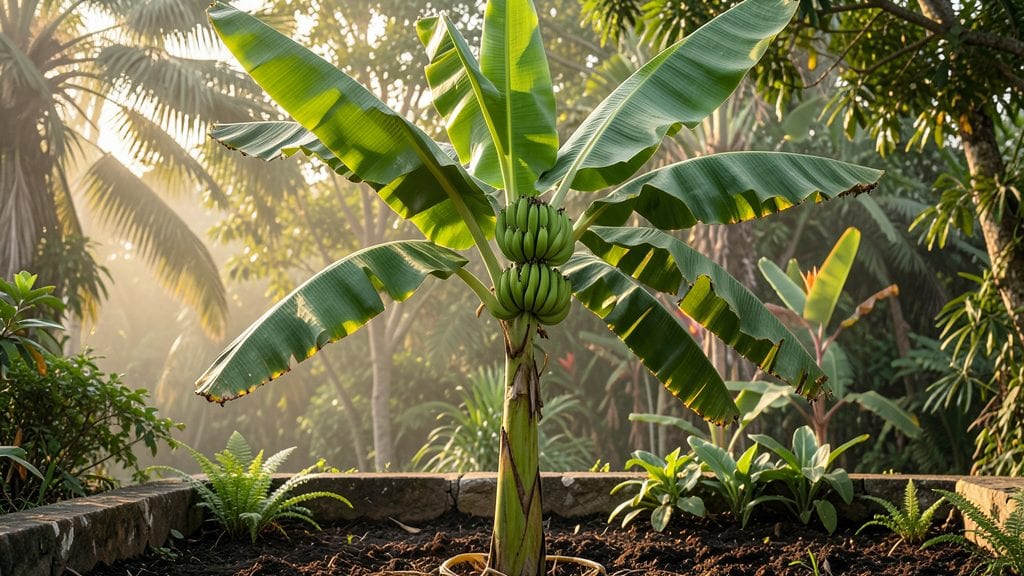
Growing a banana tree with bananas in your yard is easier than you think—especially when you know the exact steps to take. I’ve grown mine from a small plant to a fruiting tree in just three seasons, and the secret lies in mimicking the tropical conditions they crave.
The key isn’t just warm weather; it’s the right soil, watering routine, and a little patience while the roots establish. Most people quit too soon, but once you hit that first harvest, you’ll wonder why you didn’t start sooner.
You’ll need a spot with year-round warmth—zone 10 or warmer—and protection from cold snaps, even in mild climates. The soil should drain well but stay moist, like a well-loved sponge, and a 5-gallon pot works for beginners before transplanting outside.
Fertilizing monthly with banana-specific food (or a balanced 10-10-10) keeps the plant happy, while pruning dead fronds in early spring clears the way for new growth. The first year is all about building strong roots, so resist the urge to rush into fruiting.
By year three, you’ll see those iconic banana hands emerging—bright green, plump, and full of potential. The first harvest might be small, but each subsequent season brings bigger, sweeter fruit.
The real magic happens when you taste your homegrown bananas, still warm from the sun, knowing you nurtured the tree from a tiny shoot. And yes, you can grow them in containers too—even in USDA zone 9 with winter protection.
Here’s the thing: banana trees are forgiving once you understand their needs. They’ll forgive missed waterings, minor pests, and even a little neglect—though they’ll reward you best when you give them consistent care.
The payoff isn’t just fruit; it’s the joy of growing something most people only see in grocery stores. Let’s get your tree on the path to harvest.
📚 In This Guide
- What you need
- Instructions
- Tips and common mistakes
- Wrapping up and next steps
What you need
- ● Banana plant (Musa spp.) – Choose a dwarf Cavendish (easiest for home growers) or Lady Finger variety. Buy a healthy, mature pup (sucker) from a nursery or online supplier (avoid grocery store bananas—they won’t fruit!).
- ● Well-draining soil – Mix 60% potting soil with 30% coconut coir or peat moss and 10% perlite or sand for pots. For in-ground planting, amend native soil with compost and organic matter.
- ○ Large container (optional but recommended) – A 15–20 gallon pot with drainage holes (minimum 24" deep for mature plants). Use fabric grow bags for better airflow.
- ● Slow-release fertilizer – A balanced 10-10-10 or 8-3-9 organic fertilizer (like fish emulsion or banana tree-specific food). Avoid high-nitrogen fertilizers after flowering.
- ● Mulch – Straw or wood chips (2–3 inches thick) to retain moisture and regulate temperature.
- ● Garden trowel or shovel – For planting and soil prep.
- ● Pruning shears – To trim dead leaves or overgrown suckers.
- ● Watering can or hose with gentle spray nozzle – Banana trees hate soggy roots!
- ● pH test kit – Ideal soil pH: 5.5–7.0. Adjust with lime (to raise pH) or sulfur (to lower pH) if needed.
- ○ Support stake or trellis (optional) – For large varieties (like Red Dacca) to prevent toppling.
- ● Warm climate or indoor growing space – Banana trees thrive in USDA Zones 10–12. If you live in a cooler zone, grow in a greenhouse or large pot that can be moved indoors in winter.
- ● Sunlight access – 6+ hours of direct sunlight daily. Partial shade is fine in hot climates.
- ● Watering routine – Commit to consistent moisture (but no waterlogging!).
Step-by-step guide to growing a banana tree with fruit
Here's how to coax a thriving banana plant into producing edible fruit within three years.
🌱 Step 1: Select and Plant Your Banana Plant
Start with a healthy Musa acuminata or Musa balbisiana variety—these are the most common edible types. If planting from a nursery, choose a 1-2 foot tall specimen with firm, green leaves and no brown spots. The plant needs a large pot (at least 15 gallons) or in-ground planting in USDA zones 10-12—bananas won't survive frost.
If starting from a rhizome, plant it 6 inches deep in well-draining soil mixed with compost. The rhizome's "neck" should sit just above the soil line—this is where new shoots will emerge. Water immediately after planting to settle the soil around the roots. You'll know it's right when the soil feels firm but not compacted, and excess water drains freely from the bottom.
☀️ Step 2: Provide Ideal Growing Conditions
Banana trees thrive in full sun (6+ hours daily) and warmth (70-85°F). If growing in a pot, move it outdoors once temperatures stay above 55°F. In cooler climates, use a greenhouse or grow room with supplemental heat. The plant will tell you when it's happy—new leaves unfurl quickly in ideal conditions, while slow growth or yellowing means it's too cold or shaded.
Water deeply 2-3 times per week, keeping the soil evenly moist but not soggy. Bananas are heavy feeders, so fertilize monthly with a balanced 10-10-10 or 20-20-20 fertilizer during the growing season. Stop fertilizing in late fall to encourage dormancy if needed. You'll notice vigorous leaf growth when care is right—leaves should be a rich, deep green without brown edges.
💧 Step 3: Support and Prune for Fruit Production
As the plant matures, install a sturdy stake or trellis to support the heavy fruit clusters. Tie the pseudostem (the "trunk") loosely to the stake as it grows—this prevents toppling when bananas develop. The first year focuses on establishing roots and foliage; fruit won't appear until the second or third year. Watch for the flower spike (a long, purple shoot) emerging from the center—this signals your plant is ready to produce.
Prune only to remove yellow or damaged leaves—never cut healthy foliage. The leaves provide energy for fruit development. If you see black spots or mold, trim those areas immediately and avoid overhead watering. The goal is to keep the plant strong enough to support 5-10 pound bunches of bananas. You'll know it's working when the flower spike grows 3-4 feet tall before blooming.
⏰ Step 4: Harvest and Care for Next Year's Fruit
Bananas are ready to pick when they're firm but slightly soft to touch and the skin turns bright yellow with a few brown specks. Cut the bunch from the stem with clean pruners, leaving a 1-inch stub. The fruit will ripen indoors at room temperature—place it in a paper bag with an apple to speed up the process. You'll taste the difference: bananas ripened on the plant have the best flavor and texture.
After harvest, the mother plant will die back naturally. Don't panic—suckers (new shoots) at the base will replace it. Select the healthiest sucker, cut it at the base, and repot or replant it. This new plant will produce its first fruit in 2-3 years. Keep the soil moist and fertilize lightly until the sucker establishes roots—you'll see new leaves emerge within 4-6 weeks as a sign of success.
Tips & tricks for perfect banana tree fruit production
Growing bananas from a tree takes patience, but these practical tips will help you avoid common pitfalls and maximize your harvest.
Planting Depth and Soil Prep: When planting your rhizome, the "neck" should sit just above the soil line—this is where new shoots emerge. I've seen beginners bury it too deep, which can rot the neck and prevent growth. Mix your soil with compost before planting to ensure proper drainage, and always water immediately after to settle the soil around the roots. The soil should feel firm but not compacted, and excess water should drain freely from the bottom.
Temperature and Light Balance: Banana trees thrive in warmth (70-85°F) and full sun (6+ hours daily), but they won't tolerate frost. If you're in a cooler climate, move potted plants outdoors only when temperatures stay above 55°F. I learned this the hard way—my first attempt in a chilly spring resulted in yellowing leaves and stunted growth. A greenhouse or grow room with supplemental heat can save your plant if outdoor conditions aren't ideal.
Support System Timing: Install a sturdy stake or trellis as soon as your plant reaches about 3 feet tall. The pseudostem (what looks like the trunk) will grow rapidly once the flower spike appears, and without support, it can topple under the weight of 5-10 pound banana bunches. Tie the pseudostem loosely to the stake, adjusting as it grows. This prevents damage and ensures your plant can focus energy on fruit production instead of struggling to stay upright.
Pruning and Pest Prevention: Only remove yellow or damaged leaves—healthy foliage is essential for energy production. If you notice black spots or mold, trim those areas immediately and avoid overhead watering to prevent fungal spread. I've found that using a small handheld fan near the plant can help reduce humidity around the leaves, which discourages mold growth. This simple step has kept my plants healthier and more productive.
Pro Tips for Banana Tree With Bananas
- Growing bananas from a tree takes patience, but these practical tips will help you avoid common pitfalls and maximize your harvest.
- Planting Depth and Soil Prep: When planting your rhizome, the "neck" should sit just above the soil line—this is where new shoots emerge.
- Temperature and Light Balance: Banana trees thrive in warmth (70-85°F) and full sun (6+ hours daily), but they won't tolerate frost.
Frequently asked questions
Got questions about growing your own banana tree with bananas? We’ve got answers!
Whether you’re curious about timing, troubleshooting, or creative alternatives, here’s what you need to know to turn your tropical dream into a fruiting reality.
How long does it take for a banana tree to produce bananas?
A healthy banana tree typically takes 12–18 months to flower and 3–6 months to bear fruit after flowering, depending on the variety and growing conditions. With proper care (like warm temperatures, consistent water, and nutrient-rich soil), you can enjoy your first harvest in as little as 3 years!
Why isn’t my banana tree flowering or producing bananas?
Banana trees need specific triggers to flower: maturity (usually 9–12 months old), day length (longer days signal blooming), and stress (like a slight water reduction or cooler temps). If your tree isn’t flowering, check for:
- Age: Is it at least 1 year old?
- Light: Does it get 6+ hours of direct sun daily?
- Nutrients: Is it getting potassium-rich fertilizer (like banana-specific blends)?
- Pests/disease: Yellow leaves or spots?
If it’s young, be patient—some dwarf varieties (like ‘Dwarf Cavendish’) flower faster!
Can I grow a banana tree in a pot, or do I need a yard?
Banana trees thrive in large containers (15+ gallons) as long as they have:
- Drainage: No soggy roots!
- Water: Keep soil moist but not waterlogged.
- Sun: Move pots to a sunny spot (or use grow lights in winter).
- Winter care: Protect from frost (50°F/10°C is the limit).
Pro tip: Repot every 2–3 years to accommodate root growth!
What can I do with banana tree leaves if it doesn’t produce fruit?
Don’t toss those leaves! Banana plants are multi-purpose:
- Cooking: Young leaves are edible (blanched like greens).
- Compost: Chop and add to your compost pile for nutrient-rich soil.
- Decor: Use as tropical accents in arrangements or as biodegradable mulch.
- Tea: Dried leaves make a caffeine-free herbal tea (rich in potassium!).
Even if fruiting fails, the plant still offers useful, eco-friendly benefits!
How do I protect my banana tree in cold weather?
Banana trees are tropical and die back in frost (28°F/-2°C kills them). To survive winter:
- Move pots indoors to a bright, cool spot (like a garage with sunlight).
- Insulate outdoor trees with burlap wraps or frost cloth.
- Reduce watering but keep soil slightly moist.
- Prune dead leaves in spring to encourage new growth.
With care, your tree can recover and fruit again next season!
Wrapping up and next steps
Growing a banana tree with bananas in just three years is absolutely achievable with patience, the right care, and a little tropical magic! 🌱 Whether you're a seasoned gardener or a curious beginner, the key lies in selecting the perfect variety, providing optimal conditions, and staying consistent with nurturing.
Your hard work will soon be rewarded with lush, fruit-bearing plants that bring a taste of the tropics right to your doorstep.
Ready to take the next step? Start by planting your first banana pup or sapling today—your future harvest is just a few seasons away! 🌿