
Pruning
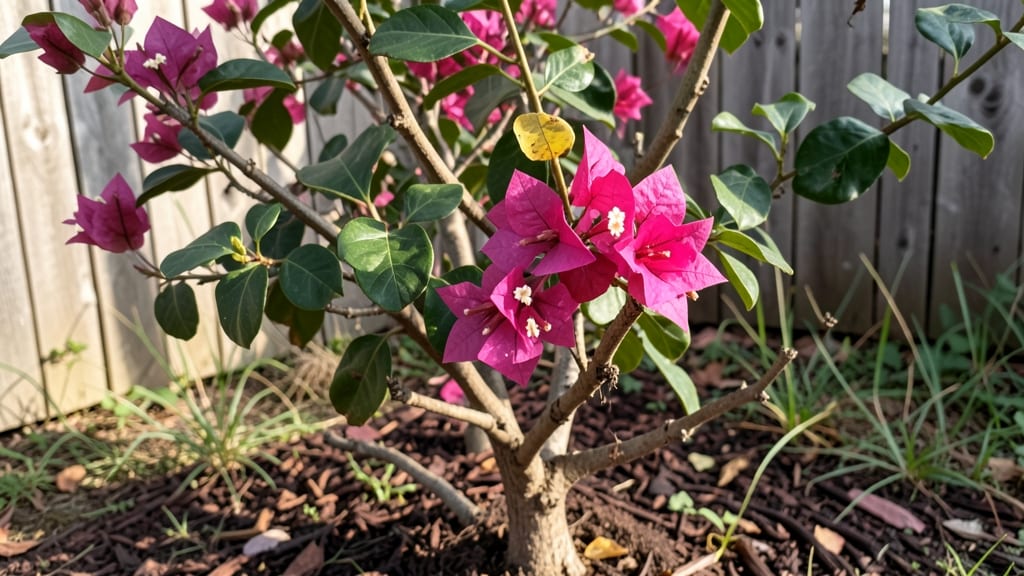
The Barbara Karst bougainvillea tree thrives in the Pacific Northwest like a hidden treasure—its bold magenta bracts refuse to surrender to gray skies, even through Portland’s chilliest winters. even when other bougainvilleas fade.
The key? Mimicking its native Brazilian climate without the heat, which means adjusting sunlight, water, and shelter to keep it thriving.
This bougainvillea thrives in full sun (at least 6 hours daily) and well-draining soil, but it’s the microclimate tweaks that make the difference. Plant in a sheltered spot near a south-facing wall, use a 5-gallon container for flexibility, and protect it from frost with burlap wraps.
Unlike tropical varieties, Barbara Karst handles 30°F dips—but don’t push it. The payoff? Blooms from spring through fall, with occasional winter color if you’re lucky.
Pruning is where the magic happens. Cut back one-third in early spring to shape the plant and encourage new growth, then trim lightly after each flush of blooms. Overwatering is the #1 killer—let the soil dry between waterings, and fertilize lightly with balanced 10-10-10 during growing season.
The result? A bush bursting with velvety bracts that turn heads year-round, even in the PNW’s dampest months.
For those with limited space, this bougainvillea is a container superstar. Just ensure pots have drainage holes and move them indoors (or under a porch roof) when temperatures drop below 25°F.
The secret to success? Patience and protection—this isn’t a tropical diva, but a resilient showstopper that rewards careful care with bold, long-lasting color when others give up.
📚 In This Guide
- What you need
- Instructions
- Tips and common mistakes
- Wrapping up and next steps
What you need
- ● Pruning shears: Bypass pruners (sharp, 6–8" blades) for clean cuts on small stems.
- ● Loppers: Bypass or anvil type (18–24" handles) for thicker branches (½"–1½" diameter).
- ● Pruning saw: Curved-tooth for branches over 1½" thick (avoid crushing!).
- ● Disinfectant: 70% isopropyl alcohol or rubbing alcohol + paper towels to sterilize tools between cuts.
- ● Gloves: Heavy-duty gardening gloves (cut-resistant for thorns!).
- ○ Pruning sealant: Optional but helpful for large cuts (>1" diameter)—use tree wound pruning paste or beeswax-based sealant.
- ● Ladder or step stool: Sturdy, non-slip (if your bougainvillea is over 6' tall).
- ● Trash bags or bucket: For collecting pruned branches (compost or dispose of diseased material).
- ● Timing: Prune in late winter/early spring (Feb–March in PNW) before new growth starts.
- ● Weather: Choose a dry, overcast day to minimize stress on the plant.
- ● Safety gear: Sunglasses (thorns!) and long sleeves/pants to protect from scratches.
- ● Research: Sketch a simple pruning plan—identify dead, crossing, or overcrowded branches first.
- ● Handheld leaf blower: For clearing debris after pruning.
- ● Sharpie marker: To label branches if you’re doing a structured pruning (e.g., shaping for winter interest).
- ● Fertilizer: Balanced 10-10-10 or bloom booster (apply 4–6 weeks post-pruning).
- ● Plant food: Epsom salt solution (1 tbsp/gallon) for magnesium boost if leaves look pale.
How to grow and maintain a thriving Barbara Karst bougainvillea in the Pacific Northwest
This vibrant variety thrives with the right care—here's how to coax its stunning blooms year-round.
Select the Perfect Planting Site
Barbara Karst bougainvillea demands full sun exposure—at least 6-8 hours daily—to trigger its signature blooms. In the Pacific Northwest's cooler climate, choose a south-facing wall or fence where winter sun can still reach, even if it's indirect. I always test a spot by observing how much sunlight it gets between 10 AM and 4 PM—this is prime bougainvillea lighting.
If your yard lacks ideal sun, consider a large container (at least 15-gallon capacity) that can be moved seasonally. The roots need excellent drainage, so avoid low spots where water pools after rain. Amend heavy or clay soil with 3-4 inches of coarse sand or perlite to prevent root rot—a common issue in PNW's damp winters.
Plant with Proper Soil and Support
Use a well-draining potting mix if planting in containers, or amend garden soil with 50% compost and 30% sand for in-ground plantings. The Barbara Karst variety benefits from slightly acidic to neutral soil (pH 6.0-7.0)—test your soil before planting. I dig a hole twice as wide as the root ball but only as deep as the container it came in, since bougainvillea roots are shallow.
Install a strong trellis, arbor, or fence immediately—bougainvillea grows aggressively (up to 20 feet annually) and needs support. Tie the main stems loosely to the structure with soft plant ties to avoid damaging the bark. Prune any weak or crossing branches at planting to encourage a sturdy framework. Water deeply after planting, then let the soil dry slightly before watering again.
Master the PNW Watering Schedule
Bougainvillea is drought-tolerant once established, but the Pacific Northwest's humidity demands caution. Water deeply once a week during summer, ensuring the top 6 inches of soil are moist but not soggy. In winter, reduce to every 2-3 weeks unless the soil feels completely dry. Overwatering causes root rot, while underwatering stresses the plant—both reduce blooming.
I check moisture by sticking my finger 2 inches into the soil. If it feels dry, it's time to water. Always water at the base of the plant in the morning to prevent fungal diseases. Mulch with 2-3 inches of bark or gravel (but keep it 6 inches away from the trunk) to retain moisture and regulate soil temperature.
Prune Strategically for Year-Round Blooms
Prune Barbara Karst bougainvillea twice yearly: once in late winter (February-March) before new growth starts, and again after late summer blooms fade (September). Cut back one-third of the plant's length in winter to encourage dense, bushy growth. Remove any dead, diseased, or crossing branches first—they compete with healthy growth.
Here's the thing—bougainvillea blooms form on new wood, so avoid heavy pruning after summer. Always make cuts just above a leaf node or bud, using clean, sharp pruners. After pruning, apply a balanced 10-10-10 fertilizer to support regrowth. In the PNW, I hold off on heavy pruning until after the last frost to avoid cold damage to fresh cuts.
Protect in Winter for Repeat Blooming
While Barbara Karst is more cold-hardy than other bougainvilleas, PNW winters still demand protection. Once temperatures drop below 25°F, wrap the plant in burlap or frost cloth, leaving the top open for airflow. I also mound 4-6 inches of mulch around the base to insulate roots. If growing in a container, move it to a garage or sheltered porch where temps stay above 30°F.
Resume regular care in early spring once nighttime temps stay above 40°F. The key to year-round color is minimal winter stress—avoid fertilizing until new growth appears, usually in late March or April. Watch for early buds forming in February, which means your plant is ready to burst into color again.
Tips & tricks for perfect Barbara Karst bougainvillea care
Here's what I wish I knew before growing this stunning PNW variety—these tricks make all the difference between seasonal color and year-round blooms.
Sunlight Strategy: In Step 1, when selecting your planting site, remember that bougainvillea needs the sun's intensity to trigger blooming. If your south-facing wall gets afternoon shade after 4 PM, consider supplementing with a grow light during winter months when daylight is shortest. I've seen dramatic improvements in bloom production by adding just 2-3 hours of artificial light on cloudy days—especially between 10 AM and 2 PM when natural light is weakest.
Soil Science: For Step 2's soil preparation, don't just mix sand and compost—think about the texture. The ideal blend should resemble a sandy loam with large pores for drainage. I test my mix by squeezing a handful: if it holds shape but crumbles easily when tapped, it's perfect. Too much clay? Add perlite. Too sandy? Mix in coconut coir for moisture retention. The Barbara Karst variety particularly benefits from this careful balance, as it prevents both root suffocation and dehydration.
Pruning Precision: When you're following Step 4's pruning instructions, focus on creating an open framework rather than just cutting back length. Make your cuts at a 45-degree angle just above a leaf node, and always leave at least one-third of the plant's structure intact. I've found that pruning to an outward-facing bud encourages more vigorous growth toward the sun, which is where those vibrant blooms will form. Also, never remove more than one-third in a single session—this prevents shock and maintains the plant's energy reserves.
Winter Protection Hacks: For Step 5's winter care, consider using a clear plastic tent over your container-grown bougainvillea instead of just wrapping it in burlap. The plastic creates a microclimate that traps heat while still allowing light penetration. Just prop the sides open slightly during the day to prevent overheating. I've successfully kept my container plants blooming through winters when temperatures dipped to 20°F using this method, with no cold damage to the foliage.
Pro Tips for Barbara Karst Bougainvillea Tree
- Here's what I wish I knew before growing this stunning PNW variety—these tricks make all the difference between seasonal color and year-round blooms.
- Sunlight Strategy: In Step 1, when selecting your planting site, remember that bougainvillea needs the sun's intensity to trigger blooming.
- Soil Science: For Step 2's soil preparation, don't just mix sand and compost—think about the texture.
Frequently asked questions
Got questions about keeping your Barbara Karst Bougainvillea thriving in the Pacific Northwest? You’re not alone! Here are answers to the most common queries—from pruning to winter prep—so you can enjoy year-round color without the guesswork.
How do I prune Barbara Karst Bougainvillea for maximum blooms?
Prune in late winter or early spring (before new growth starts) to shape the tree and encourage vibrant blooms. Cut back 1/3 of the plant to open the center for airflow, and trim leggy stems to maintain a bushy form. Avoid heavy pruning in fall—it reduces winter hardiness. Pro tip: Use clean, sharp shears and disinfect them between cuts to prevent disease.
Can Barbara Karst survive PNW winters?
Yes! This cold-hardy variety tolerates down to 15°F (-9°C), but young plants or exposed areas may need winter protection. Wrap the trunk with burlap or use a frost cloth for the first few winters. Mulch the base with 3–4 inches of wood chips to insulate roots. Avoid heavy pruning in fall—it stresses the plant before winter.
Why isn’t my Barbara Karst blooming?
Lack of blooms often stems from over-fertilizing with high-nitrogen (which promotes leaves, not flowers) or poor sunlight. Ensure it gets 6+ hours of sun daily and switch to a low-nitrogen, bloom-boosting fertilizer (like 5-10-10) in spring. Deadhead spent blooms to encourage new flowers, but don’t prune heavily—this can delay flowering.
Are there alternatives to Barbara Karst for PNW gardens?
If you love bougainvilleas but want even more cold tolerance, consider:
- ‘San Diego Red’ (hardy to 20°F/-7°C)
- ‘California Gold’ (bright yellow blooms, 15°F/-9°C)
- ‘Thornless’ varieties (like ‘Mrs. Buttner’) for easier handling.
When should I fertilize Barbara Karst Bougainvillea?
Feed twice a year for best results:
Timing
What to Use
How Much
Early spring (March–April)
Balanced 10-10-10 or bloom fertilizer
½ cup per mature plant
Mid-summer (July)
Low-nitrogen 5-10-10 or 7-9-5
¼ cup per plant
Wrapping up and next steps
The Barbara Karst Bougainvillea is your Pacific Northwest gateway to vibrant, low-maintenance beauty—even in cooler climates! 🌸 With the right pruning techniques, you’ll unlock year-round color and a thriving, healthy plant that’s as resilient as it is stunning.
Whether you’re a novice or a seasoned gardener, this guide gives you the confidence to shape your bougainvillea like a pro.
Ready to transform your garden? Grab your pruners, mark your calendar for the best pruning times, and get started—your bougainvillea’s next chapter of brilliance begins with you! 🌿✨