
Blooming
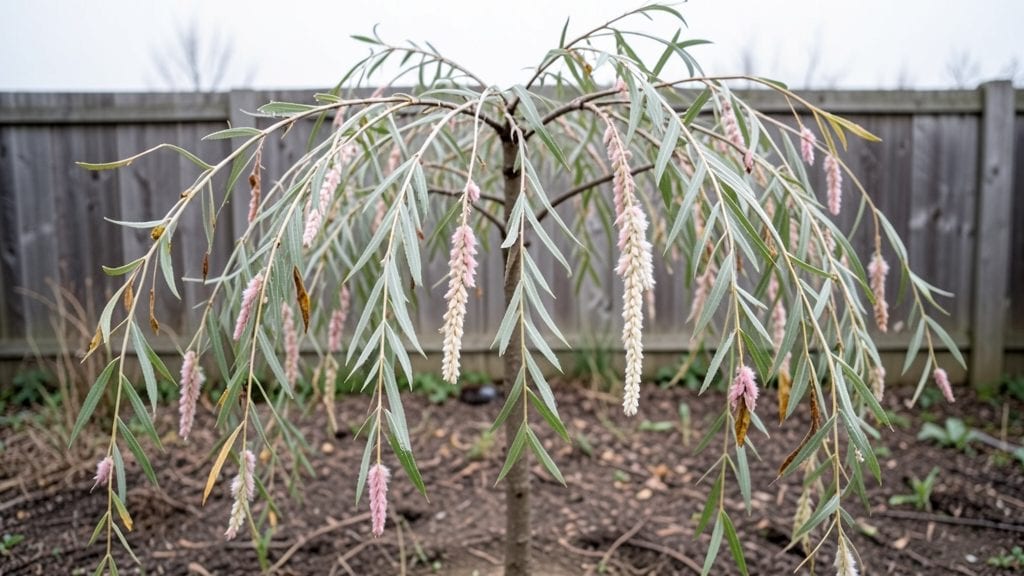
The cherry blossom willow tree turns your Pacific Northwest yard into a dreamy springtime scene with its delicate pink blooms and graceful arching branches. I planted mine near a small pond, and now it’s the star of the neighborhood—frost-resistant, fast-growing, and impossible to ignore when it bursts into color.
The secret to its success? Matching its love of moisture with the right soil and sunlight, which I’ll show you how to do without the guesswork.
This tree thrives in wet soil—think boggy areas, near ponds, or even as a water feature centerpiece—but it’s tough enough to handle occasional dry spells once established.
Full sun to partial shade is ideal, and spacing matters: give it 15–20 feet of room to stretch out without crowding other plants. The real magic happens in early spring, when those clusters of tiny pink flowers cover the branches like confetti, attracting bees and hummingbirds for weeks.
Pruning is where most people trip up, but with willows, less is more. Focus on shaping in late winter or early spring before new growth starts—just trim back any dead or crossing branches to keep the structure open and airy.
Mulch heavily around the base to protect roots from winter’s chill, and you’ll have a tree that blooms reliably year after year, even in zone 5’s harshest winters.
Bonus: It’s a breeze to grow from cuttings if you want to propagate your own trees. Just dip a 6-inch stem in rooting hormone, plant it in moist soil, and cover it with a plastic bag until roots form.
Whether you’re adding drama to a water garden or creating a living privacy screen, this tree delivers beauty with minimal fuss. Let’s get yours planted right!
📚 In This Guide
- What you need
- Instructions
- Tips and common mistakes
- Wrapping up and next steps
What you need
- ● Cherry Blossom Willow Tree: 1 Weeping Cherry Willow (Salix caprea 'Pendula' or Salix babylonica 'Tortuosa') seedling, cutting, or bare-root sapling (check local nurseries for PNW-hardy varieties).
- ● OR 5–10 seeds (if starting from scratch—germination can be slow!).
- ● Planting Site: Sunny spot with 6+ hours of direct sunlight (partial shade tolerates but reduces blooms).
- ● Well-draining soil (amend heavy clay with compost or perlite if needed).
- ● Tools: 1 garden trowel or shovel
- ● 1 pair of pruning shears (sterilized with rubbing alcohol)
- ● 1 watering can or hose with a gentle spray nozzle
- ● 1 mulch (3–4 inches of shredded bark or straw)
- ● Soil test kit (to check pH—ideal range: 6.0–7.0)
- ● Slow-release fertilizer (balanced 10-10-10 or rose-specific formula)
- ● Tree stake + soft tie (for young saplings in windy PNW areas)
- ● Organic pest control (neem oil or insecticidal soap for aphids)
- ● Decorative stakes or markers (to outline the tree’s weeping shape)
How to plant and care for a cherry blossom willow tree in the Pacific Northwest
Here's the straightforward approach I've used to grow thriving cherry blossom willows that survive our region's cold snaps.
Choose the Right Location for Cold Hardiness
Cherry blossom willows thrive in USDA Hardiness Zones 5-9, making them perfect for the Pacific Northwest's chilly winters. Pick a spot with full sun to partial shade—at least 6 hours of direct sunlight daily—but avoid areas where late frosts linger. I always check the microclimate: spots near buildings or fences often stay warmer at night.
Soil should drain well but retain moisture—willows hate soggy roots. If your yard has heavy clay, amend the planting area with 2-3 inches of compost mixed into the top 12 inches of soil. Test drainage by digging a 12-inch hole and filling it with water; if it doesn't drain within 4-6 hours, raise the planting mound or choose a different spot.
Plant at the Right Time and Depth
Plant in early spring or fall, when soil temperatures are cool but not frozen. I've found spring planting gives roots more time to establish before summer heat, while fall planting lets them settle before winter dormancy. Dig a hole twice as wide as the root ball but only as deep—the top of the root ball should sit 1 inch above ground level to prevent rot.
Gently remove the tree from its container and loosen any circling roots with your fingers. Place it in the hole, backfilling with native soil mixed with 1 part compost. Water deeply to eliminate air pockets, then create a 2-inch deep basin around the base to catch irrigation. Mulch with 3 inches of wood chips, keeping it 6 inches away from the trunk to prevent moisture buildup.
Water Deeply and Establish a Routine
Water twice weekly for the first month, then taper to once weekly once established. I check soil moisture by sticking my finger 2 inches deep—if it feels dry, water thoroughly until it drains 6 inches down. Overwatering is the biggest mistake; willows develop root rot quickly in waterlogged soil. Let the top 2 inches dry out between waterings after the first year.
Fertilize lightly in early spring with a balanced 10-10-10 formula (use ½ cup per year of tree age). I skip fall feeding—willows need to harden off for winter. Prune dead or crossing branches in late winter, cutting just above a bud or outward-facing branch. Avoid heavy pruning; willows bloom on old wood, and aggressive cuts reduce next year's flowers.
Protect from Late Frosts and Winter Damage
Cherry blossom willows bloom early, often before last frost dates. Cover new growth with frost cloth on nights when temperatures dip below 28°F—I've lost entire branches to frost damage in my first few years. Remove covers by 10 AM to prevent overheating. Once buds appear, they're safe from frost, but young trees may need winter mulch (add 2 more inches of wood chips in late fall).
In the Pacific Northwest, wind can scorch leaves. If your tree is exposed, install a windbreak (bamboo fence or lattice) on the west side where afternoon sun hits hardest. Prune to maintain an open center—willows grow wide, and dense canopies trap cold air. After blooms fade, remove spent flowers to redirect energy to root growth for next season.
Tips & tricks for perfect cherry blossom willow growth
These practical insights will help you avoid common pitfalls and give your Pacific Northwest cherry blossom willow the best chance to thrive.
Microclimate Mastery: The 6 hours of daily sunlight mentioned in Step 1 is non-negotiable, but here's the secret: morning sun is more important than afternoon. In our region, afternoon sun can cause leaf scorch, especially on exposed sites. If you must plant in partial shade, prioritize eastern exposure where the sun warms the soil without intense afternoon heat.
Drainage Test Hack: When testing drainage with that 12-inch hole, I've found a quicker method: use a trowel to dig a 1-inch deep trench around the hole's perimeter. Fill it with water and time how quickly it drains. If water disappears within 10 minutes, you're good to go. This gives you a faster read than waiting the full 4-6 hours, especially when planning multiple planting spots.
Root Ball Rescue: Those circling roots in Step 2 can be tricky to spot. After removing the tree from its container, soak the root ball in a bucket of water for 10 minutes first. This makes the roots more pliable and easier to separate. I've also found that scoring the root ball with a knife (about 1/4 inch deep) before planting helps encourage outward root growth, which is crucial for cold hardiness in our climate.
Watering Wisdom: The twice-weekly watering routine works, but here's how to make it foolproof: use a rain gauge near your planting site. When it reads 1 inch of rain, skip your scheduled watering. Our Pacific Northwest summers often bring unexpected downpours, and overwatering is the fastest way to kill your willow. I keep a simple rain gauge buried near my trees and adjust my schedule accordingly.
Pro Tips for Cherry Blossom Willow Tree
- These practical insights will help you avoid common pitfalls and give your Pacific Northwest cherry blossom willow the best chance to thrive.
- Microclimate Mastery: The 6 hours of daily sunlight mentioned in Step 1 is non-negotiable, but here's the secret: morning sun is more important than afternoon.
- Drainage Test Hack: When testing drainage with that 12-inch hole, I've found a quicker method: use a trowel to dig a 1-inch deep trench around the hole's perimeter.
Frequently asked questions
Got questions about your cherry blossom willow tree?
We’ve got answers! Whether you’re a newbie gardener or a seasoned green thumb, these FAQs will help you grow a thriving, frost-resistant beauty in the Pacific Northwest.
How cold can a cherry blossom willow tree tolerate?
A cherry blossom willow (Salix alba 'Chermesina') is one of the hardiest willows, surviving temperatures as low as -20°F (-29°C). However, young saplings may need winter protection (like mulch or burlap wraps) until established. Native to the PNW, it thrives in zones 4-9, making it perfect for Seattle’s chilly springs and frosty winters!
When is the best time to plant a cherry blossom willow?
Plant your willow in early spring or fall when soil is workable but not frozen. Avoid planting in late summer or winter—roots struggle in extreme heat or cold. For the PNW, March-April or September-October are ideal. Give it space: willows spread widely (15-25 ft) and need 6+ feet of clearance from structures or other plants.
Why aren’t my cherry blossom willow’s leaves turning pink?
Pink foliage fades due to sunburn, nutrient deficiency, or stress. Ensure it gets full sun (6+ hours daily)—partial shade dulls the color. Check soil pH (aim for 6.0-7.5) and fertilize lightly in spring with a balanced 10-10-10 mix. Overwatering or poor drainage can also cause pale leaves. Pro tip: Prune leggy branches in late winter to encourage vibrant regrowth!
Can I grow a cherry blossom willow in a container?
While possible, willows are not ideal for containers—they grow 10-15 ft tall and need deep, spacious roots. If you must pot it, use a 50+ gallon container with drainage holes and repot every 2-3 years. Expect slower growth and fewer blooms. For best results, plant in the ground where roots can spread freely. Alternative: Try a dwarf willow like Salix caprea 'Pendula' for patio-friendly pink blooms!
Are cherry blossom willows good for pollinators?
Their early spring blooms provide nectar for bees, butterflies, and hummingbirds before other plants wake up. The fluffy catkins (male flowers) are especially loved by insects. For extra pollinator power, pair it with native PNW companions like Oregon grape (Mahonia aquifolium) or red-flowering currant (Ribes sanguineum). Just avoid pesticides—willows are chemical-sensitive!
Wrapping up and next steps
The cherry blossom willow tree is a stunning, frost-resistant gem that brings the magic of spring to the Pacific Northwest—without the fuss! Whether you’re drawn to its delicate blooms, hardy nature, or low-maintenance charm, this tree is a game-changer for gardens and landscapes.
Ready to transform your outdoor space? Start by researching local nurseries or planting guides to find the perfect spot for your own blossom-filled retreat!
🌸 Pro tip: Share your progress with fellow gardening enthusiasts—inspiration spreads faster that way!