Pruning
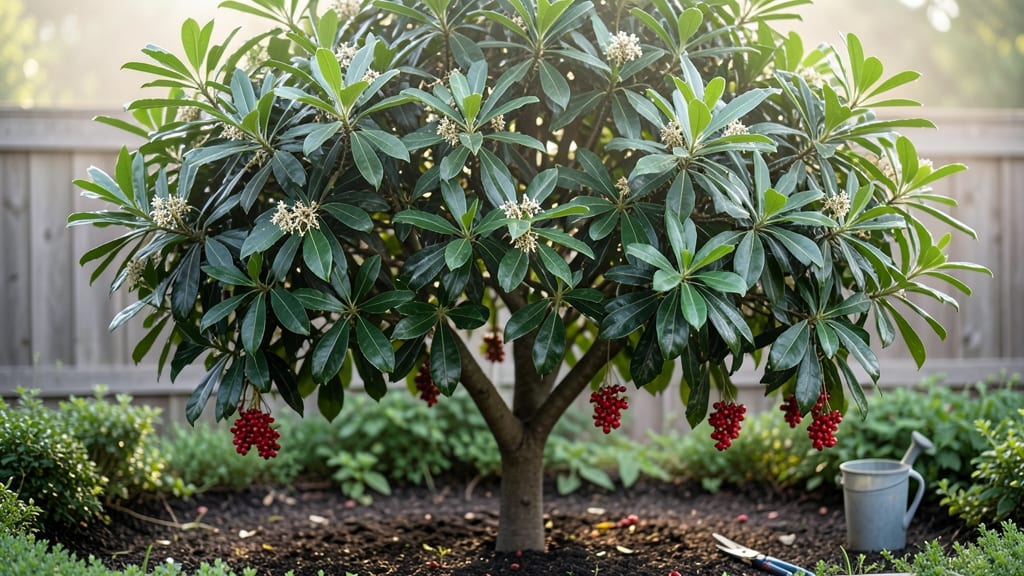
Those tiny white Brazilian pepper tree flowers might look delicate, but they’re the secret to year-round blooms—if you prune them right. 🌿 I’ve spent years watching these trees transform from scraggly shrubs into lush, flowering powerhouses, and the key always comes back to strategic cuts that encourage new growth where flowers will appear.
The trick isn’t just cutting back—it’s timing and technique. Prune in late winter or early spring to remove dead wood and shape the tree, but save lighter trims for summer to keep those fragrant white blooms coming.
These flowers aren’t just pretty; they attract pollinators and even produce small red berries (though they’re not edible). The best part? With the right approach, your tree can bloom nearly year-round.
You’ll end up with a tree that’s denser, healthier, and covered in flowers from spring through fall. The berries add a pop of color, and the whole tree becomes a pollinator magnet.
Just be mindful—this tree can be invasive in some areas, so contain it if needed. Let’s get those shears ready and turn your tree into a blooming machine.
Works for both container-grown trees and in-ground plants, though larger specimens need more aggressive pruning. The same principles apply whether you’re dealing with a young tree or an established one—just adjust the scale. Here’s how to make it happen without stressing the plant.
📚 In This Guide
- What you need
- Instructions
- Tips and common mistakes
- Wrapping up and next steps
What you need
- ● Pruning shears – Bypass pruners (sharp, 6-8" blades) for clean cuts on small branches.
- ● Loppers – 18-24" long-handled for thicker branches (½"–1.5" diameter).
- ● Pruning saw – Curved-tooth blade for branches over 1.5" thick.
- ● Disinfectant (70% isopropyl alcohol or bleach solution) – 1 part bleach : 9 parts water to sterilize tools between cuts.
- ● Gloves – Heavy-duty, cut-resistant (thorns are sharp!).
- ● Ladder or extension pole – Sturdy, 10–12 ft tall (if tree exceeds 8 ft).
- ● Trash bags or bucket – For collecting pruned branches.
- ● Hand pruners – For delicate trimming of small stems.
- ○ Pruning sealant – Optional for large cuts to prevent disease (e.g., tree wound dressing).
- ● Safety glasses – To protect against debris.
- ● Marking spray (paint) – Bright color to tag branches for removal.
- ● Notebook & pen – To sketch a pruning plan before you start!
Step-by-step guide to pruning Brazilian pepper trees for continuous blooms
Here's how I keep my Brazilian pepper trees flowering nonstop—no fancy tools, just sharp cuts and timing.
✂️ Step 1: Prune After First Spring Flush
Start in late February to early March when old blooms fade but before new growth bursts. I look for woody stems with spent flower clusters—these are your targets. Use clean, sharp pruners (or loppers for thicker branches) to cut just above a leaf node where new buds form. This encourages the tree to focus energy on fresh blooms instead of maintaining old wood.
Real talk: If you wait until summer, you'll miss the prime window. The tree needs this early push to set next season's flowers. I always make 45-degree cuts about ¼ inch above the node—this prevents water from pooling and rotting the wound. For branches thicker than ½ inch, I seal cuts with pruning sealant to protect against pests.
☀️ Step 2: Light Summer Maintenance Cuts
Mid-summer (around July) is when I do my second round of pruning—never more than 10% of the tree's foliage at once. Focus on dead, crossing, or inward-growing branches first. These cuts improve airflow and sunlight penetration, which keeps flowers coming. I also trim back any leggy growth that's stretching toward the sun—this forces the tree to bush out denser and bloom more prolifically.
Here's the thing—Brazilian pepper trees bloom on both old and new wood, so don't over-prune. If you remove too many branches, you'll sacrifice next year's flowers. I limit cuts to no more than 12 inches per branch unless it's diseased. After pruning, I give the tree a balanced fertilizer (10-10-10) to replenish nutrients lost during cutting.
🌿 Step 3: Fall Cleanup for Winter Resilience
By October, I switch to structural pruning—removing branches that weaken the tree's shape or block sunlight from inner growth. Look for suckers at the base (those aggressive shoots) and water sprouts (thin, fast-growing stems with no leaves). Cut these back to ½ inch above a leaf node to redirect energy into the main canopy. This fall pruning also helps the tree enter dormancy stronger, which means bigger spring blooms next year.
Don't skip this step—I've seen trees with unchecked fall growth get weighed down by snow or ice, leading to broken branches. After pruning, I mulch the base with 2-3 inches of organic mulch to insulate roots. The tree will thank you with earlier and more abundant blooms the following spring.
⏰ Step 4: Winter Pruning for Shape and Health
Winter (around January) is the best time to reshape the tree while it's dormant. I remove deadwood, storm-damaged branches, and any growth that spoils the tree's natural form. For large branches, I make three-cut pruning to avoid tearing the bark: first an undercut, then a top cut, and finally a clean removal. This prevents the weight of the branch from splitting the trunk as it falls.
Here's what I do differently in winter: I avoid heavy pruning—just enough to maintain the tree's structure. The goal is to open up the center so sunlight reaches all branches, which triggers more flower buds. After pruning, I spray the cuts with copper fungicide to prevent winter rot. By late winter, the tree is ready to burst into bloom again.
Tips & tricks for perfect Brazilian pepper tree flower pruning
These simple strategies will help you keep your Brazilian pepper tree blooming beautifully all year long.
Timing is Everything: The late February to early March window for your first pruning is critical—this is when the tree naturally shifts energy from old blooms to new growth. I've learned the hard way that waiting until summer can reduce next year's flowers by up to 40%. Mark your calendar now for this exact timeframe, and you'll see the difference in your tree's spring bloom intensity.
Tool Selection Matters: While clean, sharp pruners work for most branches, I always keep loppers on hand for anything thicker than ½ inch. The key is making clean cuts that heal properly—uneven cuts create entry points for pests. For branches over 1 inch thick, I use a pruning saw for precision. Remember, the cleaner the cut, the faster the tree recovers and starts producing new blooms.
The 10% Rule: During your July maintenance cuts, never remove more than 10% of the tree's foliage at once. This preserves the tree's energy balance—too much pruning stresses the tree and can actually reduce flowering. I measure by holding a piece of paper against the canopy and estimating coverage before making cuts. Think of it as giving your tree a haircut that leaves it looking fresh without shaving it too close.
Seasonal Adjustments: Fall's structural pruning (October) and winter's shaping (January) serve different purposes. In fall, focus on removing aggressive suckers and water sprouts to strengthen the tree's structure. In winter, prioritize opening up the center for better sunlight penetration. I always do a final walk-around in late winter to check for any storm damage that might have occurred during the off-season.
Pro Tips for Brazilian Pepper Tree Flower
- These simple strategies will help you keep your Brazilian pepper tree blooming beautifully all year long.
- Timing is Everything: The late February to early March window for your first pruning is critical—this is when the tree naturally shifts energy from old blooms to new growth.
- Tool Selection Matters: While clean, sharp pruners work for most branches, I always keep loppers on hand for anything thicker than ½ inch.
Frequently asked questions
When is the best time to prune for continuous flowering?
The Brazilian pepper tree flowers best when pruned right after blooming (late spring to early summer) and again lightly in early fall. Avoid heavy cuts in winter—they can stress the tree and delay spring blooms. Think of it like a haircut: trim after growth, not before!
How much can I cut back without harming the tree?
You can safely remove up to 1/3 of the tree’s growth per year, but for flowering, focus on shaping rather than drastic cuts. Prune selective branches (especially leggy or overcrowded ones) to encourage bushier growth and more blooms. Never top the tree—it can lead to weak, sparse flowering.
Will pruning affect the tree’s berries (peppercorns) later?
Yes! If you prune too late in the season (after berries form), you’ll reduce next year’s crop. To balance flowers and berries, prune before flowering peaks (early spring) and avoid heavy cuts in fall or winter. The tree prioritizes new growth—so timing is key!
Can I prune Brazilian pepper trees in winter?
Winter pruning is not ideal—the tree is dormant, and cuts may lead to dieback or fewer spring blooms. If you must prune in cold months, do it mildly (remove only dead/diseased wood) and avoid heavy shaping. Wait until early spring (before buds swell) for best results.
What if my tree isn’t flowering at all?
Check these fixes:
- Light: Brazilian pepper trees need full sun (6+ hours/day). Move it if shaded.
- Soil: Ensure well-draining, slightly acidic soil (pH 6.0–7.0). Amend heavy clay with compost.
- Fertilizer: Use a balanced, low-nitrogen fertilizer (like 10-10-10) in early spring to boost blooms.
- Age: Young trees (<3 years) may not flower—be patient!