
Pruning
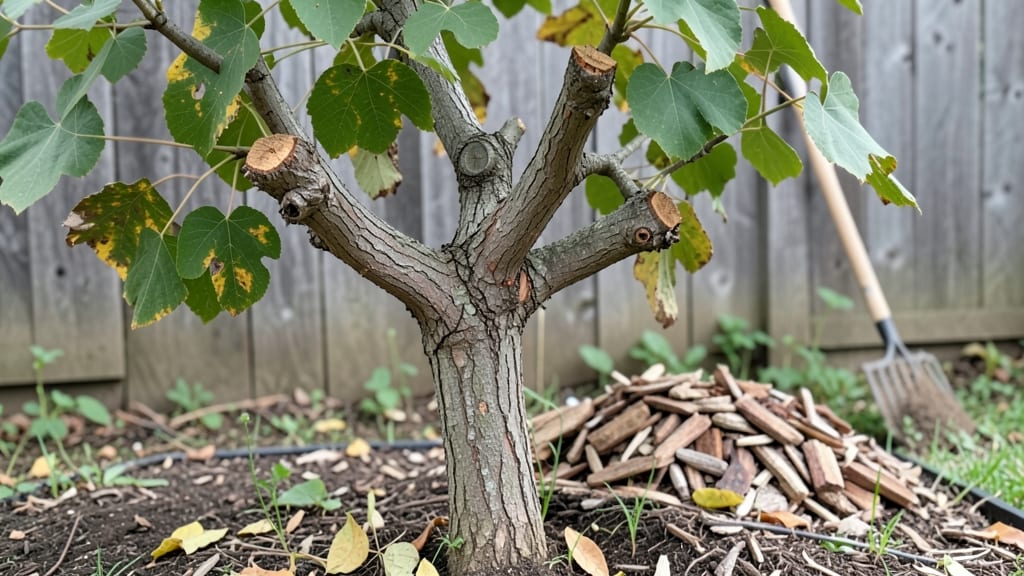
Caring for a mulberry tree in the Pacific Northwest means mastering frost-resilient pruning that keeps it thriving year-round. 🌿 I learned the hard way—my first tree nearly died after a late spring frost because I didn’t adjust my pruning timing.
The secret isn’t just when you cut, but how you prepare the tree for our damp, cool climate.
Start with the right tools: sharp pruners, loppers for thicker branches, and a ladder if your tree is over 15 feet tall. You’ll also need a clean bucket for clippings and a spray bottle of diluted rubbing alcohol to sterilize tools between cuts—this prevents disease spread.
The best time to prune is late winter or early spring, just as buds begin to swell but before new growth starts.
You’ll end up with a stronger tree that produces more fruit and handles our rainy winters better. Prune out dead or crossing branches first, then thin the canopy to improve airflow—this cuts down on fungal issues.
By summer, you’ll see fresh green leaves and fewer pests, plus a tree that’s ready to handle another frost without stress.
This method works for both white and black mulberries, whether you’re growing from seed or a young sapling. The key is consistency—once you establish the routine, your tree will reward you with shade, fruit, and minimal maintenance for decades. Let’s get those pruners ready!
📚 In This Guide
- What you need
- Instructions
- Tips and common mistakes
- Wrapping up and next steps
What you need
- ● Pruning shears: Bypass pruners (for clean cuts on small branches) – 1 pair (sharp, stainless steel for durability).
- ● Loppers: For thicker branches (up to 2 inches in diameter) – 1 pair (with a long handle for reach).
- ● Pruning saw: For larger branches (2+ inches) – 1 saw (bow saw or folding pruning saw).
- ● Disinfectant: 70% isopropyl alcohol or pruning sealant (to prevent disease spread).
- ● Gloves: Heavy-duty gardening gloves (protects from thorns and sap).
- ● Work boots: Sturdy, ankle-supportive boots (PNW soil can be uneven!).
- ● Tree wrap: Protects young trunks from sunscald or frost cracks (especially for newly planted trees).
- ● Mulch: Wood chips or straw (2–4 inches deep) to insulate roots in winter.
- ● Fertilizer: Balanced 10-10-10 or organic compost (apply in early spring, not fall).
- ● Tree spray: Copper fungicide (if your area has history of fungal diseases like anthracnose).
- ● Extension pole: For high branches (saves your back and improves precision!).
- ● Know your mulberry variety (e.g., Morus alba, Morus rubra)—some are more frost-tolerant than others!
- ● Check local frost dates (PNW’s last frost is typically late May, first frost in October).
- ● Review your tree’s growth habit—mulberries can be aggressive, so plan for space (20–30 ft wide at maturity).
- ● Have a clear day for pruning (avoid wet or windy conditions).
Step-by-Step guide for pruning and maintaining a mulberry tree in the Pacific Northwest
Here’s how I keep my mulberry thriving through wet winters and mild summers—no guesswork.
✂️ Step 1: Prune for Winter Hardiness (Late Fall)
Wait until after the first hard frost but before snowfall settles—typically November to early December in the PNW. This timing lets the tree enter dormancy with clean structure. Start by removing dead, diseased, or crossing branches first; these are easy to spot as they’re brown or growing inward.
Use clean, sharp pruners to make cuts just outside the branch collar—the swollen area where the branch meets the trunk. Avoid leaving stubs, which invite rot. I like to shape the tree lightly at this stage, opening the canopy to improve airflow and sunlight penetration. The goal is 30-40% reduction in dense growth, not drastic thinning.
⏰ Step 2: Light Pruning in Early Spring (March-April)
Once buds swell but before leaves emerge—around late March to early April—do a light maintenance prune. Focus on removing water sprouts (fast-growing vertical shoots) and any branches that grew too vigorously last season. These compete with fruit production and weaken the tree’s energy reserves.
I also check for dormant season damage from frost or wind. If branches are cracked or split, prune them back to healthy wood. Avoid heavy pruning now—the tree needs its energy to push new growth and set fruit. A quick once-over keeps things tidy without stressing the tree.
☀️ Step 3: Summer Fruit-Thinning Prune (June-July)
When the tree is fully leafed out (around June), shift focus to fruit-bearing branches. Mulberries produce heavy crops, which can overload branches and reduce fruit quality. Thin clusters to 2-3 berries per shoot, leaving the largest, healthiest ones. This ensures bigger, sweeter fruit and prevents limb breakage.
This is also the time to remove suckers—shoots growing from the tree’s base or roots. They drain energy from the main tree. Use a hand pruner or small saw for thicker suckers, cutting at the base. A quick check every 2-3 weeks keeps them under control before they become a problem.
🌿 Step 4: Fall Cleanup and Pest Prevention (October)
After the first frost, rake up and remove fallen leaves and fruit. Mulberries attract pests like birds and insects, and leaving debris invites infestations. I also sanitize pruning tools with rubbing alcohol to prevent fungal spread between cuts.
Apply a 2-inch layer of wood chips around the base (but not touching the trunk) to protect roots from winter chill. This mulch also suppresses weeds, which compete for nutrients. A final check for mummified fruit (dried berries still clinging to branches) ensures no pests overwinter in the tree.
Tips & tricks for Pacific Northwest mulberry care
Pruning a mulberry tree in our rainy climate takes some extra know-how—here’s what I’ve learned after years of trial and error.
Timing is Everything: The late fall window between frost and snow (November to early December) is critical. If you prune too early, you risk encouraging new growth that won’t harden off before winter. If you wait too long, snow can weigh down fresh cuts. I mark my calendar for the first hard frost date and schedule pruning 2-3 weeks after that—just enough time for the tree to settle into dormancy.
Tool Prep Prevents Problems: Before you even touch the tree, clean your pruners with rubbing alcohol between cuts—especially in Step 1 when you’re removing diseased branches. I keep a small bottle of 70% isopropyl alcohol in my tool bag and wipe blades after every 3-4 cuts. This simple step prevents fungal spread that can weaken your tree over time. Also, sharpen your blades before starting; dull tools crush branches instead of making clean cuts.
Visual Cues for Summer Pruning: When thinning fruit clusters in June-July (Step 3), look for berries that are slightly larger than their neighbors—these are the ones with the best genetic potential. I also check for clusters where the stems are thick and green, not thin and brown. These visual cues help me select the healthiest berries to keep, ensuring the best harvest. Remember, you’re aiming for just 2-3 berries per shoot—don’t overcrowd!
Mulch Matters More Than You Think: That 2-inch layer of wood chips in Step 4 isn’t just for looks—it’s a game-changer for PNW winters. The mulch insulates roots from our chilly, wet winters while preventing soil compaction from heavy rains. I use locally sourced cedar chips because they resist decomposition longer than other types. Just remember to keep it 2 inches deep and pull it back slightly from the trunk to prevent rot.
Pro Tips for Care For Mulberry Tree
- Pruning a mulberry tree in our rainy climate takes some extra know-how—here’s what I’ve learned after years of trial and error.
- Timing is Everything: The late fall window between frost and snow (November to early December) is critical.
- Tool Prep Prevents Problems: Before you even touch the tree, clean your pruners with rubbing alcohol between cuts—especially in Step 1 when you’re removing diseased branches.
Frequently asked questions
Got questions about keeping your mulberry tree thriving in the Pacific Northwest’s unique climate? Here are some of the most common concerns—and their solutions—from pruning timing to frost resilience.
When is the best time to prune a mulberry tree in the PNW?
The ideal time is late winter to early spring (February–March) before new growth starts. This helps avoid frost damage and encourages healthy spring blooms. Avoid heavy pruning in fall, as wounds may not heal before winter.
How cold can mulberry trees tolerate before frost damage occurs?
Most mulberry varieties handle down to -10°F (-23°C), but young trees or tender varieties (like Morus alba) may need winter protection (e.g., burlap wraps or mulch). Ever-bearing types are slightly more frost-sensitive—watch for bud dieback after hard freezes.
Can I prune mulberry trees in summer, or should I wait?
Light summer pruning (e.g., removing dead branches) is fine, but avoid heavy cuts after June. Summer pruning can stimulate tender growth that may suffer in fall frosts. Save major shaping for dormant season pruning.
Why are my mulberry leaves turning yellow or spotted?
Yellowing leaves often signal nutrient deficiency (e.g., iron or nitrogen) or fungal issues like powdery mildew. Test soil pH (mulberries prefer 6.0–7.0) and apply organic mulch. For pests, neem oil or horticultural soap can help—avoid overwatering to prevent root rot.
Are there frost-resistant mulberry alternatives for the PNW?
Yes! Try Morus rubra (red mulberry)—native to the PNW and hardy to -30°F (-34°C). For compact growth, Morus ‘Illinois Everbearing’ is a great choice, producing fruit twice a year with moderate frost tolerance.
How do I adjust pruning if a late frost hits after buds swell?
Wait 2–3 weeks after the last frost date (check your USDA zone) before pruning. If buds are already swollen, delay until new growth hardens off. Thin out frost-damaged branches in spring, focusing on open center pruning to improve airflow.
Wrapping up and next steps
Caring for your mulberry tree in the Pacific Northwest doesn’t have to be overwhelming—just follow the seasonal pruning calendar and basic maintenance tips to keep it thriving! 🌿 With the right tools, timing, and a little patience, your tree will reward you with delicious fruit and stunning foliage year after year.
Ready to take the next step? Mark your calendar for the next pruning window and grab your tools—your mulberry tree will thank you! For extra guidance, consider joining a local gardening group or consulting a tree-care expert to fine-tune your approach.