
Pruning
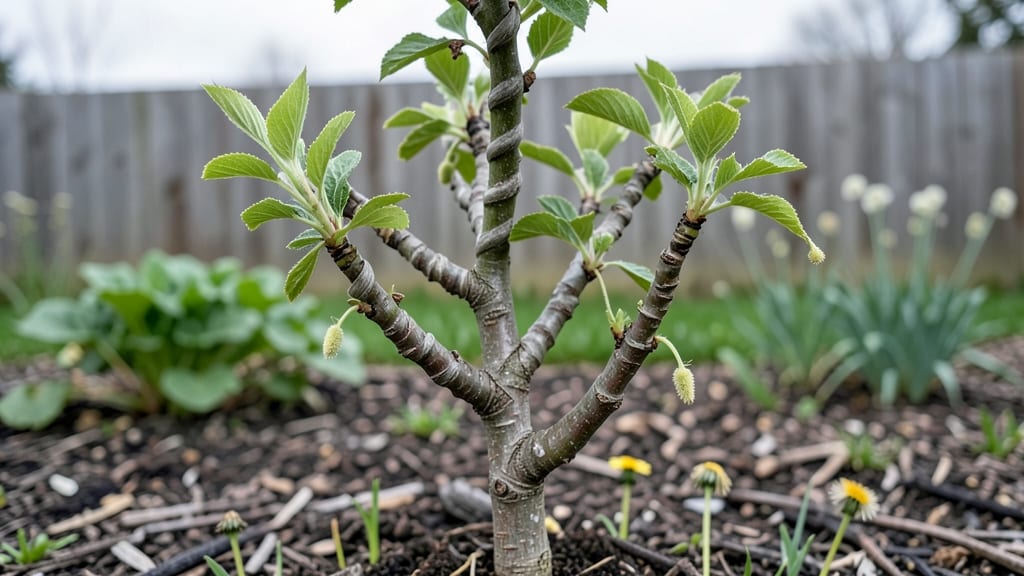
The corkscrew hazelnut tree’s twisted branches are the Pacific Northwest’s most dramatic ornamental statement—and pruning it right keeps those spirals perfect through every frost. I’ve wrestled with this quirky tree for years, learning that its growth habit demands a different approach than straight-stemmed varieties.
The key isn’t just cutting back; it’s shaping the twists to encourage even more dramatic curls while preventing winter damage.
This tree thrives in zones 5-8, where cold snaps test its resilience, but with the right technique, you’ll end up with a frost-proof specimen that produces both stunning foliage and edible nuts. Start with sharp pruners and a clear vision: you’re sculpting, not hacking.
The best time to prune is late winter, right before buds swell—this lets you see the structure while avoiding late-season stress. Just 30 minutes of focused work can transform a tangled mess into a showstopper.
By summer, you’ll notice new growth spiraling tighter than ever, with glossy leaves that catch the light like polished bronze. The nuts? Sweet and crunchy, ready to harvest in fall. Even if you’re not growing for the harvest, the tree’s winter silhouette—silver-gray branches against snow—is pure magic.
The secret lies in those strategic cuts that preserve the twists while keeping the tree healthy.
Works equally well as a focal point in gardens, a container specimen for patios, or even as a bonsai-style accent. The same principles apply whether you’re pruning a 5-foot sapling or a mature 15-footer. Let’s get those branches curling the right way!
📚 In This Guide
- What you need
- Instructions
- Tips and common mistakes
- Wrapping up and next steps
What you need
- ● Pruning shears or loppers: Bypass pruners (sharp, 6-8” blade) for clean cuts; loppers (16-24” reach) for thicker branches.
- ● Hand pruners: Anvil-style (for small twigs, 4-6” blade) as a backup.
- ● Pruning saw: Curved-tooth (8-12” blade) for branches over 2” in diameter.
- ● Disinfectant: 70% isopropyl alcohol or bleach solution (1 part bleach : 9 parts water) to sterilize tools between cuts.
- ● Garden gloves: Heavy-duty, cut-resistant (e.g., Mechanix or Filmore) to protect hands.
- ● Ladder or step stool: Sturdy, extendable (8-12’ height) for tall branches.
- ● Tarp or drop cloth: Medium-sized (10’x12’) to collect debris.
- ● Pruning sealant: Tree wound dressing (e.g., Tanglefoot Tree Wound Pruning Seal) for large cuts.
- ● Marking spray: Pink or white to tag branches for removal.
- ● Safety glasses: ANSI-rated to shield eyes from debris.
- ● Notebook & pen: To sketch your tree’s structure before pruning.
- ○ Tree growth regulator: Optional post-pruning (e.g., Seaweed extract) to boost resilience.
- ● Knowledge of tree anatomy: Familiarize yourself with corkscrew hazelnut growth patterns (e.g., spiral branches, terminal buds).
- ● Weather check: Prune on a dry, calm day (avoid frost or rain within 24 hours).
- ● Tree health assessment: Inspect for disease, pests, or dead wood before starting.
- ● Local regulations: Verify if your area requires permits for large-scale pruning.
Step-by-step guide to pruning your corkscrew hazelnut tree
This is how I keep my Pacific Northwest corkscrew hazelnuts healthy through winters and vigorous through summers.
Time Your Pruning for Peak Health
Prune your corkscrew hazelnut in late winter or early spring, just as buds begin to swell but before new growth starts. This timing ensures you remove dead wood while leaving living buds intact to support new foliage. In the Pacific Northwest, aim for February to March when temperatures hover around 40-50°F—cold enough to keep the tree dormant but warm enough for you to work comfortably.
I always check the buds first—they should look plump and ready to burst. If they're still tight and brown, wait another week. Pruning too early risks damaging buds that haven't yet hardened off for winter. The goal is to shape the tree while it's still dormant but about to wake up.
Remove Dead, Diseased, or Crossing Branches
Start by cutting out any dead, diseased, or damaged branches using clean, sharp pruning shears. Look for branches that are brown and brittle or have mushroom-like growths at the base—these are clear signs of trouble. I also remove any branches that cross or rub against each other, as these create wounds that invite pests and disease.
Make your cuts just outside the branch collar, the swollen area where the branch meets the trunk. Avoid leaving stubs—these can rot and weaken the tree. For larger branches over ½ inch thick, use pruning saws to make clean cuts. Always sterilize your tools with rubbing alcohol between cuts to prevent spreading disease.
Thin the Canopy for Airflow and Light
Corkscrew hazelnuts thrive when their canopies receive even sunlight and airflow. Focus on thinning out overcrowded branches to open up the center of the tree. Remove about 20-30% of the smallest, weakest branches to encourage stronger growth in the remaining ones. I prioritize branches that grow inward or downward, as these block light and air from reaching the center.
Use your hand as a guide: if you can't fit it between two branches, they're too close. Step back occasionally to assess the tree's shape—you want a balanced, open structure that lets sunlight reach all parts. Avoid cutting more than 25% of the canopy in a single year, as this can stress the tree and reduce nut production.
Shape for Frost Resilience and Nut Production
The corkscrew hazelnut’s unique spiraled branches need gentle shaping to maintain their form while promoting frost resilience. Lightly trim the tips of branches to encourage bushier growth, but avoid heavy pruning that could weaken the tree. Focus on lateral branches—these produce more nuts and are less susceptible to frost damage.
In the Pacific Northwest, where frosts can linger into spring, I avoid heavy pruning that exposes tender new growth to cold snaps. Instead, I make small adjustments to redirect energy toward stronger, more frost-hardy branches. If a branch is growing too aggressively upward, I prune it back slightly to encourage a more horizontal growth habit.
Tips & tricks for pruning your corkscrew hazelnut tree
Here's what I've learned after years of pruning these stunning trees in our Pacific Northwest climate—these tricks will help you avoid common mistakes and keep your corkscrew hazelnut thriving for decades.
Timing is Everything: The February to March window is non-negotiable for our region's climate. I've learned the hard way that pruning too early—when buds are still tight and brown—can damage them before they've fully hardened off. Instead, wait until you see those plump, ready-to-burst buds, which usually means daytime temperatures consistently reach the upper 40s. This timing ensures you're working with a tree that's still dormant but about to wake up, making it far more resilient to pruning stress.
Tool Preparation Matters: Sterilizing your pruning shears with rubbing alcohol between cuts is one of those details that separates good pruners from great ones. I keep a small spray bottle of 70% isopropyl alcohol in my tool bag and wipe down blades after every 3-4 cuts, especially when dealing with diseased branches. For branches over ½ inch thick, I always switch to my pruning saw—those sharp, clean cuts heal much better than jagged ones made with shears.
Visual Cues for Canopy Thinning: When you're deciding which branches to remove in Step 3, use your hand as a simple but effective guide. If you can't fit your palm between two branches, they're too close. I also step back every few minutes to assess the overall shape—imagine sunlight coming from all directions. The goal is to create an open structure where every branch can get its fair share of light and air circulation, which is especially important for our often-moist Pacific Northwest climate.
Frost Protection Strategy: In our region, where late frosts are common, I focus on preserving lateral branches during shaping. These produce more nuts and are naturally more frost-resistant than upward-growing branches. When I notice a branch growing too aggressively upward, I make a small cut just outside the branch collar to redirect its energy. This subtle adjustment has made a noticeable difference in both nut production and winter survival over the years.
Pro Tips for Corkscrew Hazelnut Tree
- Here's what I've learned after years of pruning these stunning trees in our Pacific Northwest climate—these tricks will help you avoid common mistakes and keep your corkscrew hazelnut thriving for decades.
- Timing is Everything: The February to March window is non-negotiable for our region's climate.
- Tool Preparation Matters: Sterilizing your pruning shears with rubbing alcohol between cuts is one of those details that separates good pruners from great ones.
Frequently asked questions
How cold can a corkscrew hazelnut tree tolerate?
The corkscrew hazelnut (Corylus avellana 'Contorta') is surprisingly hardy, surviving temperatures as low as -15°F (-26°C). However, young trees or newly planted saplings may need winter protection in harsh microclimates. Mulch the base with 4-6 inches of straw or wood chips and consider a burlap wrap for extra insulation during extreme freezes.
When is the best time to prune a corkscrew hazelnut tree?
Prune your corkscrew hazelnut in late winter or early spring (February–March), just before new growth begins. Avoid pruning in fall, as wounds may not heal before winter. Focus on removing dead, crossing, or overcrowded branches to maintain its iconic twisted shape while encouraging airflow to prevent fungal issues.
Can I grow a corkscrew hazelnut tree from seed?
While possible, growing from seed won’t guarantee the corkscrew trait—it’s best to propagate from cuttings or buy a grafted plant. If you’re determined to try, collect fresh seeds in fall, stratify them (mix with moist sand, refrigerate for 3 months), then plant in well-draining soil. Patience is key—seedlings may take 5+ years to develop the signature twisted branches.
Why are my hazelnut leaves curling or yellowing?
Curling or yellowing leaves often signal pests (e.g., spider mites, aphids) or fungal diseases (like eastern filbert blight). Start by hosing down the tree to dislodge pests, then apply neem oil or insecticidal soap. For fungal issues, prune affected branches 12 inches below the damage and sterilize tools with rubbing alcohol. Improve airflow by thinning dense growth.
How fast does a corkscrew hazelnut tree grow?
Expect slow to moderate growth: 12–24 inches per year under ideal conditions. Mature trees reach 10–15 feet tall and wide but stay compact due to their unique growth habit. Pro tip: Fertilize lightly in early spring with a balanced 10-10-10 formula to encourage steady (but not aggressive) growth—this helps maintain its ornamental value without sacrificing health.
Do corkscrew hazelnuts produce edible nuts?
Yes! While prized for their ornamental curls, corkscrew hazelnuts do bear small, edible nuts (though yields are modest compared to commercial varieties). Harvest in late fall when husks split open. For better nut production, plant a pollinator variety nearby (e.g., 'Tombul' or 'Barcelona').
Wrapping up and next steps
The corkscrew hazelnut tree is a resilient, low-maintenance gem for Pacific Northwest gardens—especially when pruned with care. By mastering frost-resistant techniques, you’ll encourage healthy growth, abundant harvests, and stunning visual appeal. With the right tools, timing, and patience, your tree can thrive for decades.
Ready to take the next step? Start small:
- 🌱 Observe your tree’s shape and growth patterns this season.
- 📅 Mark your pruning calendar for late winter or early spring.
- 💡 Experiment with one technique at a time—like thinning or shaping—to see what works best!