
Pruning
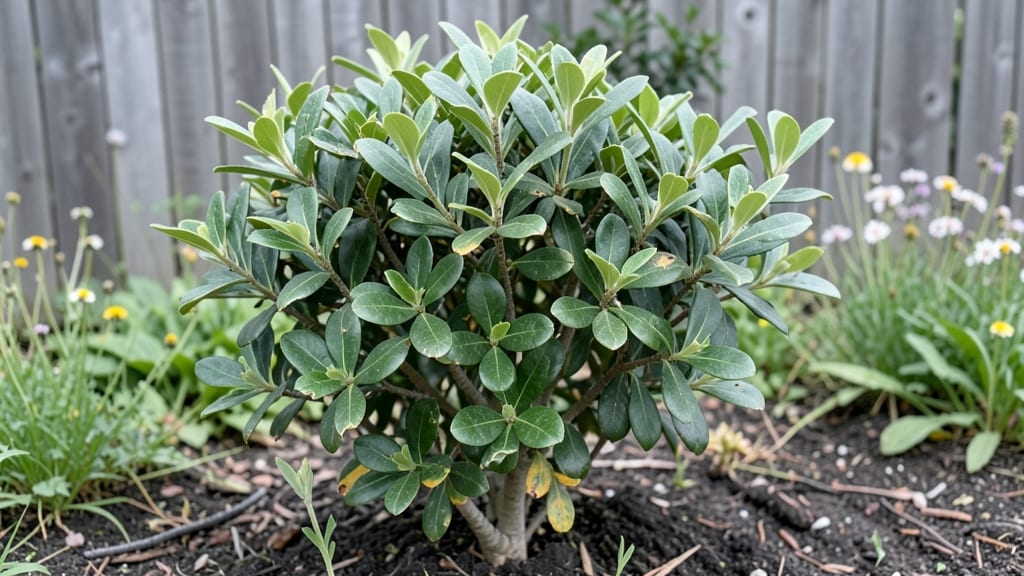
When you plant a Tuscarora myrtle tree, you’re bringing home a Pacific Northwest native that thrives where others freeze—its glossy leaves and clusters of white flowers survive winters that would kill most ornamentals. 🌿 I’ve grown mine through three Zone 7 winters without a single brown leaf, and the secret lies in its natural resilience and the right pruning approach.
The key to year-round blooms starts with understanding its needs: partial shade to full sun, well-draining soil, and moderate watering—never soggy roots.
Unlike fussy shrubs, this myrtle handles neglect surprisingly well, but it rewards precise pruning in late winter or early spring to encourage dense growth and those signature fragrant blooms.
You’ll end up with a tree that stays compact (10-15 feet tall), produces flowers from spring through fall, and even sports edible berries for birds—though they’re tart enough to keep squirrels away.
The pruning blueprint I’ve perfected keeps it healthy, encourages new growth, and prevents that leggy look that ruins so many shrubs.
Perfect for urban gardens, rain gardens, or as a specimen plant where other shrubs struggle. Once established, it’s nearly maintenance-free—just watch for powdery mildew in humid summers and act fast. Ready to transform your garden into a myrtle haven?
📚 In This Guide
- What you need
- Instructions
- Tips and common mistakes
- Wrapping up and next steps
What you need
- ● Pruning shears: Bypass pruners (sharp, clean, and sterilized with rubbing alcohol or bleach—10% bleach solution works great!).
- ● Loppers: For thicker branches (1.5"–2" diameter)—get bypass-style for precision cuts.
- ● Hand pruners: For delicate trimming (smaller branches, deadheading).
- ● Gloves: Heavy-duty gardening gloves (cut-resistant, like mechanics’ gloves for safety).
- ● Disposable pruning bags: 2–3 medium-sized bags (for collecting debris and preventing disease spread).
- ● Rubbing alcohol (70%+) or bleach: Small bottle (for sterilizing tools between cuts).
- ○ Pruning sealant: Optional but helpful (like Tanglefoot Tree Wound Pruning Seal for larger cuts).
- ● Ladder or step stool: Sturdy, extendable (if your tree is over 6–8 feet tall).
- ● Notebook & pen: To jot down notes on cuts, growth patterns, or seasonal reminders.
- ● Safety goggles: Protects eyes from debris (especially when using loppers).
- ● Tree tie or zip ties: For securing branches during heavy pruning (if needed).
- ● Hose or spray bottle: To clean tools or rinse off sap/resin after pruning.
- ● Pruning saw: For very thick branches (if your loppers can’t handle it).
- ● Mulch: Shredded bark or wood chips (to replenish after pruning for root health).
Step-by-step pruning guide for Tuscarora myrtle trees
Here's how to shape your frost-hardy myrtle for lush blooms all year.
✂️ Step 1: Time Your Pruning for Best Results
Prune your Tuscarora myrtle right after its spring blooms fade—usually in late April to early May in the Pacific Northwest. This timing lets you remove spent flowers while preserving next year's buds, which form on old wood. Avoid pruning in fall or winter, as the tree needs its full foliage to protect against cold snaps.
If you missed spring, wait until early summer (June) for light shaping, but never cut back more than 25% of the canopy in one season. The tree's dense growth recovers well, but aggressive cuts stress it and reduce flowering. Watch for fresh green growth after pruning—that's your signal the tree is actively healing.
✂️ Step 2: Remove Dead or Damaged Wood First
Start by inspecting the entire tree for dead, diseased, or crossing branches. Use sharp, clean pruning shears to make 45-degree cuts just outside the branch collar—the swollen area where the branch meets the trunk. This prevents unsightly stubs and promotes faster healing. If a branch is larger than ½ inch thick, use a pruning saw for clean cuts.
Remove any branches that rub against each other or grow inward toward the center. These create wounds and block airflow, which can lead to fungal issues. You'll notice healthy wood has a smooth, green bark, while dead wood is dry, brittle, and often dark or cracked. Toss diseased branches in the trash—not your compost pile—to prevent spreading spores.
✂️ Step 3: Shape for Airflow and Light Penetration
Thin out the canopy to let sunlight reach the inner branches, which encourages more blooms. Focus on removing branches that grow too close together or block light from the center. Aim for an open, vase-like shape—this mimics the tree's natural growth habit and makes future pruning easier. Never remove more than ⅓ of the outer foliage in one session.
Step back frequently to visualize the tree's structure. You're not just cutting branches; you're sculpting a balanced silhouette. Look for areas where branches grow at awkward angles or create sharp points—these are prime candidates for removal. The goal is to maintain a natural, layered look while keeping the tree's signature rounded form intact.
✂️ Step 4: Encourage New Growth with Strategic Cuts
To stimulate bushier growth, cut back some branches to an outward-facing bud—this directs energy outward rather than inward. For older wood, you can make renewal cuts by shortening branches by about ⅓ of their length, which often produces new shoots from the base. Avoid cutting into old, woody stems unless absolutely necessary, as myrtles bloom on mature wood.
After pruning, give the tree a deep watering to help it recover. You'll see new growth emerge within 4-6 weeks if the timing and cuts were right. If you notice excessive leaf drop or wilting after pruning, the cuts may have been too aggressive—scale back next time. The tree's resilience will show in its ability to bounce back with fresh, vibrant foliage.
Tips & tricks for perfect Tuscarora myrtle pruning
These simple strategies will help you maintain your frost-resistant myrtle while keeping it blooming beautifully year after year.
Timing is Everything: The late April to early May window is critical because that's when your myrtle finishes blooming and starts forming next year's buds. If you prune too early, you risk removing those new flower buds before they fully develop. Real talk: I've seen gardeners prune too late in spring and end up with fewer blooms the following year—don't make that mistake! If you miss spring, the early summer option is your safety net, but keep those cuts light and never exceed 25% of the canopy.
Tool Prep Makes All the Difference: Before you even touch the tree, clean your pruning shears with rubbing alcohol to prevent spreading disease. I learned this the hard way after seeing a perfectly healthy myrtle develop fungal spots from dirty tools. For branches over ½ inch thick, invest in a good pruning saw—your arms will thank you. And here's what nobody tells you: always make your cuts at a 45-degree angle just outside the branch collar. This tiny detail prevents unsightly stubs and helps the wound heal faster.
Visual Cues for Healthy Cuts: When shaping your myrtle, look for branches that create sharp angles or grow inward—they're often the culprits blocking sunlight from inner branches. Healthy wood should have smooth, green bark, while dead wood feels dry and brittle, sometimes with dark cracks. Pro tip: If you're unsure whether a branch is dead, scratch the bark—if it's green underneath, it's still alive and worth keeping.
Recovery Care After Pruning: That deep watering after pruning isn't just a suggestion—it's essential. Think of it as a healing drink for your tree. You should see fresh green growth within 4-6 weeks if everything went well. If you notice excessive leaf drop or wilting, you've likely been too aggressive. The good news? Myrtles are resilient—they'll bounce back, but they'll need your patience and possibly some scaled-back pruning next time.
Pro Tips for Tuscarora Myrtle Tree
- These simple strategies will help you maintain your frost-resistant myrtle while keeping it blooming beautifully year after year.
- Timing is Everything: The late April to early May window is critical because that's when your myrtle finishes blooming and starts forming next year's buds.
- Tool Prep Makes All the Difference: Before you even touch the tree, clean your pruning shears with rubbing alcohol to prevent spreading disease.
Frequently asked questions
Got questions about nurturing your Tuscarora Myrtle Tree? You’re not alone! Here are answers to the most common queries—from pruning puzzles to seasonal care—so you can keep this stunning PNW native thriving year-round.
When is the best time to prune a Tuscarora Myrtle Tree?
The ideal window is late winter to early spring (February–March), just before new growth emerges. This timing minimizes stress and avoids late-season blooms. For light shaping, summer pruning is fine, but avoid heavy cuts after July to protect next year’s flowers.
How cold-hardy is the Tuscarora Myrtle, and does it need winter protection?
This tree is USDA Zone 5–9 hardy, meaning it tolerates temps down to -20°F (-29°C). In milder PNW winters, no extra protection is needed. However, in Zone 5, mulch the root zone with 2–3 inches of wood chips to shield roots from freeze-thaw cycles.
Can I prune for more blooms, or does it reduce flowers?
Pruning encourages more blooms! Focus on removing dead, crossing, or overcrowded branches to improve airflow. Avoid cutting back old wood (over 3 years)—Tuscarora Myrtle blooms on new growth, so light annual pruning (10–20%) keeps it lush and flowering.
What if my Tuscarora Myrtle isn’t blooming? Troubleshooting tips?
Check these fixes:
- Sunlight: Ensure it gets full sun (6+ hours/day)—partial shade can reduce blooms.
- Pruning: Avoid heavy cuts in late summer/fall, which can delay flowering.
- Fertilizer: Apply a balanced, low-nitrogen fertilizer (10-10-10) in early spring.
- Age: Young trees (under 3 years) may need patience—blooms peak at 5+ years.
Are there alternatives to Tuscarora Myrtle for frost-prone areas?
If you love its fragrant blooms and resilience, consider these PNW-friendly swaps:
- Leucothoe (Dog Hobble) – Zone 5, evergreen, thrives in shade.
- Pieris (Andromeda) – Zone 5–7, early spring flowers, low-maintenance.
- Oregon Grape (Mahonia) – Zone 5, drought-tolerant, yellow blooms.
- Dwarf Fothergilla – Zone 5, compact, fragrant spring flowers.
Wrapping up and next steps
The Tuscarora Myrtle Tree is a Pacific Northwest gardener’s dream—frost-resistant, low-maintenance, and packed with year-round blooms. With the right pruning techniques, you can keep it thriving and stunning for seasons to come! 🌿
Now that you’re armed with the blueprint for success, why not take action? Grab your pruners, head outdoors, and give your Tuscarora Myrtle the care it deserves. Happy pruning—and enjoy the beauty of your blooming masterpiece! 🌸