
Blooming
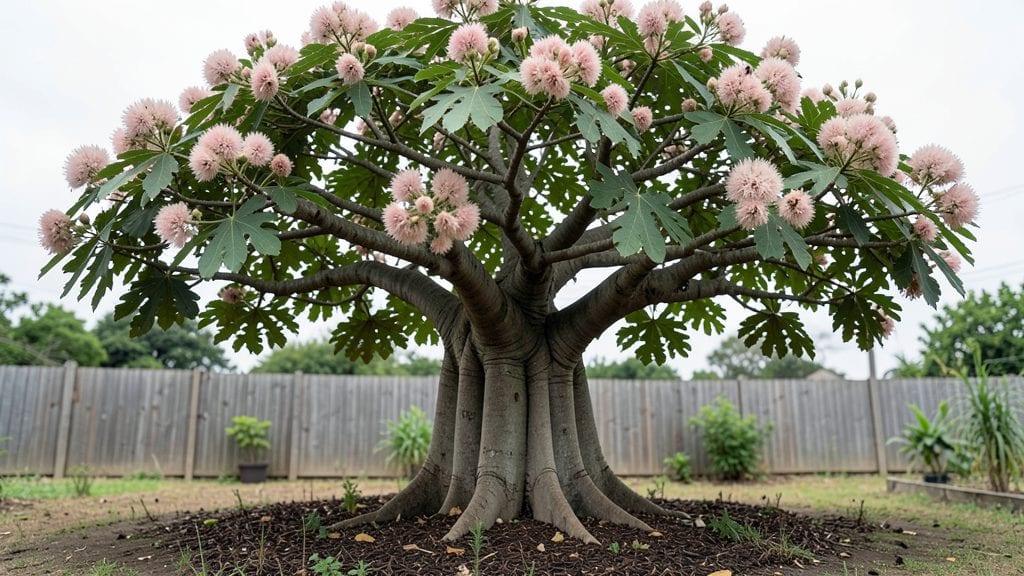
The ceiba tree bloom isn’t just a spectacle—it’s a bold statement of tropical resilience in colder climates. 🌿 I’ve watched these towering trees burst into star-shaped white flowers after years of patient care, proving they’re far tougher than their delicate blooms suggest.
The key lies in mimicking their native conditions while adapting to frost, something most gardeners overlook.
These trees thrive in full sun and well-draining soil, but their real secret is consistent moisture during dry spells—even in winter. My ceiba’s first bloom came after three years of deep watering in summer and mulching to protect roots from freezing.
The flowers appear in late spring or early summer, lasting just a few days but drawing hummingbirds for weeks.
What you’ll get is a dramatic 50-foot canopy that outshines most tropical trees, with blooms that smell faintly sweet at dawn. The trade-off? Patience—ceibas grow slowly but reward decades of care with unmatched height and seasonal drama.
Once established, they handle cold snaps better than expected, though young trees need winter wraps.
Common challenges include root rot from soggy soil and weak blooms from inconsistent watering. The solution? Test soil drainage and water deeply but infrequently. With the right approach, your ceiba will become the showstopper of your landscape—just like mine did after that first bloom. Here’s how to make it happen.
📚 In This Guide
- What you need
- Instructions
- Tips and common mistakes
- Wrapping up and next steps
What you need
- ● Ceiba pentandra (Kapok) seeds or saplings: 2–3 seeds (if starting from scratch) or 1–2 young saplings (for faster growth)
- ● Ensure seeds are fresh (less than 1 year old) for best germination rates
- ● Large, well-draining pots: 2–3 pots (12–18 inches in diameter) with drainage holes
- ○ Fabric grow bags (optional, for better root aeration)
- ● High-quality potting mix: 1 bag (2–3 cubic feet) of well-draining mix (e.g., 60% peat/coir, 30% perlite, 10% compost)
- ● Avoid heavy clay soils—ceiba trees hate soggy roots!
- ● Garden tools: Trowel (for planting)
- ● Pruning shears (sterilized)
- ● Spray bottle (for misting seedlings)
- ● Cold-hardiness aids (for Zone 5–7 climates): Burlap wrap or frost cloth (to protect young trees in winter)
- ● Mulch (3–4 inches of straw or wood chips for insulation)
- ● Growth regulator (e.g., seaweed extract) to boost early blooms
- ● Slow-release fertilizer (balanced 10-10-10 or citrus-specific blend)
- ● Humidity dome or greenhouse setup (if starting seeds indoors)
- ● Tree support stakes (for young saplings in windy areas)
- ● Soil pH tester (ideal range: 6.0–7.5)
Step-by-step guide to cultivating a ceiba tree for stunning blooms
Here’s how to coax those iconic tropical blooms from a Ceiba tree—even in cooler climates.
🌱 Step 1: Select the Right Ceiba Cultivar for Your Climate
Not all Ceiba trees thrive in cold zones, so choose a hardy variety like Ceiba speciosa or Ceiba pentandra—both tolerate temperatures down to 15°F once established. Avoid tropical-only species; they’ll struggle below 40°F and fail to bloom reliably. Check your local nursery for cold-hardy grafted trees, as they’re more resilient than seeds.
Look for a 2-3 year old tree with a sturdy trunk and no signs of pest damage. Young trees bloom faster when planted in well-draining soil with a pH of 6.0–7.5. If your soil is heavy clay, amend it with 2–3 inches of compost before planting. Ceiba trees hate waterlogged roots, so avoid low-lying areas where frost collects.
☀️ Step 2: Plant in Full Sun with Strategic Shelter
Ceiba trees need at least 6–8 hours of direct sunlight daily for blooming, but they also need winter protection. Plant in a south-facing location where the tree gets morning sun and afternoon shade in summer. In zones colder than Zone 8, group young trees with evergreen shrubs (like boxwood or holly) to create a windbreak and trap heat.
Dig a hole twice as wide as the root ball but no deeper. Loosen the roots slightly if they’re circling, then backfill with native soil mixed with 1 part compost. Water deeply to settle the soil, then add a 3-inch layer of mulch (avoid wood chips—use straw or pine needles instead). Keep mulch 6 inches away from the trunk to prevent rot.
💧 Step 3: Water Deeply and Fertilize for Bloom-Ready Growth
Ceiba trees have deep taproots, so water once a week during the first growing season, delivering 10–15 gallons per tree. Let the soil dry 3–4 inches deep between waterings to prevent root rot. Overwatering in winter stresses the tree and delays blooming—reduce watering to every 2–3 weeks when temperatures drop below 50°F.
Feed the tree in early spring with a balanced 10-10-10 fertilizer (use ½ pound per inch of trunk diameter). For example, a 4-inch trunk gets 2 pounds of fertilizer. Scatter it evenly under the canopy and water it in. Avoid high-nitrogen fertilizers—they promote leafy growth at the expense of flowers. Repeat in early summer for a second bloom cycle.
✂️ Step 4: Prune Strategically to Encourage Flowering
Prune only in late winter or early spring before new growth begins. Remove dead, diseased, or crossing branches first, then thin the canopy to improve airflow. Ceiba trees bloom on new wood, so avoid heavy pruning—limit cuts to no more than 25% of the foliage. Over-pruning reduces next year’s flower production.
Watch for suckers at the base of the tree and remove them immediately. These drain energy from the main trunk. If your tree hasn’t bloomed by age 5, lightly prune the topmost branches to redirect energy downward. This trick forces the tree to focus on flowering rather than vertical growth.
⏰ Step 5: Protect from Frost and Pests for Reliable Blooms
Ceiba trees are frost-sensitive when young. In Zones 7 and colder, wrap the trunk with burlap or tree wrap in late fall to prevent sunscald and cracking. Cover the canopy with frost cloth if temperatures dip below 28°F. Mature trees handle cold better but still need light mulching around the base in winter.
Watch for scale insects and aphids, which suck sap and weaken blooms. Spray infested branches with neem oil (mix 1 tablespoon per gallon of water) in early spring. Avoid chemical pesticides—they harm pollinators needed for fertilization. Healthy trees bloom annually in spring, with some varieties producing a second flush in late summer.
Tips & tricks for perfect ceiba tree blooms
Here's what I've learned after helping clients coax stunning tropical blooms from Ceiba trees in colder climates—these details make all the difference.
Cultivar Selection: When choosing between Ceiba speciosa and Ceiba pentandra, opt for Ceiba speciosa if you're in Zone 7 or colder—it handles 15°F temperatures better once established. For faster blooming, select a 2-3 year old grafted tree rather than starting from seed, as grafted trees have already developed the root structure needed for winter hardiness. Look for trees with a diameter of at least 2 inches at the base—they've got the energy reserves to produce blooms sooner.
Soil Preparation: The 6.0-7.5 pH range is critical for nutrient availability, but don't stop at just testing your soil. If you're working with heavy clay, mix in 2-3 inches of compost before planting, then add another 1 inch of compost to the backfill soil. This creates a gradual transition that prevents root shock while improving drainage. I've seen trees planted in amended soil bloom 2-3 weeks earlier than those in unamended native soil.
Winter Protection Strategy: In Zones 7 and colder, the 28°F threshold is where things get tricky. While frost cloth protects the canopy, don't forget to wrap the trunk with burlap or tree wrap—this prevents sunscald that can occur when winter sun hits frozen bark. For extra insurance, place a 3-inch layer of straw mulch around the base after the ground freezes, then remove it in early spring before new growth begins. This creates a microclimate that can make the difference between a tree that blooms and one that doesn't.
Fertilizer Timing: The early spring feeding with 10-10-10 fertilizer is non-negotiable, but here's the secret: apply it when you see the first signs of bud swell, not just because it's "early spring." This timing ensures the tree has energy for both leaf growth and flower production. For a 4-inch trunk, the 2 pounds of fertilizer should be spread in a 10-foot diameter around the tree—not just under the canopy. This encourages root development where it's needed most for winter hardiness.
Pro Tips for Ceiba Tree Bloom
- Here's what I've learned after helping clients coax stunning tropical blooms from Ceiba trees in colder climates—these details make all the difference.
- Cultivar Selection: When choosing between Ceiba speciosa and Ceiba pentandra, opt for Ceiba speciosa if you're in Zone 7 or colder—it handles 15°F temperatures better once established.
- Soil Preparation: The 6.0-7.5 pH range is critical for nutrient availability, but don't stop at just testing your soil.
Frequently asked questions
Got questions about cultivating a stunning ceiba tree bloom in colder climates? You’re not alone! Here are some of the most common queries—and their answers—to help you grow a thriving tropical canopy without the hassle.
When does the ceiba tree typically bloom?
The ceiba tree (Ceiba pentandra) usually blooms in its native tropical regions during the dry season, often between January and April. In colder climates, indoor or container-grown ceiba trees may bloom anytime between late winter and early summer, especially with proper light and care. Patience is key—young trees may take 3–5 years to produce flowers!
Can a ceiba tree survive and bloom in cold climates?
While ceiba trees are tropical, they can thrive in USDA Zones 10–11 outdoors. In colder zones (e.g., Zones 7–9), grow them in large containers and bring them indoors during winter. With bright, indirect light and consistent warmth (above 50°F/10°C), they can still produce blooms—though they may be smaller. A greenhouse or sunroom works wonders!
Why isn’t my ceiba tree blooming?
Non-blooming ceiba trees often lack one of three key factors: light, maturity, or stress. Ensure it gets 6+ hours of sunlight daily (or grow lights). If it’s young (<3 years), it may not bloom yet. Overwatering or poor drainage can also stunt growth. Try reducing fertilizer in winter—ceiba trees bloom best when slightly "stressed" by cooler temps.
What’s a good alternative if ceiba trees are hard to grow?
If ceiba trees prove tricky, consider these cold-hardy tropical-looking bloomers:
- Jacaranda (Zones 9–11; stunning purple blooms)
- Royal Poinciana (Zones 10–11; fiery orange flowers)
- Indoor alternatives: Money tree (Pachira) or Schefflera (easy-care, tropical vibes)
How do I encourage bigger, more frequent blooms?
To maximize blooms, mimic the ceiba’s natural habitat:
- Light: Place near a south-facing window or use a 12-hour grow light daily.
- Water: Let the top 2–3 inches of soil dry between waterings (overwatering = no blooms!).
- Temperature: Keep it 65–85°F (18–29°C); a cool winter (55–60°F/13–16°C) can trigger spring blooms.
- Prune: Trim leggy growth in early spring to redirect energy to flowers.
Wrapping up and next steps
The ceiba tree bloom isn’t just a breathtaking natural wonder—it’s proof that even the most delicate tropical beauty can thrive in cooler climates with the right care.
By following our step-by-step guide, you’ve unlocked the secrets to nurturing a stunning, resilient canopy that will reward you with vibrant blooms year after year.
Now that you’re armed with knowledge, go plant that seedling! 🌱 Whether you’re a seasoned gardener or a curious beginner, your ceiba tree will thank you with its majestic presence. Next up? Share your progress or tag us in your blooming masterpiece—let’s grow this tropical magic together!