
Trees
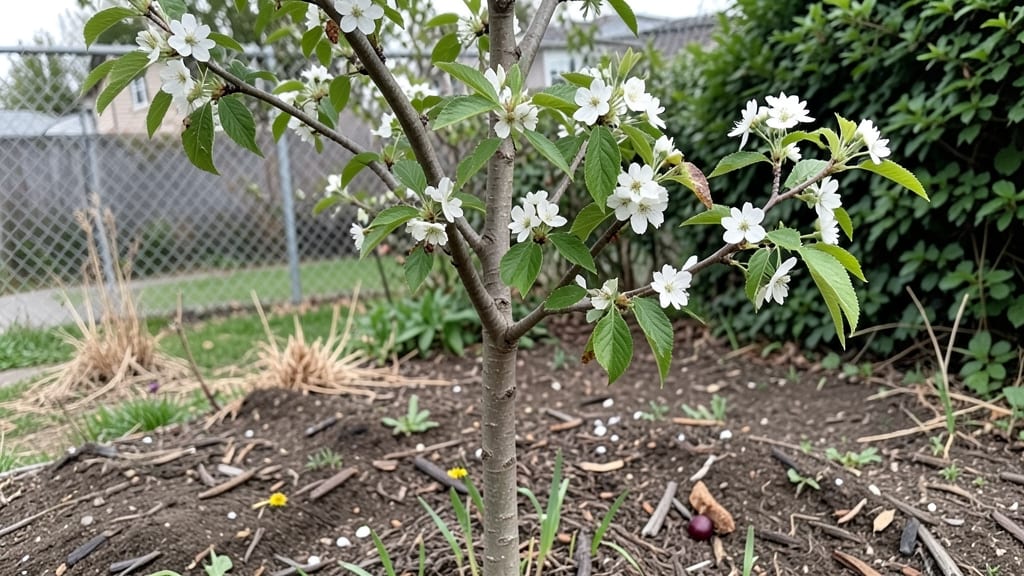
Ohio’s unpredictable winters and humid summers demand cherry trees that won’t quit—like the Montmorency tart or Stella sweet varieties that thrive despite frost and pests.
I’ve planted both in my backyard near Columbus, and the difference between a struggling tree and a productive one comes down to choosing the right variety for our climate.
The key is matching cold hardiness (zones 5-6) with disease resistance, because Ohio’s wet springs create the perfect storm for fungal issues.
The right spot makes all the difference: full sun (6+ hours daily), well-drained soil, and space (20-25 feet apart) prevent competition.
My first tree nearly failed because I planted it too close to a fence—now I use a soil test to check pH (6.0-6.5 is ideal) and add compost before setting roots. The payoff? Trees that fruit reliably year after year, even when neighbors’ plants struggle.
You’ll harvest tart cherries in late June and sweet varieties by mid-July, with flavors so rich they’ll make store-bought fruit taste bland. The secret is pruning in late winter (before buds swell) to open the canopy, and monitoring for black knot—a common Ohio pest.
With the right care, these trees reward patience with buckets of fruit for decades.
Ohio-specific resources like the Ohio State University Extension and local nurseries (like Baker Creek Heirloom Seeds) offer varieties bred for our climate. Start small with a dwarf variety if space is limited—my North Star tart cherry fits perfectly in a tight backyard and still produces heavily.
The first harvest will change how you think about growing fruit in Ohio.
📚 In This Guide
- What you need
- Instructions
- Tips and common mistakes
- Wrapping up and next steps
What you need
- ● Cherry tree saplings: Choose cold-hardy varieties like Montmorency, Stella®, or Meteor (dwarf or standard sizes). Ohio’s USDA Zones 5-6 mean you’ll want trees labeled Zone 4-7 for reliability.
- ● Shovel or tree spade: For digging planting holes (12–18 inches wide and deep). A post-hole digger works well for smaller saplings.
- ● Compost or well-aged manure: 5–10 gallons to enrich the soil. Ohio’s clay-heavy soil benefits from organic matter for drainage.
- ● Mulch (wood chips or straw): 2–3 inches to retain moisture and regulate soil temperature. Avoid piling mulch against the trunk.
- ○ Tree stakes & ties (optional but recommended): For young trees in windy areas. Use biodegradable ties to avoid girdling.
- ● Pruning shears or loppers: For shaping and removing dead branches. Sterilize blades with rubbing alcohol to prevent disease.
- ● Drip irrigation or hose with nozzle: For consistent watering. Cherry trees need 1–1.5 inches of water per week during growing seasons.
- ● Fertilizer (balanced 10-10-10 or citrus-specific): Apply in early spring and summer as needed. Follow package rates for young trees.
- ● Sunlight: A full-sun location (6–8+ hours/day). Ohio’s partial shade in summer can reduce fruit production.
- ● Soil pH: Test your soil (ideal pH: 6.0–6.5). Amend with lime if too acidic or sulfur if alkaline.
- ● Spacings: Tree Type Spacing (feet) Standard trees 20–25 Dwarf trees 10–15
- ● Pollination: Most Ohio-friendly cherries are self-pollinating, but planting two varieties improves yields.
- ● Cross-contamination warning: Avoid planting near sour cherries if you grow sweet cherries (and vice versa) to prevent cross-pollination issues.
- ● 🌡️ Late frost protection: Cover blossoms with frost cloth if late frosts (common in Ohio’s spring) threaten your trees.
- ● ✨ Disease resistance: Look for varieties labeled resistant to brown rot (a common Ohio cherry pest).
- ● 🚫 Avoid overwatering: Cherry trees hate soggy roots. Ensure proper drainage, especially in Ohio’s heavy clay soils.
Step-by-step guide to planting and caring for cold-hardy cherry trees in Ohio
Ohio’s climate demands careful cherry tree selection and planting techniques for long-term success.
Choose the Right Variety for Ohio’s Zone 5-6 Climate
Select tart cherries over sweet varieties—they’re far more cold-hardy and reliable in Ohio’s winters. Look for named cultivars like ‘Montmorency,’ ‘Stella,’ or ‘Balaton,’ all rated for USDA Zones 4-6. These varieties survive -20°F to -30°F without winter injury, a critical factor when spring freezes threaten early blooms.
If you want sweet cherries, focus on ‘Stella’ or ‘Lapins,’ which handle Ohio’s erratic spring weather better than traditional sweet varieties. Avoid late-blooming types—they’re more vulnerable to late frosts. Check with your local Ohio State University Extension office for updated variety recommendations, as research continually refines cold-hardiness data.
Plant in Early Spring or Fall for Optimal Establishment
Plant your cherry tree in early spring (March-April) or fall (October-November), when soil is workable but not frozen. Fall planting gives roots time to establish before winter, while spring planting avoids drought stress during summer’s first year. Dig a hole twice as wide as the root ball but no deeper—cherry trees hate sitting in low spots where water pools.
Amend the native soil with 2-3 inches of compost mixed into the bottom of the hole. Ohio’s clay-heavy soils benefit from this organic matter, improving drainage while retaining moisture. Place the tree so the graft union (visible bulge near the base) sits 2-3 inches above soil level. This prevents root rot and ensures the tree’s hardiest part survives winter.
Water Deeply and Mulch to Protect Roots
Water the tree deeply every 7-10 days during the first growing season, aiming for 1-1.5 inches of water per week. Ohio’s summer heat and clay soil can dry roots out quickly. Use a soaker hose to deliver water slowly at the base—avoid overhead sprinkling, which spreads fungal diseases like brown rot. Check moisture by digging 2 inches down; soil should feel damp but not soggy.
Apply 3-4 inches of wood chip mulch in a 3-foot diameter ring around the tree, keeping mulch 6 inches away from the trunk. This mimics natural forest conditions, regulating soil temperature and reducing weed competition. Refresh mulch annually in early spring, as Ohio’s winter winds scatter it easily. Never pile mulch against the trunk—this invites rot and pests.
Prune for Structure and Disease Prevention
Prune your cherry tree in late winter (February-March), before buds swell but before sap flow peaks. Remove dead, crossing, or diseased branches first—cherry trees are prone to silver leaf disease and bacterial canker, both of which spread through open wounds. Sterilize pruners with 70% isopropyl alcohol between cuts to prevent cross-contamination.
Shape the tree by opening the canopy to allow sunlight and airflow—this reduces humidity in the center where fungal spores thrive. Limit pruning to no more than 25% of the tree’s foliage in any single year. Ohio’s humid summers demand this cautious approach; aggressive pruning stresses trees and invites disease. Thin out water sprouts (vertical shoots) as they appear, as these drain energy from fruit production.
Fertilize and Monitor for Pests/Diseases
Apply a balanced 10-10-10 fertilizer in early spring at a rate of ½ pound per inch of trunk diameter. For a young tree, this typically means 1-2 cups spread evenly under the drip line. Ohio’s clay soil often lacks phosphorus, which is critical for root development and fruit set. Avoid high-nitrogen fertilizers—they promote leafy growth at the expense of fruit production.
Watch for cherry fruit flies and Japanese beetles, two common Ohio pests. Use row covers for young trees or apply neem oil as a preventative spray in late spring. For fungal diseases like powdery mildew, spray with copper fungicide at the first sign of white powder on leaves. Ohio’s humid summers create ideal conditions for these issues, so proactive monitoring saves trees from decline.
Tips & tricks for perfect cold-hardy cherry trees in Ohio
Ohio's challenging climate makes these expert strategies essential for thriving cherry trees that produce reliably year after year.
Variety Selection Wisdom: When choosing between tart and sweet varieties, consider bloom timing as your primary factor. Tart cherries like 'Montmorency' bloom later than most sweet varieties, which gives them a better chance of avoiding Ohio's notorious spring frosts that can occur as late as April. The -20°F to -30°F cold hardiness rating for these varieties is crucial—it means they can survive Ohio's harshest winters without winter injury to the wood, but you'll still want to protect blossoms during spring freezes using frost cloths or sprinkler systems if available.
Planting Timing Strategy: The early spring (March-April) and fall (October-November) planting windows are non-negotiable for Ohio's climate. Spring planting avoids winter desiccation while fall planting allows roots to establish before winter's arrival. Here's what I've learned: if you must plant in late fall, do so at least 6 weeks before the first hard frost to allow roots to knit together. For spring planting, time it so the tree has several weeks of warm weather before summer's heat arrives.
Soil Preparation Technique: Ohio's clay-heavy soils are notorious for poor drainage and compaction. The 2-3 inches of compost mixed into the planting hole is just the beginning. For established trees, consider adding a 1-inch layer of compost annually around the drip line in early spring. This improves soil structure over time and creates a more hospitable environment for root growth. The graft union placement 2-3 inches above soil level is particularly important in Ohio's wet winters—it prevents water from pooling against the trunk.
Pruning Precision: The late winter (February-March) pruning window is perfect for Ohio's climate because it allows you to see the tree's structure before buds swell, but still avoids the sap flow that occurs in true spring. When pruning, focus on creating an open vase shape that allows sunlight to penetrate to the center of the tree. This is especially important in Ohio's humid summers, where fungal diseases like silver leaf thrive in shaded, damp conditions. Remember that the 25% foliage limit applies to the entire tree, not per branch.
Pro Tips for Cherry Trees In Ohio
- Ohio's challenging climate makes these expert strategies essential for thriving cherry trees that produce reliably year after year.
- Variety Selection Wisdom: When choosing between tart and sweet varieties, consider bloom timing as your primary factor.
- Planting Timing Strategy: The early spring (March-April) and fall (October-November) planting windows are non-negotiable for Ohio's climate.
Frequently asked questions
Got questions about growing cherry trees in Ohio? You’re not alone! Here are some of the most common concerns—plus expert-backed answers to help you plant with confidence.
What are the coldest-hardy cherry tree varieties for Ohio’s winters?
Ohio’s Zone 5-6 climate calls for Prunus avium (sweet cherries) like Montmorency (sour) or Stella (sweet), which tolerate down to -20°F. For sour cherries, Meteor is a top pick—it thrives in colder regions and resists cracking. Always check your microclimate, though!
When is the best time to plant cherry trees in Ohio?
Late fall (November) or early spring (March–April) are ideal. Planting in dormant season lets roots establish before summer heat. Avoid planting in extreme cold (below 20°F) or during Ohio’s humid summers, which can stress young trees. Pro tip: Soak roots before planting for 1–2 hours!
What pests or diseases should I watch for in Ohio cherry trees?
Ohio’s cherry trees often face cherry leaf spot (fungus causing brown spots) and borers (larvae tunneling into bark). Prevent leaf spot with copper fungicide in spring. For borers, wrap trunks with burlap treated with neem oil. Prune infected branches immediately to stop spread.
Can I grow cherry trees in containers, or do they need ground planting?
While possible, container-grown cherries are tricky—they need 50+ gallons per tree and dwarf varieties like ‘Black Tartarian’. Containers limit root growth, reducing cold hardiness and fruit yield. For best results, plant in well-draining soil with a 10-foot diameter root zone.
How long does it take for a cherry tree to bear fruit in Ohio?
Most Ohio cherry trees take 4–7 years to produce fruit, depending on variety and care. Dwarf trees (like ‘Balaton’) may fruit sooner (3–5 years), while standard trees can take up to a decade. Patience pays off—consistent watering and pruning speed up maturity!
What’s the best pollination partner for my Ohio cherry tree?
Sweet cherries (Prunus avium) need cross-pollination—plant at least two compatible varieties (e.g., Stella + Van). Sour cherries (Prunus cerasus) like Montmorency are self-fertile but yield more with a partner like Meteor. Space trees 30–50 feet apart for optimal pollination.
Wrapping up and next steps
Ohio’s cherry trees offer a rewarding blend of beauty and bounty, especially with cold-hardy varieties like Montmorency or Stella. Whether you’re a seasoned gardener or a first-time planter, these trees thrive in Ohio’s climate, delivering sweet rewards with minimal fuss. 🌸
Ready to plant your own cherry tree? Start by choosing the right variety for your zone, then gather your tools and soil amendments. Now’s the perfect time to take action—your future harvests are waiting! 🍒🌱