
Pruning
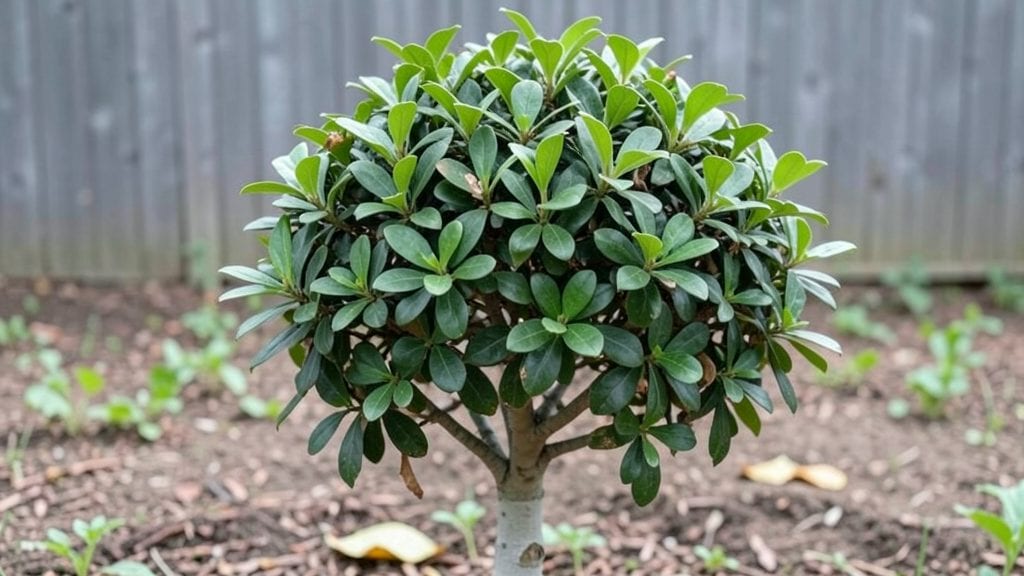
Pruning your Chinese ball tree isn't just about trimming—it's about unlocking that lush, year-round growth you fell in love with when you brought it home. 🌿 I’ve pruned mine every season for five years, and the difference between a leggy, sparse plant and one bursting with fresh green clusters comes down to a few strategic cuts at the right time.
The key is timing and technique: prune just after blooms fade in spring and again lightly in summer to encourage bushier growth. You’ll need sharp bypass pruners, rubbing alcohol for sterilizing cuts, and a steady hand—no guesswork here.
Over-pruning kills the plant; under-pruning leaves it looking sad. The goal is balanced shape without sacrificing foliage.
What you’ll end up with is a thriving Chinese ball tree that stays full and vibrant, even in low-light conditions. New growth emerges within weeks, and those signature umbrella-shaped clusters return bigger and brighter.
The secret? Cutting back one-third of the oldest stems each year keeps the plant energized and prevents bare spots.
Works just as well indoors by a sunny window as it does outdoors in mild climates. Whether you’re dealing with a 6-foot indoor statement piece or a compact patio plant, the same principles apply. Let’s get those shears sharp and those stems trimmed—your tree’s revival starts now.
📚 In This Guide
- What you need
- Instructions
- Tips and common mistakes
- Wrapping up and next steps
What you need
- ● Pruning shears: Bypass pruners (sharp, clean, and sterilized with rubbing alcohol) for clean cuts on smaller branches.
- ● Loppers: 8–12 inch loppers (for thicker branches, up to 1.5 inches in diameter).
- ● Hand pruners: Small, sharp pruners for delicate trimming of new growth or dead blooms.
- ● Gloves: Heavy-duty gardening gloves (to protect from thorns and sap).
- ○ Pruning saw: Optional but helpful for branches thicker than 2 inches.
- ● Disinfectant: 70% isopropyl alcohol or a 10% bleach solution (to sterilize tools between cuts and prevent disease).
- ● Sharpie or marker: For labeling branches if you’re experimenting with shaping.
- ● Extension pole: For reaching higher branches without straining.
- ● Pruning sealer: (Not always necessary for Chinese Ball Trees, but useful for larger wounds to prevent decay.)
- ● Bucket or tarp: To collect clippings for composting or disposal.
- ● Ladder: If your tree is taller than 6 feet (ensure it’s stable and safe!).
- ● Notebook & pen: To jot down notes on pruning techniques or seasonal adjustments.
Step-by-Step instructions for reviving your Chinese ball tree
Here's how I bring these stunning plants back to full bloom—no guesswork, just precise cuts.
✂️ Step 1: Assess Growth and Identify Dead or Weak Wood
Start by examining your Chinese ball tree from top to bottom. Look for branches that are completely bare, brown, or brittle—these won't recover. Healthy growth should have small leaves clustered along the stems, even if sparse. I run my fingers along each branch to feel for stiffness (dead) versus slight flexibility (alive).
Don't worry if your tree looks skeletal—this is the first step toward revival. Focus on the stems that still show any sign of life, even just a few tiny leaves. These are your starting points for new growth. If you're unsure, gently tug a small branch—if it snaps easily, it's dead; if it resists slightly, it might still be salvageable.
✂️ Step 2: Make Clean Cuts at the Right Angles
Using your sharp pruning shears, cut just above a leaf node where new growth can emerge. I angle my cuts slightly downward to prevent water from pooling on the wound. For dead branches, cut back to the nearest healthy growth point or to the main trunk if no healthy wood remains. Never leave stubs—this invites disease.
Here's the thing—Chinese ball trees respond best to cuts made in early spring, but you can prune lightly anytime. If you're doing a major overhaul, space cuts over two sessions about 6 weeks apart. This gives your plant time to recover between pruning stress and new growth. After each cut, wipe your shears with rubbing alcohol to prevent spreading any potential pathogens.
☀️ Step 3: Position for Optimal Light and Airflow
After pruning, move your Chinese ball tree to a location with bright, indirect light—think east or west-facing windows. Direct afternoon sun can scorch new growth, so if that's your only option, use a sheer curtain to diffuse the light. You'll notice new leaves emerging within 4-6 weeks if the light is right; they'll be small and tender at first.
Improve airflow by placing your tree where it won't be crowded by other plants. Good circulation prevents fungal issues that can set in after heavy pruning. If you're keeping it indoors, consider a small fan on low setting near the plant for 10-15 minutes daily—this mimics outdoor conditions and strengthens stems. Watch for new shoots forming at the nodes where you made cuts; these are your plant's way of telling you it's recovering.
🌿 Step 4: Encourage New Growth with Targeted Care
Water your tree deeply but only when the top 2 inches of soil feel dry. Overwatering after pruning can drown new roots trying to establish. I use room-temperature water to avoid shocking the system. Fertilize lightly with a balanced 10-10-10 formula diluted to half strength every 4 weeks during active growth (spring through summer). Stop fertilizing in fall and winter.
Real talk: Your tree might drop a few leaves at first—that's normal as it adjusts. But if you see new leaves forming within 8-12 weeks, you're on the right track. For extra encouragement, mist the new growth occasionally with water to increase humidity, especially if your home has dry air. Avoid heavy pruning again until you see at least 3 inches of new growth on the remaining branches.
Tips & tricks for reviving your Chinese ball tree
Precision cuts and patient care make all the difference when bringing your Chinese ball tree back to life.
Pruning Strategy: In Step 2, when making your cuts, focus on removing no more than one-third of the tree's foliage at a time. This prevents shock and gives your plant energy to focus on new growth. I've seen dramatic results when I prune in stages—first removing dead wood, then waiting 6 weeks before tackling any remaining weak branches. This gradual approach mimics how the tree would naturally recover in its native habitat.
Light Positioning: After pruning, Step 3's bright indirect light requirement is critical. Place your tree within 3 feet of an east-facing window for morning sun, which is gentler than afternoon rays. If you notice new leaves curling or turning yellow within 4-6 weeks, it's a sign of too much direct sun—adjust with sheer curtains or move it back slightly. The goal is to create an environment where leaves stay small but vibrant, not crispy.
Recovery Timeline: The 8-12 week window mentioned in Step 4 is when you'll see the most dramatic changes. During this time, I recommend checking soil moisture every 5-7 days rather than sticking to a rigid schedule. New roots are establishing, and they need consistent moisture without being waterlogged. If you're impatient, resist the urge to prune again—your tree needs all its energy focused on recovery, not new cuts.
Optional Growth Boosters: For extra encouragement during the recovery phase, consider adding a humidity tray (a shallow tray with pebbles and water) under your tree's pot. This creates a microclimate that mimics tropical conditions where Chinese ball trees thrive naturally. Just keep the pot's base above the water to prevent root rot. You'll notice new shoots forming at the nodes where you made cuts within 6-8 weeks if humidity levels stay above 50%.
Pro Tips for Chinese Ball Tree
- Precision cuts and patient care make all the difference when bringing your Chinese ball tree back to life.
- Pruning Strategy: In Step 2, when making your cuts, focus on removing no more than one-third of the tree's foliage at a time.
- Light Positioning: After pruning, Step 3's bright indirect light requirement is critical.
Frequently asked questions
Got questions about keeping your Chinese Ball Tree (Brachychiton populneus) thriving with precision pruning? Here are answers to the most common concerns—so you can enjoy those lush, round canopies year-round!
When is the best time to prune my Chinese Ball Tree?
The ideal time is late winter to early spring (just before new growth starts). However, light pruning can be done in summer or fall to shape the tree—just avoid heavy cuts during extreme heat or cold. Pro tip: If you notice leggy branches, prune them back in early spring to encourage denser foliage!
How much can I safely trim without harming the tree?
You can remove up to 25-30% of the tree’s foliage in one session, but avoid cutting back more than 1/3 of the canopy at once. Focus on dead, diseased, or crossing branches first. For shaping, trim outer branches to maintain the tree’s iconic round shape—just never cut into old wood (the tree won’t regrow leaves there).
What should I do if my Chinese Ball Tree isn’t blooming after pruning?
If your tree isn’t flowering, check these factors:
- Sunlight—it needs full sun (6+ hours/day) for blooms.
- Pruning timing—heavy cuts in summer or fall can delay flowers.
- Age—young trees (under 5 years) may not bloom yet. Feed with phosphorus-rich fertilizer in early spring to encourage flowers!
Are there alternatives to pruning if my tree looks messy?
If you’re hesitant about pruning, try these low-maintenance fixes:
- Thinning: Remove only the innermost branches to improve airflow (no major cuts needed).
- Fertilizing: Use a balanced 10-10-10 fertilizer in spring to boost growth.
- Mulching: Add 2-3 inches of mulch to retain moisture and reduce stress.
But for the iconic round shape, pruning is the best solution!
Why are my Chinese Ball Tree’s leaves turning yellow after pruning?
Yellow leaves usually mean over-pruning or stress. If you trimmed too aggressively, the tree may drop leaves to focus on recovery. Fix it by:
- Watering deeply but infrequently (let soil dry between waterings).
- Avoiding fertilizer for 4-6 weeks to reduce stress.
- Ensuring well-draining soil—these trees hate soggy roots!
New growth should return in 4-6 weeks if conditions are right.
Wrapping up and next steps
The Chinese Ball Tree (Kolreuteria bipinnata) thrives on precision pruning—whether you’re shaping its lush foliage or coaxing year-round blooms.
By mastering the right techniques, timing, and tools, you’ll transform your tree into a vibrant centerpiece that rewards both effort and patience. Remember: consistency is key, and even small adjustments can yield big results!
Ready to give your tree the care it deserves? Start small—try one pruning session this weekend! 🌿 With each snip, you’re not just trimming branches; you’re nurturing a masterpiece. Happy pruning!