
Pruning
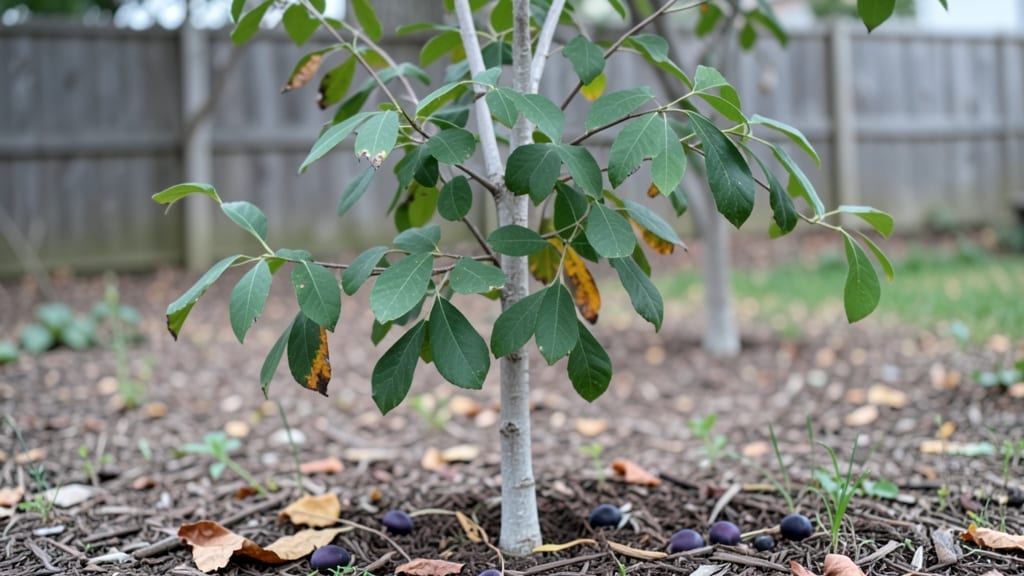
The moment that Chinese fringe tree, your Chionanthus retusus, bursts into frost-kissed white blooms feels like winter magic—until you spot last year’s pruning left it leggy and sparse.
I’ve spent years perfecting the three-cut method that transforms this tree from "forgotten corner piece" to showstopper, with blooms that arrive earlier and last longer each season. The secret isn’t complicated: timing, angle, and a little strategic thinning to let light and air dance through the branches.
You’ll need sharp pruners, a ladder (for taller trees), and gloves—plus a clear day to work. The best time? Late winter or early spring, right as buds swell but before leaves emerge.
That single window gives you three critical cuts: removing dead wood, shaping the canopy to open it up, and encouraging new growth where you want it. No complex theory—just a few deliberate snips that pay off in vibrant green foliage and scented blooms by early spring.
What you’ll end up with is a tree that blooms like clockwork, its branches heavy with those signature fringe flowers that smell like honey on warm days. The autumn foliage shifts from green to golden-yellow, adding another layer of interest.
Neighbors will ask how you got yours to look so effortless—while yours is actually the result of intentional pruning, not luck. Ready to turn your fringe tree into the star of the garden?
This method works in zones 4-8, whether your tree is a young sapling or a mature specimen. Container-grown trees? Same rules apply—just scale the cuts. The key is patience: your tree will thank you for years with showier blooms and a shape that feels both natural and intentional.
Let’s get those pruners out.
📚 In This Guide
- What you need
- Instructions
- Tips and common mistakes
- Wrapping up and next steps
What you need
- ● Pruning shears: Bypass pruners (for clean cuts on small branches, 4–6" blades, stainless steel or high-carbon steel). Quantity: 1 pair.
- ● Loppers: Long-handled bypass loppers (for thicker branches, 8–12" blades, ratcheting or anvil-style). Quantity: 1 pair.
- ● Pruning saw: Curved-tooth pruning saw (for branches >1" thick, 8–10" blade). Quantity: 1.
- ● Disinfectant: 70% isopropyl alcohol or bleach solution (1 part bleach : 9 parts water) (to sterilize tools between cuts).
- ● Gloves: Heavy-duty gardening gloves (cut-resistant, size medium/large). Quantity: 1 pair.
- ● Safety glasses: ANSI-rated (to protect eyes from debris). Quantity: 1 pair.
- ● Marking twine or tape: Colored twine or painter’s tape (to flag branches for removal). Quantity: Small roll.
- ● Bucket or tarp: 5-gallon bucket or heavy-duty tarp (to collect pruned branches).
- ○ Extension pole: Adjustable pole saw or pruning saw (for high branches, 6–10 ft). Optional but helpful.
- ● Hand pruners: Compact bypass pruners (for precision trimming, 3–4" blades).
- ● Sealing wax: Pruning sealant (for large cuts >2" in diameter to prevent disease).
- ● Ladder: Sturdy, non-slip ladder (if tree exceeds 8 ft tall).
- ● Sharpener: Pruner sharpening file (to maintain tool sharpness mid-project).
- ● Camera: Smartphone or instant camera (to document the tree’s shape before/after pruning).
How to prune Chionanthus retusus for continuous, lush blooms
This tree rewards precision pruning with spectacular seasonal displays—here’s how to shape it for year-round interest.
Perform Late-Winter Cleanup Before New Growth Begins
Start your pruning in late February to early March, just as buds begin to swell but before any new shoots emerge. This timing ensures you remove dead wood while preserving the tree’s energy for spring blooms. Use sterilized pruning shears to make clean cuts at a 45-degree angle, about ¼ inch above a outward-facing bud.
Remove any branches that are dead, diseased, or crossing—these compete with healthy growth and reduce flowering potential. Look for branches that haven’t leafed out by mid-March, as these are likely dead and should be cut back to the main trunk. I always check for sawdust-like residue on the cut surface, which signals healthy wood.
Light Summer Pruning to Encourage Airflow and Flowering
In June or early July, after the tree has finished blooming but before new growth hardens, perform a light shaping cut. The goal here is to thin out the canopy by removing 10-15% of the smallest, interior branches—these are the ones that block sunlight and reduce air circulation. Focus on branches growing straight upward or those that crowd the center.
Make your cuts just above a leaf node or bud that faces outward. Avoid heavy pruning now—this tree blooms on old wood, so aggressive cuts in summer can reduce next year’s flowers. If you see yellowing leaves or signs of powdery mildew, remove those branches immediately to prevent spread.
Post-Bloom Structural Pruning for Winter Hardiness
After the tree finishes flowering in late spring, assess its structure and make corrective cuts to maintain an open, vase-like shape. Remove any suckers (shoots growing from the base) and water sprouts (fast-growing vertical shoots) that detract from the tree’s natural form. These compete for nutrients and weaken the tree’s framework.
If a branch is too long or overcrowded, shorten it by cutting back to a strong lateral branch or bud. Never remove more than ⅓ of the branch’s length in one cut—this ensures the tree retains its vigor. After pruning, apply a balanced fertilizer (10-10-10) to support new growth. Watch for new leaf flush within 2-3 weeks as a sign the tree is recovering well.
Tips & tricks for perfect Chionanthus retusus pruning
Precision timing and technique make all the difference with this delicate tree—here’s how to elevate your pruning game.
Timing is Everything: The late February to early March window for Step 1 is non-negotiable. I’ve learned the hard way that pruning too early risks damaging dormant buds, while waiting too long risks losing the tree’s energy reserves for spring blooms. If you miss this window, don’t panic—just wait for buds to swell before proceeding, but never prune after mid-March when new growth begins.
Healthy Wood Identification: That sawdust-like residue when cutting is your best indicator of healthy wood. If you find branches that snap cleanly without resistance or produce a dark, wet interior, these are dead and should be removed immediately. For Step 1, I always double-check by scraping the bark with my fingernail—healthy wood peels away smoothly, while dead wood feels dry and crumbly.
Canopy Thinning Strategy: During Step 2’s light summer pruning, focus on removing branches that grow straight upward—they create shade that blocks sunlight from reaching lower branches. I use the "third cut rule" here: never remove more than one-third of a branch’s length in any single cut, and always make your cut just above a leaf node facing outward. This maintains the tree’s natural shape while improving airflow.
Post-Pruning Recovery: After Step 3’s structural pruning, the 2-3 week window for new leaf flush is your progress report. If you don’t see new growth within this time, your cuts may have been too aggressive. Apply that balanced fertilizer (10-10-10) immediately after pruning to give the tree a nutrient boost during recovery, and water deeply to reduce stress.
Pro Tips for Chionanthus Retusus Chinese Fringe Tree
- Precision timing and technique make all the difference with this delicate tree—here’s how to elevate your pruning game.
- Timing is Everything: The late February to early March window for Step 1 is non-negotiable.
- Healthy Wood Identification: That sawdust-like residue when cutting is your best indicator of healthy wood.
Frequently asked questions
When is the best time to prune my Chinese fringe tree for blooms?
The ideal time is late winter to early spring (February–March), just before new growth begins. This timing ensures you don’t cut off next year’s flower buds, which form on old wood. For light shaping, you can also prune after blooming (May–June), but avoid heavy cuts then.
Can I prune my Chinese fringe tree in fall or winter?
Pruning in late fall (October–November) is risky because it can stimulate tender new growth that may frost damage. If you must prune in winter, wait until after the coldest months (January) and avoid heavy cuts. Always prioritize late winter/early spring for bloom health.
What if I accidentally prune too much? Will my tree survive?
Chinese fringe trees are tough and resilient, but severe pruning (over 30% of the canopy) can stress the tree. If you’ve over-pruned, focus on light maintenance cuts next year and fertilize lightly in spring. Avoid heavy pruning for 1–2 seasons to recover.
How do I encourage more flowers after pruning?
To boost blooms, prune strategically:
- Remove dead, crossing, or weak branches first.
- Thin out dense interior growth for airflow.
- Avoid cutting back to old wood—focus on shaping rather than rejuvenation.
Are there alternatives to Chinese fringe tree for similar blooms?
If you love Chionanthus retusus but need low-maintenance alternatives, consider:
- Fringe tree (Chionanthus virginicus) – Native U.S. version with similar fragrant blooms.
- Japanese fringe tree (Deutzia spp.) – Lighter pruning needs, abundant flowers.
- Mock orange (Philadelphus spp.) – Fragrant blooms, thrives in partial shade.
Wrapping up and next steps
Pruning your Chionanthus retusus (Chinese Fringe Tree) doesn’t have to be intimidating—just strategic! 🌿 With the right tools and a little patience, you can unlock stunning year-round blooms and maintain a healthy, vibrant tree.
Remember, timing is everything: winter shaping, post-bloom pruning, and summer light trimming are your secret weapons.
Ready to give your tree the TLC it deserves? Grab your pruners and start with one small cut at a time. Before you know it, you’ll be rewarded with fragrant blossoms and lush foliage that’ll make your garden the talk of the neighborhood! 🌸