
Pruning
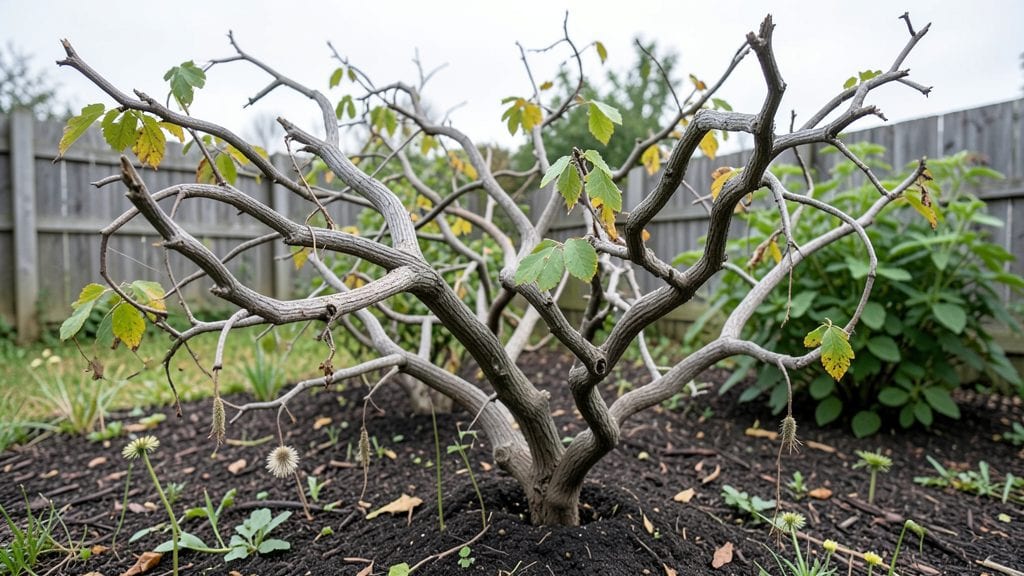
The Corylus avellana contorta tree—also known as Harry Lauder’s Walking Stick—is one of nature’s most striking creations, with its sinuous, twisted branches that seem to dance across the garden. 🌿 I’ve grown mine for years in the Pacific Northwest, and its dramatic form makes it a standout even in winter when the leaves fall away.
The key to keeping it thriving lies in understanding its unique growth habits and how to shape it without damaging those iconic curls.
This tree thrives in partial shade to full sun, making it perfect for woodland gardens or as an accent piece in mixed borders. It’s surprisingly adaptable to different soil types, though it prefers well-draining, slightly acidic conditions—common in our region.
Once established, it’s low-maintenance, but the first few years set the foundation for its signature twisted silhouette. The secret? Light pruning in late winter to encourage dense branching while preserving its natural shape.
What you’ll love most is how it transforms throughout the seasons—spring’s fresh green leaves, summer’s delicate catkins, and winter’s bare, sculptural branches. With the right care, it grows 3–6 feet tall over time, making it ideal for small gardens or as a focal point in larger landscapes.
The branches are also perfect for floral arrangements or winter interest, adding texture and drama to any space.
Now, let’s dive into the specifics: from planting to pruning, so you can cultivate this striking tree with confidence. Whether you’re starting from seed or a cutting, the process is simpler than you might think—and the payoff is unforgettable.
📚 In This Guide
- What you need
- Instructions
- Tips and common mistakes
- Wrapping up and next steps
What you need
- ● Pruning shears: Bypass pruners (sharp, clean, and disinfected with rubbing alcohol). Quantity: 1 pair (or 2 if working on a large tree).
- ● Loppers: For thicker branches (1–2 inches in diameter). Quantity: 1 pair.
- ● Hand saw: Pruning saw with a fine-toothed blade for stubborn branches. Quantity: 1.
- ● Rubbing alcohol (70% or higher): For sterilizing tools between cuts. Quantity: Small bottle.
- ○ Pruning sealant: Optional but helpful for larger wounds (e.g., Tanglefoot Tree Wound Pruning Seal). Quantity: Small tube.
- ● Gloves: Heavy-duty gardening gloves (to protect from thorns and sap). Quantity: 1 pair.
- ● Ladder or step stool: For reaching higher branches safely. Height: Adjustable to 6–10 feet.
- ● Trash bags or bucket: For collecting pruned branches. Quantity: 1–2.
- ● Extension pole pruners: For high branches without a ladder.
- ● Tree tie or zip ties: To support weak or newly shaped branches temporarily.
- ● Camera or sketchpad: To plan cuts before you start (great for beginners!).
- ● Mulch or compost: To replenish the soil after pruning.
Step-by-Step guide to pruning your twisted hazelnut tree
Here's how I keep my contorted filbert's wild, sculptural shape while keeping it healthy.
✂️ Step 1: Time Your Pruning for Pacific Northwest Conditions
Prune your Corylus avellana contorta in late winter or early spring—just as buds begin to swell but before new growth starts. This timing prevents disease spread and lets you see the tree's natural structure clearly. The Pacific Northwest's mild winters mean you can work until March or early April without risking frost damage.
I avoid pruning in fall because wet conditions encourage fungal infections. If you must prune later, wait until September when the tree has finished its main growth cycle. Never prune during drought stress—wait until soil moisture returns to normal.
✂️ Step 2: Assess the Tree's Natural Twists and Weak Points
Examine your tree closely, following each branch's natural spiral pattern. The goal is to enhance its contorted form while removing only what's absolutely necessary. Look for branches that cross or rub against each other—they'll eventually create wounds where disease can enter.
Remove any dead, diseased, or broken branches first using clean, sharp pruning shears. Make cuts just outside the branch collar where the branch meets the trunk. You'll see a slight swelling there—that's where the tree naturally seals wounds. For thicker branches, use three-cut pruning to prevent bark tearing.
✂️ Step 3: Shape with Strategic Cuts
For structural shaping, focus on branches that spoil the tree's natural twist. Cut back to a bud or lateral branch that maintains the contorted shape. Never remove more than one-third of the tree's foliage in a single season—this can stress the plant.
I like to make my cuts at a 45-degree angle just above an outward-facing bud. This encourages new growth in the direction I want. For very thick branches, make the final cut just outside the branch collar to prevent tearing. Remember, this tree's beauty comes from its natural contortions—your goal is to highlight, not create, the twists.
🌿 Step 4: Clean and Protect Your Pruned Tree
After pruning, sterilize your tools with 70% rubbing alcohol or a 10% bleach solution to prevent disease spread. Remove all pruned material from the area—don't leave branches on the ground where they can harbor pests.
Apply a light mulch around the base of the tree using the 2 inches of organic mulch you've prepared. This helps retain moisture and protects roots during the Pacific Northwest's wet winters. Water deeply after pruning to help the tree recover and establish new growth.
Tips & tricks for pruning your twisted hazelnut tree
Here's what I've learned after years of shaping my contorted filbert without damaging its signature twists.
Timing Secret: Those late winter to early spring dates in Step 1 are non-negotiable for Pacific Northwest growers. The tree's natural dormancy makes it resilient, but pruning too early risks frost damage while waiting too long lets buds swell before you can see the structure clearly. I mark my calendar for when forsythia blooms—that's my visual cue the timing is perfect. The September window is your safety net if you missed the spring cut, but be extra cautious about fungal spores in the damp air.
Branch Assessment Tip: In Step 2, when you're looking for crossing branches, don't just focus on what's obvious—run your fingers along each branch's path. You'll feel the subtle rubbing spots that create microscopic wounds. I keep a small notebook to track which branches cross annually so I can plan their removal. For those tricky three-cut prunings on thicker branches, make your first cut about 1/3 of the way through the branch from below, then 1/3 from above—this prevents bark from tearing when you make the final cut.
Shape Preservation: Step 3's emphasis on maintaining the contorted form is where most people go wrong. I've seen beautiful trees ruined by over-pruning in the name of "improving" the shape. When cutting back, imagine the branch's spiral path—your cut should follow that natural rhythm. For stubborn branches that refuse to conform, I sometimes make a shallow notch just above the desired cut line and wait until next year to remove it. This gives the tree time to adjust its growth pattern naturally.
Post-Pruning Care: The 2 inches of organic mulch in Step 4 isn't just decorative—it's your tree's winter blanket. I use a mix of shredded bark and composted leaves to create an insulating layer that also slowly releases nutrients. After pruning, I water deeply but slowly to encourage root growth without shocking the system. For trees in particularly exposed locations, I'll even add a layer of straw mulch on top of the bark mulch for extra winter protection.
Pro Tips for Corylus Avellana Contorta Tree
- Here's what I've learned after years of shaping my contorted filbert without damaging its signature twists.
- Timing Secret: Those late winter to early spring dates in Step 1 are non-negotiable for Pacific Northwest growers.
- Branch Assessment Tip: In Step 2, when you're looking for crossing branches, don't just focus on what's obvious—run your fingers along each branch's path.
Frequently asked questions
When is the best time to prune my contorta hazelnut tree?
The ideal time is late winter or early spring (February–March) before new growth begins. This helps avoid stressing the tree and encourages vigorous spring regrowth. Avoid heavy pruning in fall, as wounds may not heal before winter.
How much can I trim without harming the tree?
Remove no more than 25% of the total foliage in a single session. For contorta hazelnuts, focus on dead, crossing, or overcrowded branches—never cut into old wood (more than 2–3 years old), as it rarely regrows. Thin selectively to improve airflow and sunlight.
Can I prune in rainy PNW weather?
Yes, but avoid pruning during heavy rain or wind to prevent soil erosion or broken branches. If you must prune wet, use a sharp, sterile saw and work quickly. Clean tools afterward to stop fungal spread. Mornings with light rain are often the best compromise!
What if my contorta hazelnut isn’t growing after pruning?
Check for root rot, pests (like aphids or scale), or nutrient deficiencies. Yellowing leaves? Test soil pH (ideal: 6.0–7.0). If roots are healthy, apply a balanced fertilizer (10-10-10) in early spring. Over-pruning or drought stress are common culprits—water deeply during dry PNW summers.
Are there alternatives to contorta hazelnut for small gardens?
If space is tight, consider:
- Corylus avellana ‘Red Majestic’ – Compact, disease-resistant, and produces nuts.
- Hamamelis mollis (Witch Hazel) – Twisty branches + winter blooms (but no edible nuts).
- Salix matsudana ‘Tortuosa’ (Curly Willow) – Dramatic twists, fast-growing, but needs moist soil.
Wrapping up and next steps
The Corylus avellana contorta—or Harry Lauder’s walking stick—is a stunning, low-maintenance addition to Pacific Northwest gardens, offering year-round interest with its cascading, twisted branches. With the right tools and techniques, pruning this unique tree is simple and rewarding, ensuring its health and beauty for decades to come. 🌿
Ready to give your contorted hazel a little TLC? Grab your pruners and start shaping—your garden (and this whimsical tree!) will thank you. For even more inspiration, explore local PNW gardening forums or botanical societies to connect with fellow plant enthusiasts!