
Pruning
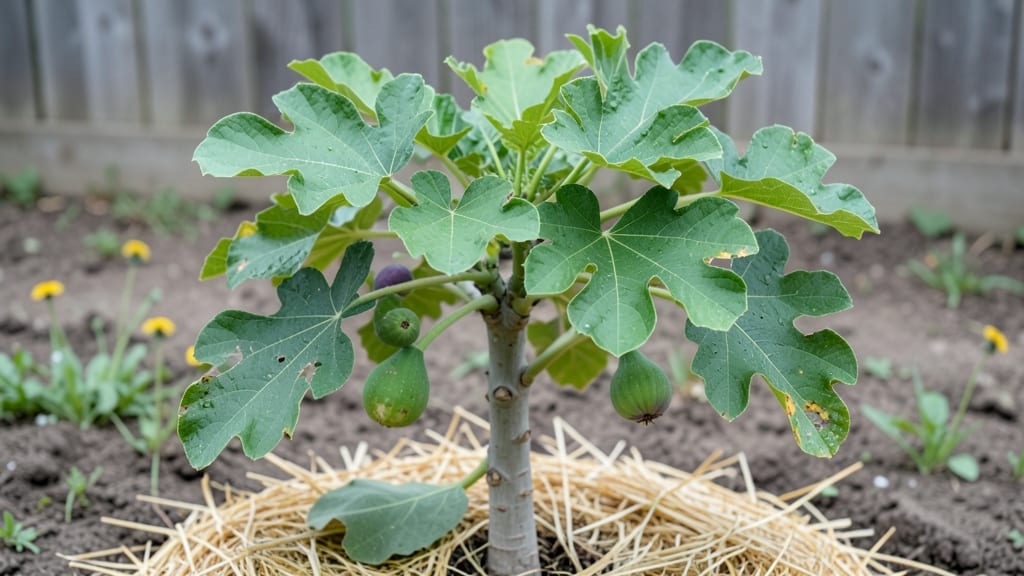
Growing a little figgy fig tree in the Pacific Northwest means you can finally enjoy fresh figs without worrying about frost killing your plants. 🌿 I’ve nurtured these cold-hardy varieties for years, and the key to their success—especially in our damp, chilly climate—is pruning the right way.
The wrong cuts can leave your tree vulnerable to winter damage, but with the proper technique, you’ll have a thriving, productive plant that outlasts most figs in the region.
These dwarf varieties like ‘Little Miss Figgy’ or ‘Chicago Hardy’ thrive in containers or garden beds with full sun and well-draining soil. Water consistently but avoid soggy roots, and mulch in winter to protect shallow roots from freezing.
The real game-changer? Pruning in late winter or early spring to encourage strong growth and prevent disease. I’ve seen figs produce three times more fruit after just one season of proper pruning.
You’ll end up with a compact, bushy tree loaded with sweet, sun-ripened figs by summer. The leaves stay lush and green even through our cooler summers, and the branches hold up better to wind and rain.
Plus, the pruning process is simpler than you’d think—no fancy tools or horticultural degree required. Let’s get your fig tree ready for a resilient, productive season.
Whether you’re growing in a pot on your patio or planting directly in the ground, these tips work for any Pacific Northwest climate. The secret to success? Start with the right variety, prune at the right time, and give your tree the care it needs to bounce back from winter.
Your fig tree will thank you with a bounty of homegrown fruit by late summer.
📚 In This Guide
- What you need
- Instructions
- Tips and common mistakes
- Wrapping up and next steps
What you need
- ○ Pruning shears: Bypass pruners (sharp, clean, and sterilized with rubbing alcohol—1 pair). Loppers: For thicker branches (1 pair, 20–24" reach). Hand pruners: For precision cuts (1 pair, anvil or bypass). Pruning saw: For stubborn branches (1, 8–10" blade). Disposable gloves: Nitrile or leather (1 pair—PNW soil can be rough!). Rubbing alcohol (70%+) or bleach solution: For sterilizing tools (small bottle). Sealing wax or pruning paint: To protect large cuts (small jar, optional but helpful). Tree ties or soft twine: For supporting new growth (1 roll, optional). 🌱 Prerequisites Know your tree: Confirm it’s a Little Miss Figgy or similar cold-hardy variety (check tags or local nursery). Timing: Prune in late winter/early spring (before buds swell) or summer (after harvest). Weather: Choose a dry, calm day—PNW rain can complicate healing. Safety first: Wear long sleeves/pants to avoid thorns or sap irritation. 💡 Pro Tips for PNW Growers ✨ Layer up: PNW’s damp air speeds up fungal growth—seal cuts >3" thick with pruning paint.
- ● 🌡️ Warm up tools: Cold metal can shock the tree; wipe shears with your sleeve before cutting.
- ● 🎯 Mark your cuts: Use chalk or tape to plan branch removals before snipping.
Step-by-Step guide for cold-hardy pruning of Little Figgy fig trees
Here’s how I prepare these tough little trees to thrive through PNW winters—no guesswork, just proven techniques.
🌿 Step 1: Time Your Pruning for Dormancy
Prune late winter or early spring, just as buds begin swelling but before new growth starts. This timing ensures the tree enters dormancy with strong structure. In the Pacific Northwest, aim for February to March—waiting too long risks encouraging early growth that can’t survive late frosts.
Real talk: If you miss this window, don’t panic. A second pruning in late summer (after harvest) can still work, but growth won’t be as vigorous. Look for tight, brown buds—those are your cue to start sharpening the shears.
✂️ Step 2: Remove Dead, Damaged, and Weak Wood
Start by cutting out any branches that are dead, broken, or crossing. Dead wood is easy to spot—it’s dry, brittle, and won’t snap when bent. Crossing branches compete for energy and create entry points for disease, so remove one of the pair, keeping the healthier, stronger branch.
Next, thin out overcrowded growth inside the canopy. Focus on branches growing inward or rubbing against others. I like to step back and visualize the tree’s shape—you want sunlight to reach the center. Cut back to a bud or outward-facing branch to encourage outward growth.
☀️ Step 3: Shape for Sun and Airflow
Open up the center of the tree by removing 20-30% of the canopy. This improves airflow, reducing humidity-related diseases like powdery mildew. Aim for an open vase shape—this lets sunlight penetrate to lower branches, which is key for fruit production in colder climates.
For the Little Figgy, keep the height manageable. These trees can get leggy, so I prune to maintain a 4-6 foot height at maturity. Cut just above a leaf bud or lateral branch to encourage bushier growth. Avoid leaving stubs—always make clean cuts at a 45-degree angle just outside the branch collar.
🌱 Step 4: Protect for Winter Hardiness
After pruning, apply a thin layer of mulch around the base (but not touching the trunk) to insulate roots. A 3-inch layer of straw or wood chips works well. This helps regulate soil temperature and retains moisture during dry winter spells.
For extra protection in harsh winters, wrap the trunk with burlap or tree wrap to prevent sunscald. The Little Figgy can handle 15-20°F with proper care, but younger trees benefit from this added shield. Avoid plastic wraps—they can trap moisture and damage bark.
Tips & tricks for perfect Little Figgy fig tree pruning
These practical insights will help you prune your Little Figgy like a pro—saving time, preventing mistakes, and ensuring your tree thrives through PNW winters.
Timing is Everything: The February to March window in Step 1 is critical because that's when the tree's natural dormancy cycle aligns with our climate. If you're in a particularly cold microclimate, you might need to delay until late March when last frost dates are more certain. I've seen trees pruned too early in February get hit by unexpected late frosts—always check your local frost calendar as a backup.
Branch Selection Strategy: In Step 2, when choosing which crossing branches to remove, prioritize keeping the branch that grows outward rather than inward. This creates that beautiful open vase shape we want. Pro tip: Look for branches with thicker bark—they're usually the stronger, more established ones. Also, make your cuts just outside the branch collar (that swollen area where the branch meets the trunk) to prevent damage to the tree's healing tissues.
Canopy Thinning Visual: For Step 3's 20-30% canopy reduction, imagine looking at your tree from above—you want to see sunlight reaching the center like rays through a window. If you're unsure how much to remove, start conservatively and always leave more than you think you need. You can always remove more later, but you can't put back what's gone! A good rule of thumb is to remove every third branch as you work your way around the tree.
Winter Protection Layering: When applying the 3-inch mulch layer in Step 4, don't just pile it up—create a gentle slope away from the trunk to prevent moisture buildup. For extra protection in areas with colder winters than 15-20°F, consider adding a layer of bubble wrap around the trunk before the burlap. This creates an insulating air pocket that makes a big difference in extreme cold snaps. Just remember to remove it in early spring before new growth starts.
Pro Tips for Little Figgy Fig Tree
- These practical insights will help you prune your Little Figgy like a pro—saving time, preventing mistakes, and ensuring your tree thrives through PNW winters.
- Timing is Everything: The February to March window in Step 1 is critical because that's when the tree's natural dormancy cycle aligns with our climate.
- Branch Selection Strategy: In Step 2, when choosing which crossing branches to remove, prioritize keeping the branch that grows outward rather than inward.
Frequently asked questions
When is the best time to prune a Little Figgy Fig Tree in the Pacific Northwest?
Prune your Little Figgy Fig Tree in late winter or early spring (February–March), before new growth begins. This timing minimizes stress and allows the tree to heal before summer’s heat. Avoid pruning in fall or winter—cold snaps can damage exposed cuts. Pro tip: If you must prune later, wait until after the last frost!
How do I protect my Little Figgy Fig Tree from PNW freezes?
Cold-hardy varieties like Little Miss Figgy tolerate temps down to 10°F, but extra care helps. Mulch heavily (4–6 inches of straw or wood chips) around the base, wrap the trunk with burlap or frost cloth, and prune to improve airflow. For severe freezes, consider a tree blanket or even a small greenhouse cover over the canopy.
What’s the correct way to prune for cold resilience?
Focus on three key cuts:
- Remove dead/diseased wood first—sterilize tools with rubbing alcohol to prevent spread.
- Thin out crossing or rubbing branches to reduce frost pockets.
- Lightly shape the canopy to open it up, ensuring sunlight reaches the center (where cold air lingers).
Warning: Never prune more than 25% of the tree’s foliage in one session—this stresses cold-sensitive varieties.
Can I grow Little Figgy Fig Trees in containers for PNW winters?
Yes! Container-grown Little Figgy trees offer more mobility for winter protection. Use a large pot (15+ gallons) with drainage holes, and move it to a garage or insulated shed when temps drop below 20°F. Water sparingly in winter (let soil dry slightly between waterings) to prevent root rot. Bonus: Container trees fruit earlier in spring!
Why aren’t my figs ripening, even after pruning?
Unripe figs often signal insufficient sunlight, cold stress, or over-pruning. Check these fixes:
- Ensure the tree gets 6+ hours of direct sun daily—PNW shade can delay ripening.
- Verify soil pH (6.0–6.5) with a test kit; amend if needed.
- Apply a balanced fertilizer (10-10-10) in early spring, avoiding high-nitrogen blends.
If issues persist, check for pests (e.g., fig beetles) or fungal issues (like anthracnose).
Wrapping up and next steps
The Little Figgy Fig Tree thrives in the Pacific Northwest’s cool climate when given the right care—especially smart pruning! By mastering cold-hardy techniques like winter shaping, open-center training, and protective layering, you’ll ensure a bountiful harvest year after year. 🌿✨
Now that you’re armed with the know-how, roll up your sleeves and give your tree the TLC it deserves. Start with a quick inspection this fall, then plan your pruning schedule around the seasons. Your future fig feasts will thank you!