
Pruning
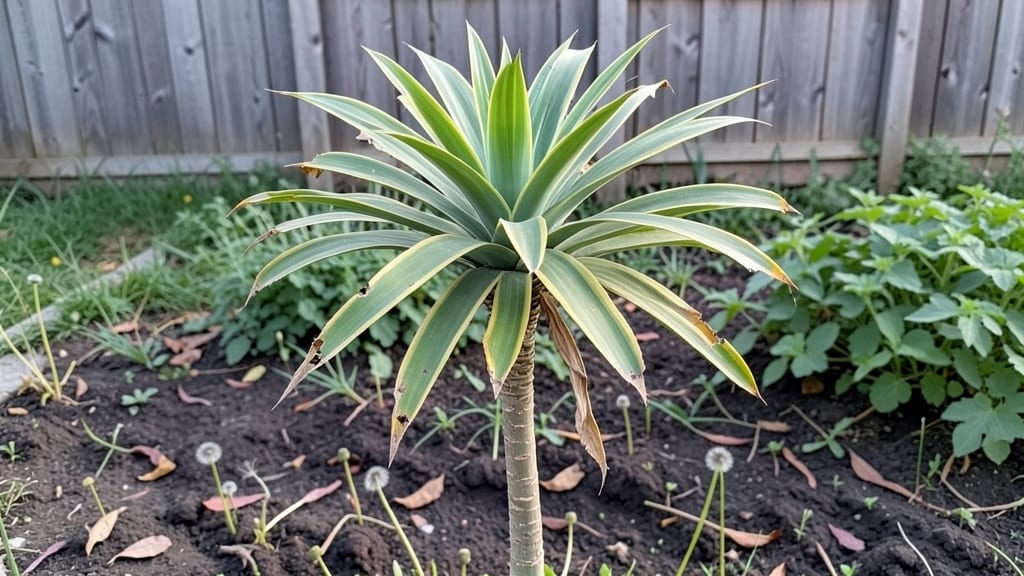
Growing a dragon tree outdoors in the Pacific Northwest is possible—if you prune it right. 🌿 I’ve watched my Dracaena draco survive winters here by using strategic cuts and shelter, and now it’s a 10-foot showstopper in my yard.
The key isn’t just protecting it from frost; it’s training the plant to handle cold by shaping it early. Most gardeners give up after the first freeze, but with the right approach, yours can thrive year after year.
The dragon tree loves well-draining soil and bright, indirect light, but it’s the pruning that makes all the difference in our damp climate. Start by cutting back leggy growth in early spring—this encourages bushier, frost-hardier branches. Use sterilized tools and seal larger cuts with pruning paste to prevent rot.
In rural areas, you can even mulch heavily around the base for extra insulation, while urban growers might need to relocate pots to sheltered spots during hard freezes.
By summer, you’ll see dense, vibrant foliage that’s more resistant to winter damage, and the plant will reward you with striking new growth. The secret weapon? Pruning before the first frost hits—this forces the tree to focus energy on sturdy stems rather than fragile tips.
Even in Zone 8, where temperatures dip into the 20s, my dragon tree comes back stronger each year. The trade-off? You’ll sacrifice some height, but the trade-in is a plant that outlasts the season.
This method works for both container-grown and in-ground dragon trees, though potted plants give you more flexibility to move them indoors or under cover during extreme cold snaps. The payoff?
A dragon tree that looks like it belongs in a Mediterranean garden, not just your PNW backyard. Ready to turn your frost-sensitive plant into a hardy stunner?
📚 In This Guide
- What you need
- Instructions
- Tips and common mistakes
- Wrapping up and next steps
What you need
- ● Pruning shears or loppers: Sharp, bypass-style (not anvil) for clean cuts. Size: 6–8" for small branches, 10–12" for thicker stems.
- ● Gloves: Heavy-duty, cut-resistant (e.g., leather or synthetic) to protect hands from thorns and sap.
- ● Disinfectant (70% isopropyl alcohol or bleach solution): 1 part bleach to 9 parts water to sterilize tools between cuts.
- ○ Sealing wax or pruning sealant: Optional but recommended for large cuts (1–2" diameter) to prevent disease. Brand suggestion: Tanglefoot Tree Wound Pruning Seal.
- ● Ladder or sturdy stool: If your Dragon Tree exceeds 6 feet tall—extendable ladders work best for stability.
- ● Heavy-duty trash bags: 2–3 13-gallon bags for debris (Dragon Trees shed a lot!).
- ● Workwear: Long sleeves/pants (sap can stain!) and closed-toe shoes.
- ○ PNW-specific prep: Frost cloth (optional): Lightweight 30–50g/m² for post-pruning protection if temps dip below 25°F.
- ○ Mulch (optional): 2–3 inches of wood chips or straw to insulate roots after heavy pruning.
- ● ✨ Timing is key: Prune in late winter/early spring (Feb–March) to avoid frost damage. Never prune after October—new growth won’t harden before winter!
- ● 🌡️ Sap control: Dragon Tree sap is sticky—keep a rag or paper towels handy to wipe tools and hands.
- ● 🎯 Tool maintenance: Sharpen shears after every 5 cuts to prevent tearing bark (which invites pests).
Step-by-Step guide for planting and pruning dragon trees in the Pacific Northwest
This hardy tropical beauty thrives outdoors in PNW climates—here’s how to plant and prune it for maximum resilience.
🌱 Step 1: Choose the Perfect Planting Spot and Prepare the Soil
Dragon trees (Dracaena marginata) tolerate partial shade but flourish in bright, indirect light—think dappled sunlight under tall trees. In the Pacific Northwest’s cooler climate, avoid harsh afternoon sun that can scorch leaves. Test your site by observing how light shifts throughout the day; morning sun with afternoon shade is ideal.
Amend the soil with 3-4 inches of organic matter (like compost or well-rotted leaf mold) to improve drainage. Dragon trees despise soggy roots, so if your soil stays damp for more than a day after rain, raise the planting area with a mound or use a container with drainage holes. I always dig a hole twice as wide as the root ball but only as deep—planting too deep suffocates the roots.
☀️ Step 2: Plant with Frost Protection in Mind
Set the dragon tree in its hole, ensuring the top of the root ball sits 1-2 inches above soil level—this prevents waterlogging during winter rains. Backfill with native soil mixed with the organic matter, tamping gently to remove air pockets. Water deeply to settle the soil, then add a 2-inch layer of mulch (like cedar chips or bark) to insulate roots during PNW’s mild but chilly winters.
Here’s the thing—while dragon trees handle light frosts down to 25°F, sudden cold snaps can damage leaves. If your winter dips below 20°F, wrap the trunk and lower branches with burlap or frost cloth for extra protection. I’ve seen these plants bounce back from brief cold snaps, but prolonged exposure weakens them.
✂️ Step 3: Prune for Structure and Frost Hardiness
Prune in early spring (March-April) before new growth begins. Remove any dead, yellowed, or damaged leaves by cutting back to the nearest healthy node—this redirects energy to new growth. For shaping, trim leggy stems back by one-third to encourage bushier, more compact growth. Use sharp, sterilized pruners to avoid tearing the leaves.
In the Pacific Northwest’s wet climate, pruning also improves airflow, reducing fungal risks. After pruning, apply a balanced fertilizer (like 10-10-10) in spring to support recovery. Avoid heavy feeding in fall—it encourages tender new growth that won’t survive winter. Watch for new leaves emerging within 4-6 weeks; that’s your cue everything’s on track.
💧 Step 4: Water and Maintain Through Seasons
Water deeply once a week in summer, letting the top 2-3 inches of soil dry out between waterings. Dragon trees store water in their stems, so they’re drought-tolerant once established—but don’t let them wilt. In winter, reduce watering to every 2-3 weeks unless the ground is frozen. Overwatering in cold weather leads to root rot, and these plants hate soggy feet.
Monitor for pests like spider mites, which thrive in dry conditions. If you spot webbing or stippled leaves, spray with neem oil or hose off gently. In the PNW’s humid summers, fungal issues can arise, so avoid overhead watering. A quick check for sticky residue on leaves (aphids) or yellowing edges (overwatering) keeps problems in check.
Tips & tricks for perfect outdoor dragon tree care in the Pacific Northwest
These pro insights will help you nurture a thriving dragon tree that survives—and thrives—through PNW's unique climate challenges.
Lighting Strategy: Dragon trees love bright, indirect light, but the PNW's overcast days can trick you into thinking they need more sun than they actually do. Place your plant near a north-facing window or under tall trees where it gets morning sun and afternoon shade. I've seen these plants grow beautifully under large conifers where they get just a few hours of dappled sunlight daily—no harsh afternoon sun required.
Soil Drainage Hack: The 3-4 inches of organic matter called for in Step 1 is non-negotiable for PNW gardeners. If your native soil stays damp for more than a day after rain, consider creating a raised bed or using large containers with drainage holes. I've had success with 5-gallon buckets buried halfway in the ground—this gives you complete control over drainage while still allowing the plant to establish roots in the surrounding soil.
Frost Protection Upgrade: While dragon trees handle light frosts down to 25°F, the PNW's unpredictable cold snaps can still catch you off guard. For extra insurance when temperatures dip below 20°F, I recommend wrapping the trunk and lower branches with burlap and adding a layer of straw mulch around the base. This creates a microclimate that can protect your plant even during extended cold periods. Think of it as giving your dragon tree a cozy winter sweater!
Pruning Timing Secret: The early spring pruning window (March-April) is perfect for PNW gardeners because it aligns with the plant's natural growth cycle after winter dormancy. But here's the thing—if you notice any frost-damaged leaves in late winter, go ahead and trim those off immediately. The plant will thank you by redirecting energy to new growth rather than trying to heal damaged foliage. Just make sure to sterilize your pruners between cuts to prevent spreading any potential fungal spores.
Pro Tips for Dragon Tree Outdoor
- These pro insights will help you nurture a thriving dragon tree that survives—and thrives—through PNW's unique climate challenges.
- Lighting Strategy: Dragon trees love bright, indirect light, but the PNW's overcast days can trick you into thinking they need more sun than they actually do.
- Soil Drainage Hack: The 3-4 inches of organic matter called for in Step 1 is non-negotiable for PNW gardeners.
Frequently asked questions
Got questions about growing and pruning your Dracaena draco (Dragon Tree) outdoors in the Pacific Northwest?
Here are answers to the most common ones—plus a few pro tips to keep your plant thriving through frost and beyond!
Can a Dragon Tree survive winter in the Pacific Northwest?
A mature Dragon Tree (Dracaena draco) can handle light frosts down to 15–20°F (-9 to -7°C), but young plants or seedlings need protection. In the PNW’s wet, mild winters, mulch heavily around the base and wrap the trunk in burlap for extra insulation. If temps drop below 15°F, consider moving potted plants to a sheltered spot or greenhouse.
When is the best time to prune a Dragon Tree outdoors?
Prune your Dragon Tree in late winter or early spring (February–March) before new growth starts. Avoid pruning in fall or winter, as the plant is dormant and more vulnerable to disease. Always use sterilized tools and seal cuts with pruning sealant to prevent sap loss or infection.
How do I encourage a Dragon Tree to grow taller instead of bushy?
Dragon Trees naturally grow upward, but over-pruning side branches can encourage bushiness. To promote height:
- Prune only the top 1–2 inches of the main stem if needed (avoid heavy cuts).
- Remove only lower branches that block sunlight from reaching the trunk.
- Ensure it gets full sun (6+ hours/day)—shade slows vertical growth.
Why are the leaves turning brown or yellow?
Brown/yellow leaves usually signal overwatering, underwatering, or frost damage:
- Brown tips: Low humidity or fluoride in tap water (use rainwater or distilled water).
- Yellowing leaves: Overwatering or poor drainage (let soil dry between waterings).
- Frost burn: Crispy edges after cold snaps (trim damaged leaves and protect next winter).
Are there frost-resistant alternatives to Dragon Trees?
If you love Dragon Trees but want even hardier PNW options, consider:
- Yucca (Yucca filamentosa): Thrives in Zone 5, drought-tolerant, and architectural.
- Dwarf Palmetto (Sabal minor): Cold-hardy to 10°F (-12°C) and palm-like.
- Agave (Agave americana): Survives to 15°F (-9°C) and adds bold texture.
Wrapping up and next steps
Growing a dragon tree (Dracaena draco) outdoors in the Pacific Northwest is a rewarding journey—especially with its frost-resistant charm and stunning foliage! 🌿 With the right pruning techniques, you’ll keep your plant thriving while shaping it into a stunning centerpiece.
Remember, patience and consistency are key, so embrace the process and enjoy the unique beauty this resilient plant brings to your garden.
Ready to take the next step? Start small—prune a single branch this season, observe your tree’s response, and refine your approach. Before you know it, you’ll have a masterpiece that stands out in your outdoor space! 🌟