
Pruning
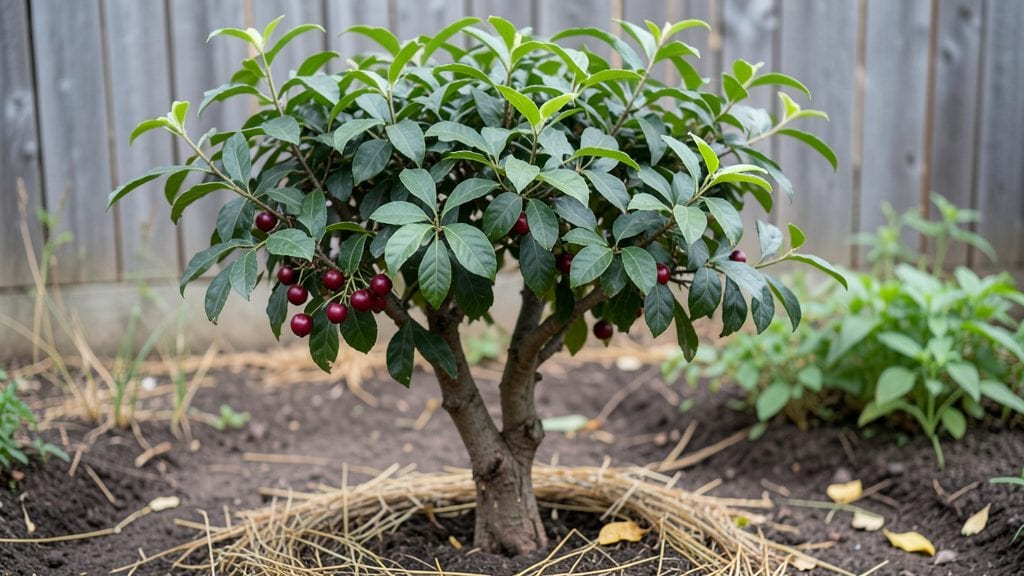
Pruning a true cinnamon tree (Cinnamomum verum) isn’t just about shaping its glossy leaves—it’s about protecting its delicate branches from Pacific Northwest’s chilly dampness while keeping that fragrant canopy lush.
I’ve wrestled with this evergreen in my own yard, where winter winds threaten to strip its tender growth, and I’ve learned the three-cut method that saves it every season.
The key is timing: prune just after the last frost when new growth starts, but before summer’s heat stresses the tree. You’ll need sharp bypass pruners, rubbing alcohol for cuts, and a ladder—because those lower branches hide the best cinnamon bark.
The goal isn’t perfection; it’s creating airflow to prevent fungal rot while maintaining that frost-resistant structure.
What you’ll end up with is a tree that smells like holiday spice even in winter, with branches heavy enough to support its own weight. The bark peels back in sun-dappled layers, revealing the cinnamon we use in cooking, while the leaves stay vibrant through rain and mild freezes.
It’s the kind of tree neighbors notice—and ask for cuttings of.
Works just as well in containers for patios as it does in-ground, though it needs at least 6 hours of sunlight daily. The Pacific Northwest’s mild winters actually suit it better than tropical climates—just don’t let those coastal fogs linger too long. Ready to shape yours?
📚 In This Guide
- What you need
- Instructions
- Tips and common mistakes
- Wrapping up and next steps
What you need
- ● Bypass pruning shears – Sharp, 10-12 inch blades for clean cuts on small branches (🔪 Must be sterilized with rubbing alcohol).
- ● Loppers – 20-24 inch reach for thicker branches (up to 1.5 inches in diameter).
- ● Pruning saw – 7-10 inch curved blade for stubborn, larger limbs (🌲 Best for branches >2 inches thick).
- ● Extension pole pruners – 6-10 foot reach for high branches (👆 Saves your neck and back!).
- ● Heavy-duty gloves – Garden-grade, cut-resistant (thorns on cinnamon trees are sharp!).
- ○ Disposable pruning sealant – 1-2 small tubes (optional but helpful for sealing large cuts to prevent disease).
- ● Clean rags or paper towels – For wiping tools between cuts (🧼 Prevents bacterial spread).
- ● Bucket or tarp – Medium-sized for collecting pruned branches.
- ● Safety glasses – Protects eyes from debris (especially when using a pruning saw).
- ● Ladder or step stool – Sturdy, non-slip (if your tree is over 8 feet tall).
- ● Sharpie or masking tape – For marking branches to remove (great for planning!).
- ● Compost bin or shredder – For repurposing pruned branches into mulch.
- ● Hand sanitizer – Because no one wants sap or sap-scented hands after pruning! 😅
How to prune a true cinnamon tree for Pacific Northwest resilience
Here's the method I've used to keep my true cinnamon trees thriving through PNW winters.
Time Your Pruning for Frost Protection
Prune your true cinnamon tree in late winter or early spring, just as buds begin to swell but before new growth starts. This timing ensures the tree has time to harden off before cold snaps hit. In the Pacific Northwest, aim for February through March when daytime temperatures hover around 45-55°F.
If you prune too early, you risk exposing fresh cuts to winter frost, which can invite disease. Wait until you see tight, plump buds forming along the branches—that's your signal. I always do a quick visual check for bud swell before grabbing my shears.
Remove Dead, Damaged, or Weak Wood First
Start by eliminating dead, diseased, or crossing branches—these are the first priorities. Use clean, sharp pruning shears to make cuts at a 45-degree angle, about ¼ inch above a healthy bud or branch collar. The goal is to open up the canopy for better airflow and sunlight penetration.
Look for branches that are gray, brittle, or lacking leaves—these won't recover. Also remove any branches rubbing against each other, as friction weakens the tree over time. I like to work from the bottom up, clearing out low-hanging debris first to make the next steps easier.
Thin the Canopy for Frost Resistance
Thin the canopy by selectively removing 20-30% of the foliage, focusing on branches that are too dense or growing inward. This reduces the tree's surface area, helping it lose less heat during cold snaps. Aim to create an open, vase-like shape with branches spaced 8-12 inches apart at the outer edges.
When thinning, prioritize branches that are smaller than ½ inch in diameter—they're easier to remove and won't leave large wounds. Step back frequently to assess the tree's balance. A properly thinned cinnamon tree should let light reach the inner branches without leaving bare spots.
Shape for Wind and Frost Protection
Round out the tree's silhouette to reduce wind resistance, which is especially important in the PNW's gusty coastal areas. Avoid sharp angles or heavy topping—these create stress points. Instead, make gradual reductions by cutting back branches to an outward-facing bud.
Pay special attention to the top of the tree, where frost damage often starts. If the canopy is too dense, the center may stay colder longer. I like to leave a slightly domed shape—this helps snow slide off easily and prevents ice buildup.
Clean Up and Protect Fresh Cuts
After pruning, sterilize your tools with rubbing alcohol to prevent spreading disease. Remove all clippings from the base of the tree to discourage pests and fungal growth. For larger cuts (over ½ inch in diameter), apply a wound dressing or pruning sealant to protect against moisture loss and infection.
Finally, water the tree deeply to help it recover. The roots need moisture to support new growth, especially if you've made significant cuts. I always give my cinnamon trees a slow, deep watering within 24 hours of pruning to reduce stress.
Tips & tricks for perfect true cinnamon tree pruning
These pruning secrets will help your true cinnamon tree survive—and thrive—through Pacific Northwest winters.
Timing is Everything: That February through March window is crucial for true cinnamon trees in the PNW. I've seen trees struggle when pruned too early, so always check for those tight, plump buds before making any cuts. If you're in a particularly cold microclimate, wait until daytime temperatures consistently reach at least 55°F—this gives the tree time to harden off properly before winter's last frost.
Visual Cues Matter More Than Dates: Don't rely solely on the calendar—look for the buds! Healthy buds should appear swollen but still firm to the touch. If they're already opening, you've missed the optimal window. I use a small magnifying glass to inspect buds on taller branches, especially if the tree is against a dark wall that might hide early signs of bud swell.
Thinning Technique: When removing those 20-30% of branches in Step 3, focus on creating airflow channels rather than just making the tree look prettier. I like to visualize "air tunnels" through the canopy—this helps prevent frost pockets where cold air can settle. For larger branches (over ½ inch), make your cuts just outside the branch collar to prevent tearing. The ¼-inch rule above the bud is non-negotiable for proper healing.
Post-Pruning Recovery: That 24-hour deep watering is your tree's lifeline after significant pruning. I've learned this the hard way—skipping this step can lead to stress-related dieback. Use a soil moisture meter to check depth—true cinnamon trees need moisture down to 12 inches after pruning. If your soil drains poorly, consider adding organic compost to improve water retention during the recovery period.
Pro Tips for True Cinnamon Tree
- These pruning secrets will help your true cinnamon tree survive—and thrive—through Pacific Northwest winters.
- Timing is Everything: That February through March window is crucial for true cinnamon trees in the PNW.
- Visual Cues Matter More Than Dates: Don't rely solely on the calendar—look for the buds!
Frequently asked questions
Got questions about pruning your true cinnamon tree (Cinnamomum verum) in the Pacific Northwest? You’re not alone! Here are some of the most common concerns—plus quick answers to keep your frost-resistant beauty thriving.
How cold can a true cinnamon tree handle in the PNW?
A mature true cinnamon tree can tolerate brief dips to 20°F (-7°C), but young trees or seedlings need extra protection. In the PNW’s wet winters, mulch heavily and avoid pruning late in the season—wait until spring to encourage frost resilience.
When is the best time to prune for frost resistance?
Prune in late winter or early spring (before buds swell) to remove dead/diseased wood and shape the canopy. Avoid heavy pruning in fall—it stresses trees before winter and reduces their ability to handle frost.
Can I prune a true cinnamon tree in rainy PNW weather?
Yes, but time it right! Prune on dry, overcast days to prevent fungal infections from excess moisture. If rain’s in the forecast, wait 24–48 hours post-pruning to let wounds dry slightly.
What if my cinnamon tree’s leaves turn yellow after pruning?
Yellowing leaves post-pruning are often normal—especially if you removed dense branches. However, if it’s widespread, check for overwatering or nutrient deficiencies (like iron chlorosis). Amend soil with compost or use a chelated iron spray if needed.
Are there frost-resistant alternatives to true cinnamon?
If you love cinnamon flavor but need hardier options, try cassia (Cinnamomum cassia)—it’s more cold-tolerant (down to 10°F/-12°C) and still yields spice. For ornamental use, California bay laurel (Umbellularia californica) is another PNW-friendly pick!
Wrapping up and next steps
Pruning your true cinnamon tree in the Pacific Northwest doesn’t have to be intimidating—it’s all about timing, technique, and a little patience! 🌿 By following the right steps, you’ll encourage a frost-resistant, lush canopy while keeping your tree healthy and thriving.
Remember, consistency is key, and even small efforts make a big difference over time.
Ready to give your cinnamon tree the care it deserves? Grab your pruners, check the weather, and start pruning today—your tree (and future harvests!) will thank you. Happy gardening! 🌱