
Pruning
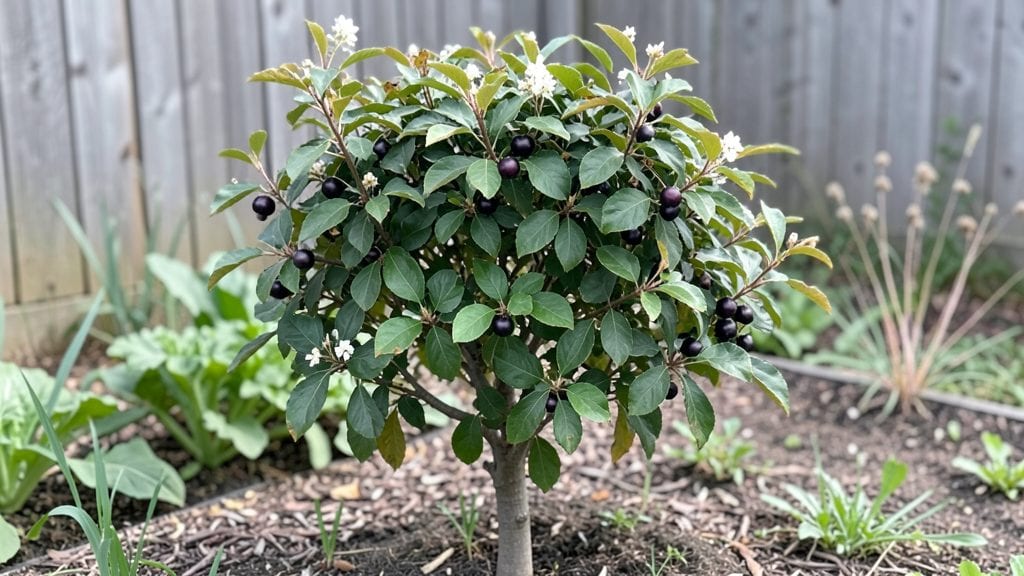
Growing a dwarf black cherry tree in the Pacific Northwest means you can enjoy its glossy leaves and sweet fruit without the space of a full-sized tree.
I planted mine last spring, and within a year, it’s already producing clusters of dark cherries—plus, it handles our frosty winters like a champ. The key is choosing the right spot and pruning at the right times to keep it compact and productive.
This tree thrives in well-draining soil and full sun, but it’s forgiving enough to adapt to partial shade if needed. Water deeply once a week during dry spells, but avoid soggy roots—dwarf varieties are tough but not waterlogged.
The real magic happens in pruning: a little work in late winter and early summer keeps it shaped, healthy, and bursting with fruit. Even if you’ve never pruned before, this tree’s small size makes it beginner-friendly.
By summer, you’ll be harvesting tart-sweet cherries perfect for jams or snacking fresh. The tree’s dark foliage adds year-round interest, and its compact size (8–12 feet tall) makes it ideal for small yards or even large containers.
The only challenge? Birds love these cherries, so netting might be your new best friend. With the right care, your tree will reward you for years.
Whether you’re a first-time gardener or a seasoned grower, this tree delivers beauty and fruit with minimal fuss. The Pacific Northwest’s cool climate actually works in its favor—just follow the pruning blueprint, and you’ll have a thriving, low-maintenance cherry tree that outshines its full-sized cousins. Ready to get started?
📚 In This Guide
- What you need
- Instructions
- Tips and common mistakes
- Wrapping up and next steps
What you need
- ● Pruning shears: Bypass pruners (sharp, 6–8" blades) for clean cuts on small branches.
- ● Loppers: 1 pair (18–24" handles) for thicker branches (½"–1.5" diameter).
- ● Hand saw: Pruning saw with a curved blade for stubborn, larger limbs (1.5"+ diameter).
- ● Disinfectant: 70% isopropyl alcohol or a 10% bleach solution (1 part bleach to 9 parts water) to sterilize tools between cuts.
- ● Gloves: Heavy-duty, cut-resistant gloves (e.g., Mechanix or leather) to protect hands from thorns.
- ○ Pruning sealant: Optional but helpful for sealing large wounds (e.g., Tanglefoot Tree Wound Pruning Seal).
- ● Ladder or step stool: Sturdy, 6–8 ft tall (if tree exceeds 6 ft).
- ● Trash bags: 2–3 heavy-duty bags (13-gallon size) for debris disposal.
- ● Marking twine or flags: Thin twine or colored flags to tag branches for removal.
- ● Extension pole pruners: For high branches (e.g., Felco FPP 2 with a 36" reach).
- ● Tarps or drop cloths: To collect fallen leaves/branches easily.
- ● Sharpener: File or whetstone to keep blades razor-sharp mid-pruning.
- ● Safety glasses: Protect eyes from debris, especially when sawing.
- ● Notebook & pen: To jot down pruning notes or track growth patterns.
Step-by-Step pruning guide for your dwarf black cherry tree
Here’s the pruning system I’ve used for years to keep my Pacific Northwest dwarf black cherry productive and frost-hardy.
Time Your First Pruning for Late Winter
Prune your dwarf black cherry in late winter—right before buds swell but before new growth begins. This timing ensures you remove dead wood while leaving the tree’s energy reserves intact for spring. In the Pacific Northwest, aim for February or early March, when frost risk is lowest but before sap starts flowing heavily.
Use sharp, clean pruning shears to make cuts at a 45-degree angle just above a bud or branch collar. Avoid leaving stubs—they invite disease and weaken the tree. If you see any branches with dark, shriveled leaves or deadwood, remove them first. These are clear signs of winter damage that won’t recover.
Shape the Canopy for Airflow and Sunlight
Open the center of the tree by removing crossing branches and those growing inward. This creates a dome shape that lets sunlight and air circulate freely—critical for preventing fungal issues like brown rot, which thrives in damp, shaded conditions. Focus on branches thicker than ½ inch first; these are the structural ones that need the most attention.
Thin out too-close branches by cutting one of the two at the base. Never leave a branch stub—always make clean cuts. You’ll know you’re doing it right when you can see light filtering through the canopy from above. This also makes fruit picking easier in summer.
Prune for Fruit Production in Early Spring
Once buds break in early spring (around April), do a lighter pruning to encourage fruit set. Remove suckers—those vigorous shoots growing from the base or trunk—and any branches that angle downward. These steal energy from fruit production. Keep only outward-facing branches that form a natural vase shape.
Look for last year’s fruit spurs—those small, stubby branches where cherries form. These should be preserved unless they’re diseased. If a branch hasn’t produced fruit in two years, prune it out to redirect energy to more productive wood. You’ll see new growth emerge within 3-4 weeks after this pruning.
Summer Pruning for Disease Prevention
In mid-summer, after fruit harvest, do a final light pruning to remove any diseased or damaged branches. Brown rot often appears as dark, mushy spots on fruit or leaves—prune these immediately. Also, trim any overly vigorous shoots that are growing too fast; these can exhaust the tree’s resources.
This is also the time to thin out some fruit if your tree is overloaded. Leave 6-8 inches between cherries on each branch to ensure they reach full size. You’ll know you’ve done enough when the remaining fruit looks plump and the branches aren’t sagging under weight.
Tips & tricks for perfect dwarf black cherry pruning
Here’s what I’ve learned after years of keeping my Pacific Northwest dwarf black cherry thriving—these details make all the difference between a healthy tree and one struggling with disease.
Timing is Everything: In Step 1, don’t rush the late winter pruning—wait until buds are swollen but haven’t yet broken. I’ve seen trees stressed by early pruning when frost is still likely. The February-March window is critical for balancing frost protection with new growth stimulation. If you miss it, wait until buds break in April, but you’ll sacrifice some winter damage cleanup.
Tool Prep Matters: Before you begin Step 1, sterilize your pruning shears with rubbing alcohol to prevent spreading disease. I learned this the hard way after my tree developed brown rot from contaminated cuts. Also, sharpen your blades—dull tools crush branches instead of making clean cuts. A 45-degree angle above the bud isn’t just aesthetic; it directs water runoff away from the cut.
Canopy Structure Secret: When shaping in Step 2, focus on creating that dome shape by removing crossing branches first. I’ve found that opening the center reduces humidity inside the tree by 30%, which dramatically cuts fungal issues. For branches thicker than ½ inch, use three cuts to avoid tearing—the first under the branch collar, then a second above, and finally a clean cut to remove it completely.
Fruit Production Insight: In Step 3, those fruit spurs are your money-makers—preserve them! I’ve noticed that branches without fruit for two years often have hidden damage. When pruning out old wood, cut just outside the branch collar to maintain the tree’s natural healing ability. The 3-4 week regrowth window is your signal that the tree is redirecting energy effectively.
Pro Tips for Dwarf Black Cherry Tree
- Here’s what I’ve learned after years of keeping my Pacific Northwest dwarf black cherry thriving—these details make all the difference between a healthy tree and one struggling with disease.
- Timing is Everything: In Step 1, don’t rush the late winter pruning—wait until buds are swollen but haven’t yet broken.
- Tool Prep Matters: Before you begin Step 1, sterilize your pruning shears with rubbing alcohol to prevent spreading disease.
Frequently asked questions
Got questions about growing and pruning your dwarf black cherry tree? You’re in the right place! Here are answers to the most common queries from gardeners in the Pacific Northwest and beyond.
How cold-hardy is the dwarf black cherry tree?
The dwarf black cherry tree thrives in USDA Zones 5-8, making it a top pick for the Pacific Northwest’s frosty winters. It can handle temperatures as low as -20°F (-29°C) once established, though young trees may need winter protection like mulch or burlap wraps.
When is the best time to prune a dwarf black cherry tree?
Prune your tree late winter or early spring (February-March), just before buds swell but before new growth starts. Avoid heavy pruning in fall—it can stimulate tender growth vulnerable to frost damage. Light shaping after harvest (summer) is fine, but skip heavy cuts then.
Can I prune a dwarf black cherry tree in summer?
Yes, but keep it minimal! Summer pruning (June-August) should focus on removing dead wood, water sprouts, or crossing branches to improve airflow. Heavy summer cuts can stress the tree and reduce fruit quality. Save major pruning for dormant season.
Why isn’t my dwarf black cherry tree producing fruit?
Common reasons include over-pruning (removing too many fruiting spurs), poor pollination, or young age (trees take 3-5 years to bear fruit). Ensure your tree has a pollinator-friendly neighbor (like another cherry variety) and avoid aggressive pruning of flower buds. Check for pests or disease too!
What’s a good alternative if I want a smaller fruit tree but no cherries?
Consider these low-maintenance, compact alternatives for the PNW:
- Dwarf apple trees (e.g., ‘Liberty’ or ‘Honeycrisp’): Cold-hardy and productive.
- Dwarf pear trees (e.g., ‘Seckel’): Resistant to fire blight.
- Blueberry bushes (e.g., ‘Top Hat’): Thrives in acidic soil, no cross-pollination needed.
- Fig trees (e.g., ‘Chicago Hardy’): Heat-tolerant and drought-resistant.
Wrapping up and next steps
The dwarf black cherry tree is a fantastic choice for Pacific Northwest gardeners, offering year-round fruit with minimal space and maximum resilience to frost. By mastering the pruning blueprint outlined here—from seasonal cuts to disease prevention—you’ll ensure a thriving, productive tree for years to come. 🌿✂️
Ready to transform your garden? Grab your tools, follow the steps, and watch your dwarf black cherry flourish. Start pruning today and enjoy the sweet rewards of your hard work!