
Pruning
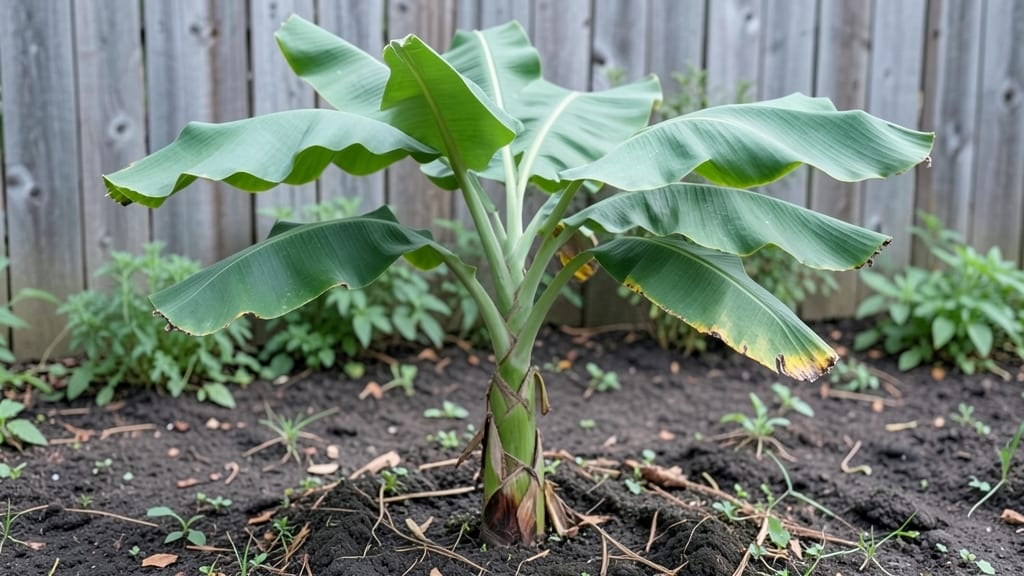
Growing a dwarf Cavendish banana tree in your backyard means fresh, sweet bananas year-round—no tropical vacation required. 🌿 I learned the hard way that these plants thrive with just a few key adjustments, like mimicking their natural humidity and protecting them from cold snaps.
The payoff? A compact, productive tree that fits in containers or garden beds without taking over your space.
These bananas love warmth and moisture, so zones 10-12 are ideal, but containers let you grow them as far north as zone 9 with winter protection. Start with well-draining soil mixed with compost, and plant in a spot with 6+ hours of sunlight daily.
The real secret? Consistent watering—keep the soil damp but never soggy, and watch as your tree sends up a bold, leafy stalk within months.
Pruning is minimal: just remove dead leaves and any suckers that aren’t the strongest. When you see those tiny green bananas forming, count backward—harvest when they’re still firm but starting to yellow.
One tree can produce dozens of bananas per season, and with the right care, you’ll have fruit ready to pick in as little as 9-12 months from planting.
Cold weather is the only real challenge, but a moveable pot or frost cloth solves that. Pest issues are rare if you keep the area clean, and fertilizing every 4-6 weeks with banana-friendly food keeps growth steady.
Before you know it, you’ll be enjoying homegrown bananas that taste sweeter than anything from the store.
📚 In This Guide
- What you need
- Instructions
- Tips and common mistakes
- Wrapping up and next steps
What you need
- ● Dwarf Cavendish banana plant: 1 healthy, disease-free sapling (preferably from a nursery specializing in tropical plants).
- ● Well-draining potting mix: 5–10 gallons (depending on pot size). Use a blend of peat moss, perlite, and coconut coir (ratio: 40% peat, 30% perlite, 30% coir).
- ● Pot or container: 1–2 large pots (15–20 gallons each) with drainage holes. Terracotta or fabric pots are ideal for airflow.
- ● Pruning tools: 1 pair of sterilized pruning shears (for trimming pseudostems and suckers).
- ● 1 sharp knife or machete (for larger cuts, like removing dead leaves).
- ● Fertilizer: 1 balanced organic fertilizer (e.g., 10-10-10 NPK) or banana-specific fertilizer (apply every 4–6 weeks during growing season).
- ● Mulch: 2–3 inches of straw or wood chips to retain moisture and regulate soil temperature.
- ● Support stakes or trellis: 1–2 bamboo stakes or metal cages (6–8 feet tall) to support the plant as it grows.
- ● Soil moisture meter: To monitor watering needs without over/under-watering.
- ● Slow-release fertilizer spikes: For hassle-free nutrient delivery.
- ● Pest control: Neem oil or insecticidal soap (for aphids, spider mites, or fruit flies).
- ● Grow lights: If growing indoors in low-light conditions (LED or fluorescent bulbs).
- ● Banana tree companion plants: Marigolds or basil to deter pests naturally.
Step-by-Step guide for growing a thriving dwarf Cavendish banana tree
Here's how to cultivate a lush, productive banana tree that delivers fruit year-round with minimal fuss.
🌱 Step 1: Select and Prepare the Perfect Planting Site
Choose a location with 6-8 hours of bright, indirect light daily—direct midday sun can scorch the broad leaves. Dwarf Cavendish thrives in warmth (70-85°F) and needs protection from strong winds that can damage the pseudostem. If growing in containers, ensure the pot is at least 15 gallons with drainage holes to prevent root rot.
Here's the thing—banana trees are heavy feeders. Before planting, amend the soil with 3-4 inches of compost mixed into the top 12 inches of soil. This gives roots the organic matter they crave for nutrient uptake. If planting in containers, use a well-draining potting mix blended with 20% perlite to improve aeration. The goal is loose, fertile soil that holds moisture without becoming soggy.
💧 Step 2: Plant and Establish the Young Tree
Dig a hole twice as wide as the root ball but only as deep as the container it came in. This prevents burying the pseudostem too deeply, which can cause rot. Gently remove the plant from its container and loosen any circling roots with your fingers—this encourages outward growth instead of root-bound stress.
Place the tree in the hole and backfill with native soil mixed with 1 cup of balanced 10-10-10 fertilizer. Water deeply immediately after planting to settle the soil around roots. You'll know it's right when the surface looks slightly damp but not glistening. Mulch around the base with 2-3 inches of organic mulch (like wood chips) to retain moisture and regulate soil temperature.
☀️ Step 3: Maintain Consistent Watering and Fertilization
Banana trees need even moisture—never let the soil dry out completely, but avoid waterlogging. Water 2-3 times per week during warm months, increasing to daily watering when temperatures exceed 85°F. The key is keeping the top 4 inches of soil consistently moist. You'll see the large leaves droop slightly in the afternoon if it needs water—this is your signal to hydrate.
Feed every 4-6 weeks with a potassium-rich fertilizer (like 13-13-13) to support fruiting. I like to alternate between liquid fertilizer and slow-release granules for steady nutrition. Stop fertilizing 2 months before harvest to let the tree focus energy on fruit development. Watch for new leaf growth—this tells you the tree is actively absorbing nutrients and thriving.
✂️ Step 4: Prune Strategically for Year-Round Fruit
Minimal pruning is the secret to keeping your Dwarf Cavendish productive. Remove only dead or yellowing leaves at the base with clean, sharp pruners. Never cut into the pseudostem—this is the tree's structural support and water conduit. When a fruit bunch matures and turns brown, cut it off at the base with sterilized shears to redirect energy to new growth.
Here's where it gets fun—watch for suckers (small shoots) that emerge from the base. These are your future trees! Let 1-2 of the strongest suckers grow while removing the rest. If growing in containers, you can either transplant these suckers or let them grow in place as part of your banana "grove." The more you prune back old fruit stalks, the more energy the tree puts into new ones.
Tips & tricks for perfect dwarf Cavendish banana tree cultivation
These practical insights will help you avoid common pitfalls and maximize your banana tree's productivity.
Lighting Strategy: The 6-8 hours of bright, indirect light in Step 1 is non-negotiable for Dwarf Cavendish. Position your tree near a south-facing window if indoors, or use sheer curtains to diffuse harsh afternoon sun. I've seen trees struggle when placed under fluorescent lighting—natural light is essential for photosynthesis and fruit development. For container growers, rotate the pot every 2-3 weeks to ensure even light exposure on all sides.
Soil Preparation Secret: The 3-4 inches of compost mixed into the top 12 inches of soil creates the perfect environment for root expansion. I recommend adding a handful of worm castings to this mix—they contain beneficial microbes that help break down nutrients for faster uptake. For container gardens, mix in 1 cup of coconut coir with the perlite to improve moisture retention while maintaining aeration.
Planting Depth Warning: Burying the pseudostem too deeply during Step 2 can cause rot by preventing proper drainage. The hole should only be as deep as the container's root ball—no deeper. I've made this mistake myself, and within weeks the tree showed signs of stress with yellowing leaves. Always check that the base of the pseudostem sits just above soil level after planting.
Watering Visual Cues: The instructions mention keeping the top 4 inches of soil consistently moist, but here's what that looks like in practice: Stick your finger about 2 inches deep—if it feels dry, it's time to water. For container growers, I recommend using a moisture meter for accuracy. In hot weather (above 85°F), I increase watering to every other day and check soil moisture twice daily to prevent stress.
Pro Tips for Dwarf Cavendish Banana Tree
- These practical insights will help you avoid common pitfalls and maximize your banana tree's productivity.
- Lighting Strategy: The 6-8 hours of bright, indirect light in Step 1 is non-negotiable for Dwarf Cavendish.
- Soil Preparation Secret: The 3-4 inches of compost mixed into the top 12 inches of soil creates the perfect environment for root expansion.
Frequently asked questions
How long does it take for a dwarf Cavendish banana tree to bear fruit?
A healthy dwarf Cavendish typically produces its first bunch of bananas within 12–18 months of planting, depending on climate and care. In warmer zones (USDA 10–11), expect faster growth, while cooler regions may see a slight delay. Patience pays off—once established, the tree can reward you with year-round harvests!
Can dwarf Cavendish banana trees survive winter in cold climates?
Dwarf Cavendish trees are tropical and thrive in warmth, but with protection, they can survive brief cold snaps. In zones below 10, grow them in containers and move them indoors (or to a greenhouse) when temps drop below 50°F (10°C). Mulch heavily and avoid frost—banana trees are not frost-tolerant!
Why aren’t my dwarf Cavendish bananas ripening properly?
If your bananas stay green or develop black spots, it’s often due to lack of sunlight, poor pollination, or nutrient deficiencies. Ensure your tree gets 6+ hours of direct sun daily. Hand-pollinate flowers with a soft brush if bees aren’t visiting, and fertilize with a balanced, potassium-rich mix every 4–6 weeks.
Do dwarf Cavendish banana trees need pruning, and how often?
Pruning is minimal but crucial! Remove dead or yellow leaves regularly to redirect energy to fruit production. After harvest, trim the old pseudostem (the "trunk") down to the base—this encourages new shoots. No need for heavy pruning; just keep it tidy! Pro tip: Wear gloves—banana leaves can be razor-sharp!
Can I grow a dwarf Cavendish banana tree in a pot, and what size container do I need?
Potted dwarf Cavendish trees are perfect for small spaces. Use a 15–20 gallon container with drainage holes and fill it with well-draining, slightly acidic soil. Ensure the pot is wide and stable—banana trees can get top-heavy. Rotate the pot occasionally for even growth, and fertilize monthly during growing seasons.
Wrapping up and next steps
Growing a dwarf Cavendish banana tree is a rewarding way to enjoy fresh, homegrown fruit with minimal fuss! 🌱 With its compact size and low-maintenance care, this tropical gem thrives in containers or garden beds, offering year-round harvests—even in cooler climates with proper winter prep.
Whether you’re a seasoned gardener or a curious beginner, this easygoing plant delivers big flavor with just a little attention.
Ready to dive in? Start by gathering your supplies and choosing the perfect spot—then watch your banana bonanza unfold! 🍌✨ Your next step: Plant your dwarf Cavendish today and savor the sweet taste of success!