
Pruning
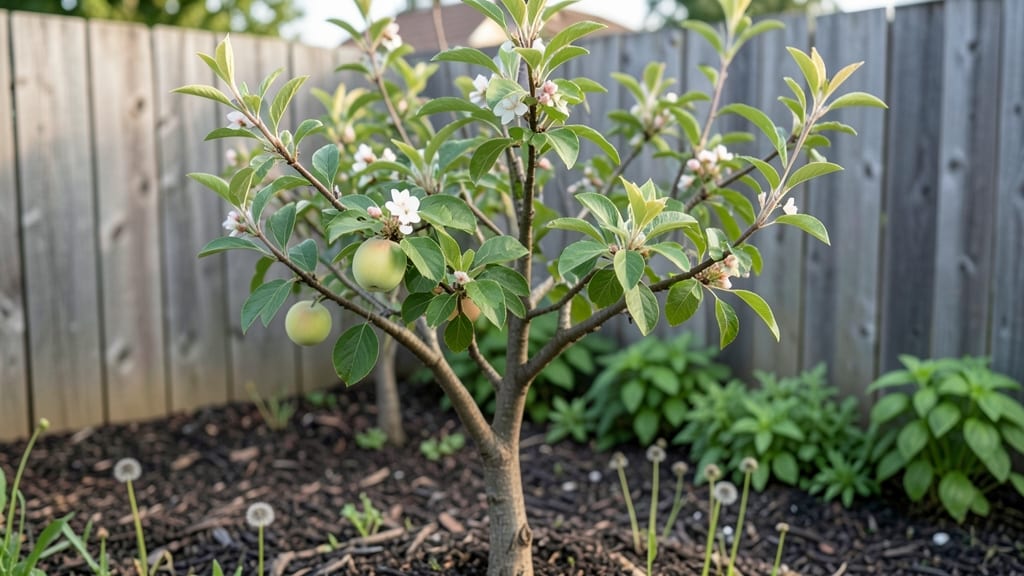
Your Eldorado peach tree’s cold-hardy branches hold the secret to bountiful harvests in the Pacific Northwest’s unpredictable climate—if you prune them right.
I’ve watched this tree survive winters that would kill most peaches, then reward me with sweet, juicy fruit in July, all because I learned the canopy shaping tricks that keep it healthy through frost and drought.
The key isn’t just cutting back—it’s strategic pruning to balance airflow, sunlight, and winter hardiness. You’ll need sharp pruners, a ladder for higher branches, and a clear day to work (no soggy wood!).
Start in late winter when the tree’s dormant, and you’ll see new growth by spring that’s stronger than ever. This isn’t guesswork; it’s a step-by-step system that turns a finicky tree into a reliable producer.
By summer’s end, you’ll have a tree that’s disease-resistant, fruit-laden, and still standing tall after winter storms. The branches will form an open canopy that lets sunlight reach every peach, and the wood will be sturdy enough to support heavy harvests.
Think of it as sculpting—not just trimming—but shaping the tree’s future.
This method works for urban backyards, rural orchards, or even large containers. Whether you’re dealing with a young sapling or a mature tree that’s outgrown its space, the same principles apply. Let’s get those branches in shape for next year’s harvest.
📚 In This Guide
- What you need
- Instructions
- Tips and common mistakes
- Wrapping up and next steps
What you need
- ● Pruning shears: Bypass pruners (sharp, clean, and disinfected with rubbing alcohol or bleach solution).
- ● Loppers: For branches ½" to 2" in diameter (extendable handles for reach!).
- ● Pruning saw: For thick branches (3"+ diameter)—folding saw for ease.
- ● Gloves: Heavy-duty, cut-resistant (peach trees have thorns!).
- ● Disposable pruning bags: 3–5 gallon size (for collecting debris).
- ● Rubbing alcohol (70%+) or bleach solution: 1 part bleach to 9 parts water (for sterilizing tools).
- ○ Tree wound paint or pruning sealant: Optional but helpful for large cuts (½ pint jar).
- ● Ladder or step stool: Sturdy, tall enough to reach the tree’s canopy safely.
- ● Notebook & pencil: To sketch your pruning plan (or jot down notes on branch IDs).
- ● Hand saw or reciprocating saw: For stubborn, oversized branches.
- ● Pole pruner: Extendable tool for high branches (saves ladder time!).
- ● Tree banding tape: To mark branches for removal (bright colors like red or yellow).
- ● Compost bin: For repurposing pruned branches (great for mulch!).
- ● Safety goggles: Protects eyes from debris (especially when using a saw).
Step-by-step instructions for pruning your Eldorado peach tree
Here's how to shape a cold-hardy, productive canopy—my go-to method for Pacific Northwest growers.
Time Your Pruning for Best Results
Prune your Eldorado peach tree late winter to early spring, ideally 2-3 weeks before bud break when the tree is still dormant. This timing prevents disease spread and encourages strong new growth. In the Pacific Northwest, aim for February or March—after the worst winter cold but before leaves emerge.
If you missed the window, you can do light pruning in summer after harvest, but avoid heavy cuts. The tree's energy is focused on fruit production then, not recovery. Watch for swollen buds along branches—they signal it's time to start.
Remove Dead, Diseased, and Weak Wood
Start by cutting out dead, broken, or diseased branches using clean, sharp pruners. Look for branches with blackened bark, cankers, or oozing sap—these are signs of infection. Cut back to healthy wood (green bark with no lesions) and sterilize your tools between cuts with rubbing alcohol.
Next, remove weak or crossing branches that rub against each other. These create wounds and reduce airflow, inviting pests. Thin the canopy by 20-30% to improve light penetration. You'll see stronger central branches after this step—this is your tree's foundation for better fruiting.
Shape the Canopy for Cold Hardiness
Eldorado peaches thrive with an open-center shape that allows sunlight to reach the center and warms the fruit for better ripening. Start by selecting 3-4 main scaffold branches spaced evenly around the trunk. These should be well-attached, sturdy, and angled outward—they’ll support future growth.
Trim back any suckers (shoots growing from the base or roots) and water sprouts (fast-growing vertical shoots). These compete with fruit production. Leave buds facing outward on remaining branches—this encourages a rounded, productive shape. A properly shaped tree will have even light distribution and fewer winter damage risks.
Refine for Fruit Production and Airflow
Focus on fruit-bearing branches—these are shorter, thicker shoots with spurs (small, stubby branches). Prune back last year’s fruit wood by one-third to encourage new spurs. Cut just above an outward-facing bud to maintain an open structure. Avoid cutting into the collar (the swollen area where branches meet the trunk)—this can invite rot.
Thin out overcrowded branches to improve airflow, which reduces humidity and fungal diseases like brown rot. Aim for 6-8 inches of space between branches. You’ll notice fewer leaf spots and healthier fruit after this step—your tree will thank you with bigger, sweeter peaches.
Clean Up and Monitor for Recovery
Rake up and dispose of all pruned debris—don’t compost it, as diseases can linger. Sterilize your tools again with rubbing alcohol before storing. Water the tree deeply after pruning to help it recover, especially if you’ve made large cuts. A 2-3 inch soak at the base encourages root growth.
Watch for new shoots emerging from the pruned areas within 2-3 weeks. These indicate the tree is healing well. Avoid pruning again until next winter—giving the tree a full growing season to recover ensures stronger wood and better fruit production next year.
Tips & tricks for pruning your Eldorado peach tree
Real talk: Pruning might seem intimidating, but these small details make all the difference for your Eldorado peach tree's health and fruit production.
Timing is Everything: The late winter to early spring window (2-3 weeks before bud break) is critical for disease prevention and strong growth. I've seen trees struggle when pruned too early—cold snaps can stress newly cut wood. In the Pacific Northwest, February or March is your sweet spot. If you miss this window, summer pruning is an option, but keep cuts light to avoid stressing the tree during fruit production.
Tool Prep Matters: Sterilize your pruners with rubbing alcohol between cuts—this is non-negotiable for preventing disease spread. I learned this the hard way after seeing brown rot spread through my orchard. Also, make clean cuts at a 45-degree angle just outside the branch collar to promote faster healing. Sharp tools make all the difference in creating smooth cuts that seal properly.
Visual Cues for Pruning Decisions: When shaping your canopy, look for branches that form a V-shape with the trunk—these are your strong scaffold branches. Remove any that cross or rub against others, as these create wounds that invite pests. The 20-30% thinning target might seem arbitrary, but it's about creating space for sunlight to reach the center of the tree. You'll know you've done it right when you can see light filtering through the canopy on a sunny day.
Recovery Check: After pruning, watch for new shoots emerging within 2-3 weeks—this is your tree's way of telling you it's healing well. I always give my trees a deep watering (2-3 inches) after pruning, especially if I've made large cuts. This encourages root growth and helps the tree recover faster. Avoid pruning again until next winter to give your tree a full growing season to strengthen.
Pro Tips for Eldorado Peach Tree
- Real talk: Pruning might seem intimidating, but these small details make all the difference for your Eldorado peach tree's health and fruit production.
- Timing is Everything: The late winter to early spring window (2-3 weeks before bud break) is critical for disease prevention and strong growth.
- Tool Prep Matters: Sterilize your pruners with rubbing alcohol between cuts—this is non-negotiable for preventing disease spread.
Frequently asked questions
Got questions about pruning your Eldorado peach tree? You’re not alone!
Here are answers to the most common concerns—from timing to troubleshooting—so you can keep your tree thriving in the Pacific Northwest’s chilly climate.
When is the best time to prune my Eldorado peach tree?
The ideal window is late winter or early spring (February–March), before buds swell but after harsh frosts. Avoid pruning in fall—it invites disease. For heavy pruning, do it in stages: first in late winter (to shape) and lightly after harvest (to remove dead wood). Pro tip: Wait until temps stay above 40°F (4°C) to prevent shock.
How cold-hardy is the Eldorado peach tree, and does pruning affect its winter resilience?
The Eldorado is one of the most cold-hardy peach varieties, tolerating down to -20°F (-29°C) with proper care. Pruning correctly improves cold resilience by:
- Opening the canopy for sunlight penetration (prevents frost pockets).
- Removing weak or crossing branches (reduces ice damage).
- Avoiding late-season cuts (stubs heal slower in cold).
Can I prune my Eldorado peach tree too much? What are the signs?
Yes! Over-pruning stresses the tree, leading to:
- Reduced fruit yield (fewer blooms next season).
- Weak regrowth (long, leggy branches).
- Susceptibility to disease (open wounds attract pests).
Will pruning my Eldorado peach tree improve fruit quality or size?
Strategic pruning:
- Boosts fruit size by reducing competition for nutrients.
- Enhances sun exposure = sweeter, riper peaches.
- Prevents overcrowding (fewer but larger, healthier fruits).
- Removing suckers (shoots at the base).
- Thinning overlapping branches (aim for an open-center shape).
- Cutting water sprouts (vertical shoots with no fruit).
What should I do if my Eldorado peach tree isn’t recovering after pruning?
If your tree shows slow regrowth, yellow leaves, or oozing wounds, try these fixes:
Issue
Solution
Stunted growth
Apply a balanced fertilizer (10-10-10) in early spring. Avoid high-nitrogen if leaves are too lush (prone to disease).
Oozing sap
Seal cuts with pruning sealant (or beeswax) to prevent bacterial entry. Note: Small cuts don’t always need sealant—peach trees heal well!
Fungal spots
Prune infected branches (sterilize tools with 70% alcohol between cuts). Spray with copper fungicide if needed.
No new leaves
Check for root rot (soggy soil = bad). Improve drainage and reduce watering if soil stays damp.
Wrapping up and next steps
Growing a thriving Eldorado peach tree in the Pacific Northwest starts with mastering its unique pruning needs—especially in cold climates! By following these canopy secrets, you’ll ensure better fruit production, disease resistance, and a healthier tree year after year. 🌿✂️
Ready to take the next step? Mark your calendar for late winter or early spring—when your Eldorado peach tree is still dormant—and grab those pruners! With patience and practice, you’ll soon be harvesting juicy, cold-hardy peaches that outshine the rest. Happy pruning!