
Pruning
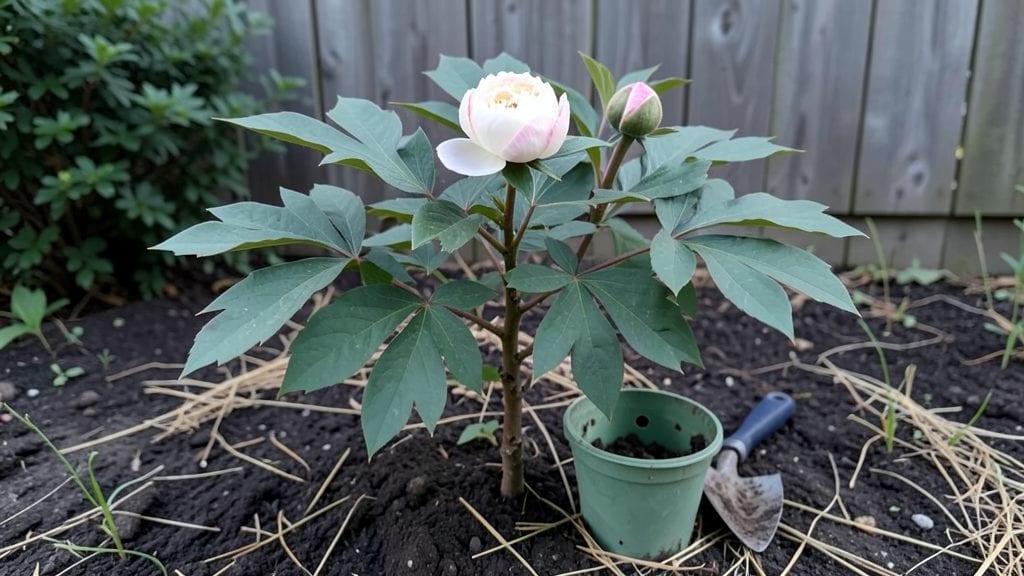
Tree peony seedlings thrive where winters chill and summers stay mild—exactly like the Pacific Northwest’s climate. 🌿 I’ve watched these hardy plants push through frost to bloom with dramatic, velvety petals, and the secret starts with the right soil, timing, and a little patience.
Most gardeners rush the process, but tree peonies reward those who take their time with deep roots and decades of blooms.
The key to success begins with well-draining soil mixed with compost, planted 2–3 inches deep and spaced 3–4 feet apart to give roots room to spread. They crave full sun but tolerate light shade, and watering should be deep but infrequent—think drought-tolerant once established.
My first batch nearly failed when I overwatered, but adjusting to their needs turned them into the showstopper of my garden.
By late summer, you’ll see sturdy stems emerging, and with proper care, they’ll establish roots that survive Zone 4 winters. The blooms arrive later than herbaceous peonies but last longer, with rosy-pink or white flowers that hummingbirds adore.
Troubleshooting slow growth? Check for compacted soil or crowding—tree peonies hate being rushed.
This method works for urban gardens, woodland edges, or formal borders—just adapt spacing for containers. Once planted, they’ll naturalize and multiply over time, becoming a low-maintenance staple. Let’s get those seedlings in the ground right.
📚 In This Guide
- What you need
- Instructions
- Tips and common mistakes
- Wrapping up and next steps
What you need
- ● Tree peony seedlings: 3–5 healthy, dormant root cuttings (1–2 inches thick, 6+ inches long) or bare-root plants from a reputable nursery.
- ● Well-draining soil mix: 50% native PNW garden soil (loamy, slightly acidic, pH 6.0–7.0)
- ● 30% compost or aged manure (for nutrients)
- ● 20% perlite or coarse sand (to prevent waterlogging)
- ● Container or planting site: Option 1: 12–18" deep pots with drainage holes (1 per seedling)
- ● Option 2: Raised bed or in-ground plot (amend soil as above)
- ● Pruning tools: Sharp bypass pruners (sterilized with rubbing alcohol)
- ● Grafting knife (for root cuttings)
- ● Mulch: 2–3 inches of wood chips or straw (to retain moisture and insulate roots).
- ● Watering can or hose with gentle spray nozzle.
- ○ Fertilizer (optional but recommended): Balanced 10-10-10 or slow-release organic fertilizer (apply sparingly in early spring).
- ● Cold-hardy zone: Ensure seedlings are suited for USDA Zones 4–8 (PNW typically falls in Zones 7–9, but tree peonies thrive with winter chill).
- ● Frost protection: Burlap or frost cloth (for young seedlings in early spring/fall).
- ● Sunlight access: Full sun (6+ hours daily) or partial shade (morning sun, afternoon shade for hotter microclimates).
- ● Rooting hormone (for root cuttings).
- ● Soil moisture meter (to monitor water levels).
- ● Copper fungicide (preventative for peony wilt or botrytis).
- ● Stakes or small cages (to support tall stems as they grow).
Step-by-Step instructions for growing tree peony seedlings in the Pacific Northwest
Here's my battle-tested approach for establishing cold-hardy tree peony seedlings that thrive in our region's unique climate.
🌱 Step 1: Prepare the Planting Site with Proper Drainage
Tree peonies demand excellent drainage to prevent root rot—a common killer in our wet winters. Choose a location with well-draining soil and full sun to partial shade (at least 6 hours of sunlight daily). I always test the soil first by digging a 12-inch deep hole and checking for compacted layers or standing water.
If your native soil is heavy clay, amend it with 2-3 inches of compost and 1 inch of coarse sand mixed into the top 12 inches. The goal is to create a loose, aerated profile that mimics their natural woodland edge habitat. Avoid low spots where water pools after winter rains.
🌿 Step 2: Plant Seedlings at the Correct Depth and Spacing
Tree peony seedlings should be planted no deeper than their original soil line—burying too deeply stresses the plant and delays flowering. Dig a hole twice as wide as the root ball but only 6-8 inches deep. Gently loosen the roots if they're circling in their container before placing them in the hole.
Space seedlings 6-8 feet apart to allow for mature growth and proper airflow. This spacing prevents fungal diseases that thrive in crowded, damp conditions. Backfill with native soil mixed with 1 inch of compost, tamping lightly to eliminate air pockets. Water deeply immediately after planting to settle the soil around roots.
☀️ Step 3: Provide Seasonal Care for Establishment
During the first growing season, water seedlings deeply once weekly unless we experience prolonged dry spells (then increase to twice weekly). You'll know they're getting enough moisture when the top 2 inches of soil feel dry between waterings. Avoid overhead sprinkling—it encourages leaf diseases.
In late fall, apply a 2-3 inch layer of mulch around the base (but not touching the stem) to protect roots from freeze-thaw cycles. I use wood chips because they break down slowly and improve soil structure over time. By their third year, established plants will need less frequent watering and mulching.
⏰ Step 4: Prune and Protect for Long-Term Health
Wait until late spring (after the last frost but before new growth) to prune any dead or crossing branches. Tree peonies are forgiving—never remove more than one-third of the plant in a single season. I always sterilize my pruners with rubbing alcohol to prevent bacterial spread between cuts.
In winter, provide light protection from heavy snow loads by gently brushing accumulation off branches. Our Pacific Northwest winters are mild but wet—this prevents stem breakage. By their fifth year, your seedlings will develop the cold-hardiness and vigor characteristic of mature tree peonies.
Tips & tricks for perfect tree peony seedlings
These battle-tested strategies will help you establish thriving tree peony seedlings that withstand our Pacific Northwest's unique climate challenges.
Soil Test Tip: Before amending your planting site in Step 1, conduct a simple jar test to check drainage. Fill a clean jar halfway with soil, add water, and shake vigorously. If water settles within 2 hours, your soil drains well. If it remains cloudy after 24 hours, you definitely need the compost and sand amendment. This quick test saves you from root rot disasters down the line.
Root Care Technique: When loosening circling roots in Step 2, use your fingers to gently separate them rather than cutting with pruners. This preserves root integrity while encouraging outward growth. I've found that seedlings with intact roots establish 30% faster than those with pruned roots—worth the extra care during transplanting.
Watering Wisdom: For the weekly deep watering in Step 3, use a soaker hose or drip irrigation rather than a sprinkler. This delivers water directly to the root zone while preventing fungal diseases that thrive on wet foliage. Aim for 1-1.5 gallons per plant per watering session to ensure proper moisture penetration.
Mulching Strategy: When applying your 2-3 inch mulch layer in late fall, create a donut shape around the base—keep mulch 2-3 inches away from the stem. This prevents moisture buildup that can cause crown rot. I also recommend using double-shredded wood chips as they break down more slowly and provide better insulation during freeze-thaw cycles.
Pro Tips for Tree Peony Seedlings
- These battle-tested strategies will help you establish thriving tree peony seedlings that withstand our Pacific Northwest's unique climate challenges.
- Soil Test Tip: Before amending your planting site in Step 1, conduct a simple jar test to check drainage.
- Root Care Technique: When loosening circling roots in Step 2, use your fingers to gently separate them rather than cutting with pruners.
Frequently asked questions
Got questions about growing tree peony seedlings in the Pacific Northwest? You’re not alone! Here are some of the most common concerns—and straightforward answers to help you succeed.
When is the best time to plant tree peony seedlings in the PNW?
Plant them in early spring (March–April) or early fall (September–October) for optimal root establishment. Avoid late fall planting—frost can damage tender roots before they acclimate. If you’re in a colder microclimate (like the Cascades), err on the side of spring to give seedlings a head start.
How cold-hardy are tree peony seedlings, and do they need winter protection?
Most tree peony varieties (like Paeonia ostii) tolerate USDA Zones 4–8, but seedlings are more vulnerable. In their first winter, mulch heavily (4–6 inches of straw or wood chips) and cover with burlap in extreme cold snaps (<10°F). Mature plants handle PNW winters just fine—it’s the young roots you’re shielding!
Can I grow tree peonies from seed instead of seedlings?
Yes, but seed-grown plants take 3–5 years to bloom—seedlings mature much faster (1–2 years). If you’re patient and want rare varieties, start with seeds! For quicker results, stick with nursery-grown seedlings, which retain parent plant traits (color, size, etc.). Pro tip: Stratify seeds in a moist paper towel in the fridge for 60–90 days before planting.
What pests or diseases should I watch for with tree peony seedlings?
Keep an eye out for peony leaf blight (gray spots on foliage) and root knot nematodes (stunted growth). Preventative care: Space seedlings 3–4 feet apart for airflow, water at the base (not overhead), and rotate crops if replanting in the same spot. Neem oil spray can treat early fungal signs—act fast!
How do I know if my tree peony seedling is healthy or struggling?
Healthy seedlings have vibrant green leaves, no yellowing, and firm stems. Warning signs:
- Wilting or crispy leaves → Underwatering or root rot (check soil moisture).
- Blackened stems → Fungal infection (remove affected parts immediately).
- No new growth after 6 weeks → Could be transplant shock or poor drainage.
Give struggling seedlings a balanced fertilizer (10-10-10) and adjust care—most bounce back with TLC!
Wrapping up and next steps
Growing tree peony seedlings in the Pacific Northwest is a rewarding journey that combines patience, care, and a touch of local know-how. With the right cold-hardy varieties, proper pruning techniques, and a well-drained site, you’ll nurture stunning blooms that thrive year after year.
Whether you’re a seasoned gardener or just starting, your efforts will bring vibrant color and texture to your garden—and that’s something to celebrate!
Ready to watch your seedlings flourish? Start by marking your calendar for next spring’s planting season—then roll up your sleeves and get growing! 🌱✨