
Pruning
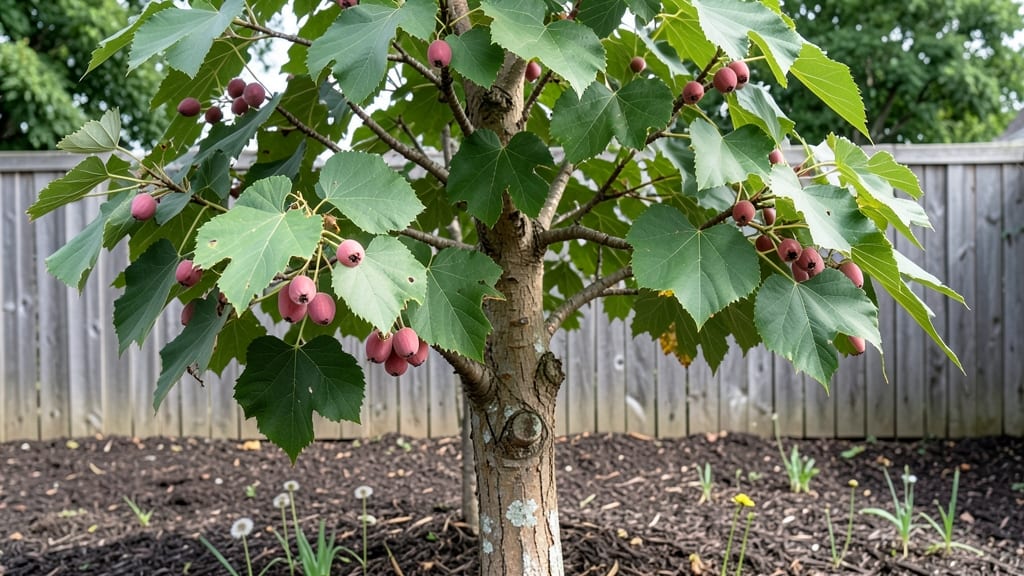
Female mulberry trees are the unsung heroes of backyard fruit production—packing sweet, juicy berries that ripen in waves from late spring through summer. 🌿 I planted mine last fall, and by June, we had enough fruit to share with neighbors (and the local squirrels).
The key to keeping these trees productive? Frost-hardy pruning that balances winter survival with summer bounty.
These trees thrive in full sun and tolerate poor soil better than most fruit trees, but they need consistent moisture when young.
My tree now stands 12 feet tall with a sturdy trunk, and the secret was pruning in late winter to remove dead wood while leaving enough branches for fruit clusters. The first harvest was so heavy the branches bowed—proof that female mulberries deliver when cared for properly.
You’ll end up with a tree that produces fruit earlier and longer than most garden varieties, plus the satisfaction of pruning that actually improves next year’s harvest.
The berries are perfect for fresh eating, baking, or drying, and the tree’s dense canopy provides shade too. Ready to grow one that keeps giving?
Works in zones 5-9, though colder climates need extra winter protection. The pruning schedule adjusts slightly by region—let’s get into the details that make the difference between a struggling tree and a fruit-bearing powerhouse.
📚 In This Guide
- What you need
- Instructions
- Tips and common mistakes
- Wrapping up and next steps
What you need
- ● Female mulberry tree sapling (ensure it’s Morus alba or Morus rubra—verify with the nursery!)
- ● Pruning shears (bypass type, sharp, and sterilized with rubbing alcohol)
- ● Loppers (for thicker branches, 16-20 inch reach)
- ● Pruning saw (if branches exceed 2 inches in diameter)
- ● Gloves (heavy-duty, cut-resistant for thorns)
- ● Disinfectant (bleach solution 1 part bleach : 9 parts water or hydrogen peroxide)
- ● Compost or mulch (3-4 inches of organic matter like wood chips or straw)
- ● Watering can or hose (with adjustable nozzle for gentle watering)
- ● Staking kit (if planting in windy areas: 2-3 stakes + ties)
- ● Frost cloth or row cover (for young trees in cold climates)
- ● Tree wrap (for young bark protection in winter)
- ● Soil pH tester (ideal range: 6.0–7.0)
- ● Organic fertilizer (balanced 10-10-10 or mulberry-specific blend)
- ● Bird netting (to protect ripening fruit from pests)
- ● Wheelbarrow (for hauling mulch/pruned branches)
- ● Label tags (to track planting dates and pruning schedules)
Step-by-step instructions for planting and pruning a female mulberry tree
Here's how to establish a thriving tree that rewards you with fruit year after year.
🌱 Step 1: Choose the Perfect Planting Location and Prepare the Site
Female mulberry trees need full sun—at least 6-8 hours daily—and plenty of space to spread. I always pick a spot with 6-8 feet of clearance around the trunk for mature branches. Avoid low areas where cold air settles, as mulberries are frost-sensitive when young.
Dig a hole twice as wide as the root ball but only as deep—the top of the root ball should sit 1-2 inches above ground level. This prevents water pooling around the roots. Mix the native soil you removed with 2 inches of compost to give your tree a nutrient boost right from planting.
🪴 Step 2: Plant with Proper Support and Watering
Gently remove the tree from its container and loosen any circling roots with your fingers. Place it in the hole so the root flare (where roots meet trunk) is visible above the soil line. Backfill with the soil-compost mix, tamping lightly every 6 inches to eliminate air pockets.
Water deeply right after planting—10-15 gallons—to settle the soil and encourage root spread. Mulch the base with 3-4 inches of organic mulch (like wood chips) but keep it 6 inches away from the trunk to prevent rot. This mulch ring helps regulate soil temperature and retains moisture.
✂️ Step 3: Prune for Structure and Frost Protection
Wait until late winter or early spring before new growth begins to prune. Remove dead, crossing, or weak branches first—these compete with fruit production. I always cut just outside the branch collar (the swollen area where the branch meets the trunk) to promote faster healing.
For frost protection, shape the tree into a modified central leader form: keep one strong central trunk with 3-5 scaffold branches spaced 12-18 inches apart. This open structure lets sunlight penetrate and air circulate, reducing winter damage. Thin out 25% of the branches in the first year to reduce stress.
☀️ Step 4: Maintain Through the Growing Season
Water deeply once a week during the first growing season, aiming for 1-2 inches of water per week. Mulberries are drought-tolerant once established, but young trees need consistent moisture. You'll know it's enough when the top 2 inches of soil feel damp but not soggy.
Fertilize lightly in early spring with 10-10-10 fertilizer (about ½ cup per year of tree age). Too much nitrogen leads to leafy growth at the expense of fruit. Watch for powdery mildew on leaves—this is common in humid climates. If you see it, prune for airflow and apply neem oil as needed.
Tips & tricks for frost-hardy mulberry tree care
Real talk: The difference between a struggling mulberry tree and one that bears fruit reliably every year often comes down to these simple adjustments.
Location is Everything: That 6-8 feet of clearance around your tree isn't arbitrary—it's about creating space for branches to grow strong without rubbing together. I learned this the hard way when my first tree's branches tangled during winter storms. Also, those frost pockets in low areas? They'll kill tender new growth. If your yard has microclimates, test a few spots with a thermometer before planting.
Root Health Starts at Planting: The 2 inches of compost mixed into your native soil isn't just about nutrients—it's about creating the perfect air-to-water ratio in the root zone. I always add a handful of mycorrhizal fungi powder to the hole too (optional but game-changing). This helps roots establish faster, especially in clay soils. And that 1-2 inch elevation above ground level? It prevents rot during heavy rains.
Pruning Precision Pays Off: When you're shaping that modified central leader form, pay special attention to those 3-5 scaffold branches. They should emerge at least 12 inches apart and form a natural V-shape. I use a sharp bypass pruner and make cuts just outside the branch collar—this prevents unsightly stubs that can invite disease. In Step 3, if you're unsure which branches to remove, remember: thin branches that cross or grow inward first.
Watering Wisdom: That 10-15 gallons of water after planting isn't just about settling soil—it's about encouraging roots to spread outward rather than staying compacted. For the weekly 1-2 inches during the first year, I set up a drip irrigation system on a timer. This ensures consistent moisture without overwatering. And that damp-but-not-soggy test? Stick your finger in—if water beads up on the surface, you've gone too far.
Pro Tips for Female Mulberry Tree
- Real talk: The difference between a struggling mulberry tree and one that bears fruit reliably every year often comes down to these simple adjustments.
- Location is Everything: That 6-8 feet of clearance around your tree isn't arbitrary—it's about creating space for branches to grow strong without rubbing together.
- Root Health Starts at Planting: The 2 inches of compost mixed into your native soil isn't just about nutrients—it's about creating the perfect air-to-water ratio in the root zone.
Frequently asked questions
Got questions about growing and maintaining a female mulberry tree? You’re not alone! Here are some of the most common concerns—plus quick, practical answers to keep your tree thriving and productive.
Do female mulberry trees need a male tree to produce fruit?
Yes! Female mulberry trees (Morus alba or Morus nigra) require pollen from a male tree to bear fruit. Without a male nearby (within ~50 feet), you’ll get flowers but no berries. Plant a male cultivar like ’Illinois Everbearing’ or ’White Knot’ to ensure pollination. Pro tip: Some female varieties are self-fertile, but yields are often higher with a male companion.
How cold-hardy are female mulberry trees, and do they need winter protection?
Female mulberry trees are surprisingly frost-hardy, surviving down to -15°F to -20°F (USDA Zones 5-9). Young trees may benefit from mulch (3–4 inches) around the base to insulate roots. Prune in late winter/early spring to remove dead wood, but avoid heavy cuts—mulberries bloom on old wood! For extreme winters, wrap the trunk with burlap if needed.
When is the best time to prune a female mulberry tree for fruit production?
Prune female mulberry trees in late winter or early spring (before buds swell) to shape the tree and remove dead/diseased branches. Avoid summer pruning, as it can reduce next year’s fruit set. Focus on opening the canopy for airflow ( prevents fungal issues) and thinning branches to encourage larger berries. Never prune after harvest—this triggers new growth that won’t harden before winter.
Why aren’t my female mulberry tree’s berries ripening evenly?
Uneven ripening is common! Female mulberry trees produce fruit in waves, with some branches bearing earlier than others. Thin clusters to 6–8 inches apart to improve size/quality, and ensure consistent sunlight reaches all branches. Poor pollination (lack of male trees) or nutrient deficiencies (low potassium/magnesium) can also cause patchy ripening. Test soil pH (ideal: 6.0–7.0) and fertilize lightly in early spring if needed.
Can I grow female mulberry trees in containers, or do they need ground planting?
While mulberry trees can grow in large containers (15+ gallons), they’re not ideal long-term. Roots grow aggressively, and the tree may outgrow its pot quickly. If container-grown, use a fast-draining mix, prune roots annually, and move the pot every 2–3 years. For best results, plant in well-drained soil with full sun (6+ hours daily). Note: Mulberries are invasive in some areas—check local regulations before planting!
Wrapping up and next steps
Growing a female mulberry tree is a rewarding journey—whether you’re harvesting sweet fruit, supporting pollinators, or simply enjoying its hardy resilience! With the right pruning techniques, you’ll ensure year-round productivity and a thriving tree that adapts to frost and seasonal changes. 🌿✨
Ready to take the next step? Start by observing your tree’s growth patterns and adjusting your pruning schedule to match its needs. Before you know it, you’ll be savoring fresh mulberries straight from your backyard!