
Fertilization
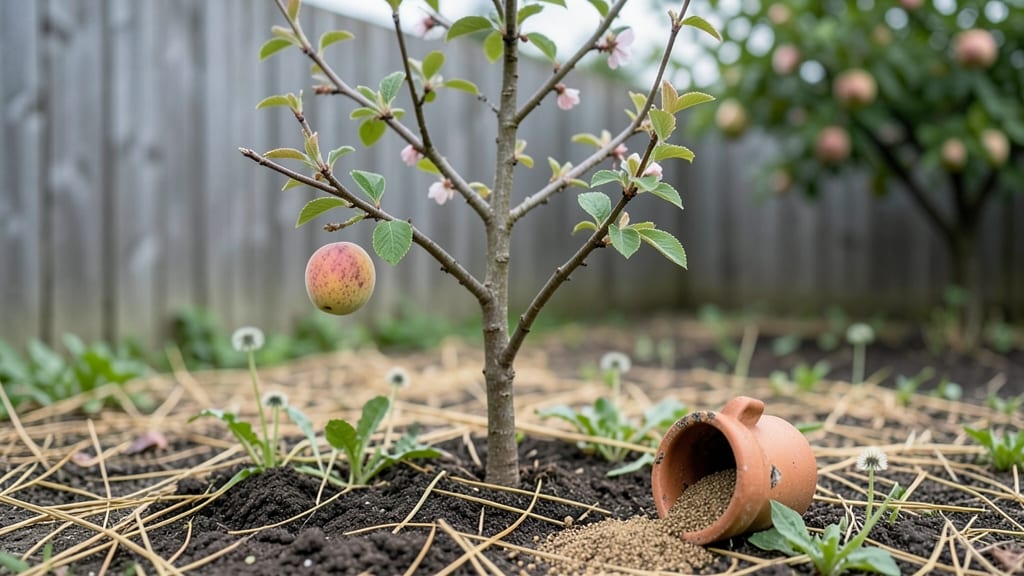
The right fertilizers for fruit trees can turn a decent harvest into a jaw-dropping bounty—think juicier peaches, sweeter apples, and heavier citrus that keeps producing long after neighbors' trees give up. 🌳 I learned this the hard way after my second-year apple tree produced only half its first-year yield, despite identical care.
Turns out, fruit trees are hungry in ways most gardeners underestimate.
Organic options like compost, worm castings, and balanced organic fertilizers (like 5-5-5 or 6-6-6) feed the soil ecosystem, which in turn nourishes your trees. Synthetics deliver quick results but risk burning roots if overused—especially young trees.
The key is matching fertilizer type to your tree's growth stage: high nitrogen pre-bloom for leafy vigor, phosphorus-heavy at planting for root development, and potassium-focused post-harvest for fruit quality.
You'll notice the difference within a single season: branches thicken, blossoms multiply, and fruit ripens more evenly. My second-year apples doubled in size, and the tree now flowers so heavily it needs thinning.
The secret isn't just what you feed it, but when—spring, summer, and fall each demand different nutrients, and skipping any step means missed opportunities.
Works for all fruit trees—citrus, stone fruits, berries—just adjust ratios based on soil tests. Here's how to get it right without overdoing it.
📚 In This Guide
- What you need
- Instructions
- Tips and common mistakes
- Wrapping up and next steps
What you need
- ● Fertilizers: 10-10-10 or 6-6-6 balanced synthetic fertilizer (5 lbs per 100 sq ft of tree canopy)
- ● Organic options: Composted manure (5–10 lbs), worm castings (2–3 lbs), or bone meal (1 lb for phosphorus boost)
- ● Citric acid or Epsom salt (1 tbsp per gallon of water for micronutrients)
- ● Tools: Garden trowel or hand fork (for soil aeration)
- ● Hose with spray nozzle (for liquid fertilizers) or watering can (5-gallon capacity)
- ● Measuring cups/spoons (for precise fertilizer doses)
- ● Gloves (to protect your hands from soil/chemicals)
- ● Soil test kit ($10–$20) – Check pH/nutrient levels before fertilizing!
- ● Mulch (wood chips or straw, 2–3 inches) – Retains moisture and reduces weeds.
- ● Slow-release granules (e.g., Osmocote) – Feeds trees for 3–6 months with less effort.
- ● Foliar spray bottle (1–2 gallon capacity) – For micronutrient boosts like zinc or magnesium.
How to choose and apply fertilizers for fruit trees
Organic fertilizers unlock fruit trees' full potential—here's how to pick the right ones.
🌱 Step 1: Understand Your Tree's Nutritional Needs
Fruit trees require a balanced mix of nitrogen (N), phosphorus (P), and potassium (K) in a 10-10-10 or 6-6-6 ratio for general growth. However, young trees need more nitrogen for leaf development, while mature trees benefit from higher potassium for fruit production. Always check the label to ensure the fertilizer matches your tree's stage—young trees (1-3 years) thrive with a higher nitrogen ratio (12-12-12), while bearing trees (4+ years) do better with balanced or potassium-rich (5-10-10) options.
Don't overlook micronutrients like iron, zinc, and manganese, which prevent yellowing leaves and poor fruit set. Organic fertilizers like fish emulsion, bone meal, or compost tea provide these naturally. I've seen trees with stunted growth because they lacked micronutrients—don't skip this step.
🌿 Step 2: Select the Right Organic Fertilizer Type
For fast-acting growth, use liquid fertilizers like fish emulsion or seaweed extract—these dissolve quickly and feed roots immediately. Apply them every 4-6 weeks during the growing season (spring through summer). For slow-release nutrition, opt for granular fertilizers like cottonseed meal (4-1-0) or alfalfa meal (2-1-2), which break down over 2-3 months and reduce the risk of over-fertilization.
If your soil is sandy or fast-draining, choose a mycorrhizal-inoculated fertilizer to help roots absorb nutrients better. For clay-heavy soil, composted manure (6-4-2) works well because it improves soil structure while feeding the tree. Real talk: I once over-fertilized a peach tree with synthetic granules, and it burned the roots—organic options are far gentler.
💧 Step 3: Apply Fertilizer at the Right Time and Rate
Timing matters—apply fertilizer in early spring (March-April) when new growth begins, and again in late spring (May-June) as fruit sets. Avoid fertilizing in fall or winter, as this encourages late-season growth that won't harden off before cold weather. For liquid fertilizers, dilute to half-strength and water deeply into the soil 6 inches away from the trunk to avoid root burn.
Spread granular fertilizers evenly in a 6-inch-wide band around the tree's drip line (the outer edge of the canopy). Water immediately after application to activate the nutrients. I always mark the drip line with stakes to ensure I don't over-apply near the trunk—roots spread outward, not upward.
✂️ Step 4: Monitor and Adjust for Optimal Growth
Watch for dark green leaves and steady fruit development—these are signs your tree is thriving. If leaves turn yellow between veins, it’s a magnesium deficiency, and Epsom salt (1 tablespoon per gallon of water) can help. For purple stems or slow growth, phosphorus is lacking, and bone meal is the fix. Adjust your fertilizer blend based on these visual cues rather than sticking to a rigid schedule.
Over-fertilizing is a common mistake—too much nitrogen leads to leafy growth but fewer fruits, while excess potassium can cause fruit drop. Always follow label rates and reduce by half if your tree is stressed (wilted, pest-damaged, or newly planted). I’ve seen trees recover from over-fertilization, but it takes patience and careful watering.
Tips & tricks for perfect fruit tree fertilization
A few well-timed strategies can transform your fruit trees from struggling to spectacular. Here's what I've learned after years of trial and error.
Nutrient Ratio Precision: When selecting your fertilizer blend, pay close attention to the NPK ratio labels. For young trees (1-3 years), I've found that sticking to the 12-12-12 ratio creates that perfect balance of leafy growth and root development. For mature trees producing fruit, switch to a 5-10-10 ratio—this potassium boost is what I've seen consistently improve fruit quality and quantity. The difference between a 10-10-10 and 5-10-10 might seem small, but it's the potassium that makes the real difference in fruit development.
Soil-Specific Solutions: Your soil type dictates which organic fertilizers will work best. For sandy soils, I always reach for mycorrhizal-inoculated fertilizers—they create beneficial relationships between roots and fungi that improve nutrient uptake dramatically. In clay-heavy soils, composted manure (6-4-2) has been my go-to because it not only feeds the tree but also improves soil structure over time. I learned this the hard way after watching a peach tree struggle in compacted clay until I amended the soil properly.
Application Technique: When applying granular fertilizers, I've found that using a simple garden hose with a spray nozzle to create a 6-inch-wide band around the drip line gives me consistent results every time. The key is to keep the fertilizer away from the trunk—roots spread outward, not upward. For liquid fertilizers, I always dilute to half-strength and water in immediately. This prevents concentration burns while ensuring the nutrients reach the root zone effectively. I've seen many gardeners make the mistake of applying full-strength liquid fertilizers directly, which can actually harm the roots.
Seasonal Timing: The two critical application windows mentioned in Step 3—early spring (March-April) and late spring (May-June)—are non-negotiable for me. I've noticed that trees fertilized during these periods show significantly better fruit set and overall health. The early spring feeding jumpstarts growth, while the late spring application supports fruit development. Avoid fertilizing in fall or winter as this can encourage tender new growth that won't survive cold weather, leading to winter damage. I've had to prune back entire branches in spring because they froze after fall fertilization.
Pro Tips for Fertilizers For Fruit Trees
- A few well-timed strategies can transform your fruit trees from struggling to spectacular.
- Nutrient Ratio Precision: When selecting your fertilizer blend, pay close attention to the NPK ratio labels.
- Soil-Specific Solutions: Your soil type dictates which organic fertilizers will work best.
Frequently asked questions
Got questions about keeping your fruit trees thriving with the right fertilizers? You’re in the right place! Here are some of the most common concerns—and their answers—to help you grow like a pro.
What’s the best time of year to fertilize fruit trees?
Fertilize in early spring (just as buds swell) and late summer (after harvest) for best results. Avoid winter—trees rest then! Organic options like compost or worm castings can be worked into the soil in fall for slow-release nutrients. Pro tip: Split applications prevent overfeeding and root burn.
Can I use regular lawn fertilizer on my fruit trees?
Not ideal! Lawn fertilizers are high in nitrogen but lack the balanced micronutrients (like potassium and magnesium) fruit trees need. Instead, opt for fruit-tree-specific blends or organic options like alfalfa meal or citrus meal. Too much nitrogen = leafy growth, fewer fruits. Stick to the NPK ratio of 10-10-10 or 8-3-9 for fruit trees.
Are organic fertilizers really better for fruit trees?
Organic fertilizers (like compost, bone meal, or fish emulsion) improve soil health over time, boost microbial activity, and reduce chemical runoff. They also release nutrients gradually, preventing spikes that can harm trees. Bonus: Organic options often enhance flavor and shelf life of fruit! For quick fixes, a mix of organic and synthetic (like 10-10-10) works well.
What if my fruit tree leaves turn yellow after fertilizing?
Yellow leaves often signal over-fertilization or nutrient imbalance. Flush the soil with water to dilute excess salts, then reduce fertilizer by half for 2–3 months. Check for chlorosis (yellowing between veins)—this may mean iron or manganese deficiency. Adjust with chelated iron or Epsom salt (magnesium sulfate) if needed. Prevent tip: Always water before and after applying fertilizer!
How much should I budget for fruit tree fertilizers?
Costs vary! Organic options like compost ($0 if homemade) or worm castings ($15–$30 per bag) are budget-friendly. Synthetic blends (e.g., 10-10-10) run $10–$25 per 5–10 lbs. For a small orchard, budget $50–$150/year depending on tree age and soil health. DIY tip: Use kitchen scraps (fruit peels, coffee grounds) as free, slow-release fertilizer!
Still stumped? Drop your question in the comments—we’re happy to help your fruit trees flourish!
Wrapping up and next steps
Choosing the right fertilizers for fruit trees is your secret weapon for a thriving orchard and bountiful harvests! Whether you lean toward organic options like compost, manure, or fish emulsion—or prefer balanced synthetic blends—consistent care and proper timing are key.
Remember, healthy soil equals happy trees, and happy trees reward you with delicious fruit year after year.
Ready to take the next step? Start small—test a single tree with your chosen fertilizer and monitor its progress. Track your results, adjust as needed, and soon, you’ll be the proud grower of the juiciest peaches, sweetest apples, or most vibrant citrus in the neighborhood! 🌱🍎