
Pruning
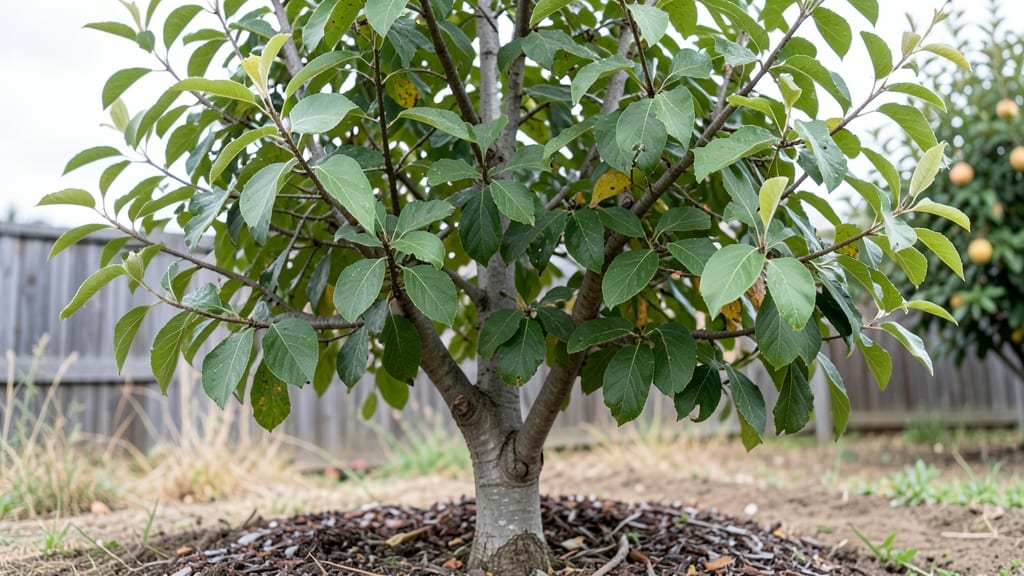
Growing a Florida Belle peach tree in subtropical climates means you can harvest sweet, freestone peaches twice a year—if you nail the care routine. 🌱 The key lies in protecting it from cold snaps while keeping it productive year-round, and I’ve learned the hard way which steps matter most.
This tree thrives in Florida’s heat but needs well-draining soil with a slightly acidic pH (around 6.0–6.5) to prevent root rot. Planting in full sun and watering deeply twice a week (more in summer) keeps it happy, while winter protection—like wrapping the trunk or using frost cloth—saves it from damage.
The self-fertile nature means you only need one tree for a harvest.
Pruning in late winter encourages fruit-bearing branches, and regular checks for peach tree borers or fungal spots keep pests at bay. With the right care, you’ll enjoy juicy, 2-inch peaches from spring and fall, plus the satisfaction of growing a tree that outperforms store-bought fruit.
Perfect for Florida’s climate but adaptable to other warm regions—just adjust for local frost risks. Let’s get your tree bearing like a pro!
📚 In This Guide
- What you need
- Instructions
- Tips and common mistakes
- Wrapping up and next steps
What you need
- ● Florida Belle peach tree sapling – Purchase from a reputable nursery (ensure it’s disease-resistant and well-rooted).
- ● Well-draining soil mix – A blend of topsoil, compost, and sand (60:30:10 ratio) for optimal growth.
- ● Organic mulch – 2–3 inches of wood chips or pine straw to retain moisture and suppress weeds.
- ● Balanced fertilizer – 10-10-10 or 6-6-6 (apply in early spring and summer).
- ● Pruning tools – Sharp bypass pruners (for small branches), loppers (for medium branches), and a pruning saw (for thick limbs).
- ● Gloves & safety goggles – Protect your hands and eyes during pruning.
- ● Drip irrigation system or hose – Ensures consistent watering (peach trees need 1–2 inches per week).
- ○ Tree support stakes (optional) – 2–3 stakes and soft ties for young trees in windy areas.
- ● Pest/disease control – Copper fungicide (for fungal issues) and horticultural oil (for pests like aphids).
- ● A sunny location with at least 6–8 hours of direct sunlight daily.
- ● Full USDA Hardiness Zones 7–9 (Florida Belle thrives in warm climates).
- ● Space for the tree to mature (15–20 feet wide and tall).
- ● Access to a water source (peach trees are drought-sensitive).
Step-by-step year-round care for your Florida Belle peach tree
Here's how I keep my Florida Belle peach tree thriving and loaded with fruit—even in Florida's heat.
🌱 Step 1: Plant in Well-Draining Soil with Full Sun Exposure
Choose a planting location with 6-8 hours of direct sunlight daily. Florida Belle peaches tolerate heat but need protection from intense afternoon sun in summer. Amend native soil with 3-4 inches of organic compost to improve drainage—this tree hates soggy roots. Dig a hole twice as wide as the root ball but no deeper.
Position the tree so the graft union (visible bulge near the base) sits 1-2 inches above soil level. This prevents root rot and ensures strong top growth. Backfill with native soil mixed with compost, tamping gently to eliminate air pockets. Water deeply immediately after planting to settle the soil around roots.
☀️ Step 2: Water Deeply and Mulch to Retain Moisture
Water newly planted trees 2-3 times per week for the first month, providing 1-2 gallons per watering until the soil is 6-8 inches deep moist. Florida Belle trees develop deep roots, so deep watering encourages strong establishment. Check moisture by sticking your finger into the soil—it should feel damp but not wet.
Apply 3-4 inches of organic mulch (wood chips or pine straw) around the base, keeping it 6 inches away from the trunk. Mulch helps retain soil moisture and regulates temperature. Replenish mulch annually as it breaks down. Avoid over-mulching, which can suffocate roots and attract pests.
✂️ Step 3: Prune for Airflow and Fruit Production
Prune your Florida Belle in late winter or early spring before buds swell. Remove any dead, diseased, or crossing branches first. Then, thin the canopy to allow sunlight to penetrate to the center—this prevents fungal diseases and improves fruit quality. Aim to keep the tree open and vase-shaped for better airflow.
Focus on removing water sprouts (shoots growing vertically from the trunk or branches) and suckers (shoots growing from the base). These compete with fruit production. Cut back any branches growing toward the center of the tree. Sterilize pruning tools with rubbing alcohol between cuts to prevent disease spread.
💧 Step 4: Fertilize for Optimal Fruit Development
Apply a balanced fruit tree fertilizer (10-10-10 or similar) in early spring, just as new growth begins. Follow package instructions for application rates—typically ½ cup per year of tree age up to a maximum of 2 cups for mature trees. Work the fertilizer into the top 6 inches of soil around the drip line (the edge of the tree's canopy).
In late spring, switch to a low-nitrogen, high-phosphorus fertilizer (like 5-10-10) to encourage blooming and fruit set. Avoid high-nitrogen fertilizers during fruiting season, as they promote leafy growth at the expense of fruit. Always water the tree thoroughly after fertilizing to help nutrients penetrate the soil.
🌿 Step 5: Protect Against Florida-Specific Pests and Diseases
Monitor for peach tree borers and aphids, common pests in Florida. Look for sawdust-like frass (borer droppings) or curled leaves (aphid activity). Treat infestations early with horticultural oil or insecticidal soap. For borers, apply a band of sticky trap around the trunk to catch emerging adults.
Prevent fungal diseases like peach leaf curl by applying a copper fungicide in late fall or early winter. This is critical in Florida's humid climate. Space out waterings during fruiting season to avoid wet foliage, which encourages fungal growth. Remove and destroy any fallen fruit or leaves promptly to reduce disease pressure.
Tips & tricks for thriving Florida Belle peach trees
Real talk: Florida's heat and humidity can turn even the hardiest peach trees into struggling underachievers. These tricks will help your Florida Belle produce fruit like a champ year after year.
Sunlight Strategy: While your tree needs those crucial 6-8 hours of sunlight daily, don't ignore Florida's intense afternoon sun. I've found that planting on the north or northeast side of your property provides that full sun exposure while shielding from the harshest afternoon rays. For container-grown trees, rotate the pot every few weeks to ensure even sun exposure all around the canopy.
Mulching Mastery: That 3-4 inches of organic mulch isn't just for show—it's a game-changer for Florida's sandy soils. I recommend using pine straw or wood chips because they break down slowly and improve soil structure over time. Pro tip: Refresh your mulch layer every spring before the growing season begins, and always keep it 6 inches away from the trunk to prevent rot.
Pruning Precision: When pruning before buds swell in late winter, I focus on creating an open vase shape that lets sunlight penetrate to the center. This isn't just about aesthetics—it dramatically reduces fungal diseases like peach leaf curl. I also make it a point to prune out any branches growing toward the center first, as these are the biggest culprits for poor airflow and disease.
Fertilizer Timing: The switch from balanced 10-10-10 in early spring to low-nitrogen 5-10-10 in late spring is crucial for fruit development. I've learned the hard way that continuing with high-nitrogen fertilizers during fruiting season leads to lush foliage but tiny, underdeveloped fruit. Always water thoroughly after fertilizing to help nutrients penetrate that sandy Florida soil.
Pro Tips for Florida Belle Peach Tree
- Real talk: Florida's heat and humidity can turn even the hardiest peach trees into struggling underachievers.
- Sunlight Strategy: While your tree needs those crucial 6-8 hours of sunlight daily, don't ignore Florida's intense afternoon sun.
- Mulching Mastery: That 3-4 inches of organic mulch isn't just for show—it's a game-changer for Florida's sandy soils.
Frequently asked questions
Got questions about growing and caring for your Florida Belle peach tree? You're not alone!
Here are some of the most common concerns—plus expert tips to keep your tree thriving and loaded with juicy peaches year-round.
How often should I prune my Florida Belle peach tree?
Prune your Florida Belle twice a year: once in late winter or early spring (before buds swell) to shape the tree and remove dead wood, and again in summer (after harvest) to thin out dense branches. Avoid heavy pruning in fall—it can stimulate late-season growth vulnerable to frost. See our step-by-step guide for specifics!
When can I expect peaches to ripen on a Florida Belle tree?
The Florida Belle is a late-season variety, typically bearing fruit 60–70 days after last frost (usually June–August in Florida’s climate). Young trees may take 2–3 years to produce fruit, but once established, they’re prolific! Harvest when peaches yield slightly to gentle pressure and have a sweet aroma near the stem.
Why aren’t my Florida Belle peaches ripening fully?
Underripe peaches often stem from inconsistent temperatures or poor pollination. Ensure your tree gets full sun (6+ hours/day) and consistent watering (1–2 inches/week). If blooms aren’t setting fruit, hand-pollinate with a small brush or plant a second variety nearby. Frost or heatwaves can also stunt ripening—consider row covers in early spring.
Can I grow a Florida Belle peach tree in a container?
While possible, Florida Belle trees thrive best in deep, well-draining soil with ample space. If container-grown, use a 15–20 gallon pot and repot every 2–3 years. Choose a dwarf rootstock variety for better success. Note: Container trees may produce smaller yields and need winter protection in colder zones.
What pests should I watch for on my Florida Belle peach tree?
Common pests include peach tree borers, aphids, and scale insects. Preventative care helps:
Pro tip: Encourage ladybugs (natural predators) by planting marigolds or dill nearby!
Wrapping up and next steps
Growing a thriving Florida Belle peach tree is all about consistency—from proper pruning techniques to seasonal care. By following these steps, you’ll ensure a bountiful harvest year after year. 🌱
Now that you’re equipped with the knowledge, take action! Start with a well-timed pruning session, monitor your tree’s health, and enjoy the sweet rewards of your hard work. Happy gardening—your future peach pies will thank you! 🍑😊
- Next step: Schedule your first pruning session in late winter or early spring.
- Bonus tip: Keep a gardening journal to track progress and adjustments.