
Blooming
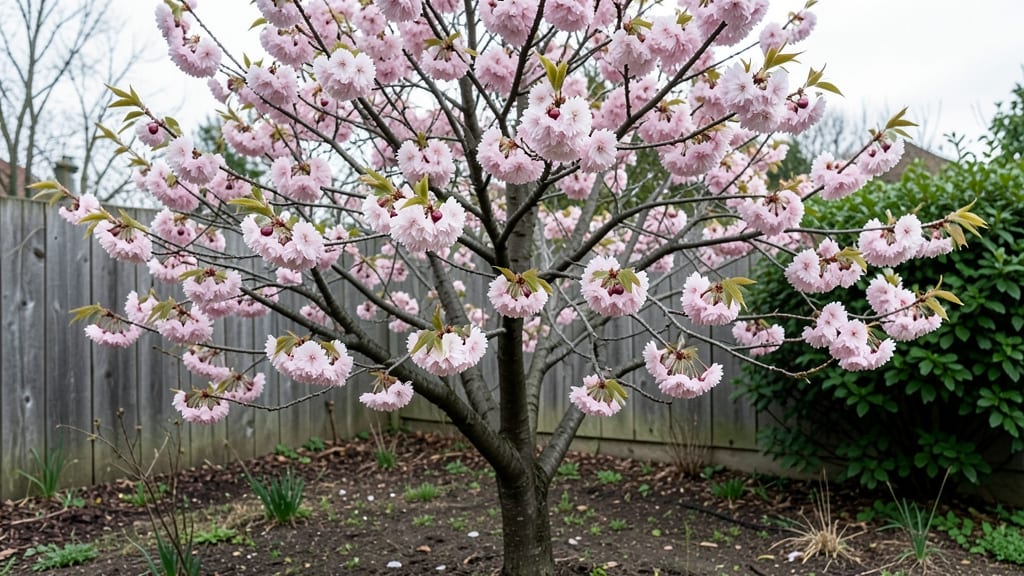
The Fuji cherry blossom tree brings Japanese garden elegance to your yard with its stunning pink blooms that appear before the leaves. I planted mine last spring, and now it's the centerpiece of my front garden—every neighbor stops to admire it.
The key to its success lies in mimicking its natural habitat: well-draining soil, full sun, and consistent moisture without soggy roots.
This tree thrives in zones 5-8, making it versatile for many climates, though it prefers cooler summers. Unlike some cherry varieties, Fuji cherries produce small, tart fruits that birds love—though they're not typically eaten fresh.
The real star is its late-winter to early-spring blooms, which create a breathtaking canopy for weeks.
You'll need to prune lightly after flowering to shape the tree and remove dead wood, but avoid heavy pruning—it reduces next year's blossoms. Mulch around the base to retain moisture and keep roots cool. With proper care, your Fuji cherry will reward you with show-stopping color for decades.
Perfect for both urban and rural landscapes, this tree adapts well to container growing in cooler climates. Just remember: patience is key—full bloom takes 3-5 years, but the wait is worth every petal. Let's get yours thriving!
📚 In This Guide
- What you need
- Instructions
- Tips and common mistakes
- Wrapping up and next steps
What you need
- ● Fuji cherry blossom tree: A healthy, dwarf or standard variety (check local climate hardiness zones—typically 5-8).
- ● Well-draining soil: Mix 2 parts loam, 1 part sand, and 1 part compost (or use a premium potting mix for containers).
- ● Garden tools: Trowel or spade
- ● Pruning shears (sterilized)
- ● Garden gloves
- ● Fertilizer: Slow-release balanced fertilizer (10-10-10) or organic options like composted manure.
- ● Mulch: 2-3 inches of organic mulch (e.g., wood chips or bark) to retain moisture.
- ● Watering can or hose: With a gentle spray nozzle for delicate blooms.
- ● Container: If planting in a pot, choose a 15-20 gallon container with drainage holes.
- ● Tree support: A stake or cage for young trees in windy areas.
- ● Pest control: Neem oil or horticultural soap for aphids/spider mites.
- ● Seasonal care: Winter wrap (burlap) for young trees in cold climates.
How to plant and maintain a Fuji cherry blossom tree
Here’s how to bring Japanese garden beauty to your yard with this stunning tree.
🌱 Step 1: Choose the Perfect Planting Location
Fuji cherry blossom trees thrive in full sun, so pick a spot that gets at least 6-8 hours of direct sunlight daily. Avoid areas with strong winds, as young trees are delicate. The tree’s mature size should also fit your space—most varieties reach 20-25 feet tall, so give it room to spread.
Check the soil drainage before planting. Fuji cherries hate soggy roots, so if your yard has heavy clay, amend the soil with 2-3 inches of compost mixed into the top 12 inches of soil. A slightly acidic to neutral pH (6.0-7.0) works best. Test your soil’s pH with a kit if you’re unsure—amending with lime or sulfur may be needed.
🪴 Step 2: Plant at the Right Time and Depth
Plant your Fuji cherry blossom in early spring or fall, when temperatures are mild (50-70°F). Dig a hole twice as wide as the root ball but no deeper—planting too deep suffocates the roots. Gently loosen the roots if they’re circling tightly in the container.
Place the tree in the hole so the top of the root ball sits 1-2 inches above ground level. This prevents water from pooling around the trunk. Backfill with native soil, tamping lightly to remove air pockets. Water deeply right after planting to settle the soil and encourage root contact.
☀️ Step 3: Water and Mulch for Healthy Growth
Water your Fuji cherry blossom deeply once a week for the first 2-3 months to establish roots. After that, water when the top 2-3 inches of soil feel dry. Overwatering is a common mistake—these trees prefer slightly drier conditions once established.
Apply a 2-3 inch layer of mulch around the base, keeping it 3-4 inches away from the trunk to prevent rot. Use organic mulch like wood chips or shredded bark. Replenish mulch annually to retain moisture and regulate soil temperature. Avoid piling mulch too high—it can smother the roots.
✂️ Step 4: Prune for Shape and Bloom
Prune your Fuji cherry blossom in late winter or early spring, just before buds swell. Remove any dead, diseased, or crossing branches first. Thin out crowded branches to improve airflow and light penetration. Aim to create an open, vase-like shape—this encourages better blooms.
Never prune after the tree has bloomed, as summer pruning reduces next year’s flowers. If you must prune later, limit it to removing only dead wood. Use clean, sharp pruners to make cuts just outside the branch collar. Avoid heavy pruning—Fuji cherries respond best to light, strategic trims.
🌿 Step 5: Protect and Maintain Year-Round
Fuji cherry blossoms are relatively low-maintenance, but they need protection from pests like aphids and scale insects. Spray with neem oil or insecticidal soap if you spot infestations early. Avoid chemical pesticides—they can harm beneficial insects and the tree’s delicate blooms.
Fertilize lightly in early spring with a balanced, slow-release fertilizer (10-10-10 ratio). Over-fertilizing leads to excessive leaf growth at the expense of flowers. Monitor for signs of nutrient deficiency, like yellowing leaves—this often means the tree needs more iron or nitrogen. Adjust care as needed to keep your tree thriving.
Tips & tricks for perfect Fuji cherry blossom tree planting
Took me a while to figure these out, so here goes—these small details make all the difference with your Fuji cherry blossom.
Sunlight Strategy: The 6-8 hours of direct sunlight requirement is non-negotiable for those iconic pink blooms. If your yard has partial shade, consider planting near a south-facing wall or fence that reflects sunlight. I learned this the hard way after watching a tree struggle in dappled shade—it barely bloomed the second year. Even in full sun, watch for afternoon shade during summer months that can stress young trees.
Soil Prep Secret: Before planting, I recommend digging down those 12 inches and mixing in a handful of mycorrhizal fungi with your 2-3 inches of compost. These beneficial microbes help roots absorb nutrients more efficiently. The pH test is crucial—if your soil tests below 6.0, add pulverized limestone gradually over several months to avoid shocking the roots. I've seen trees with perfect sunlight but poor soil struggle for years.
Planting Depth Visual: That 1-2 inch elevation above ground level is easier to judge if you imagine the root flare—the widest part where roots spread from the trunk. This should sit just above soil level. I use a small shovel to create a slight mound before placing the tree, then backfill around it. Too deep and you'll suffocate the roots; too shallow and the trunk may dry out.
Watering Transition: The shift from weekly watering to soil-moisture checks after 2-3 months is critical. I set a rain gauge near my tree to track rainfall—if we get more than an inch in a week, I skip watering. Overwatering is the #1 killer of young Fuji cherries. The mulch ring helps tremendously here by slowly releasing moisture and protecting roots from temperature swings.
Pro Tips for Fuji Cherry Blossom Tree
- Took me a while to figure these out, so here goes—these small details make all the difference with your Fuji cherry blossom.
- Sunlight Strategy: The 6-8 hours of direct sunlight requirement is non-negotiable for those iconic pink blooms.
- Soil Prep Secret: Before planting, I recommend digging down those 12 inches and mixing in a handful of mycorrhizal fungi with your 2-3 inches of compost.
Frequently asked questions
Got questions about nurturing your Fuji cherry blossom tree? You’re in the right place! Here are answers to the most common queries—from timing to troubleshooting—so you can keep your tree thriving year-round.
When is the best time to plant a Fuji cherry blossom tree?
The ideal time is early spring or fall when temperatures are mild (50–70°F). Planting in spring lets roots establish before summer heat, while fall gives them time to settle before winter dormancy. Avoid extreme cold or peak summer—both stress young trees!
How long does it take for a Fuji cherry blossom tree to bloom?
Patience is key! Mature trees (10–15 years old) typically bloom spectacularly, but younger trees may take 5–7 years to produce flowers. Choose a grafted tree for faster blooms—some even flower in 3–5 years under optimal care. Pro tip: Prune lightly in winter to encourage stronger blooms next season.
Can I grow a Fuji cherry blossom tree in a pot?
Yes, but with limitations! While young trees thrive in containers (15+ gallon pots), they’ll need regular pruning and annual repotting as roots grow. Choose a well-draining soil mix and place the pot in full sun. Expect smaller blooms—transplant to ground eventually for full potential.
Why are the leaves turning brown or yellow?
Brown/yellow leaves often signal overwatering, underwatering, or pests. Check soil moisture (top 2" should be dry), and inspect for aphids or spider mites. Adjust watering, trim affected branches, and treat with neem oil if pests are present. Fungal issues? Prune infected areas and improve airflow.
Are Fuji cherry blossom trees cold-hardy?
These trees handle USDA Zones 5–8, surviving winters down to -15°F. Mulch the base in late fall to protect roots, and avoid heavy pruning in winter. Bonus: Their pink spring blooms and deep red fall foliage make them a year-round star!
Wrapping up and next steps
The Fuji cherry blossom tree brings unmatched beauty and tranquility to any garden, offering delicate pink blooms in spring and year-round elegance. With the right care—balancing sunlight, soil, and seasonal adjustments—you’ll enjoy its stunning displays for decades. 🌸
Ready to bring this Japanese masterpiece into your outdoor space? Start by researching local nurseries or online suppliers to find a healthy sapling, then plan your planting spot with care.
Whether you’re a seasoned gardener or just beginning, this tree promises rewards that go beyond aesthetics—it’s a living piece of art!