Pruning
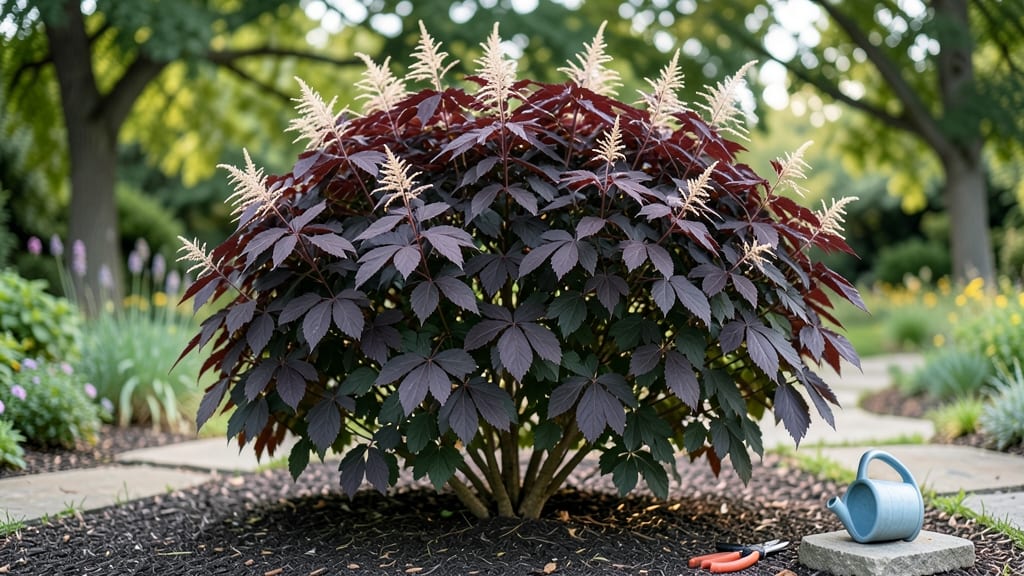
Your full grown Royal Purple Smoke Tree isn't just a tree—it's a year-round showstopper that steals every season's spotlight. ✨ That deep purple foliage in summer fades into fiery orange and red by fall, while winter reveals its silvery bark like a secret treasure.
I've pruned mine for five years, and the difference between a wild, overgrown mess and a perfectly shaped starburst is all in the cuts.
The secret to keeping it dramatic starts with understanding its growth habits: this tree can reach 20-30 feet tall but stays narrow, making it perfect for tight spaces.
It thrives in full sun and tolerates poor soil, but proper pruning in late winter—before new growth starts—is what keeps it looking like a designer landscape piece rather than a neglected shrub. You'll shape it without stressing the plant, and the results?
A tree that looks like it belongs in a botanical garden, not your backyard.
By the end of spring, you'll see fresh purple leaves emerging, and the tree will burst back into its signature velvety foliage that makes neighbors stop and stare. The best part? Pruning actually encourages denser growth and brighter fall colors—so you're not just maintaining, you're enhancing its natural drama.
Let's get those shears ready and turn your Smoke Tree into the centerpiece it deserves.
Works for urban yards, park plantings, or as a dramatic focal point in any landscape design. The same techniques apply whether you're shaping a small patio tree or a towering specimen—just adjust the scale. Here's how to make it happen without a single dead branch in sight.
📚 In This Guide
- What you need
- Instructions
- Tips and common mistakes
- Wrapping up and next steps
What you need
- ● Pruning shears – Bypass pruners (for clean cuts on branches up to ½ inch thick). Example: Felco F-2 or Corona Classic.
- ● Loppers – Bypass or anvil type (for branches ½ to 1½ inches thick). Example: Fiskars SteelVine.
- ● Pruning saw – For thick branches (1½+ inches). Example: Bahco Laplander.
- ● Gloves – Heavy-duty, cut-resistant (protects hands from thorns and sharp tools). Example: Wagners Workwear.
- ● Disinfectant (70% isopropyl alcohol or bleach solution) – 1 part bleach to 9 parts water (sterilizes tools to prevent disease spread).
- ○ Pruning sealant (optional but helpful) – For large cuts. Example: Tanglefoot Tree Wound Pruning Sealer.
- ● Ladder or step stool – Sturdy, extendable (reaches branches safely). Height: At least 12–15 feet.
- ● Heavy-duty trash bags – For debris disposal. Size: 30+ gallons.
- ● Safety glasses – Protects eyes from debris.
- ● Extraction tool – For stubborn branches. Example: Tree branch remover.
- ● Safety harness – If working on very tall trees (always prioritize safety!).
- ● Pruning guide or ruler – Ensures precise cuts (helpful for shaping).
- ● Hose with nozzle – Cleans tools and removes sap.
Step-by-step pruning guide for a mature royal purple smoke tree
Here’s how to sculpt your smoke tree into a living work of art—without sacrificing its signature purple drama.
🌿 Step 1: Time Your Pruning for Maximum Impact
Prune your smoke tree (Cotinus coggygria) late winter or early spring, just as new growth begins. This timing ensures you’re shaping the plant before it bursts into its signature purple foliage. Avoid pruning in fall—new growth won’t harden off before winter, leaving branches vulnerable to cold damage.
If you must prune for safety (like after a storm), do it immediately, but expect less vibrant color that season. The best results come from a single, strategic pruning session—never multiple light cuts throughout the year. Your goal is to encourage dense, bushy growth while maintaining that cascading, starburst shape.
Here’s the thing—smoke trees respond best to bold cuts. Don’t be shy about removing up to one-third of the plant’s total volume in a single session. This stimulates vigorous regrowth and keeps the center from becoming woody and sparse.
✂️ Step 2: Remove Dead, Weak, or Crossing Branches First
Start by eliminating the obvious: dead, diseased, or damaged branches. These are easy to spot—they’ll be brittle, discolored, or completely devoid of leaves. Cut them back to the main trunk or a strong lateral branch, making your cuts at a 45-degree angle just above a outward-facing bud.
Next, tackle weak or crossing branches. These are the ones growing inward or rubbing against others, which creates wounds and invites pests. Use clean, sharp pruners—dull blades crush stems, slowing healing. If a branch is thicker than your wrist, use loppers or a pruning saw to avoid tearing the bark.
Real talk: You’ll notice some branches look “ugly” but aren’t technically dead. Leave them for now. Smoke trees are forgiving—they’ll fill in gaps over time. Only remove what’s clearly hindering the plant’s health or shape.
🌱 Step 3: Shape for Structure and Airflow
Now for the fun part—sculpting the silhouette. Step back and visualize the ideal shape: a rounded, multi-tiered form with the lowest branches just above head height. Use your hands to trace the outline you want, then work from the outside in. This prevents blocking light to the center, which is where new growth emerges.
Cut back overly long branches to a strong lateral branch or bud. Avoid leaving stubs—always cut just above a bud or branch collar. For branches that are too thick to cut in one go, make two cuts: the first 1-2 inches out from the trunk, then a second just above the bud. This prevents the branch from tearing.
Watch for water sprouts—those vertical, skinny branches shooting straight up. These steal energy from the rest of the plant. Snip them off at the base. You’ll see the tree’s natural horizontal branching fill in more densely after pruning.
☀️ Step 4: Encourage Foliage Density and Color
To maximize that royal purple hue, focus on pruning for sunlight penetration. Thin out branches in the center of the tree to let light reach all sides. This prevents the classic “lazy center” where leaves turn green and lose their dramatic color.
If your smoke tree has long, leggy branches, cut them back by half their length. This forces the plant to put energy into shorter, bushier growth with more foliage. You’ll notice new shoots emerging from old wood within 4-6 weeks—these will be thicker and more vibrant.
Don’t forget the lower branches. While smoke trees can grow tall, removing the bottom third of branches keeps the base open and prevents a “bare legs” look. This also makes it easier to admire those smoky plumes that give the tree its name.
🪴 Step 5: Clean Up and Protect the Tree
After pruning, sterilize your tools with rubbing alcohol or a 10% bleach solution to prevent spreading disease. Rake up and dispose of clippings—don’t compost them if they’re diseased. Bagging them first makes cleanup easier.
Apply a balanced, slow-release fertilizer (like 10-10-10) around the drip line—the edge of the tree’s canopy. This gives the tree energy to recover and grow back lush. Water deeply afterward to help roots absorb nutrients.
Here’s the moment that matters: mulch the base with 2-3 inches of organic mulch (like shredded bark). This keeps roots cool, retains moisture, and prevents weeds from competing. Just keep the mulch 6 inches away from the trunk to avoid rot.
Tips & tricks for perfect royal purple smoke tree pruning
Transforming your smoke tree into a showstopper takes more than just cutting branches—it’s about strategic vision and technique. Here’s how to elevate your pruning game for that signature purple drama.
Timing is Everything: The late winter or early spring window isn’t just about avoiding fall’s cold risks—it’s when your tree’s energy is primed for regrowth. I’ve seen trees pruned in summer struggle with stunted new growth because they’re already stressed from heat. Mark your calendar for when you spot those first tiny green buds emerging, and you’ll know you’re ready. That’s when the tree’s natural growth hormones kick in, helping it bounce back stronger after your bold cuts.
The Bold Cut Technique: When instructions say to remove up to one-third of the plant’s volume, they’re not exaggerating. I learned this the hard way after years of timid pruning—my smoke tree developed a woody center that lost its vibrant color. The secret? Focus on removing the oldest, thickest branches first. These are often the ones growing straight up or outward from the center. By making these cuts, you’re not just shaping the tree—you’re encouraging new, vibrant growth from the inner branches that get shaded out.
Light Penetration for Color: That royal purple hue you’re after? It’s all about sunlight. When thinning branches in Step 4, aim to create a lattice effect where light can filter through to the center. I’ve noticed that trees with dense centers often develop green leaves in the middle because they’re starved for light. Step back frequently and imagine sunlight streaming through—this is how you maintain that dramatic purple cascade throughout the entire tree, not just the outer edges.
Equipment Matters: Your pruners aren’t just tools—they’re extensions of your hands. I’ve ruined more cuts than I’d admit using dull blades that crushed stems instead of making clean cuts. Invest in bypass pruners for branches thinner than your wrist, and use loppers for anything thicker. The 45-degree angle cut just above an outward-facing bud isn’t just a suggestion—it’s how you ensure new growth emerges in the direction you want, creating that perfect rounded silhouette.
Pro Tips for Full Grown Royal Purple Smoke Tree
- Transforming your smoke tree into a showstopper takes more than just cutting branches—it’s about strategic vision and...
- Timing is Everything: The late winter or early spring window isn’t just about avoiding fall’s cold risks—it’s when yo...
- The Bold Cut Technique: When instructions say to remove up to one-third of the plant’s volume, they’re not exaggerati...
Frequently asked questions
How fast does a Royal Purple Smoke Tree grow, and when will it reach full size?
A mature Royal Purple Smoke Tree (Cotinus coggygria ‘Royal Purple’) typically reaches 12–15 feet tall and 10–12 feet wide at full maturity, which can take 5–10 years depending on growing conditions. In ideal settings (full sun, well-drained soil), it may grow 1–2 feet per year in its prime. Patience pays off—its vibrant foliage and dramatic plumes are worth the wait!
Can I prune my Royal Purple Smoke Tree at any time of year?
While you can lightly shape your tree anytime, the best time to prune is late winter or early spring (before new growth emerges). Avoid heavy pruning in fall, as it may stimulate tender new growth that could be damaged by frost. For year-round drama, focus on rejuvenation pruning in late winter to encourage fresh, purple foliage.
Why are the leaves on my Royal Purple Smoke Tree turning brown or yellow?
Brown or yellow leaves usually signal stress. Common culprits include:
- Overwatering or poor drainage (root rot risk!)
- Underwatering or drought stress (especially in hot summers)
- Nutrient deficiencies (try a balanced fertilizer in spring)
- Pests or disease (check for spider mites or fungal spots)
Start by adjusting watering habits and inspecting for pests. If issues persist, a soil test can pinpoint deficiencies.
Is there a smaller alternative to the Royal Purple Smoke Tree?
If space is limited, consider these compact cultivars:
- Cotinus coggygria ‘Grace’ – 4–5 feet tall, with soft pink plumes.
- Cotinus coggygria ‘Ancot’ – 6–8 feet tall, disease-resistant.
- Cotinus obovatus ‘Royal Purple Dwarf’ – 3–4 feet tall, perfect for containers!
These still deliver stunning foliage and plumes but in a more manageable size.
How do I encourage more dramatic smoke-like plumes?
To boost those show-stopping plumes, focus on:
- Prune in late winter to remove old wood and stimulate new growth.
- Fertilize lightly in spring with low-nitrogen, high-phosphorus fertilizer.
- Avoid over-pruning—these plumes form on current-season growth!
- Ensure full sun (6+ hours daily) for optimal plume production.
With a little care, your tree will put on a spectacular show every season!