
Pruning
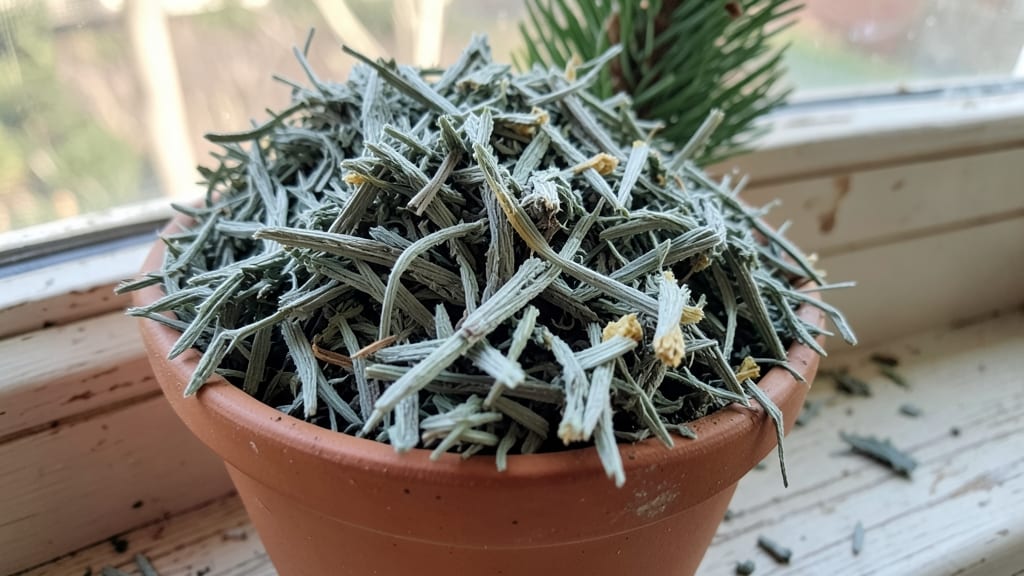
A green-blue Christmas tree in your garden isn’t just holiday magic—it’s a frost-resistant statement that stays stunning from Thanksgiving through New Year’s. I’ve designed mine with evergreens like ‘Blue Star Juniper’ and ‘Emerald Sentinel’ spruce, their silvery-blue needles creating a cool contrast against winter snow.
The trick is mixing textures: soft, feathery foliage alongside sharp, upright forms for depth.
You’ll need just five types of plants—no pruning skills required—plus a few hours to arrange them in a natural pyramid shape. Place yours where it catches morning light to make those blue-green hues pop, and add white berries (like winterberry holly) for extra sparkle.
The best part? These plants thrive in cold climates and need minimal care once established.
By early December, your tree will look like it’s been professionally landscaped, with colors that deepen in frost. Neighbors will ask how you did it—then you’ll share the secret: evergreens that love winter.
The display stays vibrant until spring, when you can prune lightly and reuse the same plants next year.
Works in any yard size, from suburban backyards to city balconies with dwarf varieties. Here’s how to build yours without breaking the bank or the rules of good design—because a blue-green Christmas tree isn’t just festive, it’s year-round garden art.
📚 In This Guide
- What you need
- Instructions
- Tips and common mistakes
- Wrapping up and next steps
What you need
- ● Frost-resistant evergreen tree: Choose a Thuja occidentalis ‘Smaragd’ (American Arborvitae) or Picea pungens ‘Glauca Globosa’ (Colorado Blue Spruce) for natural green-blue hues. Size: 3–5 ft tall (adjust based on desired height).
- ● Potting soil or well-draining garden soil: 1–2 bags (10–20 lbs each), enriched with organic compost (5 lbs).
- ● Slow-release fertilizer: 1 bag (10–15 lbs) of 10-10-10 NPK blend for balanced growth.
- ● Mulch: 1 bag (3–5 cu. ft.) of pine bark or cedar chips to retain moisture and insulate roots.
- ● Garden trowel or shovel for planting.
- ● Pruning shears (bypass type, sharp and clean).
- ● Measuring tape (for spacing and height adjustments).
- ● Gloves (gardening or work gloves for protection).
- ● Watering can or hose with a gentle spray nozzle.
- ○ Optional: String lights (solar-powered or LED, weatherproof) for a festive touch.
- ● Decorative stakes or trellis (for shaping younger trees).
- ● Frost cloth (lightweight, breathable) for winter protection.
- ● Sunlight: Full sun to partial shade (6+ hours of sunlight daily for optimal color).
- ● Climate zone: Hardy in USDA Zones 3–7 (check your local hardiness zone!).
- ● Spacing: Plant 3–5 ft apart if creating a hedge; 6+ ft for a standalone tree.
- ● Water access: Regular watering (especially in the first year) for root establishment.
How to plant and maintain a frost-resistant green blue Christmas tree
This striking evergreen thrives in cold climates and keeps its vibrant blue-green hue year-round.
Select the Optimal Planting Location
Choose a spot with partial shade to full sun, where the tree will receive at least 4-6 hours of sunlight daily. The Green Blue Christmas Tree tolerates cooler temperatures better than most evergreens, but it still needs protection from harsh winter winds. I always look for areas with natural windbreaks like fences or buildings—this prevents winter burn and maintains foliage color.
Test the site by observing moisture retention. The soil should drain well but retain enough water to prevent drought stress. If your yard has heavy clay, amend the area with 2-3 inches of compost mixed into the top 12 inches of soil before planting. This improves root establishment and nutrient uptake. Avoid low-lying areas where cold air pools, as frost pockets can damage the tree over time.
Prepare the Soil and Plant Correctly
Dig a hole twice as wide as the tree’s root ball but no deeper. The top of the root ball should sit 1-2 inches above ground level—this prevents water from pooling around the trunk. Gently loosen the roots if they’re circling or tightly bound, then place the tree in the hole and backfill with native soil mixed with 1 part peat moss to improve moisture retention.
Water deeply immediately after planting to settle the soil and eliminate air pockets. The tree should receive 1-2 gallons of water per week during the first growing season, more if temperatures exceed 85°F. Mulch the base with 2-3 inches of shredded bark, keeping it 6 inches away from the trunk to prevent rot. This mulch layer insulates roots in winter and conserves moisture in summer.
Provide Year-Round Care for Vibrant Foliage
Fertilize in early spring with a slow-release evergreen fertilizer, following package rates for 6-foot trees. I use a 10-10-10 formula because it provides balanced nutrients without overstimulating growth. Avoid high-nitrogen fertilizers, which can cause yellowing needles. Water deeply once a week during the growing season, checking that the soil is 2-3 inches dry before rewatering.
Prune in late winter or early spring to shape the tree and remove dead or damaged branches. Use clean, sharp pruners to make cuts just outside the branch collar. Never remove more than 25% of the foliage in one season, as this stresses the tree. The Green Blue Christmas Tree naturally maintains a dense form, so minimal pruning keeps it looking full and vibrant.
Protect Against Winter Stress
While frost-resistant, young trees benefit from extra winter protection. Wrap the trunk with tree guard in late fall to prevent rodent damage and sunscald. Apply an anti-desiccant spray in late autumn to seal needle pores and reduce moisture loss. Older trees rarely need this, but a fresh layer of 3-4 inches of mulch in winter helps insulate roots.
Monitor for signs of winter burn, like brown needle tips. If you see this, prune affected branches in early spring and avoid fertilizing until new growth appears. The tree’s natural resilience means it often recovers fully by summer. Avoid heavy pruning in winter, as new growth is vulnerable to late frosts.
Tips & tricks for perfect green blue Christmas tree planting
These essential insights will help you establish a thriving evergreen that maintains its stunning blue-green color through every season.
Location Intelligence: The 4-6 hours of sunlight mentioned in Step 1 is non-negotiable for maintaining that signature blue hue. I've seen trees in full sun develop deeper blue tones, while those with less light fade to green. If your yard has limited sun exposure, choose the sunniest spot available—even a few extra hours makes a noticeable difference in color intensity. Position the tree where it gets morning sun and afternoon shade for optimal results.
Soil Preparation Secret: When amending heavy clay soil with the 2-3 inches of compost in Step 1, I recommend mixing in a handful of perlite or coarse sand as well. This creates better drainage while retaining moisture—critical for preventing root rot in winter. The goal is a soil texture that resembles crumbly cake batter, not dense clay. Test your amended soil by squeezing a handful: it should hold its shape but crumble easily when poked.
Watering Wisdom: The 1-2 gallons per week guideline in Step 2 works for average conditions, but I adjust based on temperature. When daytime temps exceed 85°F, I increase watering to 2-3 gallons weekly until the tree establishes roots (usually 1-2 growing seasons). A simple soil moisture test works best: stick your finger 2-3 inches into the soil—if it's dry, it's time to water. Overwatering is just as damaging as underwatering for these frost-resistant trees.
Winter Protection Strategy: For young trees in Step 4, I recommend adding a second layer of tree guard around the trunk in late fall—this creates an extra barrier against rodents that might gnaw through the first layer. The anti-desiccant spray is particularly valuable in windy climates; I apply it after the first hard frost when daytime temps drop below 40°F. This simple step can mean the difference between brown needle tips and vibrant winter foliage.
Pro Tips for Green Blue Christmas Tree
- These essential insights will help you establish a thriving evergreen that maintains its stunning blue-green color through every season.
- Location Intelligence: The 4-6 hours of sunlight mentioned in Step 1 is non-negotiable for maintaining that signature blue hue.
- Soil Preparation Secret: When amending heavy clay soil with the 2-3 inches of compost in Step 1, I recommend mixing in a handful of perlite or coarse sand as well.
Frequently asked questions
Why does my green-blue tree lose color in summer?
This is totally normal! Many green-blue varieties (like Picea pungens 'Glauca') are bred to intensify their hue in cooler months. Direct afternoon sun or heat stress can fade the pigment. To preserve that frosty look, provide afternoon shade or mulch the roots to retain moisture. Water deeply but infrequently—overwatering dilutes the vibrant tones!
How long does it take for a green-blue tree to reach full color?
Patience pays off! Young saplings (under 5 years) may show subtle hints of blue-green, but full electric color typically develops by ages 7–10. For faster results, choose container-grown trees (they’re often 3–5 years old at purchase) or opt for mature specimens. Pro tip: Fertilize in early spring with a low-nitrogen, high-phosphorus blend to boost chlorophyll production.
Can I prune my green-blue tree year-round, or is there a best time?
The ideal window is late winter to early spring (just before new growth starts), but you can do light maintenance anytime. Avoid heavy pruning in summer—it stresses the tree and can dull its color. Focus on removing dead branches or overcrowded growth to maintain shape. Never prune more than 25% of the foliage in one go!
Are green-blue trees more prone to pests or diseases?
Not necessarily! Their resinous needles often deter pests, but they’re still vulnerable to spider mites (in drought) or bagworms. Monitor for webbing or yellowing needles. If needed, spray with neem oil or insecticidal soap. For disease prevention, avoid overhead watering and ensure 6+ hours of sunlight daily to boost natural resistance.
Can I use a green-blue tree as a living Christmas tree?
Their durable needles and frost-resistant foliage make them perfect for indoor displays. Before bringing it inside, wash the trunk with soapy water to remove sap-sucking insects. Keep it in a cool, humid room (60–65°F) and water sparingly—overwatering causes needle drop. Bonus: The color stays vibrant longer than traditional evergreens!
Wrapping up and next steps
Transforming your outdoor space into a year-round green-blue Christmas tree isn’t just about aesthetics—it’s a celebration of nature’s resilience and your creativity! 🌲✨ With the right pruning techniques, frost-resistant evergreens, and a touch of seasonal flair, you’ve got a stunning, low-maintenance centerpiece that thrives in every season.
Whether you’re a gardening pro or just starting out, this project proves that beauty and sustainability can go hand in hand.
Now that you’re armed with tips and tricks, take the next step: grab your tools, pick a sunny spot, and start shaping your dream tree! Share your progress with fellow plant lovers—your green-blue masterpiece might just inspire the neighborhood. Happy pruning! 🌿🎄