Pruning
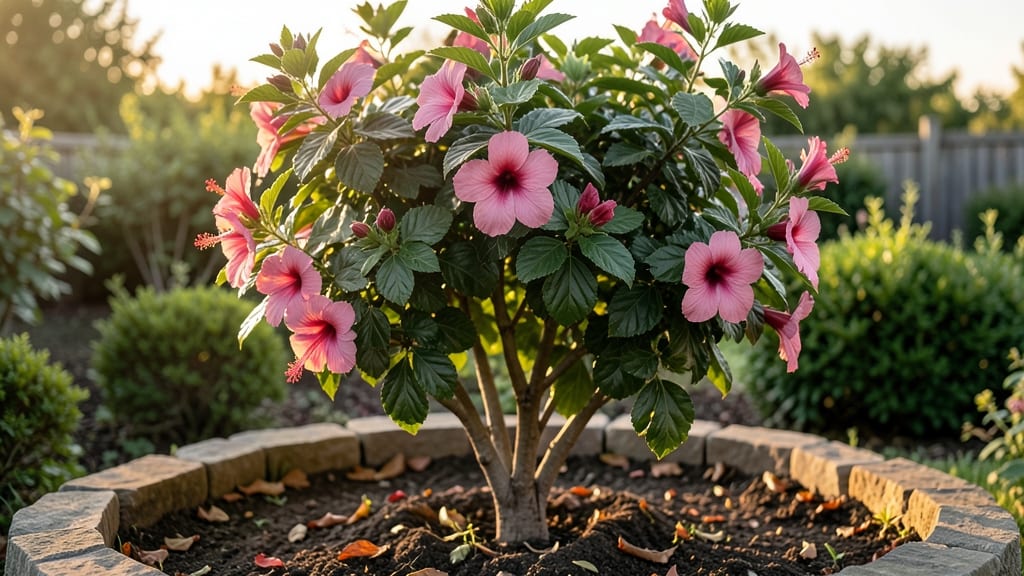
That first flush of pink blooms in February isn't luck—it's three strategic cuts that reset your hibiscus tree for nonstop color. I learned this after my first tree spent winter bare while neighbors' plants exploded with flowers by spring.
The secret isn't complicated: timing, shape, and a little elbow grease at the right moments.
Pink hibiscus trees thrive in zones 9-11 outdoors, but with the right pruning, they'll reward you with blooms year-round indoors too. You'll need sharp pruners, a sunny spot (6+ hours of light daily), and well-draining soil—no fancy equipment, just attention to detail.
The payoff? A tree that looks like a tropical postcard instead of a sad winter shrub.
By summer's end, you'll be pinching back new growth to encourage bushier shape and more blooms. The key cuts happen in late winter, mid-spring, and after each flush of flowers—each one designed to wake up dormant buds and redirect energy where you want it.
Your tree will respond with bold, velvety pink blooms that last from spring through frost.
Works equally well for patio pots or indoor grow lights, though outdoor trees need winter protection in colder zones. The same principles apply whether you're shaping a 6-foot specimen or a dwarf variety—just scale the cuts to the size. Let's get those blooms going!
📚 In This Guide
- What you need
- Instructions
- Tips and common mistakes
- Wrapping up and next steps
What you need
- ● Pruning shears – Sharp, bypass-style (for clean cuts), sterilized with rubbing alcohol (to prevent disease).
- ● Loppers – For thicker branches (½-inch to 1-inch diameter).
- ● Garden gloves – Heavy-duty, cut-resistant (thorns are no joke!).
- ● Disinfectant spray (70% isopropyl alcohol or hydrogen peroxide).
- ● Rag or paper towels – For wiping tools between cuts.
- ● Bucket or trash bag – For discarded clippings.
- ○ Permanent marker – To label cuts if needed (optional but helpful!).
- ● Hand pruners – For smaller, delicate cuts (if your shears feel bulky).
- ● Pruning saw – Only if dealing with thick, woody branches (rare for hibiscus).
- ● Fertilizer (balanced 10-10-10 or bloom booster) – Apply 2-4 weeks post-pruning to reward your tree.
- ● Mulch – 2-3 inches of organic mulch (like pine bark) to protect roots after trimming.
How to prune your pink tree hibiscus for continuous blooms
Three strategic cuts keep your hibiscus flowering nonstop—here’s how to do it right.
✂️ Step 1: Late Winter Cleanup Cut
Start in late winter (just before new growth begins) to remove any dead, damaged, or crossing branches. These cuts encourage fresh growth and prevent disease. Use clean, sharp pruners and make cuts at a 45-degree angle about ¼ inch above a leaf node—this directs water away from the cut and prevents rot.
Here’s the thing—don’t overdo it. Remove only 10-15% of the plant’s total growth at this stage. You’re not shaping yet, just clearing out the weak or sickly branches. If you see any brown or brittle stems, cut them back to healthy green wood. You’ll know you’ve done enough when the plant looks open and airy, with no crowded branches rubbing together.
✂️ Step 2: Spring Shaping Cut
Once new growth appears in early spring, it’s time to shape the plant. Focus on three main goals: open the center, encourage outward growth, and promote flowering. Start by cutting back any overly long branches by ⅓ of their length, always cutting just above a leaf node or bud. This prevents stubs and encourages new shoots to grow in the right direction.
I like to step back and look at the plant as a whole—imagine it as a rounded dome. Cut branches that grow inward or cross others, as these create shade and reduce air circulation. You’ll see the difference immediately: the plant will look fuller and more balanced. Avoid cutting into old wood (thick, woody stems)—new growth comes from the younger, green branches.
✂️ Step 3: Mid-Season Bloom Boost Cut
About 6-8 weeks after the first spring blooms, give your hibiscus a light trim to encourage another flush of flowers. This time, focus on pinching back the tips of new growth—just above a set of leaves or a bud. This trick tells the plant to branch out instead of growing tall, which leads to more flowers. Use your fingers or small pruners for precision; you don’t need to cut deeply.
Real talk: this is where many gardeners go wrong. They cut too aggressively, and the plant gets stressed. Instead, think of this as a gentle nudge. After this cut, your hibiscus should start producing new buds within 3-4 weeks. Watch for the first signs of color—those tiny flower buds forming at the ends of branches. That’s your signal it’s working!
Tips & tricks for perfect pink tree hibiscus pruning
Keeping your pink tree hibiscus blooming all year takes just a few smart cuts—and avoiding these common mistakes makes all the difference.
Timing is Everything: For the late winter cleanup (Step 1), wait until just before you see new buds forming. If you prune too early, you might remove next year's flower buds by accident. I've learned this the hard way—once I trimmed too soon and lost half my spring blooms! Look for the first signs of swelling buds on the branches before you start cutting.
Tool Preparation Matters: Always sterilize your pruners with rubbing alcohol between cuts, especially when working on a healthy plant. I keep a small bottle of 70% isopropyl alcohol in my gardening toolkit. Clean tools prevent spreading disease from branch to branch. Also, make sure your blades are sharp—dull pruners crush stems instead of making clean cuts, which stresses the plant.
Visual Cues for Step 2: When shaping in early spring, imagine your hibiscus as a rounded dome. Cut branches that grow inward or cross others—they create shade that prevents air circulation. A good test: stand back and look at the plant. If you can see light shining through the center, you've done it right. This open structure lets sunlight reach all parts of the plant, encouraging more blooms.
Mid-Season Pinching Technique: For the bloom boost cut (Step 3), use your fingers to pinch rather than cutting with pruners when possible. This gives you more control over where new growth will emerge. Focus on the tips of branches where you see new leaves forming—pinch just above a set of leaves or a bud. This simple technique encourages bushier growth with more flower buds instead of tall, leggy stems.
Pro Tips for Hibiscus Pink Tree
- Keeping your pink tree hibiscus blooming all year takes just a few smart cuts—and avoiding these common mistakes make...
- Timing is Everything: For the late winter cleanup (Step 1), wait until just before you see new buds forming. If you p...
- Tool Preparation Matters: Always sterilize your pruners with rubbing alcohol between cuts, especially when working on...
Frequently asked questions
How often should I prune my Hibiscus Pink Tree for continuous blooms?
Prune your tree every 3–4 months to encourage new growth and blooms. Focus on shaping in early spring (just before new shoots appear) and light maintenance cuts in summer and fall. Avoid heavy pruning in winter—it can stress the plant. Pro tip: Always use sterilized tools to prevent disease!
Can I grow a Hibiscus Pink Tree indoors? What do I need?
Yes! Place it near a south- or west-facing window for 6+ hours of sunlight daily. Use a well-draining potting mix and a pot with drainage holes. Keep humidity high (mist leaves or use a pebble tray) and fertilize monthly with a balanced, water-soluble fertilizer during growing seasons. Watch out: Indoor hibiscus may drop buds if temps drop below 60°F!
What’s the best way to revive a Hibiscus Pink Tree that’s not blooming?
Check these first:
- Light: Move it to a sunnier spot (hibiscus needs full sun for blooms).
- Water: Keep soil consistently moist but not soggy.
- Fertilizer: Switch to a high-phosphorus bloom booster (like 10-30-20) in spring/summer.
- Pruning: Trim back overly leggy growth to redirect energy to flowers.
Are there drought-tolerant alternatives to the Hibiscus Pink Tree?
If you’re looking for low-maintenance, drought-friendly bloomers, consider:
- Bougainvillea – Thrives in heat/drought, vibrant colors, and needs minimal pruning.
- Plumbago – Hardy, blue/purple flowers, and tolerates dry spells once established.
- Duranta (Golden Dewdrop) – Fast-growing, fragrant blooms, and drought-resistant.
How do I protect my Hibiscus Pink Tree from frost or cold snaps?
Hibiscus hates cold—temperatures below 30°F can kill it. If frost is forecast:
- Move potted trees to a garage or sheltered patio.
- Cover outdoor trees with frost cloth or blankets (secure tightly!).
- Avoid pruning in fall/winter—wait until spring to encourage new growth.
Wrapping up and next steps
The hibiscus pink tree is a stunning addition to any garden, offering vibrant blooms with minimal effort—thanks to just three simple pruning cuts! With the right timing and tools, you can keep it thriving year-round while encouraging lush growth and even more stunning flowers. 🌸
Now that you’re armed with the knowledge, grab your pruners and give your pink tree the love it deserves!
Start with your first cut this season and watch it flourish—your future self (and your neighbors!) will thank you. Ready to prune? Dive in and enjoy the beauty of your blooming masterpiece! ✂️