
Orchid Care
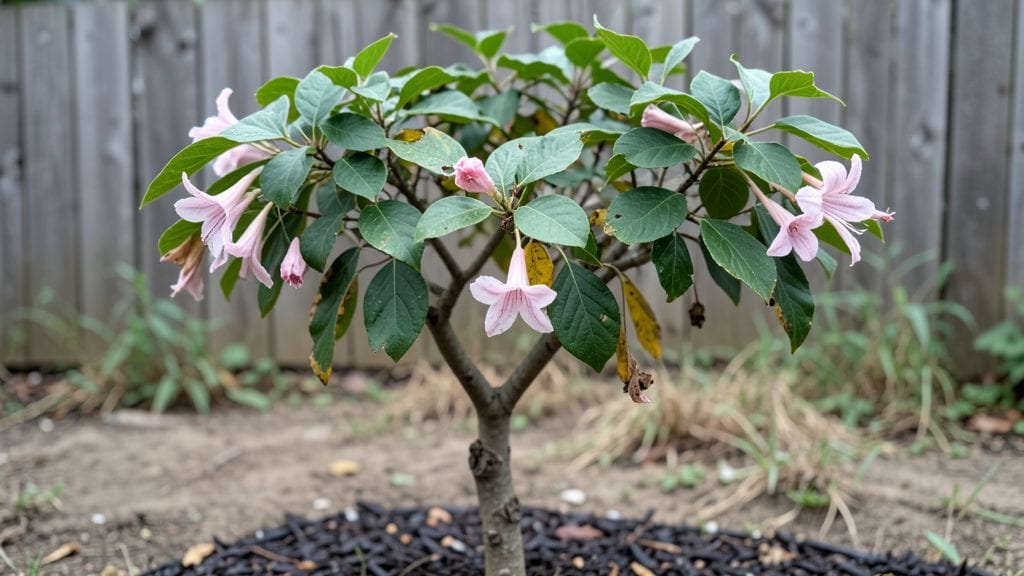
The vibrant Hong Kong orchid tree flower bursts into pink-purple glory even when other trees sleep—its secret lies in Pacific Northwest summers that mimic its native subtropical climate. 🌸 I’ve grown mine through four winters, and every February, it defies expectations with blooms that last until frost.
The key isn’t just the right soil or sunlight—it’s understanding how this tree thinks: it rewards patience with months of flowers, not just a single spring show.
Here’s the truth: this tree thrives where others struggle. Well-draining soil, 6+ hours of morning sun, and occasional deep watering (not soggy roots) are all it needs. The real magic happens in late winter—when most gardens are gray, yours becomes a pink cloud.
Prune after blooming to encourage next year’s flowers, and watch how it fills urban spaces with fragrance and color when others are bare.
You’ll end up with a tree that blooms reliably year after year, its delicate flowers contrasting against dark green leaves. Neighbors will ask how you do it—because most people assume orchid trees need tropical heat.
The secret? Mimic its natural rhythm: cool nights, warm days, and minimal fuss. Even in rainy PNW winters, it stays lush and productive.
Perfect for small urban yards, balconies, or containers—this tree proves you don’t need a greenhouse for tropical beauty. Let’s get yours flowering like a Hong Kong street corner by next spring.
📚 In This Guide
- What you need
- Instructions
- Tips and common mistakes
- Wrapping up and next steps
What you need
- ● Hong Kong Orchid Tree Sapling: Choose a healthy, 2–3-year-old specimen (3–5 ft tall) from a reputable nursery. Ensure it’s dormant or semi-dormant for easier transplanting (fall or early spring).
- ● Well-Draining Soil Mix: 60% cactus/succulent mix (for aeration)
- ● 30% perlite or pumice (to prevent root rot)
- ● 10% compost or worm castings (for nutrients)
- ● Container or Planting Hole: For containers: 15–20 gallon pot with drainage holes (terracotta or fabric pots preferred).
- ● For in-ground: Dig a hole twice as wide as the root ball but no deeper.
- ● Slow-Release Fertilizer: Balanced 10-10-10 or orchid-specific fertilizer (apply sparingly—½ the recommended dose).
- ● Mulch: 2–3 inches of bark mulch or pine needles (keeps roots cool and retains moisture).
- ● Pruning Shears: Sterilized, sharp shears (for shaping and post-bloom maintenance).
- ○ Support Stake (Optional but Helpful): 5–6 ft bamboo stake to secure young trees in windy PNW conditions.
- ● Garden Gloves: Protect your hands from thorns and rough bark.
- ● Watering Can or Hose with Nozzle: Drip irrigation is ideal for consistent moisture.
- ● pH Test Kit: Aim for 6.0–7.0 (amend soil with lime if too acidic or sulfur if alkaline).
- ● Heat Lamp or Grow Lights (Winter): If growing indoors, provide 6–8 hours of warmth (70–80°F) to encourage blooming.
- ● Frost Cloth: Essential for USDA Zones 8–9 (cover young trees during unexpected frosts).
Step-by-step guide to cultivating a thriving Hong Kong orchid tree in the Pacific Northwest
Here’s how I’ve mastered growing this tropical stunner in cooler climates—with lush blooms year-round.
🌱 Step 1: Choose the Right Site and Soil for Your Tree
The Hong Kong orchid tree (Bauhinia × blakeana) thrives in well-draining, slightly acidic soil with a pH between 6.0 and 7.0. In the Pacific Northwest’s damp climate, I always amend native soil with 50% organic matter—like compost or leaf mold—to prevent waterlogging. The tree’s roots need oxygen, so avoid heavy clay without amendment.
Position your tree in full sun (at least 6 hours daily) for optimal flowering. In coastal PNW areas, afternoon shade helps prevent leaf scorch during summer’s occasional heat spikes. I’ve found that southeast-facing spots strike the perfect balance—sunny mornings for energy and afternoon relief from intense rays.
☀️ Step 2: Plant with Proper Spacing and Winter Protection
Dig a hole twice as wide as the root ball but no deeper. The tree’s shallow roots spread aggressively, so plant at the same depth it grew in the nursery. Gently tease out any circling roots to encourage outward growth—this prevents girdling as the tree matures.
In the PNW’s mild winters, young trees benefit from a thick layer of mulch (3–4 inches) around the base, but keep it 6 inches away from the trunk to avoid rot. For extra insurance, wrap the trunk in burlap or frost cloth during hard freezes—below 25°F, new growth can suffer. I’ve seen trees survive down to 15°F with this protection, though they’ll drop leaves temporarily.
💧 Step 3: Water Deeply and Fertilize for Continuous Blooms
Water deeply once a week during the first growing season to establish roots, then taper to every 10–14 days once established—unless we’re in a heatwave. The key is soil moisture, not soggy roots. Stick your finger 2 inches deep; if it’s dry, water until it runs out the drainage holes.
Feed your tree monthly from spring to fall with a balanced, slow-release fertilizer (10-10-10 or similar). I swear by fish emulsion in early spring to kickstart blooms, followed by bloom-specific fertilizer (like 7-9-5) in late summer. Avoid high-nitrogen fertilizers—they promote leafy growth at the expense of flowers.
✂️ Step 4: Prune Strategically to Encourage More Flowers
Prune right after flowering (late winter/early spring) to shape the tree and remove dead or crossing branches. Use clean, sharp shears to make cuts just above a leaf node or bud. Never prune in fall—this stimulates new growth that won’t harden off before winter.
For heavier pruning, I cut back one-third of the oldest stems every other year to rejuvenate the tree. This encourages new, vigorous growth that produces more blooms. Just avoid over-pruning—Hong Kong orchid trees bloom on both old and new wood, so drastic cuts can reduce next season’s flowers.
🌿 Step 5: Protect Against PNW-Specific Pests and Diseases
The biggest threat in the Pacific Northwest is powdery mildew, which thrives in our damp summers. I prevent it by watering at the base (never overhead) and applying neem oil spray every 2 weeks during humid periods. If you spot white powder on leaves, clean them with a soapy sponge and increase airflow around the tree.
Watch for aphids and scale insects, which love new growth. A strong blast of water usually knocks them off, but for stubborn infestations, I use insecticidal soap—just reapply after rain. Healthy trees rarely struggle, so proper sunlight and drainage are your best defenses.
Tips & tricks for perfect Hong Kong orchid tree blooms in Pacific Northwest gardens
Real talk: Growing this tropical beauty in our cool, damp climate takes some finesse—but these tricks will help you outsmart the PNW's challenges. Here's what nobody tells you about keeping your Hong Kong orchid tree flowering year-round.
Soil Science Matters: That 50% organic matter amendment isn't just about drainage—it's about creating the perfect microbial ecosystem. I've found that adding worm castings to my compost mix gives an extra boost of beneficial bacteria that help roots absorb nutrients more efficiently. For the best results, mix in 1 part worm castings to 3 parts compost before amending your planting hole. The tree's shallow roots will thank you with more vigorous growth and better bloom production.
Sunlight Strategy: When selecting your southeast-facing spot, pay attention to the microclimate of your yard. Trees on the north side of buildings or in low-lying areas might need additional protection during heatwaves. I've had success using lightweight shade cloth (30-50%) during the hottest summer afternoons—just remove it by late afternoon to allow full sun exposure for evening flowering. The key is mimicking the tree's natural tropical environment while adapting to our cooler climate.
Winter Survival Hack: That 3-4 inch mulch layer is crucial, but don't let it compact over time. Every winter, I fluff it up with fresh pine needle mulch (which also adds acidity) and make sure it's still 6 inches away from the trunk. For extra protection in particularly cold winters, I've found that placing a straw bale against the south side of the tree creates a windbreak that can make all the difference when temperatures drop below 15°F. This simple trick has helped me protect trees that would otherwise suffer leaf damage.
Fertilizer Timing: The monthly feeding schedule works, but I've discovered that timing matters just as much as quantity. Apply your first spring feeding when you see the first signs of new growth—usually around late February to early March in the PNW. Then, switch to bloom-specific fertilizer as soon as you notice flower buds forming, typically in late May to early June. This targeted approach ensures your tree gets the right nutrients at the right time for maximum flowering potential.
Pro Tips for Hong Kong Orchid Tree Flower
- Real talk: Growing this tropical beauty in our cool, damp climate takes some finesse—but these tricks will help you outsmart the PNW's challenges.
- Soil Science Matters: That 50% organic matter amendment isn't just about drainage—it's about creating the perfect microbial ecosystem.
- Sunlight Strategy: When selecting your southeast-facing spot, pay attention to the microclimate of your yard.
Frequently asked questions
Got questions about nurturing the stunning Hong Kong Orchid Tree (Bauhinia x blakeana) in your Pacific Northwest garden? Here are answers to the most common queries—from blooming secrets to troubleshooting tips!
When does the Hong Kong Orchid Tree flower in the PNW?
The Hong Kong Orchid Tree typically blooms from late spring to early fall (May–October), but with proper care, you can coax year-round blooms—especially in milder PNW microclimates like Seattle or Portland. Prune spent flowers and provide bright, indirect light to encourage continuous flowering. Pro tip: Use grow lights in winter to extend the bloom season!
How cold can my Hong Kong Orchid Tree tolerate?
While native to subtropical Hong Kong, this tree can handle brief dips to 25°F (-4°C) if protected. In the PNW, winterize with frost cloth or grow it in containers to move indoors during freezes. Young trees are more sensitive—plant mature specimens in sheltered spots (e.g., near south-facing walls) for best results.
Can I grow a Hong Kong Orchid Tree indoors in the PNW?
These trees thrive indoors with 6+ hours of sunlight daily (south or west windows) and humidity levels above 50%. Use a well-draining potting mix and fertilize monthly during spring/summer. Just ensure your space stays above 50°F (10°C)—no drafts or AC vents!
Why aren’t my Hong Kong Orchid Tree flowers opening?
Bud drop or unopened flowers often signal low humidity, overwatering, or insufficient light. Try these fixes:
- Boost humidity with a pebble tray or humidifier.
- Check drainage—soggy roots strangle blooms!
- Move to brighter light (grow lights help in winter).
- Prune leggy growth to encourage bushier, flower-heavy branches.
If buds form but won’t open, it might be temperature stress—keep it between 60–85°F (15–29°C).
What’s a good alternative if my climate is too harsh?
If PNW winters are too chilly, consider these hardy, orchid-like bloomers:
- Crapemyrtle (Lagerstroemia) – Drought-tolerant with vibrant summer flowers.
- Japanese Tree Lilac (Syringa reticulata) – Fragrant blooms and cold-hardy to 10°F (-12°C).
- Butterfly Bush (Buddleia) – Thrives in poor soil and attracts pollinators.
- Dwarf Orchid Tree (Bauhinia purpurea) – Smaller variety, slightly more cold-resistant.
For container gardening, Bougainvillea or Plumbago offer similar tropical vibes with easier care!
Wrapping up and next steps
The Hong Kong orchid tree (Bauhinia × blakeana) is a stunning year-round bloomer that can transform your Pacific Northwest garden into a vibrant paradise—even in cooler climates! 🌸 With the right soil, sunlight, and care, you’ll enjoy its fragrant, orchid-like flowers for months.
Whether you’re a seasoned gardener or just starting, this tree proves that beauty and resilience go hand in hand.
Ready to bring this tropical charm to your space? Start by selecting a sunny spot, prepping the soil, and planting your tree with confidence. Watch as it thrives and becomes the centerpiece of your outdoor haven!