
Pruning
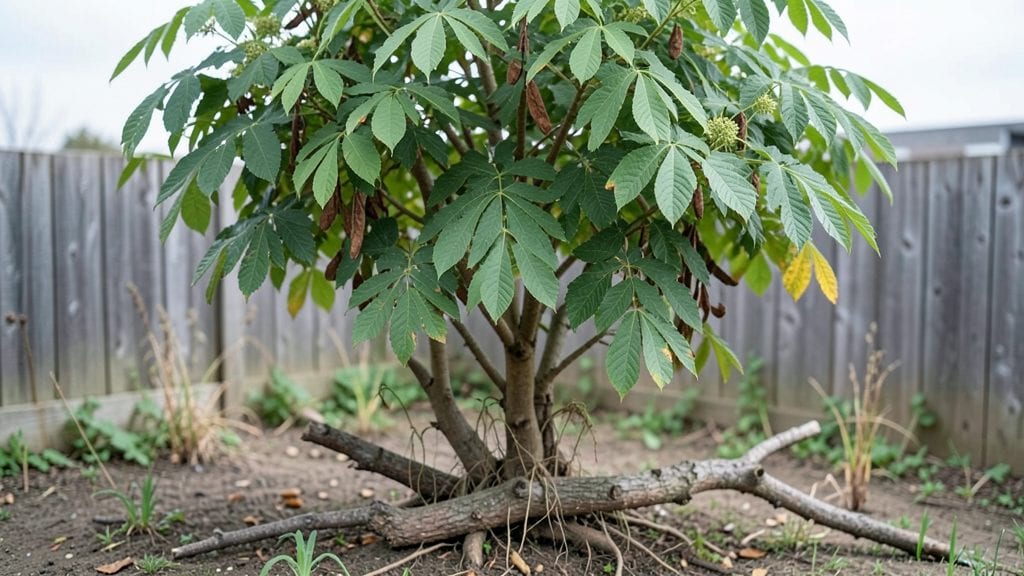
Tree of Heaven spreads like a weed with wings—its roots suck nutrients from the soil while its seeds hitch rides on clothing, tires, and even birds. 🌿 I’ve watched this tree take over neglected lots in my neighborhood, choking out native plants and making backyards unrecognizable within a few years.
The problem isn’t just its speed; it’s how relentlessly it outcompetes everything else.
This invasive tree sends out aggressive root suckers that can sprout up to 30 feet from the parent plant, while its winged seeds travel on the wind or get carried away by animals.
Once established, removing it becomes a battle against its deep taproot system and prolific seed production. The good news? With the right tools and persistence, you can regain control—before it’s too late.
What you’ll learn here is how to spot early signs of invasion, the most effective removal methods (including manual digging and targeted herbicides), and how to monitor your property year-round.
The goal isn’t just to stop one tree—it’s to protect your landscape from becoming its next victim. Let’s get started before it’s too late.
This guide works for homeowners in Zones 3-9, where Tree of Heaven thrives, but the principles apply anywhere this menace shows up. Whether you’re dealing with a single sapling or a full-blown infestation, the key is acting fast—and knowing where to strike.
📚 In This Guide
- What you need
- Instructions
- Tips and common mistakes
- Wrapping up and next steps
What you need
- ● Heavy-duty gloves (nitrile or leather, 2+ pairs) – Protects against sap and thorns.
- ● Safety goggles – Shields eyes from debris and sap.
- ● Pruning saw (16–20" curved blade) – For thick stems/trunks (2–4" diameter).
- ● Loppers (24–32" reach) – Ideal for branches (1–3" thick).
- ● Hand pruners (bypass or anvil type) – For smaller branches (<1" diameter).
- ● Shovel or mattock – For digging up roots (especially near stumps).
- ● Wheelbarrow or heavy-duty bags – To haul debris (5–10 gallon capacity).
- ● Hermetic bags (50–100 gallon) – For sealing cuttings to prevent regrowth.
- ● Rake – Clears leaf litter and small roots.
- ● Hose with nozzle – For washing tools/sap off skin.
- ● Root killer (e.g., Vinegar + salt mix or commercial herbicide like Glyphosate) – Accelerates root death (follow label instructions!).
- ● Plastic sheeting – Smothers regrowth from cut stumps.
- ● Disposable coveralls – Minimizes sap contact with clothing.
- ● GPS or mapping app – Tracks infestation spread over time.
- ● Local invasive species hotline contact – For reporting or expert advice.
Step-by-Step guide to managing tree of Heaven spread
Here’s how to stop this invasive tree before it takes over your yard.
🌱 Step 1: Identify and Locate Existing Trees
Start by spotting every Tree of Heaven (Ailanthus altissima) in your property—look for compound leaves with 7-13 leaflets and a strong, unpleasant odor when crushed. These trees can grow up to 50 feet tall, so scan your yard, fence lines, and even neighboring properties. I always mark their locations with flags or spray paint on the trunk to track them later.
Dig around the base to check for suckers—new shoots growing from the roots. These are your first sign of spread. If you find any, note their distance from the parent tree. Tree of Heaven roots can extend 50-100 feet underground, so even a single tree can produce a dense thicket over time.
🌿 Step 2: Remove Suckers and Seedlings Immediately
Pull out any seedlings or suckers as soon as you spot them—this is the most critical step. Use a shovel or hands to dig them out completely, including the root system. Even a tiny piece left behind will regrow. I like to wear gloves because the sap can irritate skin, and the leaves contain toxins harmful to pets and livestock.
For larger suckers, cut them at ground level with clean, sharp pruners and apply a copper-based herbicide or vinegar solution (3 parts vinegar, 1 part dish soap, 1 part salt) to the stump. Recheck the area every 2-4 weeks for new growth—Tree of Heaven is relentless.
✂️ Step 3: Cut Down Mature Trees Properly
If you have established Tree of Heaven trees, never just chop them down and leave the stump—this triggers even more sucker growth. Instead, cut the trunk at least 6 inches from the ground to prevent regrowth from the base. Seal the stump with a horticultural sealant or copper sulfate to kill any remaining tissue.
After cutting, monitor the area daily for 2 weeks for new shoots. If any appear, treat them immediately with glyphosate (follow label instructions) or manual removal. I’ve seen trees return from roots even after years—patience and persistence are key.
🪴 Step 4: Prevent Underground Spread with Barriers
Tree of Heaven roots spread aggressively, so install physical barriers like landscape fabric or plastic sheeting buried 2 feet deep around the tree’s drip line (the edge of its canopy). This blocks root growth into new areas. For large properties, consider a root barrier trench filled with lime or salt to inhibit root expansion.
If you’re planting new trees or shrubs nearby, keep them at least 50 feet away from any Tree of Heaven. The roots will compete for water and nutrients, weakening your desired plants. I’ve seen entire gardens choked out by this invasive species—don’t let it happen to you.
⏰ Step 5: Monitor and Maintain Long-Term Control
Tree of Heaven doesn’t disappear overnight—yearly maintenance is non-negotiable. Check your property every spring and fall for new seedlings, especially in disturbed soil or along fences. Even one missed sucker can lead to a full-blown infestation within a season.
Consider professional help if the invasion is severe. Some municipalities offer free removal programs, or you can hire an arborist specializing in invasive species. I’ve spent years battling this tree, and while it’s a constant effort, consistent action keeps it in check.
Tips & tricks for managing tree of Heaven spread
Real talk: Tree of Heaven doesn't play by the rules—it spreads aggressively, and one missed sucker can turn into a full-blown infestation. Here's how to stay one step ahead.
Early Detection is Your Best Weapon: In Step 1, when you're identifying trees, focus on the understory—young seedlings often hide under taller plants. I've found clusters of saplings growing in mulch beds and along sidewalks where they went unnoticed for years. Check the soil surface for tiny heart-shaped leaves (the early growth stage) and disturbed areas where roots might have been exposed during landscaping.
Root System Strategy: The 6-inch cut in Step 3 is critical because Tree of Heaven roots can regenerate from even small fragments left in the ground. I've seen stumps resprout within 30 days if not properly treated. For stubborn roots, consider a two-step approach: cut the main trunk, then apply copper sulfate directly to the exposed root zone. The copper disrupts the root's ability to regenerate while the sealant prevents new shoots.
Barrier Installation Tips: When creating your 2-foot deep barriers in Step 4, extend them at least 2 feet beyond the tree's current drip line. Tree of Heaven roots grow horizontally, so they'll hit the barrier before they spread outward. For existing infestations, I've had success with hardware cloth barriers (1/4-inch mesh) buried vertically to block lateral root growth—this creates a physical wall that even aggressive roots can't penetrate.
Seasonal Timing for Removal: The most effective times to tackle Tree of Heaven are early spring (before new growth) and late fall (when the tree's energy reserves are lowest). In Step 2, when removing suckers, focus on late May to early June—this is when seedlings are most vulnerable before they develop deep root systems. The vinegar solution works best when applied on sunny days with temperatures above 70°F—the heat helps break down the plant tissue faster.
Pro Tips for How Does Tree Of Heaven Spread
- Real talk: Tree of Heaven doesn't play by the rules—it spreads aggressively, and one missed sucker can turn into a full-blown infestation.
- Early Detection is Your Best Weapon: In Step 1, when you're identifying trees, focus on the understory—young seedlings often hide under taller plants.
- Root System Strategy: The 6-inch cut in Step 3 is critical because Tree of Heaven roots can regenerate from even small fragments left in the ground.
Frequently asked questions
Got questions about controlling Tree of Heaven’s spread?
You’re not alone—this invasive species can be tricky to manage. Below, we’ve answered the most common questions to help you stay ahead of its aggressive growth.
How fast does Tree of Heaven spread?
Tree of Heaven spreads rapidly—both through seeds and its extensive root system. A single tree can produce up to 300,000 seeds per year, which germinate quickly and sprout within weeks. Its roots also send up suckers (shoots) that can grow 10+ feet in a single season. If left unchecked, it can dominate an area in just a few years.
What’s the best way to stop Tree of Heaven from spreading?
The most effective methods combine mechanical, chemical, and biological controls:
- Cutting/stumping: Sever roots below ground (at least 6–12 inches deep) and apply herbicide to stumps.
- Herbicides: Glyphosate or triclopyr (e.g., Roundup or Garlon) work best when applied to foliage or fresh cuts.
- Smothering: Cover small seedlings with cardboard + mulch to block sunlight.
- Goats or deer: These animals love to eat Tree of Heaven—consider leasing them for natural control!
Pro tip: Reapply herbicide 2–3 times in the first year to kill regrowth.
Can Tree of Heaven grow back after cutting?
Yes! This tree is a master of regrowth—even a small root fragment can sprout new shoots. To prevent regrowth:
Warning: If you don’t treat the roots, you’ll be battling it forever. It spreads both ways—and that’s why it’s so hard to control!
Key strategy: Remove all roots and seeds to break the cycle. While it won’t crack foundations like some trees (e.g., willows), its spread can still cause issues:
Prevention tip: Keep it 10+ feet from structures and monitor for early signs of root intrusion.
Does Tree of Heaven spread through its roots or seeds?
Will Tree of Heaven damage my property or foundation?
Wrapping up and next steps
Understanding how the Tree of Heaven spreads—through its aggressive roots, prolific seeds, and even chemical warfare—is your first line of defense against this invasive species. 🌱 By staying proactive with early detection, manual removal, and proper disposal, you can protect your yard and local ecosystem from its relentless takeover. Don’t wait until it’s too late!
Take action today: inspect your property, pull up any seedlings, and share this knowledge with neighbors. Together, we can keep this tree in check and preserve the beauty of our green spaces! 🌿