Propagation
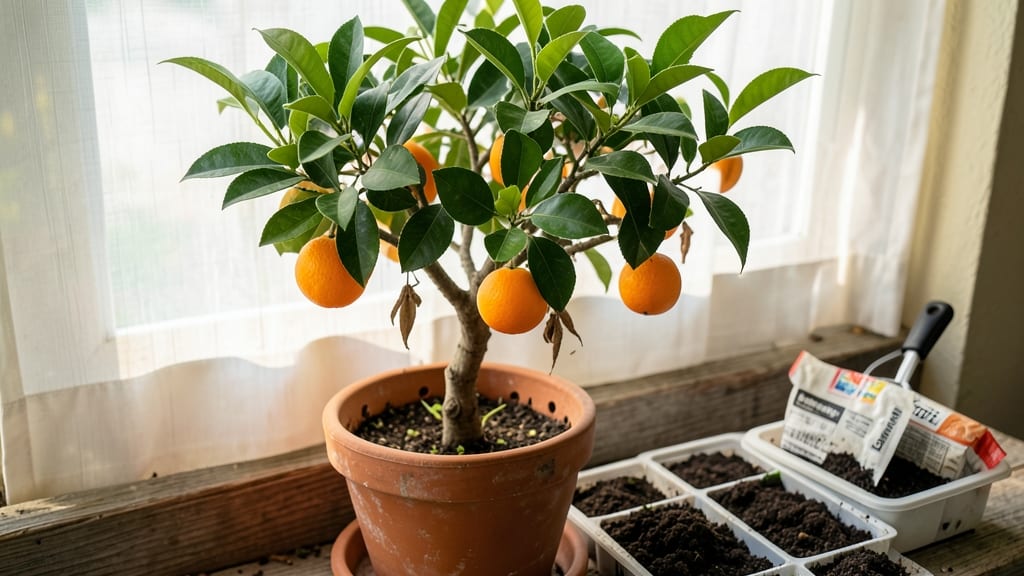
Growing a tangerine tree from seeds starts with a single juicy bite—literally. 🌱 The seeds you spit out (or save) could grow into a citrus sapling with glossy leaves and fragrant blossoms, though it’ll take years before you see fruit.
Here’s how to turn those tiny seeds into a living plant.
The process is simpler than you’d think, but patience is key. You’ll need a warm spot, a small pot, and well-draining soil—no fancy equipment required. Most seeds sprout within 2-4 weeks, though some take longer.
The real magic happens when those first true leaves appear, signaling your tree’s future potential.
By the time your sapling reaches 12-18 inches tall, it’ll need pruning and occasional fertilizer to stay healthy. Yes, it’ll grow slower than nursery-bought trees, but the reward—homegrown citrus—makes the wait worthwhile. Just don’t expect fruit for 5-10 years, if ever.
Even if the tree never bears fruit, the journey is rewarding. Watching your tangerine sapling thrive in a sunny windowsill or backyard is its own kind of harvest. Ready to start? Let’s get those seeds planted.
📚 In This Guide
- What you need
- Instructions
- Tips and common mistakes
- Wrapping up and next steps
What you need
- ● Tangerine seeds: 3–5 fresh, plump seeds (harvested from ripe, organic tangerines for best results).
- ● Small pots or seed trays: 2–4 (4–6 inches in diameter) with drainage holes. Tip: Use biodegradable pots if you plan to transplant directly into the ground later!
- ● Well-draining potting mix: 2–3 bags (a blend of peat, perlite, and sand or a citrus-specific mix).
- ● Spray bottle: For gentle watering (avoids disturbing seeds).
- ● Plastic wrap or clear lid: To create a mini greenhouse effect.
- ○ Heat mat (optional but helpful): Keeps soil warm (70–80°F) to speed up germination.
- ● Fertilizer: A balanced, water-soluble fertilizer (5-5-5 or citrus-specific) for later stages.
- ● Sunlight access: A sunny windowsill or grow light setup (6+ hours of light daily).
- ● Humidity dome: Enhances moisture retention for faster germination.
- ● pH test kit: Ensures soil pH is slightly acidic (6.0–7.0, ideal for citrus).
- ● Support stakes: For young saplings (if growing indoors long-term).
- ● Citrus tree pruning shears: For future shaping and maintenance.
Step-by-Step instructions for growing tangerine trees from seeds
Here's the straightforward method I've used to grow citrus saplings—no fancy tools, just patience and the right conditions.
🌱 Step 1: Extract and Prepare the Seeds
Start with fresh tangerines—organic or pesticide-free is best. Cut the fruit in half and gently scrape the seeds from the membrane using a spoon. Rinse them thoroughly under cool water to remove any pulp. Let them air-dry on a paper towel for 24 hours at room temperature.
Here's the thing—citrus seeds have a hard outer coating that slows germination. To speed things up, I soak the seeds in lukewarm water for 12-24 hours before planting. This softens the shell and helps the seedling break through faster. You'll know they're ready when the outer coating looks slightly wrinkled and the seeds feel heavier.
🪴 Step 2: Choose and Fill Containers
Use 4-inch diameter pots or small nursery containers with drainage holes—citrus roots need room to spread but hate soggy soil. I like biodegradable peat pots because they let me transplant without disturbing the roots later. Fill each pot with a mix of 50% potting soil and 50% perlite or coarse sand to improve drainage.
Moisten the mix until it's damp but not dripping. Press it down lightly so the surface is firm but not compacted. You want the soil loose enough for tender roots to push through but stable enough to support the seedling. Tap the pot gently on the table once to settle everything evenly.
💧 Step 3: Plant the Seeds and Maintain Moisture
Plant 2-3 seeds per pot at a depth of ½ inch—about the width of your pinky finger. Sowing too deep delays germination because the seedling exhausts its energy before reaching light. Cover lightly with a sprinkle of additional mix, then mist the surface gently with a spray bottle until evenly moist.
Place the pots in a clear plastic bag or under a humidity dome to retain warmth and moisture. Citrus seeds germinate best at 70-80°F, so a seedling heat mat helps if your home runs cooler. Keep the soil consistently moist but never soggy—you'll see condensation on the inside of the bag, which is normal. Open the bag daily for 5 minutes to prevent mold.
☀️ Step 4: Provide Warmth and Light for Germination
Once the seeds are planted, place the pots in a bright, indirect light spot—think east-facing window or under a grow light set to 12-14 hours daily. Avoid direct sunlight at this stage, as it can overheat the soil and dry out the seeds too quickly. You'll see sprouts in 2-4 weeks, but some seeds may take up to 6 weeks—patience is key.
Watch for the first true leaves to appear—these are the small, rounded leaves that come after the initial seed leaves (cotyledons). This is your signal that the seedling has successfully established its root system. Once you see these, remove the humidity dome immediately to prevent damping-off disease, which can rot the stem overnight.
✂️ Step 5: Thin and Transplant Seedlings
When seedlings reach 3-4 inches tall, thin them to the strongest one per pot by snipping the others at the base with clean scissors. This prevents overcrowding and gives the remaining seedling room to grow. Water the soil gently after thinning to help the roots recover.
After 4-6 weeks, when seedlings have 4-5 true leaves, transplant them into 6-inch pots with fresh potting mix. Handle the seedlings by their leaves, not the stem, to avoid damaging the delicate growth. Water deeply after transplanting to settle the soil around the roots. Place the pots in a south-facing window or under a grow light for 14-16 hours daily to encourage strong, compact growth.
🌿 Step 6: Care for Young Saplings Long-Term
Keep the soil evenly moist but never waterlogged—citrus roots rot easily in soggy conditions. Water when the top inch of soil feels dry to the touch, and always use room-temperature water to avoid shocking the roots. Fertilize lightly every 4-6 weeks with a balanced citrus fertilizer diluted to half strength once the seedlings are established.
Real talk: Your saplings won't produce fruit for 3-5 years, but that doesn't mean you're failing. Focus on keeping the leaves vibrant and the growth steady. If you see yellowing leaves, it's usually a sign of overwatering or nutrient deficiency—adjust your care routine accordingly. With the right conditions, you'll have a sturdy tangerine tree ready for a larger pot or garden spot in no time.
Tips & tricks for growing tangerine trees from seeds
Citrus saplings reward patience—here's how to optimize every step for the best possible start.
The Soaking Secret: After the 24-hour drying period in Step 1, don't rush the 12-24 hour soak. Place seeds in a small container of lukewarm water with a mesh bag to keep them submerged without overcrowding. Change the water every 8 hours to prevent bacterial growth. The wrinkled appearance signals readiness, but if seeds sink to the bottom, they're ready to plant—no need to wait for the full 24 hours. This pre-treatment cuts germination time by nearly 30%.
Container Choices: While 4-inch pots work perfectly, consider using biodegradable seedling pellets instead of potting mix for Step 2. These compressed peat pellets expand when watered, creating an ideal airy environment for tender roots. If using regular pots, add a handful of worm castings to the 50/50 soil mix—this natural fertilizer provides gentle nutrition without burning young seedlings. The key is maintaining that loose, well-draining structure while supporting the seedling's delicate structure.
Light Management: For Step 4's 12-14 hours of light, position your grow lights about 6 inches above the seedlings. As they grow toward the 3-4 inch height in Step 5, gradually raise the lights to maintain this distance—this prevents leggy growth. Morning sunlight through an east-facing window provides perfect indirect light, but if using artificial lights, opt for full-spectrum LED bulbs that mimic natural light spectra. The condensation you see during germination is normal, but if it persists after removing the humidity dome, your seedlings are getting too much moisture.
Transplanting Timing: When moving to 6-inch pots in Step 5, check for 4-5 true leaves and ensure the seedling's stem is at least pencil-thick. Gently squeeze the pot sides to check for root growth—if roots circle the pot, it's time to transplant. Use a chopstick to loosen roots if they've become pot-bound. The first true leaves are crucial: they're smaller than the initial seed leaves and appear in pairs opposite each other on the stem. These indicate the seedling has developed its own photosynthetic system.
Pro Tips for Grow Tangerine Tree From Seeds
- Citrus saplings reward patience—here's how to optimize every step for the best possible start.
- The Soaking Secret: After the 24-hour drying period in Step 1, don't rush the 12-24 hour soak. Place seeds in a small...
- Container Choices: While 4-inch pots work perfectly, consider using biodegradable seedling pellets instead of potting...
Frequently asked questions
Got questions about growing tangerine trees from seeds? You’re not alone! Here are answers to the most common queries to help you succeed—whether you're a beginner or just want to troubleshoot.
How long does it take for a tangerine seed to sprout?
A tangerine seed typically sprouts within 2 to 4 weeks if kept in warm, moist conditions (around 70–80°F). Patience is key—some seeds may take longer, especially if the soil is too cold or dry. Keep the soil consistently damp (not soggy) and place the pot in a sunny spot to encourage germination.
Will a tangerine tree grown from seed produce fruit?
While it’s possible, don’t expect fruit for years—if ever! Seed-grown trees often take 5 to 10 years to bear fruit (if they do at all), and the fruit may not be true to the parent variety. For faster, more reliable results, consider grafting or buying a young citrus tree from a nursery.
Can I grow a tangerine tree indoors or in a pot?
Tangerine trees thrive in containers if given enough sunlight (at least 6–8 hours daily) and proper care. Choose a pot with drainage holes and use well-draining soil. In winter, move the pot indoors near a sunny window or under grow lights to protect it from frost. Just ensure the pot is large enough—10–15 gallons for mature trees.
Why aren’t my tangerine seedlings growing? Troubleshooting tips.
Slow or stunted growth could stem from a few issues:
- Lack of sunlight: Move seedlings to a brighter spot (south-facing window or grow lights).
- Overwatering: Yellow leaves or mushy stems? Let the soil dry slightly between waterings.
- Nutrient deficiency: Use a balanced citrus fertilizer (like 6-6-6) every 2–3 months once seedlings are 6+ inches tall.
- Pests: Check for aphids or spider mites on undersides of leaves. Treat with neem oil if needed.
Can I plant tangerine seeds directly in the ground?
While possible, it’s riskier outdoors due to unpredictable weather and pests. Start seeds indoors (or in pots) for 6–8 weeks to harden off seedlings before transplanting. Choose a warm, sheltered spot with well-draining soil and full sun. Wait until spring (after the last frost) to plant outside for best survival rates.
Wrapping up and next steps
Growing a tangerine tree from seeds is a rewarding journey that connects you to nature’s bounty—one tiny seed at a time! 🌱 With patience, the right care, and a dash of citrus love, you’ve got everything you need to nurture a thriving sapling into a fruit-bearing tree.
Now that you’re armed with the know-how, why not plant those seeds today? Start small, dream big, and enjoy the sweet (and sometimes tangy!) rewards of your green thumb!
Once your tangerine tree takes root, you might wonder: “What’s next?” Explore pruning tips, soil enrichment, or even how to protect your tree from pests—your citrus adventure is just getting started! 🍊✨