
Planting
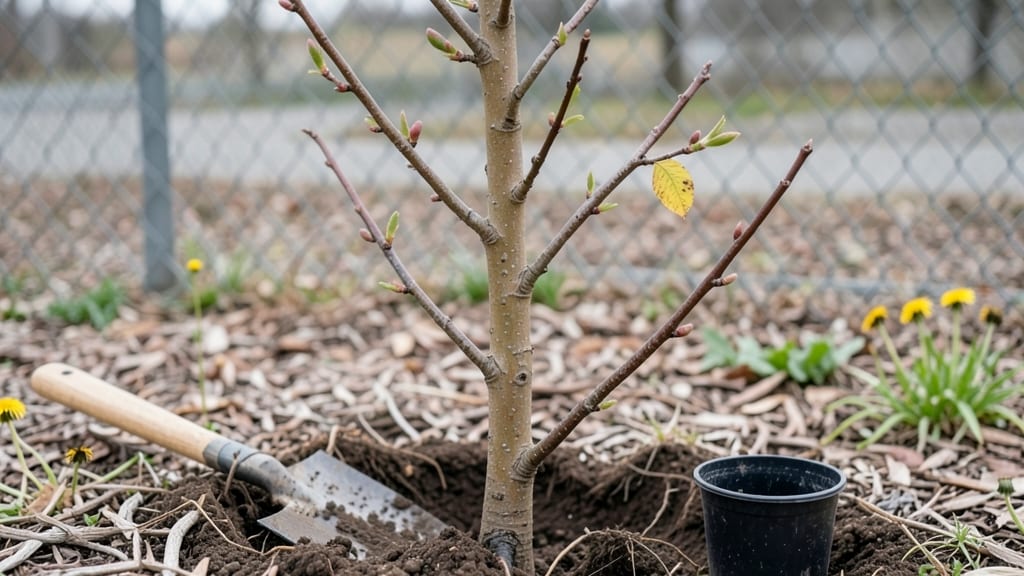
Planting an apricot tree starts with a sunny spot and well-draining soil—two things that make all the difference between a thriving orchard and a struggling sapling. 🌞 I learned this the hard way when my first tree struggled in heavy clay, but now I know exactly what works: full sun, loose soil, and a little patience.
The right location turns a simple hole into a future fruit-bearing powerhouse.
You’ll need a 2- to 3-foot-deep hole, a 5-gallon container sapling (or bare-root if planting in dormancy), and a mix of compost to boost nutrients. Apricots hate soggy roots, so amending the soil with sand or gravel ensures water drains fast.
Planting in early spring or late fall gives roots time to establish before summer heat or winter cold stresses them.
After placing the tree, backfill with native soil, water deeply to settle it, and stake only if your area gets strong winds. The first year is about roots—keep the soil 2-3 inches moist but never soggy.
By summer’s end, you’ll see new growth, proving your tree is settling in for a lifetime of golden fruit.
This method works in USDA Zones 5-9, but colder climates need winter protection. Whether you’re a beginner or a seasoned gardener, these steps cut out the guesswork. Let’s get that apricot tree growing!
📚 In This Guide
- What you need
- Instructions
- Tips and common mistakes
- Wrapping up and next steps
What you need
- ● Apricot tree sapling: Choose a Prunus armeniaca variety suited to your USDA hardiness zone (e.g., ‘Royal’ for cold climates or ‘Blush’ for warmer areas). Opt for a 1- to 2-year-old bare-root or container-grown tree from a reputable nursery.
- ● Shovel or trowel: A round-point shovel (for digging) or a hand trowel (for smaller holes).
- ● Garden fork or transplant spade: Helps loosen soil and reduce root damage.
- ● Compost or well-aged manure: 5–10 gallons (mix 1 part compost to 3 parts native soil).
- ● Slow-release fertilizer: 10-10-10 or 8-3-9 (use ½ cup per tree).
- ○ Mulch (optional but highly recommended): 2–3 inches of wood chips, straw, or pine bark (keep 3–4 inches away from the trunk).
- ● Watering can or hose with a gentle spray nozzle.
- ● Pruning shears: For trimming damaged roots or branches.
- ● Garden hose or soaker hose: For deep watering (aim for 1–1.5 inches per week).
- ○ Staking kit (optional): Includes 2–3 stakes and soft tree ties if your tree is tall or in a windy area.
- ● Soil pH test kit: Apricots prefer 6.0–7.0 pH; amend soil if needed.
- ● Epsom salt (magnesium sulfate): 1 tablespoon dissolved in water (helps with leaf development).
- ● Tree guard or protective wrap: Shields young bark from sunburn or pests.
Step-by-step instructions for planting an apricot tree
Here’s how to get your sun-loving apricot tree off to a strong start—no guesswork involved.
🌱 Step 1: Choose the Perfect Spot and Dig the Hole
Pick a location with full sun exposure (6-8 hours daily) and well-draining soil. Apricot trees hate soggy roots, so avoid low spots where water pools. I dig the hole twice as wide as the root ball but only as deep—any deeper and you’ll bury the graft union, which weakens the tree.
Loosen the soil at the bottom of the hole with a shovel or your hands. This helps roots spread out instead of circling tightly. If your soil is heavy clay, mix in a handful of compost or aged manure to improve drainage. Test the hole depth by placing the root ball inside—it should sit just above ground level when finished.
🪴 Step 2: Prepare the Root Ball and Plant
Gently remove the tree from its container and tease the roots apart if they’re circling. You’ll see a slight swelling near the base—this is the graft union. Keep it 1-2 inches above soil level; burying it too deep causes the tree to grow multiple trunks, which weakens fruit production.
Place the tree in the hole and backfill with native soil, tamping lightly every few inches to remove air pockets. Don’t compact too hard—you want roots to push through easily. Water deeply to settle the soil around the roots. The ground should feel firm but not rock-hard after watering.
☀️ Step 3: Water and Mulch for Protection
Give the tree a deep watering (5 gallons total) right after planting to encourage roots to spread. Water again in 3-4 days if the top inch of soil feels dry. Overwatering now can suffocate roots, so let the top layer dry slightly between waterings.
Spread a 2-3 inch layer of mulch around the base, keeping it 6 inches away from the trunk to prevent rot. I use wood chips because they break down slowly and improve soil structure over time. Mulch helps retain moisture and keeps weeds from competing for nutrients.
✂️ Step 4: Prune and Protect for First Growth
Prune any broken or damaged branches immediately, but avoid heavy pruning—you’ll shape the tree next year. Focus on removing suckers (shoots growing below the graft union) as soon as you spot them. These compete with the main trunk and reduce fruit quality.
Install a tree stake only if your area gets high winds. Tie the tree loosely to the stake with soft fabric strips—too tight, and you’ll damage the trunk as it grows. In colder climates, wrap the trunk with tree guard or burlap to protect it from late frosts, which can scorch young bark.
Tips & tricks for planting an apricot tree
Here's what nobody tells you about planting apricot trees—and how to avoid the rookie mistakes that ruin your first year.
Location is Everything: That 6-8 hours of daily sun isn't just a suggestion—it's non-negotiable. I once planted one in partial shade, and while it survived, the fruit production was pitiful. Check your yard's sunlight patterns for at least two weeks before planting. Morning sun is ideal, but afternoon sun works too if your climate is cooler. The graft union needs full sun to properly heal and strengthen.
Root Ball Rescue: When you remove that root ball from its container, you'll often find roots circling like a snake. Tease them apart gently with your fingers—this prevents "pot-bound" roots that strangle the tree's growth. I use a butter knife to carefully separate tightly wound roots without damaging them. The goal is to encourage outward growth, not keep the roots trapped in a circle like they were in the nursery pot.
Mulch Like a Pro: That 2-3 inch layer of mulch isn't just for looks—it's a protective shield. I always keep it 6 inches away from the trunk to prevent rot, but here's the secret: refresh the mulch every spring. Old mulch breaks down into a thick mat that suffocates roots. Wood chips are my go-to because they improve soil structure over time, but straw works too if you're in a windy area.
Watering Wisdom: Those 5 gallons of deep watering right after planting aren't just about hydration—they're about settling the soil around the roots. I like to water slowly over 15-20 minutes to let it soak in properly. After that, wait until the top inch feels dry before watering again. Overwatering now is just as bad as underwatering—you want roots to establish in moist but not soggy soil.
Pro Tips for Plant An Apricot Tree
- Here's what nobody tells you about planting apricot trees—and how to avoid the rookie mistakes that ruin your first year.
- Location is Everything: That 6-8 hours of daily sun isn't just a suggestion—it's non-negotiable.
- Root Ball Rescue: When you remove that root ball from its container, you'll often find roots circling like a snake.
Frequently asked questions
Got questions about planting your apricot tree? You’re not alone—here are the answers to the most common ones!
When is the best time to plant an apricot tree?
Plant your apricot tree in early spring (just as buds swell) or late fall (6-8 weeks before the first frost). Avoid planting in summer heat or winter freezes—roots need time to establish before extreme temps hit. If you’re in a mild climate, late fall can work too!
Can I plant an apricot tree in winter?
While possible, winter planting isn’t ideal unless your region has no frost or you’re in a warm microclimate. If you must plant in winter, choose a dormant tree (bare-root) and protect it with mulch. Avoid planting during hard freezes—roots can’t absorb water, and the tree may struggle to recover.
How close can an apricot tree be to my house or fence?
Apricot trees need space to breathe—plant them at least 15–20 feet from structures, fences, or other trees. Their roots spread widely, and mature trees can grow 15–25 feet tall. If space is tight, choose a dwarf variety (like ‘Gold Bar’) and prune regularly to keep it manageable.
What if my apricot tree leaves turn yellow or drop?
Yellow leaves or early leaf drop often signal overwatering, underwatering, or nutrient deficiency. Check soil moisture (it should be damp but not soggy) and adjust watering. Yellowing between veins may mean iron deficiency—apply a chelated iron supplement. Pests like aphids can also cause stress; inspect leaves for tiny bugs or sticky residue.
Can I grow an apricot tree in a container?
While possible, apricot trees thrive best in the ground due to their size and root needs. If you must container-grow one, use a large pot (at least 20 gallons), well-draining soil, and move it outdoors in warm months. Expect smaller fruit yields, and plan to repot every 2–3 years. Dwarf varieties adapt slightly better!
Wrapping up and next steps
Planting an apricot tree is a rewarding journey that blends patience with delicious results! 🌱 By choosing the right variety, preparing the soil, and giving your tree the love it needs, you’re setting the stage for years of golden, sun-kissed fruit. Don’t let a few challenges discourage you—remember, even the sweetest apricots start as tiny seeds!
Now that you’re ready to dig in, why not take the next step? Research local nurseries for the best apricot varieties in your area, or explore companion plants to boost your tree’s growth. Happy planting—your future harvest is waiting! 🍑✨