
Propagation
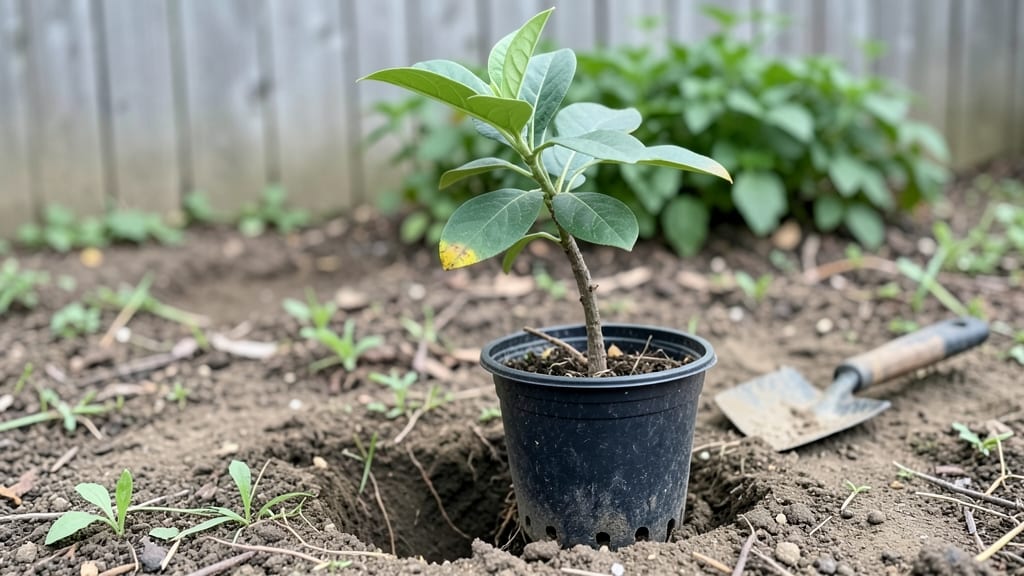
Planting guava trees from seeds isn't just rewarding—it’s a race to see those first green shoots appear in just 3-4 weeks with the right tricks. 🌱 I’ve learned that skipping the soaking step or planting too deep can turn weeks into months of waiting, and nobody wants that.
The secret lies in mimicking nature’s conditions: warm soil, consistent moisture, and a little patience (though I’ll admit, I’ve checked my seeds more times than I’d like to confess).
You’ll need just three simple supplies: fresh guava seeds (the bigger, the better), a small pot with drainage, and a mix of potting soil and perlite for airflow. No fancy equipment—just a sunny windowsill or a heat mat to keep things cozy.
The germination process is where most beginners trip up, so I’ll walk you through the exact steps to avoid those "why isn’t this working?" moments that keep you second-guessing.
By week 6, you’ll have sturdy seedlings ready to transplant, their first true leaves unfurling like tiny umbrellas. The real magic happens when you move them outdoors—suddenly, those spindly stems thicken, and roots dive deep into the earth.
It’s the kind of progress that makes the early wait feel worth every second. Here’s how to get there without losing hope (or your seeds).
This method works in zones 9-11, but container growers in cooler areas can extend the season with grow lights. The key is adapting the timing—just don’t rush it. Guava trees are forgiving once they start growing, but those first few weeks? That’s where the real gardening magic begins.
📚 In This Guide
- What you need
- Instructions
- Tips and common mistakes
- Wrapping up and next steps
What you need
- ● Guava seeds – 3–5 fresh, plump seeds (harvested from ripe guava fruit; avoid overly soft or shriveled ones).
- ● Small pots or seed trays – 2–3 biodegradable pots (3–4 inches in diameter) or a shallow tray with drainage holes.
- ● Well-draining potting mix – 2–3 cups of a lightweight blend (50% coco coir/peat moss + 50% perlite/sand). Pro tip: Avoid garden soil—it’s too dense for germination!
- ● Spray bottle – For gentle watering (1–2 sprays per day).
- ○ Plastic wrap or clear lid – To create a humidity dome (optional but highly recommended for faster sprouting).
- ● Scissors or knife – For cutting plastic wrap or making drainage holes.
- ● Sunny windowsill or grow light – A warm spot (70–85°F) with indirect light for the first 2–3 weeks.
- ● Heating mat – Speeds up germination (75–85°F range).
- ● Fertilizer – A mild, balanced liquid fertilizer (e.g., 10-10-10) for seedlings after 4–6 weeks.
- ● Humidity dome kit – Pre-made plastic domes with ventilation holes.
- ● Larger nursery pot – 1-gallon pot for transplanting once seedlings are 4–6 inches tall.
How to plant guava tree from seeds: germination tricks for fast sprouts
Here's how to skip the nursery and grow your own guava tree from home.
🌱 Step 1: Select and Prepare the Seeds
Choose ripe guava fruits with no soft spots or bruises. Cut them open and remove the large, flat seeds—these are your starters. Guava seeds germinate best when fresh, so use them within 24 hours of harvesting. Rinse the seeds gently to remove any fruit residue, then let them air-dry on a paper towel for 1 hour.
Here's the thing—guava seeds have a hard outer shell that slows germination. To speed things up, I soak them in lukewarm water for 12-24 hours. Place them in a small bowl, cover with water, and let them soak while you prepare the planting medium. You'll know they're ready when the outer shell softens slightly and the seed feels slightly lighter.
💧 Step 2: Create the Ideal Germination Environment
Fill a small container—like a 4-inch plastic pot—with a mix of 50% potting soil and 50% perlite or coarse sand. This blend drains well but holds enough moisture to keep seeds happy. Moisten the mix until it feels like a damp sponge—squeeze it gently, and a few drops should form but not drip.
Plant the soaked seeds ½ inch deep, spacing them 1 inch apart. I like to use a pencil to make small holes—this ensures consistent depth and prevents burying the seeds too deep. After planting, cover the pot with a clear plastic bag or humidity dome to trap warmth and moisture. Place it in a warm spot, like on top of the fridge or near a sunny window, where temperatures stay around 75-85°F.
☀️ Step 3: Monitor and Encourage Fast Germination
Check the soil daily—it should stay evenly moist but not soggy. Mist the surface lightly if it feels dry to the touch, but avoid soaking the seeds. Germination usually kicks in within 7-14 days, but some seeds take up to 3 weeks. You'll see the first sign when tiny white roots break through the soil, followed by a small shoot.
Once the seedlings emerge, remove the plastic cover immediately to prevent mold. Place them under bright, indirect light for the first week—direct sun can scorch tender new leaves. If your seedlings grow leggy (long and thin), they need more light. Move them closer to a south-facing window or under a grow light for 12-14 hours daily.
🌿 Step 4: Transplant and Care for Young Seedlings
When seedlings reach 3-4 inches tall and have 2-3 sets of true leaves (not just the initial seed leaves), it's time to transplant them into individual 6-inch pots. Use the same potting mix blend to avoid shocking the roots. Gently loosen the soil around the roots with a small fork or your fingers before transferring them to their new homes.
Water lightly after transplanting, and place the pots in a spot with morning sun and afternoon shade for the first week. Gradually introduce them to full sun over the next 2 weeks. Guava trees love warmth, so keep them in temperatures above 60°F. If you live in a cooler climate, grow them indoors near a sunny window until spring.
Tips & tricks for fast guava seed germination
These little tricks will help you beat the waiting game and get those guava sprouts popping in record time.
Seed Prep Shortcut: After rinsing your seeds in Step 1, give them a quick 30-second scrub with a soft toothbrush under running water. This removes any stubborn fruit residue that might slow down germination—especially important if your guavas were particularly sticky. The 1-hour drying time is critical too; don't rush this or your seeds might develop mold before sprouting.
Soaking Hack: For the 12-24 hour soak in Step 1, I add a drop of liquid seaweed fertilizer to the lukewarm water. This gives your seeds a tiny nutrient boost without overpowering them. Change the water halfway through the soak if it starts looking cloudy—this prevents bacterial growth that could hinder germination. You'll know the seeds are ready when they float slightly or the outer shell feels noticeably softer when squeezed.
Lighting Strategy: In Step 3, when you're dealing with those leggy seedlings, try this: place a small mirror at a 45-degree angle near the pot to reflect light from your south-facing window. This creates indirect light from multiple angles while preventing the direct sun scorch you mentioned. Most grow lights work fine, but a simple LED bulb on a timer works too—just keep it 6-8 inches above the seedlings during those critical 12-14 hours of daily light.
Transplant Timing: The 3-4 inch height guideline in Step 4 is perfect, but don't wait until the last minute to transplant. If you see the roots starting to circle around the bottom of your 4-inch pot, it's time to move them—even if they're just 2.5 inches tall. Circling roots will strangle your young guava tree before it gets a chance to grow. Use a pencil to gently loosen the soil around the edges before transferring to avoid root damage.
Pro Tips for Plant Guava Tree From Seeds
- These little tricks will help you beat the waiting game and get those guava sprouts popping in record time.
- Seed Prep Shortcut: After rinsing your seeds in Step 1, give them a quick 30-second scrub with a soft toothbrush under running water.
- Soaking Hack: For the 12-24 hour soak in Step 1, I add a drop of liquid seaweed fertilizer to the lukewarm water.
Frequently asked questions
Got questions about growing guava from seeds?
You’re not alone! Here are answers to the most common queries—from germination hacks to troubleshooting—so you can grow your guava tree with confidence.
How long does it take for guava seeds to germinate?
Guava seeds typically sprout in 2 to 4 weeks under ideal conditions (warmth, moisture, and indirect light). Pre-soaking seeds for 24 hours can speed this up! Patience is key—some stubborn seeds may take up to 6 weeks. Keep soil consistently moist (but not soggy) to encourage faster growth. Pro tip: Use a heat mat (75–85°F) to mimic tropical conditions and cut germination time in half!
Can I plant guava seeds directly in the ground?
While possible, direct sowing in cool or dry climates is risky—guava seeds thrive in warmth and humidity. For best results, start seeds indoors in pots (6–8 weeks before last frost) or use a greenhouse. Once seedlings are 6+ inches tall and weather permits, transplant them outdoors in well-draining soil with full sun. Wait until soil is at least 60°F to avoid stunted growth. Warning: Frost will kill young seedlings!
Why aren’t my guava seeds sprouting?
Common culprits include:
- Cold soil: Guava seeds need warmth (ideal: 70–85°F). Use a seedling heat mat or place pots near a sunny window.
- Too much water: Overwatering causes rot. Let the top inch of soil dry between waterings.
- Old/dormant seeds: Fresh seeds (from ripe fruit) germinate best. If seeds are >1 year old, soak them in warm water for 48 hours to break dormancy.
- Low light: Seedlings need bright, indirect light. A grow light helps if natural light is weak.
If nothing works, try stratification (mimicking winter): Place seeds in a damp paper towel in the fridge for 7–14 days before planting.
Will a guava tree grown from seed produce fruit?
Yes! However, seed-grown trees may take 3–5 years to bear fruit (vs. 1–2 years for grafted trees). Fruit quality can also vary—some seeds produce sweeter or larger guavas than others. For faster, more reliable results, consider grafting a known variety onto your seedling once it’s 1–2 feet tall. Fun fact: Seedlings often yield unique, hybrid flavors!
What’s the best climate for growing guava trees from seeds?
Guava trees thrive in tropical/subtropical climates (USDA Zones 9–11) with:
- Year-round warmth (avoid frost!).
- High humidity (60%+).
- Full sun (6+ hours daily).
- Well-draining, slightly acidic soil (pH 5.0–6.5).
In cooler zones, grow guava as a container plant and bring it indoors during winter. Dwarf varieties (like ‘Sweeting’) adapt better to pots. Cold-hardy tip: Mulch heavily in winter to protect roots down to 20°F!
Wrapping up and next steps
Growing a guava tree from seeds is a rewarding journey that combines patience with the joy of nurturing life! 🌱 With the right germination tricks—like soaking seeds, using warm water, and providing consistent moisture—you’ll be well on your way to fast sprouts in just a few weeks.
Whether you’re a beginner or a seasoned gardener, this method offers a cost-effective and fulfilling way to start your own tropical fruit tree.
Now that you’re armed with the know-how, take the next step: grab those guava seeds, prep your growing space, and watch your little saplings thrive! Soon, you’ll be enjoying fresh, homegrown guavas straight from your very own tree. Happy planting! 🌟