
Propagation
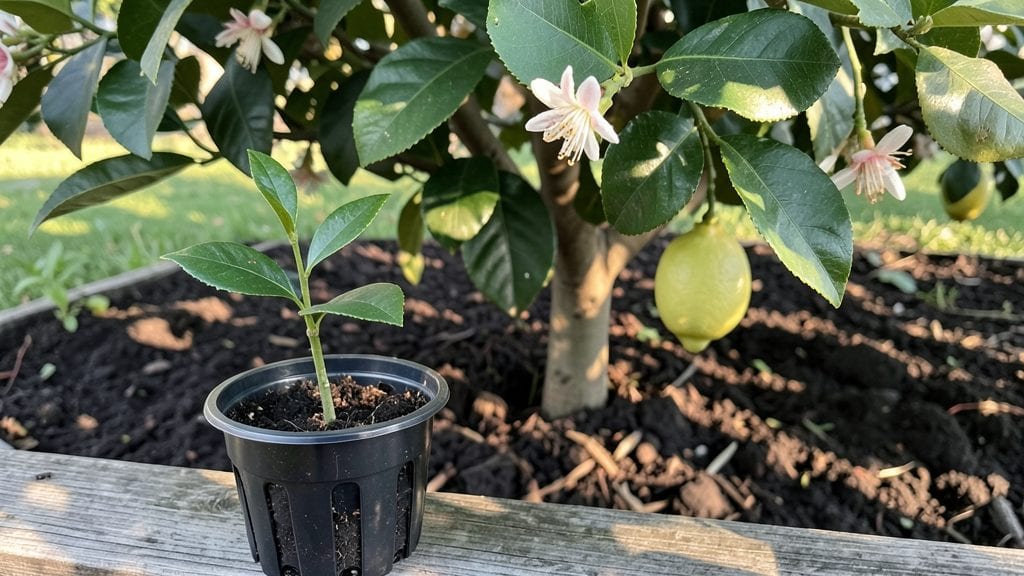
Growing a lemon tree from a cutting means you could be harvesting your own fruit in just a few years—and the best part is, it starts with a simple glass of water. 🌱 I’ve rooted lemon cuttings in water so many times that I now keep a spare cutting in my kitchen just in case.
The secret isn’t complicated: pick the right branch, trim it clean, and let nature do the rest while you watch roots grow right before your eyes.
You’ll need just a few basic supplies: sharp pruning shears, a healthy lemon tree branch (about 6 inches long), a clean glass of water, and a little patience.
The process takes about 4-6 weeks for roots to form, and it’s one of the most rewarding ways to propagate a citrus tree—especially when you see those first white roots snaking down the glass. No fancy equipment, no expensive soil mixes, just you and a cutting.
Once rooted, your new lemon tree will need bright, indirect light and occasional misting to keep the air humid. Within a year, you’ll have a sturdy young tree ready to plant in a pot or garden bed.
Imagine plucking fresh lemons from your own tree—it’s not just possible, it’s faster than you think. Let’s get those roots growing!
This method works best in spring or early summer when the tree is actively growing, but with the right care, you can try it almost any time of year.
The key is consistency—keep the water fresh, avoid direct sunlight, and watch as your cutting transforms into a thriving lemon tree. Ready to give it a shot?
📚 In This Guide
- What you need
- Instructions
- Tips and common mistakes
- Wrapping up and next steps
What you need
- ● Lemon tree cutting: A healthy, 4–6 inch (10–15 cm) stem cutting from a mature lemon tree (preferably ½ inch / 1.25 cm thick).
- ● Best time to take cuttings: Early spring or late summer (when the plant is actively growing).
- ● Sharp pruning shears or knife: Sterilized to prevent disease (rubbing alcohol works great!).
- ○ Rooting hormone (optional but recommended): A small container (e.g., Rootone or Dip ‘N Grow).
- ● Clean water: Filtered or distilled water (avoid tap water with chlorine).
- ● Clear glass or jar: At least 8–12 inches (20–30 cm) tall to hold the cutting.
- ● Small pebbles or gravel: 1–2 cups (enough to cover the bottom 2–3 inches of the jar).
- ● Plastic wrap or humidity dome: To create a mini greenhouse effect (e.g., a ziplock bag with holes punched in it).
- ● Spray bottle with water: For misting the cutting occasionally.
- ● Grow lights or sunny windowsill: A south-facing window or a small LED grow light (12+ hours of light/day).
- ● Fertilizer (after rooting): A diluted seaweed-based fertilizer or fish emulsion (once roots are 2+ inches long).
- ● Potting soil: Well-draining mix (e.g., cactus/succulent blend) for transplanting after rooting.
- ● Small pot (4–6 inches): With drainage holes for the next stage.
Step-by-Step instructions for propagating a lemon tree from cuttings
Here's how to turn a simple cutting into a thriving lemon tree in weeks.
🌱 Step 1: Select and Prepare the Cutting
Choose a healthy, pencil-thick stem from the current year's growth—about 4-6 inches long with 3-4 leaf nodes. Use clean, sharp pruners to make a clean cut just below a node at a 45-degree angle. This angled cut increases surface area for root growth.
Remove all but the top 2-3 leaves to reduce moisture loss. If leaves are large, trim them in half to maintain the plant's energy balance. Dip the cut end in rooting hormone (optional but speeds success) and let it sit for 30 seconds to allow the powder to adhere.
💧 Step 2: Root in Water for Fast Growth
Fill a clean glass or jar with room-temperature water—about 2-3 inches deep—and place the cutting so the cut end is submerged but leaves stay dry. Use a rubber band or twist tie to secure the stem if needed. Keep the container in bright, indirect light (no direct sun) where temperatures stay 65-75°F.
Change the water every 3-5 days to prevent bacteria and algae. You'll see roots form in 3-8 weeks—watch for tiny white hairs (root hairs) first, then ½-inch roots. Once roots reach 1-2 inches, it's time to plant.
☀️ Step 3: Transition to Soil for Permanent Growth
Prepare a 4-inch pot with well-draining potting mix (add perlite or sand if your mix is heavy). Gently remove the cutting from water and let excess moisture drain for 10 minutes. Plant at the same depth it was in water, firming soil lightly around the stem.
Water lightly until water runs out the drainage hole, then place in bright, indirect light for 1 week to reduce transplant shock. After that, move to full sun (6+ hours daily) and water when the top inch of soil feels dry.
✂️ Step 4: Maintain and Encourage Growth
Prune any yellowing leaves immediately—they indicate stress. Fertilize lightly with balanced liquid fertilizer (10-10-10) every 4-6 weeks once new growth appears. Lemon trees need well-draining soil and consistent moisture but hate soggy roots.
Watch for new leaves as a sign of healthy growth. In 6-12 months, you may see tiny flowers—this means your cutting has successfully rooted and is maturing. Be patient; fruit production takes 2-3 years from a cutting.
Tips & tricks for perfect lemon tree propagation
Here's what I learned the hard way after watching too many cuttings fail—these tricks speed up rooting and keep your lemon tree thriving.
Cutting Selection is Everything: Look for stems that are pencil-thick with a slight green tint—these are young enough to root easily. Avoid woody, brown stems or those with flower buds, as they won't root well. In Step 1, when you make that 45-degree cut, you're not just making it look nice—this angled cut exposes more cells to grow roots, which is why it works so much better than straight cuts.
Light Matters More Than You Think: That bright, indirect light in Step 2 isn't just decoration—it's crucial for photosynthesis while keeping leaves from scorching. If your cutting starts leaning toward the light, gently rotate the container daily. Too little light slows root growth, while direct sun can burn leaves and stress the cutting before roots even form.
Water Quality and Timing: The 3-5 day water change rule isn't arbitrary—it's the sweet spot to prevent bacterial growth without letting roots suffocate. Use filtered or room-temperature water (never tap water left sitting out overnight). If you notice slimy water or black spots at the base, change it immediately—this is your cutting's SOS signal.
Transplanting is the Make-or-Break Step: That 10-minute drying period before planting in Step 3 isn't optional. It prevents root rot by letting excess moisture evaporate. When you plant, don't pack the soil too tightly—this creates air pockets that roots need to establish. Gently pat the soil instead, and make sure the cutting sits at the exact same depth it was in water.
Pro Tips for Grow Lemon Tree From Cutting
- Here's what I learned the hard way after watching too many cuttings fail—these tricks speed up rooting and keep your lemon tree thriving.
- Cutting Selection is Everything: Look for stems that are pencil-thick with a slight green tint—these are young enough to root easily.
- Light Matters More Than You Think: That bright, indirect light in Step 2 isn't just decoration—it's crucial for photosynthesis while keeping leaves from scorching.
Frequently asked questions
Got questions about growing a lemon tree from cuttings? Here are some of the most common ones—and their answers—to help you succeed!
How long does it take for a lemon cutting to root in water?
A lemon cutting typically takes 4 to 8 weeks to develop roots in water, depending on factors like temperature, humidity, and care. Be patient—roots may start as tiny white nubs before growing longer. Change the water every 5-7 days to prevent bacteria and encourage faster growth.
Can I grow a lemon tree from a cutting year-round, or is there a best time?
The ideal time is late spring or early summer when the plant is actively growing. Avoid winter (roots grow slower in cold) and extreme heat (can stress the cutting). If you must propagate in winter, use a grow light and maintain warmer temps to boost success.
Will my lemon cutting grow fruit if rooted in water first?
Probably not—yet! Trees grown from cuttings (especially in water) take 3 to 5 years to mature enough for fruit. For faster results, consider grafting a fruiting branch onto your rooted cutting. Patience is key—enjoy the journey of watching your tree grow!
My lemon cutting is turning yellow or mushy—what’s wrong?
Yellowing or mushy stems usually mean root rot from overwatering or bacteria. Act fast:
- Remove the cutting from water and trim any black/mushy roots.
- Rinse the roots with hydrogen peroxide (3%) for 10 minutes.
- Repot in fresh, dry well-draining soil and avoid water until new roots form.
Can I use any lemon variety for cuttings, or do some work better?
Most Meyer lemons (a hybrid) root easily in water, making them a great beginner choice. True Eureka or Lisbon lemons are harder to root from cuttings—grafting is often better. If you’re unsure, ask your local nursery for propagation-friendly varieties!
Wrapping up and next steps
Growing a lemon tree from a cutting is a rewarding journey that brings fresh, homegrown lemons to your doorstep! 🌱 With the right tools—like sharp pruners, rooting hormone, and patience—you’ve got everything you need to succeed.
Remember, consistency is key: keep your cutting hydrated, provide bright (but indirect) light, and stay patient as roots develop.
Now that you’re ready to dive in, take the first step today! Grab a healthy cutting, follow the steps, and watch your tiny branch transform into a thriving citrus tree. Happy growing—your future lemon harvest awaits! 🍋✨