
Trees
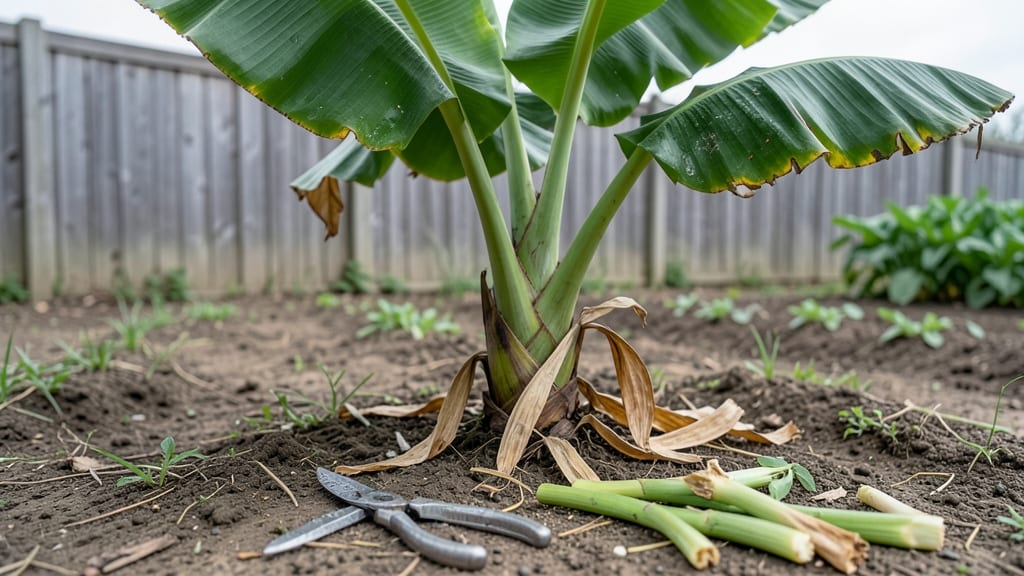
Preparing banana trees for winter in the Pacific Northwest isn’t just about survival—it’s about setting them up for a stronger comeback when spring arrives. 🌱 I’ve learned the hard way that skipping these steps means frost-damaged leaves or worse, but with the right approach, your plants can thrive even through chilly months.
The key is timing and technique: prune back the foliage before temperatures drop below 32°F, wrap the trunks with insulation, and mound mulch around the base. These simple steps create a microclimate that protects roots and helps the tree conserve energy.
Even in Zone 8, where frost is rare, a little preparation goes a long way toward preventing stress.
By spring, you’ll see fresh growth emerging from the base, often more vigorous than before. The trick is monitoring moisture levels—too much water can rot roots, while too little stresses the plant. With these methods, your banana tree won’t just survive winter; it’ll bounce back ready for another harvest.
Whether you’re in Seattle’s mild climate or the cooler valleys of Oregon, the same principles apply. The difference is just how much extra care you might need to take. Let’s get your banana tree winter-ready so it’s the first thing blooming in spring.
📚 In This Guide
- What you need
- Instructions
- Tips and common mistakes
- Wrapping up and next steps
What you need
- ● Pruning shears or loppers – Sharp, clean tools for trimming leaves and fronds (ensure blades are sterilized with rubbing alcohol to prevent disease).
- ● Heavy-duty burlap or frost cloth – At least 2–3 yards per tree for wrapping (choose breathable fabric rated for 20–30°F protection).
- ● Sturdy twine or zip ties – 10–15 feet to secure wraps tightly around the trunk and fronds.
- ● Mulch (straw, pine needles, or wood chips) – 3–4 inches deep, covering the root zone up to the trunk base. Avoid dense mulch like grass clippings.
- ● Garden hose or watering can – For a final deep watering before winter (aim for 1–2 gallons per tree).
- ● Gloves and long sleeves – Protect your hands from thorns and rough fronds!
- ● Insulating foam board or cardboard – Cut to size for wrapping around the trunk base (adds extra frost protection).
- ● Plant hormone rooting gel – If you’re layering or propagating offsets, apply to cuttings for better survival.
- ● Thermometer (soil or air) – Monitor temperatures to adjust protection as needed.
- ● Compost or balanced fertilizer (low-nitrogen) – A small handful mixed into the soil in early spring to wake up roots.
- ● Mini greenhouses or cold frames – For container-grown banana trees in colder microclimates.
Step-by-Step instructions for winterizing banana trees
Here's how I protect my Pacific Northwest banana trees every year—no frost damage, no fuss.
🌿 Step 1: Assess and Prune for Health
Start by examining your banana tree for dead or damaged leaves—those brown, brittle fronds won’t survive winter and can harbor pests. I grab a pair of clean pruners and snip them at the base, making sure to cut cleanly just above a healthy node. This isn’t about drastic cuts; think of it as tidying up rather than a radical makeover.
Watch for signs of disease like black spots or mold—remove those leaves immediately and dispose of them in the trash, not your compost. The goal is to keep your tree as healthy as possible heading into dormancy. You’ll know you’ve done well when the remaining leaves are vibrant green and the trunk looks sturdy and unblemished.
💧 Step 2: Reduce Watering Gradually
About six weeks before the first frost, I start cutting back on watering. Banana trees in the Pacific Northwest need less moisture as temperatures drop, and overwatering now can lead to root rot when the ground cools. Water deeply but less frequently—once every 7-10 days instead of weekly—until the soil feels slightly dry 2 inches below the surface.
This gradual reduction helps the roots adjust. You’ll notice the leaves may yellow slightly at the edges, but don’t panic—this is normal as the plant prepares for dormancy. The key is to keep the soil moist but not soggy; banana trees hate wet feet in winter.
☀️ Step 3: Mulch Heavily for Insulation
Once temperatures consistently drop below 50°F at night, it’s time to mulch. I spread a 4-6 inch layer of straw or wood chips around the base of the tree, keeping it 6 inches away from the trunk to prevent rot. This thick layer acts like a blanket, protecting the roots from freezing temperatures and keeping the soil warm enough for the tree to survive.
Don’t skimp on the mulch—this is the most critical step for frost protection. The mulch should cover the entire root zone and extend slightly outward. If you’re in a particularly cold microclimate, add a 12-inch layer of leaves or straw on top of the mulch for extra insulation. You’ll see the soil stay warmer to the touch even on chilly mornings.
⏰ Step 4: Protect the Trunk from Freezing
When nighttime temperatures drop below 35°F, wrap the trunk of your banana tree with burlap or frost cloth. Secure it loosely—you don’t want to suffocate the tree, just shield it from harsh winds and cold. I also like to add a straw wrap around the base of the trunk for extra warmth, especially if your winters are particularly brutal.
This step is all about preventing frost cracks, which can be fatal. The wrap should extend from the ground up to about 3 feet high on the trunk. If you’re expecting a hard freeze, add a clear plastic sheet over the top of the tree to trap heat, but leave the bottom open to prevent moisture buildup. You’ll know it’s working if the trunk feels slightly warmer to the touch on cold mornings.
Tips & tricks for perfectly winterizing banana trees
Here's what nobody tells you about keeping your tropical trees thriving through Pacific Northwest winters.
Pruning Precision: In Step 1, when you're removing dead leaves, look for the first healthy node just above where the leaf meets the stem—this is your cutting point. I've learned the hard way that cutting too close to the trunk can damage the tree's protective layer. Use sharp pruners to make clean cuts, and always sterilize them with rubbing alcohol between cuts to prevent spreading disease. Those small details make all the difference when your tree goes dormant.
Watering Wisdom: The 7-10 day watering schedule in Step 2 is crucial, but timing matters just as much. I check soil moisture in the late afternoon when it's naturally drier—this gives me the most accurate reading. If your soil feels cool to the touch 2 inches down, that's your cue to water. The goal is to keep roots just barely moist, not soggy. Overwatering now is the #1 reason banana trees fail in winter.
Mulch Mastery: When you're applying that 4-6 inch mulch layer in Step 3, don't just pile it up—fluff it out evenly. I like to work it into the soil surface just a bit to create better insulation. For extra protection in cold microclimates, I've found that adding a 12-inch layer of leaves on top (like a second blanket) can raise soil temperatures by 5-10 degrees. The key is to keep that mulch dry—wet mulch loses its insulating properties fast.
Trunk Protection: The burlap or frost cloth wrap in Step 4 should fit snugly but not tightly—think "swaddling" not "straightjacket." I've seen frost cracks develop when the wrap was too tight. For particularly cold nights, I add a straw wrap at the base first, then the burlap higher up. This two-layer approach has saved my trees during our harshest winters. And yes, you can reuse the same frost cloth for multiple years if you clean and store it properly.
Pro Tips for Prepare Banana Trees For Winter
- Here's what nobody tells you about keeping your tropical trees thriving through Pacific Northwest winters.
- Pruning Precision: In Step 1, when you're removing dead leaves, look for the first healthy node just above where the leaf meets the stem—this is your cutting point.
- Watering Wisdom: The 7-10 day watering schedule in Step 2 is crucial, but timing matters just as much.
Frequently asked questions
Got questions about winterizing your banana trees? You’re not alone! Here’s a quick breakdown of the most common concerns—and how to tackle them like a pro.
How cold is too cold for banana trees?
Most banana trees hate frost—temperatures below 25°F (-4°C) can kill them. In the Pacific Northwest, where winters are milder but damp, aim to protect your trees when nighttime temps dip near 32°F (0°C). If you’re in a frost-prone zone, start prepping early (late fall) to give your tree the best shot at survival.
Can I leave banana trees outside in winter?
Yes, but only if you’re prepared! In the PNW’s milder winters, banana trees can stay outdoors with proper insulation (mulch, burlap wraps, or a mini greenhouse). However, if you’re expecting hard freezes (below 20°F/-7°C), it’s safer to move potted trees indoors or use frost cloth. Pro tip: Monitor local forecasts—sudden cold snaps can sneak up!
What if my banana tree’s leaves turn brown or yellow in winter?
Brown/yellow leaves are normal in winter—they’re a sign of dormancy or cold stress. Prune dead fronds after the last frost to avoid inviting pests. If leaves look mushy or black (like rot), your tree may have overwatered or suffered frost damage. Trim affected areas with sterilized shears and hold off on fertilizer until spring.
Should I fertilize banana trees in winter?
Nope!
Banana trees are dormant in winter—they’re not growing, so they don’t need nutrients. Fertilizing now can burn roots or encourage weak growth. Wait until early spring (when new shoots appear) to feed with a balanced, low-nitrogen fertilizer (like 5-5-5). Bonus: Use a soil thermometer to check—roots stay active above 50°F (10°C).
What’s the best way to overwinter potted banana trees indoors?
Move potted trees to a bright, cool spot (60–70°F/15–21°C) with indirect light (like a sunroom or under grow lights). Reduce watering—let the top 2–3 inches of soil dry out between waterings to prevent root rot. Avoid drafts (no heating vents!) and mist leaves occasionally to combat dry indoor air. Pro move: Rotate the pot weekly so all sides get light.
Can I replant banana trees in spring after winter?
Spring is the perfect time to replant or divide banana trees. Wait until after the last frost (usually April–May in the PNW) and choose a well-draining spot with morning sun. Amend the soil with compost and add 4–6 inches of mulch to protect roots. Warning: Avoid replanting if nighttime temps are still below 50°F (10°C)—new roots are frost-sensitive!
Still stumped? Drop your question in the comments—we’ve got you covered!
Wrapping up and next steps
Preparing your banana trees for winter in the Pacific Northwest doesn’t have to be stressful—just follow these simple, actionable steps to give your tropical friends the best shot at surviving the chill.
With the right mulching, pruning, and protective measures, you’ll be well on your way to enjoying lush, resilient banana trees year after year. 🌱
Now that you’re armed with the know-how, roll up your sleeves and get started! Check your local frost dates, gather your supplies, and give your banana trees the cozy winter prep they deserve. Your green-thumbed efforts will pay off in spring—happy gardening! 🌿