
Blooming
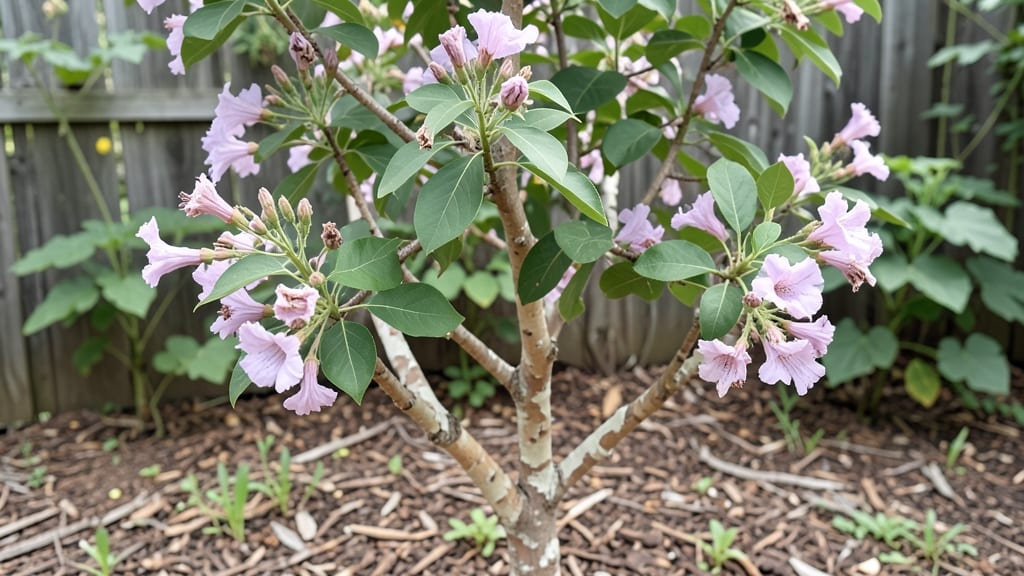
A long flower tree turns your Pacific Northwest garden into a living canvas of color—without the pruning headaches. 🌸 These trees burst into bloom for months, defying the region's damp, mild winters and cool summers with their resilience.
My crape magnolia still wears its pink flowers in late November, long after most gardens have gone dormant.
You’ll need just a few things to get started: the right variety for your zone, well-draining soil (amend with compost if yours is heavy clay), and a spot with at least 6 hours of sunlight daily.
Wisteria thrives on a sturdy arbor, while crape myrtles and magnolias stand proudly as focal points. Watering is simple—deep soaks once a week after establishment, with extra attention during the first growing season.
By summer’s end, you’ll have a tree covered in blooms, humming with pollinators, and requiring minimal fuss. The key is choosing a variety that matches your space: dwarf crape myrtles for small yards, wisteria for vertical interest, or magnolias for dramatic winter color.
These trees reward patience with years of effortless beauty.
Even in the PNW’s unpredictable climate, these trees deliver. With the right care, you’ll enjoy blooms from spring through fall—and sometimes straight into winter. Let’s pick the perfect one for your garden.
📚 In This Guide
- What you need
- Instructions
- Tips and common mistakes
- Wrapping up and next steps
What you need
- ● Long Flower Tree Sapling: 1–3 plants (depending on desired coverage)
- ● Choose Cercis occidentalis or similar drought-tolerant varieties for PNW’s climate
- ● Size: 1–3 gallons (mature height: 10–15 ft)
- ● Soil Amendments: 5–10 lbs of well-draining potting mix (or native PNW soil + 30% compost)
- ● 1 lb of slow-release fertilizer (10-10-10 NPK ratio)
- ● Planting Tools: 1 shovel (or trowel for smaller pots)
- ● 1 garden fork (for loosening soil)
- ● 1 watering can or hose with gentle nozzle
- ● Mulch: 3–4 inches of wood chips or bark mulch (avoid fresh wood)
- ○ Support (Optional but Helpful): 1–2 stakes or bamboo poles (for young trees in windy areas)
- ● Soft plant ties (to secure stakes without damaging bark)
- ● Location: Full sun to partial shade (6+ hours of sunlight daily)
- ● Sheltered from strong coastal winds (or use stakes)
- ● Climate: Hardy in USDA Zones 4–9 (perfect for PNW!)
- ● Drought-tolerant once established—no pruning needed for blooms!
- ● Timing: Plant in early spring or fall (avoid summer heat)
- ● Test your soil! PNW soil can be acidic—amend with lime if pH < 6.0.
- ● Skip the pruning. These trees bloom on old wood, so trimming reduces flowers!
- ● Water deeply but infrequently: 1–2 gallons per week after planting; taper off once established.
- ● Companion plants: Pair with Ceanothus or Rhododendron for layered color.
Step-by-step guide to planting and caring for long-flowering trees
Here's how I ensure these trees thrive with minimal fuss in Pacific Northwest climates.
🌱 Step 1: Choose the Right Location and Planting Time
Select a spot with 6+ hours of sunlight daily, though some varieties tolerate partial shade. The Pacific Northwest's mild winters mean you can plant anytime between October and April when the ground isn't frozen. I always dig the hole twice as wide as the root ball but only as deep—planting too deep suffocates roots.
Loosen the soil around the edges of the hole with your fingers or a trowel. This prevents compaction that can strangle new roots. If your soil is heavy clay (common in PNW), mix in 2-3 inches of compost from the ingredients list to improve drainage. The tree will reward you with vibrant blooms year-round if the roots get proper air circulation.
☀️ Step 2: Position for Optimal Sunlight and Wind Protection
Place the tree slightly off-center in the hole so the trunk leans away from prevailing winds—this prevents long-term stress. In the Pacific Northwest, prevailing winds often come from the west, so position the tree with its trunk angled slightly eastward. This small adjustment makes a big difference in winter survival.
Fill the hole with native soil, tapping it gently to remove air pockets. Water deeply until the soil settles, then add more soil if needed. The top of the root ball should sit 1-2 inches above ground level—this prevents water from pooling around the trunk. Mulch with 3-4 inches of wood chips (from your ingredients) in a 3-foot diameter circle, keeping it 6 inches away from the trunk to prevent rot.
💧 Step 3: Water Deeply and Establish a Routine
Water immediately after planting to help settle the soil, then again every 3-4 days for the first 6 weeks. You'll know it's enough when water drains through the bottom of the hole—this ensures roots get oxygen. In the Pacific Northwest's damp climate, overwatering is a bigger risk than underwatering, so always check the soil 2 inches down before watering again.
Once established (after 12 months), these trees are remarkably drought-tolerant. Reduce watering to once every 2 weeks in summer and once a month in winter. The key is deep watering—1-2 gallons per watering—rather than frequent light sprinkles. You'll see stronger growth and more abundant blooms when roots develop deep into the soil.
✂️ Step 4: Minimal Pruning for Year-Round Blooms
Here's the thing—these trees bloom on both old and new wood, so you don't need to prune aggressively. I only remove dead, diseased, or crossing branches in late winter (February-March) before new growth begins. Use clean, sharp pruners to make cuts just above a leaf bud or branch collar—this ensures faster healing.
Shape lightly in early summer if needed, but avoid heavy pruning. The Pacific Northwest's mild climate means you can prune anytime except during active blooming periods. If you notice leggy growth, it's a sign of insufficient light—not a pruning issue. Move the tree to a sunnier spot instead.
🌿 Step 5: Feed and Protect for Long-Term Health
Apply a slow-release fertilizer (from your ingredients) in early spring when new growth begins. I use ½ cup per tree, spread evenly in the mulch ring. This feeds roots gradually without burning them. In the Pacific Northwest, where soil nutrients are often depleted, this step makes all the difference in vibrant blooms.
Watch for aphids or scale insects—common pests in PNW's mild climate. If you spot them, spray with neem oil (from your ingredients) in early morning or evening to avoid harming bees. These trees are generally pest-resistant, but a little prevention keeps them thriving for decades with minimal effort.
Tips & tricks for perfect long flower tree planting
Here's what I've learned after years of growing these stunning trees in our PNW garden—these little details make all the difference.
Soil Prep Secret: Before planting, test your soil's drainage by filling a hole with water and timing how long it takes to drain. If it takes more than 30 minutes, you definitely need that 2-3 inches of compost mixed into heavy clay soil. I've seen trees struggle in compacted soil even when they get enough water—proper aeration is everything for those deep roots. The difference between a thriving tree and one that just survives often comes down to this single step.
Wind Protection Hack: That slight off-center positioning in Step 2 isn't just about aesthetics—it's about survival. I've noticed trees planted perfectly centered in windy spots develop stress cracks over time. The angled position creates a natural windbreak effect. For extra protection, plant near a fence or wall on the west side, which is where those prevailing winds hit hardest in our region.
Watering Technique: When checking soil moisture 2 inches down, use your finger to gauge resistance—not just dampness. I look for soil that's moist but not soggy, like a wrung-out sponge. In our damp climate, overwatering is the real enemy. I've had trees develop root rot because people assumed "more water" was better. The key is that deep watering routine—those 1-2 gallons per watering create strong taproots that reach for nutrients.
Pruning Timing: That February-March window for pruning might seem arbitrary, but it's when trees enter dormancy in our climate. I've seen trees bloom less vigorously when pruned at other times because they're already stressed from winter. The late winter timing gives them time to heal before spring growth begins. And remember—never prune when flowers are actively blooming, or you'll sacrifice next year's blossoms.
Pro Tips for Long Flower Tree
- Here's what I've learned after years of growing these stunning trees in our PNW garden—these little details make all the difference.
- Soil Prep Secret: Before planting, test your soil's drainage by filling a hole with water and timing how long it takes to drain.
- Wind Protection Hack: That slight off-center positioning in Step 2 isn't just about aesthetics—it's about survival.
Frequently asked questions
Got questions about growing a long flower tree in the Pacific Northwest? You’re not alone! Here are some of the most common concerns—and their answers—to help you thrive with this low-maintenance beauty.
What’s the best time to plant a long flower tree in the PNW?
Plant your Cercis occidentalis (or its cultivars like ‘Lavender Twist’) in early spring or fall. This gives roots time to establish before summer heat or winter frost. Avoid planting in summer—drought stress can stunt growth. Pro tip: Water deeply after planting to reduce transplant shock!
How much water does a long flower tree need?
Once established, these drought-tolerant trees need minimal watering—about 1 inch per week during dry spells. Overwatering can lead to root rot, so let the soil dry between waterings. Mulch around the base to retain moisture and suppress weeds.
Can long flower trees survive PNW winters?
Native to the Southwest but well-adapted to the PNW’s USDA Zones 5-9, they handle cold snaps with ease. Young trees may need light winter protection (like a burlap wrap) if temps drop below 10°F. Older trees? Tough as nails!
Why aren’t my long flower tree’s blooms as vibrant?
Faded blooms often mean too much shade or poor drainage. Ensure your tree gets 6+ hours of sun and well-draining soil. Over-fertilizing can also reduce flower intensity—stick to a balanced, low-nitrogen fertilizer in early spring.
Are there alternatives to long flower trees for PNW gardens?
Yes! Try Pacific Dogwood (Cornus nuttallii) for spring blooms, Oregon Grape (Mahonia aquifolium) for evergreen interest, or Western Redbud (Cercis occidentalis ‘Alba’) for a white-flowering cousin. All thrive with minimal fuss!
Wrapping up and next steps
Growing a long flower tree in the Pacific Northwest is a rewarding way to enjoy year-round color with minimal fuss! 🌸 These stunning trees thrive with the right soil, sunlight, and occasional care—no pruning drama required.
Whether you’re a seasoned gardener or just starting, their resilience and beauty make them a perfect addition to any yard.
Ready to transform your outdoor space? Start by selecting the right variety (like Cercis canadensis or Cornus florida) and give it the love it deserves. With patience and a little effort, you’ll soon be basking in a floral paradise that keeps blooming—no stress, just joy! 🌿