
How To
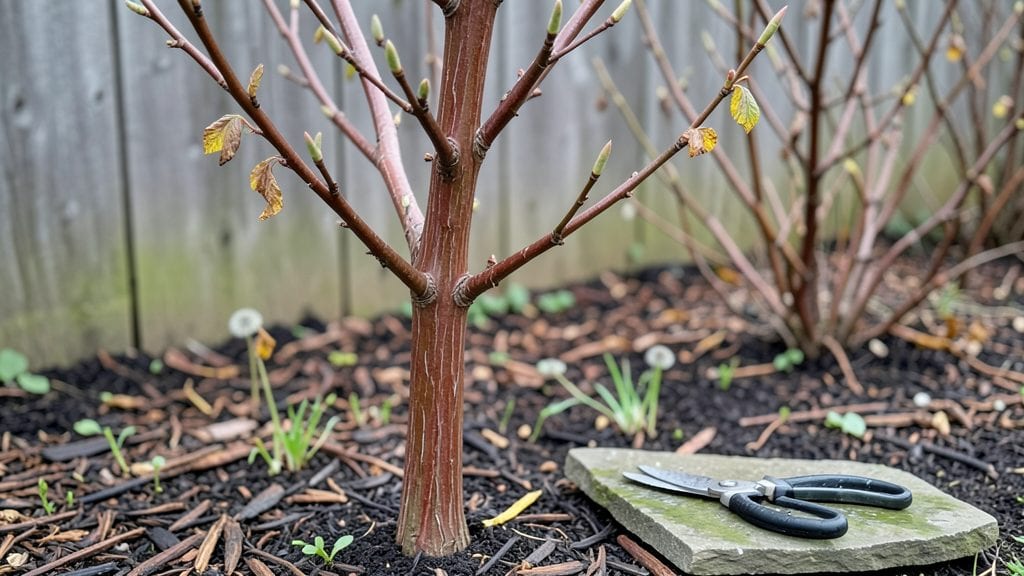
Learn how to prune crepe myrtle trees—not just to shape them, but to unleash their full potential for bold summer blooms and sturdy growth. I’ve learned the hard way that timing and technique make all the difference between a lush, flowering tree and one that looks sad and overgrown.
The right cuts transform these trees from ordinary to showstopping, with flowers that last from late summer well into fall.
Start in late winter or early spring before new growth begins, using sharp pruners and loppers to make clean cuts just above leaf nodes. Avoid pruning in summer—it stresses the tree and reduces flowering. Focus on removing dead wood first, then thinning out crowded branches to improve airflow.
My trees now burst with blooms every year, and the process only takes about 30 minutes once you get the hang of it.
📚 In This Guide
- What you need
- Instructions
- Tips and common mistakes
- Wrapping up and next steps
What you need
- ● Pruning shears or hand pruners: Sharp, bypass-style shears (4-6 inch blades) for small branches.
- ● Loppers: Long-handled (24-30 inch) for medium branches (½ to 1½ inches thick).
- ● Pruning saw: Curved-tooth saw for thick branches (1½+ inches).
- ● Ladder or step stool: Sturdy, extendable ladder (12+ feet) or a tall stool for taller trees.
- ● Gloves: Heavy-duty, cut-resistant gloves (gardening or leather) to protect hands.
- ○ Disinfectant (optional but recommended): 70% isopropyl alcohol or a 10% bleach solution to clean tools between cuts and prevent disease spread.
- ● Heavy-duty trash bags or bucket: For collecting pruned branches (5+ gallon capacity).
- ● Safety glasses: To shield eyes from debris.
- ● Workwear: Long sleeves, pants, and closed-toe shoes to protect from scratches and thorns.
- ● Pole saw: For high branches without climbing.
- ● Rubbing alcohol wipes: For quick tool disinfection on the go.
- ● Marking twine or paint: To tag branches for future reference.
- ● Tree wound dressing: Pruning paste (controversial but some swear by it for large cuts).
- ● Extension cord + electric hedge trimmer: For shaping larger, dense foliage (use cautiously!).
Step-by-step instructions for pruning crepe myrtle trees
Here's how to revive your crepe myrtle's blooms while keeping it healthy—no guesswork involved.
✂️ Step 1: Identify the Right Time to Prune
Crepe myrtles bloom on new wood, so the best time to prune is late winter or early spring, just before new growth begins. Look for swollen buds along the branches—that's your signal to start. Avoid pruning in fall or winter, as this removes next year's flower buds.
If you missed the ideal window, you can do light pruning in summer after flowering, but avoid heavy cuts then. Never prune in late summer or fall, as this can stimulate tender new growth that won't survive winter. I always mark my calendar for late February to early March in my climate zone.
✂️ Step 2: Remove Dead, Diseased, or Weak Wood
Start by inspecting the tree for any branches that are dead, diseased, or crossing others. Dead wood is brittle and snaps easily when bent, while diseased branches may have discolored bark or oozing sap. Use clean, sharp pruning shears to make cuts just outside the branch collar—the swollen area where the branch meets the trunk.
If a branch is too large to cut with shears, use a pruning saw. Make the cut on the underside of the branch at a slight angle to prevent water from pooling on the wound. Remove any suckers at the base of the tree—these sap-sucking growths drain energy from your prized blooms.
✂️ Step 3: Thin Out the Canopy for Better Airflow
Crepe myrtles naturally grow with a vase-like shape, but over time, they can become dense and crowded. Selectively remove branches from the center to open up the canopy. Aim to reduce the density by about 20-30%—this improves airflow and sunlight penetration, which reduces disease risk and encourages stronger blooms.
Focus on branches that are growing inward or rubbing against others. Cut these back to their point of origin. Avoid "heading back" or cutting back to a lateral branch unless you're shaping the tree—this can lead to a bushy, unnatural look. Step back frequently to visualize the tree's new shape.
✂️ Step 4: Shape the Tree for Balance and Bloom Health
Crepe myrtles respond well to light shaping, but avoid heavy pruning that removes more than one-third of the tree's foliage at once. If the tree has become too tall or leggy, you can make limited cuts to reduce height by about one-third. Always cut just above a lateral branch or bud to encourage new growth in the right direction.
Pay attention to the tree's natural growth habit—crepe myrtles typically have a vase-like form, so avoid pruning into a rounded or conical shape. If you're unsure, take a photo before pruning to compare your progress. The goal is to maintain the tree's structural integrity while promoting abundant blooms.
✂️ Step 5: Clean Up and Monitor for Recovery
After pruning, remove all debris from the ground and disinfect your tools with rubbing alcohol to prevent the spread of disease. Water the tree deeply to help it recover from the stress of pruning. You'll notice new growth emerging within 2-3 weeks—this is a good sign that the tree is responding well.
Keep an eye on the tree over the next few weeks for any signs of stress, such as yellowing leaves or wilting. If you see excessive dieback, you may have pruned too aggressively. In that case, the tree will recover slowly, but it's still worth monitoring for pests or disease. A lightly pruned crepe myrtle will reward you with vibrant blooms all summer long.
Tips & tricks for pruning crepe myrtle trees
Here's what nobody tells you about pruning crepe myrtles—these tricks will keep your tree thriving for years.
Timing is Everything: That late February to early March window is critical because crepe myrtles bloom on new wood. If you prune too early, you risk removing flower buds before they've formed. I've seen people prune in January and end up with almost no blooms that summer. Mark your calendar and watch for those swollen buds—they're nature's signal it's time.
Tool Prep Prevents Problems: Before you make a single cut, disinfect your pruning shears and saw with rubbing alcohol. I learned this the hard way after transferring a fungal disease from one tree to another. Also, keep your tools sharp—dull blades crush wood fibers, making wounds larger and increasing disease risk. A quick test: if your shears don't cut cleanly through a pencil with one smooth motion, they need sharpening.
Shape with Purpose: When you're shaping in Step 4, resist the urge to create a perfectly symmetrical tree. Crepe myrtles naturally grow in a vase-like shape, and that's what you should preserve. If you prune into a rounded or conical shape, you'll end up with a tree that looks unnatural and may struggle to support its own weight. Step back every few cuts to visualize the tree's natural form.
Recovery Watch: After pruning, monitor your tree closely for the first 2-3 weeks. That's when you'll see if your cuts were too aggressive. Look for signs like yellowing leaves, wilting, or excessive dieback. If you notice these, your tree might be struggling to recover. In that case, cut back on watering slightly and give it time—crepe myrtles are resilient, but they need patience to bounce back from heavy pruning.
Pro Tips for Prune Crepe Myrtle Trees
- Here's what nobody tells you about pruning crepe myrtles—these tricks will keep your tree thriving for years.
- Timing is Everything: That late February to early March window is critical because crepe myrtles bloom on new wood.
- Tool Prep Prevents Problems: Before you make a single cut, disinfect your pruning shears and saw with rubbing alcohol.
Frequently asked questions
Got questions about pruning crepe myrtles? You’re not alone! Here are answers to the most common concerns—from timing to troubleshooting—to keep your trees thriving and blooming beautifully.
When is the best time to prune crepe myrtles?
The ideal window is late winter or early spring (before new growth starts) or right after they finish blooming in summer. Avoid pruning in fall or winter in cold climates—it can stress the tree. Pro tip: If you must prune in summer, do it after blooms fade to avoid cutting off next year’s flowers.
Can I prune crepe myrtles in fall?
Generally, no. Fall pruning can stimulate tender new growth that won’t survive winter frost, leaving your tree vulnerable to damage. If you have overgrown branches, lightly shape them in late winter instead. Exception: If you live in a mild climate (Zone 8+), minimal cleanup pruning is safe—but avoid heavy cuts.
How do I fix "crepe murder" (over-pruning)?
"Crepe murder" (topping or aggressive pruning) can harm your tree by removing too many branches and encouraging weak regrowth. To recover: Stop pruning for a year, water deeply, and fertilize lightly. Focus on selective pruning to restore shape—remove only dead or crossing branches. Patience is key!
Will pruning crepe myrtles encourage more flowers?
Yes! Pruning correctly removes old wood, allowing energy to focus on new growth and blooms. Avoid cutting back into older wood (the thick, woody stems)—this is where next year’s flower buds form. Thin out crowded branches instead to improve airflow and light penetration.
What if my crepe myrtle isn’t blooming after pruning?
Check these common culprits:
- Pruned too late: Buds form on old wood in late summer/fall—cutting back then removes next year’s blooms.
- Over-fertilizing with nitrogen: Too much N promotes leafy growth over flowers. Use a balanced fertilizer (e.g., 10-10-10).
- Improper sunlight: Crepe myrtles need 6+ hours of sun daily to bloom well.
Can I prune crepe myrtles into a specific shape (e.g., tree vs. shrub)?
Crepe myrtles are highly adaptable. To shape as a tree, prune to a single trunk and remove lower branches. For a shrub, prune multiple stems and keep it bushy. Key rule: Never remove more than 25% of the canopy in one season. Use hand pruners for small branches and loppers for thicker stems.
Wrapping up and next steps
Pruning your crepe myrtle doesn’t have to be intimidating—just follow these simple steps to unlock year-round blooms and a healthier tree! 🌿 By timing your cuts right, using the right tools, and focusing on open-center shaping, you’ll transform your yard into a vibrant, low-maintenance oasis. Now’s the perfect time to grab those shears and get pruning!
Ready to see the results? Plan your next pruning session—whether it’s a light trim in late winter or a full cleanup after summer blooms. Your crepe myrtle will thank you with bold, beautiful flowers and a sturdy structure for years to come!