
Planting
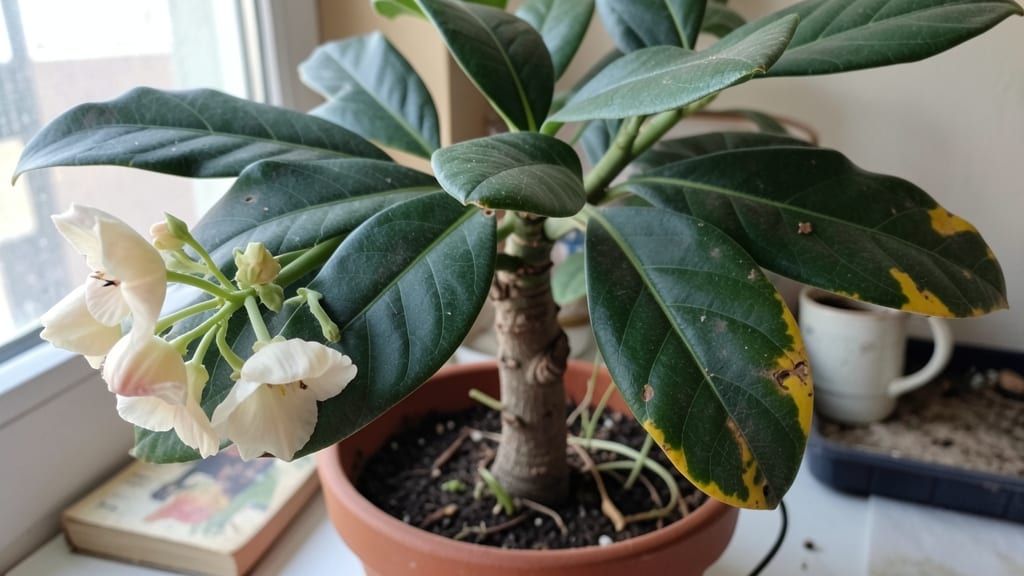
The ice cream tree plant (Muntingia calabura) brings sweet surprises to Pacific Northwest gardens with its frost-tolerant blooms and edible fruit that tastes like vanilla ice cream. 🌿 I fell for this tropical-looking tree after seeing it thrive in my neighbor’s yard—despite our chilly summers and damp winters.
Its glossy leaves and delicate pink flowers make it a standout, while the fruit rewards patience with a creamy, dessert-like treat.
This versatile tree handles our region’s mild winters better than most tropical plants, making it a foolproof choice for coastal gardens. It thrives in partial shade, tolerates a range of soil types, and grows slowly enough to fit even small yards.
The key is mimicking its natural habitat: moist but well-drained soil and protection from harsh winds. With minimal fuss, you’ll get both ornamental beauty and a harvestable bonus.
By late summer, you’ll be plucking those small, round fruits—still firm and green when picked, but bursting with flavor once ripe. The fruit’s vanilla-coconut taste makes it a hit for jams, smoothies, or fresh eating, while the tree’s year-round interest keeps gardeners coming back.
Just be patient: full fruiting takes 3-5 years, but the wait is worth every bite.
Whether you’re growing it as a specimen plant or a food source, the ice cream tree adapts to containers or in-ground planting. In our climate, a sheltered spot near a patio lets you enjoy both the blooms and the harvest without extra fuss.
Ready to add this sweet surprise to your garden?
📚 In This Guide
- What you need
- Instructions
- Tips and common mistakes
- Wrapping up and next steps
What you need
- ● Ice Cream Tree Plant: A healthy 1–3 gallon potted specimen (ensure it’s labeled Polyscias guilfoylei or "Ice Cream Bean").
- ● Well-draining potting mix: 1 bag (1–2 cubic feet) of a blend designed for tropical or houseplants (e.g., 60% peat moss, 30% perlite, 10% compost).
- ● Container: A pot 1–2 sizes larger than the current root ball (12–16 inches in diameter) with drainage holes. Terracotta or fabric pots work best.
- ● Watering can or spray bottle: For gentle hydration (avoid soggy soil!).
- ● Fertilizer: A balanced, water-soluble fertilizer (10-10-10 or 20-20-20) or slow-release granules.
- ● Pruning shears: Sharp, clean pair for trimming leggy growth.
- ○ Gloves: Protect your hands from sap (optional but helpful!).
- ● Mulch: 1–2 inches of bark chips or pine straw to retain moisture (great for outdoor plantings).
- ● Humidity tray: A pebble tray with water to boost humidity in dry indoor spaces.
- ● Grow lights: LED or fluorescent lights (12–14 hours/day) if placing in low-light areas.
- ● Soil moisture meter: To check root zone hydration without overwatering.
Step-by-step guide to planting and caring for ice cream trees
Here's how to grow these frost-hardy beauties with minimal fuss.
🌱 Step 1: Choose the Perfect Planting Location
Ice cream trees (Thespesia populnea) thrive in full sun to partial shade, making them ideal for Pacific Northwest gardens where summers are mild and winters can be damp. Pick a spot with at least 6 hours of direct sunlight daily—morning sun combined with afternoon shade works best in hotter microclimates.
They tolerate a range of soil types but prefer well-draining soil to prevent root rot. If your garden soil is heavy clay, mix in 2-3 inches of compost before planting to improve drainage. The tree’s natural resilience means it can handle coastal winds and occasional frost down to 20°F, but young plants benefit from winter mulch.
🪴 Step 2: Plant at the Right Time and Depth
Plant your ice cream tree in early spring after the last frost date in your area. Dig a hole twice as wide as the root ball but only as deep—this prevents burying the trunk too deeply, which can cause rot. Gently remove the plant from its container and loosen any circling roots with your fingers.
Place the tree in the hole so the top of the root ball sits level with the surrounding soil. Backfill with native soil, pressing lightly to eliminate air pockets. Water deeply to settle the soil and encourage root contact. Avoid overwatering immediately after planting—let the soil dry slightly between waterings to prevent shock.
☀️ Step 3: Water and Fertilize for Strong Growth
Water your ice cream tree once a week during the first growing season, providing 1-2 gallons per watering depending on pot size. After establishment, reduce to every 2-3 weeks unless your region experiences prolonged dry spells. The tree’s deep roots make it drought-tolerant once mature, but consistent moisture during its first year ensures robust growth.
Apply a balanced, slow-release fertilizer (10-10-10 ratio) in early spring and again in mid-summer. Follow package instructions for dosage—over-fertilizing can harm young plants. Ice cream trees respond well to organic matter, so top-dress with 1-2 inches of compost annually in spring to boost soil health.
✂️ Step 4: Prune for Shape and Encourage Blooms
Prune your ice cream tree in late winter or early spring before new growth begins. Remove any dead, damaged, or crossing branches first—this improves airflow and reduces disease risk. Thin out crowded branches to open the canopy, allowing sunlight to reach the center where blooms form.
Shape the tree by cutting back overgrown branches to just above a leaf bud. Avoid heavy pruning in fall, as new growth won’t harden off before winter. The tree’s natural form is broad and rounded, but you can guide it into a more formal shape if desired. Regular pruning also encourages the production of those iconic yellow-orange flowers that attract pollinators.
⏰ Step 5: Protect Young Trees in Winter
While mature ice cream trees handle frost down to 20°F, young plants benefit from extra protection during their first few winters. Apply a 3-inch layer of mulch around the base in late fall, keeping it 6 inches away from the trunk to prevent rot. Use shredded bark or straw, which insulates roots while allowing moisture to penetrate.
In areas with harsh winters or late frosts, wrap the trunk with burlap or tree guard to shield it from cold winds. Remove the wrap in early spring once new growth appears. Ice cream trees are remarkably resilient, but this small effort ensures they establish strong root systems for years of low-maintenance beauty.
Tips & tricks for perfect ice cream tree planting
Here's what nobody tells you about growing these resilient beauties—tricks that'll set your ice cream tree up for decades of trouble-free blooms.
Sunlight Strategy: While the instructions mention 6 hours of daily sun, I've found that morning sun paired with afternoon shade works best in hotter microclimates—especially in inland PNW areas where summer afternoons can get intense. If you're planting near the coast, you can push it to full sun all day since coastal breezes moderate temperatures.
Soil Prep Secret: The 2-3 inches of compost recommendation is perfect, but I add a handful of perlite to the mix when planting in heavy clay soils. This extra drainage boost helps prevent root rot, which is the #1 killer of young ice cream trees. Just mix it right into the backfill soil before planting.
Watering Wisdom: That first-year weekly watering schedule is spot-on, but I've learned to check soil moisture with my finger before watering. Stick your finger 2-3 inches into the soil—if it feels dry at that depth, water. If it's still moist, wait another day. Overwatering is just as damaging as underwatering for these trees.
Winter Protection Hack: For those first few winters, I've had great success using thick cardboard wrapped around the base of young trees instead of burlap. It's cheaper, more insulating, and breaks down naturally in the soil. Just make sure to remove it in early spring before new growth appears.
Pro Tips for Ice Cream Tree Plant
- Here's what nobody tells you about growing these resilient beauties—tricks that'll set your ice cream tree up for decades of trouble-free blooms.
- If you're planting near the coast, you can push it to full sun all day since coastal breezes moderate temperatures.
- Soil Prep Secret: The 2-3 inches of compost recommendation is perfect, but I add a handful of perlite to the mix when planting in heavy clay soils.
Frequently asked questions
Got questions about growing your own ice cream tree plant (Polyscias guilfoylei)? Here are some of the most common ones—plus straightforward answers to help you succeed!
How cold can an ice cream tree tolerate?
The ice cream tree is frost-resistant but prefers mild winters. It can handle brief dips to 20–25°F (-6 to -4°C), but prolonged cold (<15°F/-9°C) may damage leaves. In the Pacific Northwest, it thrives outdoors year-round in Zones 9–11. For colder areas, grow it in containers and bring it indoors during winter.
How long does it take for an ice cream tree to bloom?
Patience is key! With proper care, your ice cream tree may produce its signature creamy-white flowers in 3–5 years. Young plants focus on leaf growth first. Boost blooming by ensuring bright, indirect light and fertilizing with a balanced plant food (like 10-10-10) in spring and summer.
Can I grow an ice cream tree from seed?
Yes, but it’s a slow process! Seeds germinate in 4–8 weeks with warmth (70–75°F/21–24°C) and moisture. For faster results, propagate from cuttings—snip a 4–6 inch stem, dip in rooting hormone, and plant in moist potting mix. Keep humidity high until roots form (about 2–3 months).
Why are my ice cream tree’s leaves turning yellow?
Yellow leaves often signal overwatering or nutrient deficiencies. Check the soil—it should be lightly moist but not soggy. If roots are mushy, repot in well-draining mix. Yellowing can also mean low light or fluoride buildup (common in tap water). Try distilled or rainwater and move to brighter (but indirect) light.
Is the ice cream tree safe for pets?
Good news for pet owners! The ice cream tree is non-toxic to cats and dogs, according to the ASPCA. However, always monitor your pets—some animals may nibble leaves out of curiosity. If ingested in large amounts, mild stomach upset could occur, but it’s rare. Keep your tree out of reach as a precaution!
Wrapping up and next steps
Growing an ice cream tree plant in the Pacific Northwest isn’t just rewarding—it’s a delicious way to transform your garden into a sweet, frost-resistant paradise! 🌿 With the right location, soil prep, and care, you’ll soon enjoy vibrant blooms and edible treats that even the chilliest winters can’t stop.
Whether you’re a seasoned gardener or a beginner, this resilient plant is your ticket to year-round enjoyment.
Ready to take the next step? Start by selecting your perfect spot—then grab those seeds or saplings and get planting! Your future ice cream tree (and your taste buds) will thank you. 🍦✨