
Pruning
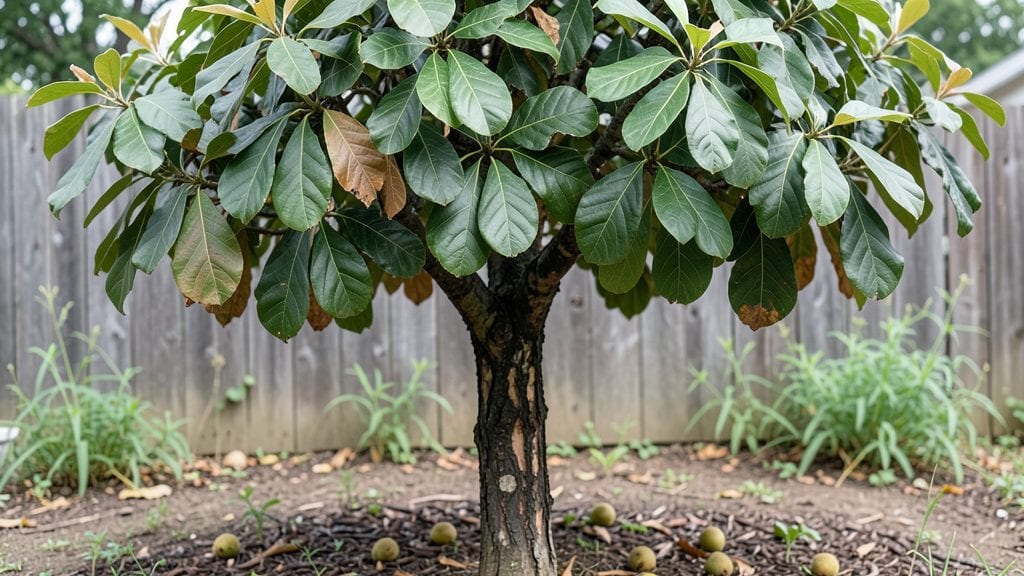
Pruning an Indian almond tree (Terminalia catappa) transforms it from a wild, leggy mess into a stately, cold-hardy centerpiece—especially in Pacific Northwest gardens where winter winds test its limits. 🌿 I’ve pruned mine every late winter for five years, and the difference in structure, bloom, and even fruit production is dramatic.
The key isn’t just cutting branches—it’s shaping the tree to handle our damp, chilly winters while keeping that tropical flair.
You’ll need sharp bypass pruners, a sturdy ladder (for taller trees), and a clear day to assess the canopy. The goal is to remove dead, crossing, or weak branches first, then thin out the interior to let light and air circulate.
Indian almonds hate crowded spaces—this prevents disease and encourages those signature leathery leaves to grow thick and glossy. Think of it like giving your tree a spa day: less stress, more strength.
By late spring, you’ll see the payoff: denser foliage, brighter new growth, and even more of those fragrant white flowers that attract pollinators. The tree’s natural resistance to pests kicks in stronger when it’s well-pruned, too.
Plus, in PNW winters, a properly shaped canopy sheds snow and wind better—no more broken branches or soggy limbs. It’s the difference between a tree that survives and one that thrives.
Works for both in-ground and container-grown trees, though container pruning requires more frequent trimming to control size. Whether you’re shaping a young sapling or rehabilitating an older tree, the same principles apply. Let’s get those branches in line—your tree’s future self will thank you.
📚 In This Guide
- What you need
- Instructions
- Tips and common mistakes
- Wrapping up and next steps
What you need
- ● Pruning shears: Bypass pruners (sharp, 7–9" blades) for small branches (1 pair)
- ● Loppers: Heavy-duty (16–24" cutting capacity) for thicker branches (1 pair)
- ● Pruning saw: Curved-tooth saw for branches over 2" in diameter (1)
- ● Disinfectant: 70% isopropyl alcohol or diluted bleach (1:9 ratio) for tool sterilization
- ○ Pruning sealant: Optional but helpful for large cuts (e.g., Tanglefoot Tree Wound Pruning Sealer)
- ● Work gloves: Heavy-duty, cut-resistant (e.g., Wells Lamont or Fiskars) (1 pair)
- ● Ladder or step stool: Sturdy, extendable (10–14 ft reach for mature trees)
- ● Heavy-duty trash bags: 30–50 gallon for debris disposal (2–3 bags)
- ● Extension pole pruners: For high branches without a ladder (1)
- ● Safety glasses: Protects eyes from debris
- ● Hand saw: Backup for stubborn branches
- ● Marking spray: Fluorescent paint to mark cuts before pruning
- ● Compost bin: For chipping and reusing larger branches
- ● Check the weather: Prune on a dry, overcast day (avoid frost or rain within 24 hours).
- ● Know your tree’s growth habit: Indian almond trees thrive in USDA Zones 10–12, but PNW growers should prune lightly to avoid stress.
- ● Gather a buddy: Two people make heavy branches easier to handle!
Step-by-step guide to pruning Indian almond trees
Here's how I shape these cold-hardy trees for Pacific Northwest resilience.
✂️ Step 1: Assess the Canopy Structure
Start in late winter or early spring before new growth begins. Look for dead, crossing, or diseased branches—these are your first targets. I always scan from the ground up, using a 10-foot pole pruner to reach higher branches safely. The Indian almond's natural vase shape should guide your cuts; remove anything growing inward or rubbing against other branches.
Check for water sprouts (fast-growing vertical shoots) and weak crotches where branches meet the trunk. These weak points often fail in winter storms. Mark branches to remove with colored tape—this helps visualize the final shape before making cuts. Remember, you're sculpting for airflow and sunlight penetration, not just thinning.
✂️ Step 2: Make Strategic Cuts for Structure
Begin with thinning cuts—remove entire branches back to their origin point. For Indian almonds, I aim to maintain 6-8 main scaffold branches spaced evenly around the trunk. Cut just outside the branch collar (the swollen area where the branch meets the trunk) at a 45-degree angle to prevent water pooling.
For large branches over 2 inches in diameter, use the three-cut method to avoid bark tearing. First make an undercut, then a top cut slightly outside, and finally remove the branch stub. Never leave stubs—this invites disease. The tree's natural healing response will seal the wound within 2-3 weeks if cuts are clean.
✂️ Step 3: Refine for Airflow and Light
Focus on the inner canopy next—this is where most pruning mistakes happen. Remove 25-30% of the total foliage to improve light penetration. Look for branches growing toward the center; these create dense shade that encourages fungal issues. I target branches that are less than 1/3 the diameter of the trunk—these won't compromise the tree's stability.
Step back frequently to visualize the tree's silhouette. The Indian almond's glossy leaves will help you spot uneven light distribution. Aim for a modified open-center shape—this allows sunlight to reach all branches while maintaining the tree's natural form. Never remove more than 1/4 of the canopy in a single season, even for neglected trees.
⏰ Step 4: Clean Up and Protect the Tree
After pruning, rake up all debris and dispose of it in sealed bags—never compost pruned material from diseased branches. I always sterilize my pruners with 70% isopropyl alcohol between cuts on infected branches to prevent spreading. The Indian almond's bark is sensitive to wound infections, so clean cuts are non-negotiable.
Apply wound dressing only to cuts larger than 2 inches—smaller wounds seal naturally. For larger cuts, use a tree sealant to prevent moisture loss. Water deeply after pruning to help the tree recover, but avoid heavy watering for 7-10 days to let wounds dry and callus properly. This final step ensures your tree enters the growing season strong.
Tips & tricks for perfect Indian almond tree pruning
These cold-hardy trees thrive with the right care—here's how to avoid common pruning pitfalls and ensure your Pacific Northwest Indian almond stays healthy for years.
Timing is Everything: Late winter or early spring is the only time to prune Indian almond trees. This timing prevents stressing the tree during active growth periods. I've learned the hard way—pruning in summer can expose the tree to heat stress and fungal infections. The dormant season also makes it easier to spot dead branches against bare limbs.
Visualize Before You Cut: Step back frequently during Step 3 and visualize the tree's silhouette. The Indian almond's natural vase shape should guide your cuts, but don't be afraid to create a modified open-center shape for better airflow. I use colored tape to mark branches before making cuts—this helps me see the final shape before committing. Remember, you're sculpting for both form and function, not just removing branches.
Cutting Technique Matters: The three-cut method for branches over 2 inches in diameter is non-negotiable. I've seen too many pruning wounds fail because of improper cuts. Make your undercut slightly upward, then your top cut slightly outward—this prevents bark tearing and ensures clean wounds that heal properly. The 45-degree angle on all cuts prevents water pooling, which is crucial for preventing fungal infections in our damp Pacific Northwest climate.
Cleanup is Critical: Never compost pruned material from diseased branches—this spreads pathogens. I always sterilize my pruners with 70% isopropyl alcohol between cuts on infected branches. The Indian almond's sensitive bark makes proper cleanup essential for preventing wound infections. After pruning, water deeply but avoid heavy watering for 7-10 days to let wounds dry and callus properly—this final step makes all the difference in tree recovery.
Pro Tips for Indian Almond Tree
- These cold-hardy trees thrive with the right care—here's how to avoid common pruning pitfalls and ensure your Pacific Northwest Indian almond stays healthy for years.
- Timing is Everything: Late winter or early spring is the only time to prune Indian almond trees.
- Visualize Before You Cut: Step back frequently during Step 3 and visualize the tree's silhouette.
Frequently asked questions
When is the best time to prune my Indian almond tree?
Prune your Indian almond tree in late winter or early spring (February–March in the PNW), just before new growth begins. This timing minimizes stress and prevents disease. Avoid heavy pruning in fall—cool, damp weather can slow healing. Pro tip: Lightly shape branches in summer to control size, but avoid major cuts.
Can I prune my Indian almond tree in cold winters like the PNW?
Yes! Indian almond trees are cold-hardy (USDA Zones 10–12), but pruning in freezing temps stresses the tree. Wait until temperatures stabilize above 32°F (0°C). If you must prune in winter, do so on mild, dry days to reduce sap loss. Pro tip: Use sterilized tools to prevent fungal infections in damp PNW air.
How much can I prune without harming the tree?
Remove no more than 25% of the canopy in a single session. Indian almond trees are resilient but benefit from gradual shaping. Focus on:
- Dead/diseased branches (cut to the collar)
- Crossing or rubbing branches (thin out to improve airflow)
- Suckers or water sprouts (prune to the main trunk)
What if my Indian almond tree isn’t leafing out after pruning?
If your tree loses all leaves post-pruning, it’s likely due to:
- Over-pruning (too many cuts at once)
- Late-season pruning (after buds swell)
- Cold damage (common in PNW winters)
Are there alternatives to pruning for smaller trees?
If your Indian almond tree is young or small (<10 feet), focus on training instead of heavy pruning:
- Use stakes or a trellis to guide growth upward
- Pinch back tips in spring to encourage bushier growth
- Remove only competing branches (those growing inward or downward)
Wrapping up and next steps
The Indian almond tree thrives with the right pruning care—especially in the Pacific Northwest’s chilly climate! By following proper techniques, you’ll ensure a healthier, more productive tree with stunning blooms and cold-hardy resilience. 🌿✨
Ready to give your tree the TLC it deserves? Grab your tools, mark your calendar, and start pruning this season—your tree (and future harvest!) will thank you. Happy pruning!