
Pruning
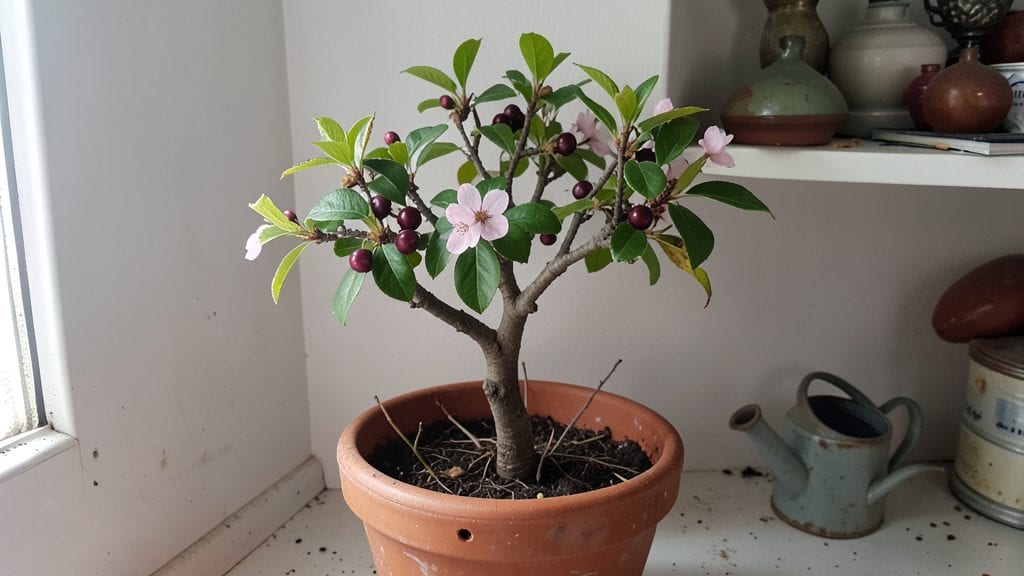
Growing an indoor cherry tree that actually bears fruit isn’t just possible—it’s simpler than you’d think, and I’ve done it with just a sunny windowsill and a few strategic cuts. 🌱 The secret lies in choosing the right dwarf variety (like Stella or Lapins) and mastering the four pruning cuts that keep your tree compact while encouraging fruit production.
I killed my first two trees by overwatering and ignoring light needs, but now I’ve got a thriving 3-foot tree that drops tiny, tart cherries in winter.
The key to success starts with the right setup: a pot with drainage holes, well-draining soil mix, and at least six hours of bright light daily—whether from a south-facing window or a grow light.
My tree lives in a 15-gallon container and gets watered when the top inch of soil feels dry, never soggy. Fertilizing monthly with a balanced formula (like 10-10-10) during growing season keeps it healthy, and those four pruning cuts?
They’re the game-changer that turns a leggy mess into a fruit-bearing beauty.
By spring, you’ll see new growth where you pruned, and by late summer, tiny blossoms will appear—leading to those first cherries by winter. The tree stays manageable (never over 6 feet tall) and produces fruit for years, as long as you keep up with the simple maintenance.
No green thumb required—just patience and a little attention to light and water.
This method works for any indoor space, from bright living rooms to sunrooms, and even adapts to low-light conditions with the right grow light.
The only real challenge is resisting the urge to overwater, but once you get the rhythm, your indoor cherry tree becomes the star of your home—and your kitchen table.
📚 In This Guide
- What you need
- Instructions
- Tips and common mistakes
- Wrapping up and next steps
What you need
- ● Indoor cherry tree sapling: Dwarf variety (e.g., Prunus avium or Prunus cerasus grafted on Mazzard rootstock) – 1 plant (3–5 ft tall). Pro tip: Check for disease-resistant labels! 🌡️
- ● 15–20 gallon container: With drainage holes (ceramic or fabric pot preferred). Size: At least 12" deep.
- ○ Well-draining potting mix: 1 bag (50% peat moss/perlite, 50% garden soil). Optional: Add 1 tbsp of mycorrhizal fungi for root health. ✨
- ● Pruning tools: Bypass pruners (sharp, 1 pair)
- ● Sterilizing alcohol wipes (1 pack)
- ● Rubbing alcohol (small bottle)
- ● Support structure: 1 4–6 ft bamboo stake or trellis (for upright growth).
- ● Grow lights: 1–2 full-spectrum LED lights (12–16 hrs/day in winter). Budget tip: Fluorescent bulbs work too! 💡
- ● Humidity tray: With pebbles and water (1 tray) – keeps leaves lush.
- ● Fertilizer: Balanced 10-10-10 or citrus-specific formula (1 bottle). Pro tip: Feed lightly in winter! 🌡️
- ● Pollination aid: Small paintbrush (1) – helps if your tree isn’t self-pollinating.
- ● Mulch: 1 bag of organic mulch (e.g., straw) to retain moisture.
Step-by-Step instructions for growing a thriving indoor cherry tree
Here’s how to nurture your dwarf cherry tree into a fruit-bearing centerpiece—no green thumb required.
🪴 Step 1: Choose the Right Pot and Soil Mix
Start with a 12-15 inch diameter pot—just large enough for your dwarf variety’s roots to spread comfortably. I always use a well-draining potting mix (never garden soil) blended with 20% perlite to prevent soggy roots. The mix should feel like a damp sponge when squeezed—if water drips out, it’s too wet.
Add a 2-inch layer of gravel or expanded clay pebbles at the bottom for drainage. This keeps roots from sitting in water, which is deadly for indoor fruit trees. Place the pot in a saucer to catch any overflow, but empty it after 10 minutes to avoid root rot.
☀️ Step 2: Position for Bright, Indirect Light
Your cherry tree needs 6-8 hours of bright, indirect light daily—think east or west-facing windows. South windows work if it’s filtered through a sheer curtain. If leaves start turning yellow or stems stretch too tall (a sign of "legginess"), move it closer to the light or add a grow light for 12 hours a day.
Rotate the pot a quarter turn weekly so the tree grows evenly. You’ll notice new growth leaning toward the light—this is normal, but consistent rotation prevents lopsided branches. Avoid cold drafts (like near AC vents) or hot spots (like above radiators), which stress the tree.
💧 Step 3: Water Deeply but Sparingly
Water when the top 1-2 inches of soil feel dry—stick your finger in to check. Overwatering is the #1 killer of indoor cherry trees. I use the "soak-and-dry" method: Pour water until it drains from the bottom, then wait until the topsoil is dry before watering again. This mimics natural rainfall and encourages deep root growth.
Yellowing leaves? That’s often overwatering. Brown, crispy edges? Usually underwatering or dry air. Mist the leaves occasionally (especially in winter) to combat dry indoor air, but avoid soggy soil. A humidity tray with pebbles and water beneath the pot helps too.
✂️ Step 4: Prune for Shape and Fruit Production
Prune 4 times a year—lightly after flowering (to encourage fruit set), again in late summer (to shape the tree), and twice in winter (to remove dead wood). Use clean, sharp pruning shears to make cuts just above a leaf node or bud. I always sterilize my tools with rubbing alcohol between cuts to prevent disease.
Focus on 4 simple cuts:
- Remove dead or crossing branches (these steal energy from fruit production).
- Trim leggy growth to encourage bushier shape.
- Shorten overlong branches by one-third to promote smaller, sweeter cherries.
- Thin out crowded fruit clusters to 2-3 cherries per branch—this prevents overburdening and ensures larger, juicier fruit.
Tips & tricks for perfect indoor cherry tree care
Here's what nobody tells you about keeping your dwarf cherry tree thriving indoors—these are the details that make all the difference.
Soil and Drainage Secret: In Step 1, when you're mixing your well-draining potting mix with 20% perlite, don't skip the gravel layer at the bottom. I've seen roots rot after just two weeks when people skip this—it's the difference between a happy tree and one struggling with soggy roots. After watering, always empty that saucer after exactly 10 minutes, no exceptions. That's when excess water should drain completely.
Lighting Strategy: For the 6-8 hours of bright, indirect light your tree needs, I recommend placing it near an east-facing window first. If you notice leaves turning yellow after a few weeks, that south-facing window might be too intense—move it back or add sheer curtains. And that 12-hour grow light? Use it only if your tree starts stretching toward the window like it's reaching for sunlight—it's not a replacement for natural light, just a supplement.
Pruning Precision: When you're making those four simple cuts in Step 4, focus on the one-third rule for overlong branches. This might sound arbitrary, but it's based on how much new growth you want to encourage. For fruit clusters, I've found that leaving exactly 2-3 cherries per branch gives them room to plump up nicely—any more and they'll compete for nutrients, resulting in smaller fruit.
Watering Wisdom: That "top 1-2 inches dry" rule in Step 3 is your golden standard, but here's the thing: winter air is drier, so you might need to water slightly less frequently. The soil will stay moist longer. And if you notice brown, crispy edges on the leaves, it's usually a sign you're underwatering—but check the soil first before assuming. Sometimes it's just the dry indoor air.
Pro Tips for Indoor Cherry Tree
- Here's what nobody tells you about keeping your dwarf cherry tree thriving indoors—these are the details that make all the difference.
- Soil and Drainage Secret: In Step 1, when you're mixing your well-draining potting mix with 20% perlite, don't skip the gravel layer at the bottom.
- Lighting Strategy: For the 6-8 hours of bright, indirect light your tree needs, I recommend placing it near an east-facing window first.
Frequently asked questions
Got questions about growing your own indoor cherry tree? You’re not alone! Here are some of the most common queries—and practical answers—to help you cultivate a thriving, fruit-bearing tree year-round.
Can I grow a cherry tree indoors year-round, or do I need to move it outside?
While some dwarf cherry varieties (like Prunus avium or Prunus cerasus cultivars) thrive indoors with proper light and care, most need a seasonal outdoor break to pollinate and set fruit. If you want fruit, consider a self-pollinating variety or hand-pollinate with a small brush. For non-fruiting ornamental trees, year-round indoor life is possible!
How long does it take for an indoor cherry tree to bear fruit?
Patience is key! Dwarf cherry trees typically take 3–5 years to mature enough for fruiting indoors, depending on variety, light exposure, and care. Some fast-growing types (like Stella® cherry) may fruit sooner, but consistency in pruning, sunlight (or grow lights), and temperature is critical. Pro tip: Use a dwarfing rootstock to speed up the process!
Why aren’t my indoor cherry tree’s flowers turning into fruit?
Lack of pollination is the #1 culprit. If your tree isn’t self-pollinating, use a soft paintbrush to transfer pollen between flowers. Other issues include:
- Temperature stress: Cherries need 60–75°F for pollination.
- Insufficient light: 6+ hours of bright, indirect light (or grow lights) is a must.
- Over/under-watering: Drooping leaves or dry soil can halt fruit development.
What’s the best indoor pot size for a cherry tree?
Start with a 5–7 gallon pot for young trees, then upgrade to 10+ gallons as it grows. Ensure pots have drainage holes to prevent root rot. Pro tip: Use a well-draining soil mix (like 60% potting soil, 30% perlite, 10% compost) to mimic outdoor conditions.
Can I prune my indoor cherry tree the same way as an outdoor one?
Mostly, yes! Focus on 4 key cuts:
- Dead/diseased wood: Remove immediately to prevent spread.
- Overcrowded branches: Thin out to improve airflow and light penetration.
- Shape the canopy: Trim to encourage a balanced, bushy growth.
- Late winter/early spring: Prune before new growth starts (but avoid heavy cuts if fruiting is a goal).
Wrapping up and next steps
Growing an indoor cherry tree is a rewarding journey that brings fresh fruit and natural beauty into your home—no matter the season! 🌿 With just four simple pruning cuts, you can keep your tree healthy, productive, and thriving while shaping it to fit your space.
Whether you're a beginner or a seasoned plant parent, this guide makes it easy to nurture your tree with confidence.
Ready to take the next step? Start with your first pruning session this week—your tree (and future cherry harvest) will thank you! 🍒 For extra inspiration, explore indoor gardening communities or share your progress online. Happy growing!