
Pruning
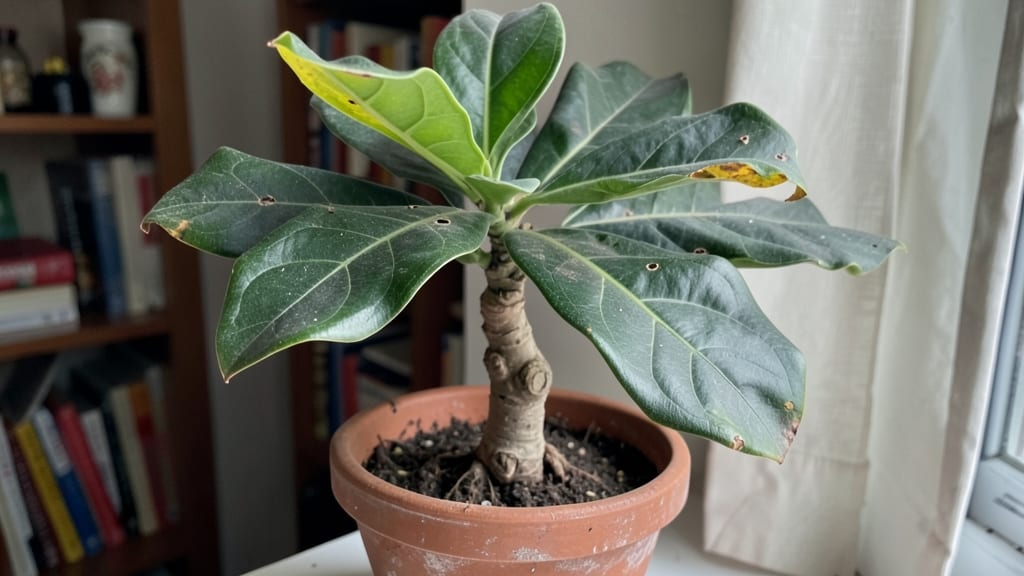
An indoor live ficus tree thrives with just the right pruning touch—no green thumb required. 🌿 I’ve kept mine lush for years by focusing on three simple rules: when to trim, where to cut, and how to encourage fuller growth.
The key isn’t overthinking it; it’s observing the plant’s natural shape and guiding it gently.
Ficus trees reward patience with glossy leaves and sturdy branches that fill any corner. You’ll need basic pruning shears, a clean workspace, and about 20 minutes every few months to shape it.
The best part? Pruning isn’t just about aesthetics—it boosts airflow, prevents disease, and keeps your tree compact enough for indoor spaces.
What you’ll end up with is a year-round statement piece that stays vibrant, even in low-light rooms. The leaves stay dark green, the branches fill out evenly, and you’ll notice new growth within weeks of proper trimming.
No more sparse, leggy trees—just a thriving centerpiece that feels like a mini jungle indoors.
Works for all ficus varieties, from the classic rubber plant to the weeping fig. Whether you’re correcting a lopsided shape or just maintaining its form, these techniques keep your tree healthy and happy. Let’s get those shears ready!
📚 In This Guide
- What you need
- Instructions
- Tips and common mistakes
- Wrapping up and next steps
What you need
- ● Live ficus tree (e.g., Ficus elastica, Ficus benjamina, or Ficus lyrata) – Choose a healthy, well-rooted specimen in a pot with drainage holes.
- ● Well-draining potting mix – 2–3 gallons (for repotting) or a high-quality indoor plant blend (e.g., 60% peat moss, 20% perlite, 20% vermiculite).
- ● Pruning shears – Bypass pruners (sharp, clean, and sterilized) for clean cuts on stems up to ½ inch thick.
- ○ Rooting hormone (optional but helpful) – A gel or powder to boost propagation success.
- ● Propagating containers – Small pots (4–6 inches wide) with drainage holes for cuttings.
- ● Watering can or spray bottle – For gentle hydration (avoid soggy soil!).
- ● Houseplant fertilizer – Balanced liquid fertilizer (10-10-10 or 20-20-20) for seasonal feeding.
- ● Gloves – Protect your hands from sap (ficus can be mildly irritating!).
- ● Alcohol wipes – To sterilize pruners between cuts and prevent disease.
- ● Plastic wrap or humidity dome – For creating a mini greenhouse during propagation.
- ○ Grow lights (optional) – LED or fluorescent lights (12–16 hours/day) if natural light is low.
- ● Misting spray – To maintain humidity (ficus loves it!).
- ○ Decorative pot (optional) – A stylish container (ensure it’s slightly larger than the current root ball).
Step-by-step guide to pruning your indoor ficus tree
Here's how to keep your ficus lush and full without overdoing it.
🌿 Step 1: Choose the Right Time to Prune
Spring is the ideal time to prune your ficus, when new growth begins. Look for fresh, light green leaves forming at the tips of branches—this signals active growth and the perfect window. Avoid pruning during winter dormancy, as the plant needs all its energy to survive. If you missed spring, you can do a light shaping in early summer, but avoid heavy cuts after mid-July.
I like to wait until I see at least three new leaves emerging before pruning. This ensures the plant has enough energy stored to recover quickly. If your ficus is struggling or looks leggy, you can prune lightly in late winter, but don’t remove more than 10% of the foliage at once. Too much cutting back stresses the plant, especially in cooler months.
✂️ Step 2: Gather Tools and Prepare for Pruning
Use sharp, clean pruning shears—sterilize them with rubbing alcohol before and after use to prevent spreading disease. I keep a small spray bottle of water nearby to mist leaves after pruning, which helps reduce stress. Wear gloves if your ficus has sap that irritates your skin (some varieties do).
Remove any dead, yellowed, or diseased leaves or branches first. These are easy to spot—they’ll be brown, crispy, or covered in spots. Cut just above a leaf node (the bump where leaves and branches grow) at a 45-degree angle. This encourages new growth to sprout from that spot. Avoid leaving stubs, as they can rot and attract pests.
🌱 Step 3: Shape and Encourage Fullness
Step back and examine your ficus from all angles. Decide where you want to encourage new growth—usually, this means cutting back leggy branches or thinning out crowded areas. Focus on branches that are growing inward or crossing others. These are the ones that create weak spots and block light from reaching inner leaves.
For a fuller look, trim back the tips of branches to just above a leaf node. This tricks the plant into sending out multiple new shoots from that point. If your ficus is top-heavy, prune the top branches slightly more than the lower ones to encourage a balanced shape. Watch for where natural light hits the tree—you’ll often see branches leaning toward the window, which is where you’ll want to do the most pruning.
💧 Step 4: Care for Your Ficus After Pruning
Water your ficus thoroughly after pruning, but don’t overdo it. The roots need time to adjust, and soggy soil can lead to root rot. Stick your finger about an inch into the soil—if it’s dry, water until it drains from the bottom of the pot. If it’s still damp, wait a day or two before watering again.
Place your ficus in a spot with bright, indirect light for the first week after pruning. Avoid cold drafts or sudden temperature changes, as these can shock the plant. Mist the leaves lightly every few days to help them recover faster. You’ll notice new growth within 4-6 weeks, depending on your ficus variety and the time of year.
Tips & tricks for perfect indoor live ficus tree pruning
Here's what nobody tells you about keeping your ficus thriving after pruning—these little details make all the difference.
Timing is Everything: The spring window isn't just about when to prune—it's about the plant's energy levels. I've seen ficus trees stressed after winter pruning because they were still conserving energy. Wait until you see those three fresh light green leaves forming at branch tips before cutting. This ensures the plant has the reserves to bounce back quickly, especially if you're doing more than just light shaping. The goal is to encourage growth, not shock the plant into dormancy again.
Tool Prep Prevents Problems: Sterilizing your pruning shears with rubbing alcohol isn't just about clean cuts—it's about preventing fungal infections that can kill your ficus. I've had to replace entire plants because I skipped this step when pruning a sickly branch. Also, that 45-degree angle cut above the leaf node isn't arbitrary: it creates a larger surface area for new growth while preventing water from pooling on the wound. Think of it like making a perfect incision for faster healing.
Light Direction Dictates Cuts: Your ficus grows toward light, which means branches leaning toward windows are naturally getting more pruning than others. Step back and look at your tree from all angles—you'll often see a pattern where one side is more developed. This is where you should focus your thinning cuts. The goal is to create a balanced shape where light can reach all leaves, not just the ones closest to the window.
Post-Pruning Recovery Matters: That first week after pruning is critical—the plant is vulnerable. I've learned the hard way that cold drafts or sudden temperature swings can set back recovery by weeks. Place your ficus in a stable environment with bright, indirect light and avoid moving it around. The 4-6 week timeline for new growth assumes optimal conditions—if you notice yellowing leaves or stunted growth, check your care routine first before assuming the pruning failed.
Pro Tips for Indoor Live Ficus Tree
- Here's what nobody tells you about keeping your ficus thriving after pruning—these little details make all the difference.
- Timing is Everything: The spring window isn't just about when to prune—it's about the plant's energy levels.
- Tool Prep Prevents Problems: Sterilizing your pruning shears with rubbing alcohol isn't just about clean cuts—it's about preventing fungal infections that can kill your ficus.
Frequently asked questions
Got questions about keeping your indoor live ficus tree thriving? You’re not alone! Here are some of the most common concerns—and their easy solutions—to help you master pruning and care like a pro.
How often should I prune my ficus tree?
Prune your ficus lightly every 4–6 weeks to encourage bushier growth and remove dead or yellowing leaves. For major shaping, do it once a year in spring—just avoid heavy cuts in winter, as the tree rests. Think of it like trimming your hair: frequent tweaks keep it looking fresh!
Can I propagate ficus cuttings from pruning?
Ficus cuttings root easily in water or soil. Just take 4–6 inch cuttings with a few leaves, dip in rooting hormone (optional), and place in water or moist potting mix. Keep them warm and humid (like a greenhouse or sealed plastic bag) for 2–4 weeks. Pro tip: Use a heat mat to speed up rooting!
Why are my ficus leaves dropping after pruning?
Don’t panic! Light leaf drop is normal as your tree adjusts. If it’s excessive (more than 10% of leaves), check for stress:
- Over-pruning (stick to ⅓ of the foliage max)
- Cold drafts or temperature swings
- Underwatering or overwatering
What’s the best spot for a ficus indoors?
Ficus trees love bright, indirect light (think east or north-facing windows). Avoid harsh sunlight, which can scorch leaves, or dim corners, which slow growth. Rotate the pot quarter-turns monthly so all sides get even light. Bonus: They tolerate low humidity but thrive with occasional misting!
Are there ficus alternatives for low-light spaces?
If your space is dim, try these low-light-friendly alternatives:
- ZZ Plant (nearly indestructible!)
- Snake Plant (thrives in neglect)
- Cast Iron Plant (shadow-tolerant)
How do I know if my ficus is overpruned?
Watch for these red flags:
- Leaves turning brown and crispy (too much sun + stress)
- Stunted growth or bare stems (lack of foliage to photosynthesize)
- Wilting despite watering (root shock)
Wrapping up and next steps
Transforming your space with an indoor live ficus tree isn’t just about aesthetics—it’s about mastering the art of care and precision pruning! 🌿 With the right tools, techniques, and timing, you’ll keep your ficus thriving year-round, turning it into a vibrant centerpiece. Whether you’re trimming for shape, health, or growth, every snip brings you closer to a lush, flourishing green companion.
Now that you’re armed with knowledge, take the next step: grab those pruners and give your ficus the love it deserves! Start small—even a single trim can make a difference—and watch your green friend reward you with new leaves and vitality. Happy pruning!