
Container Gardens
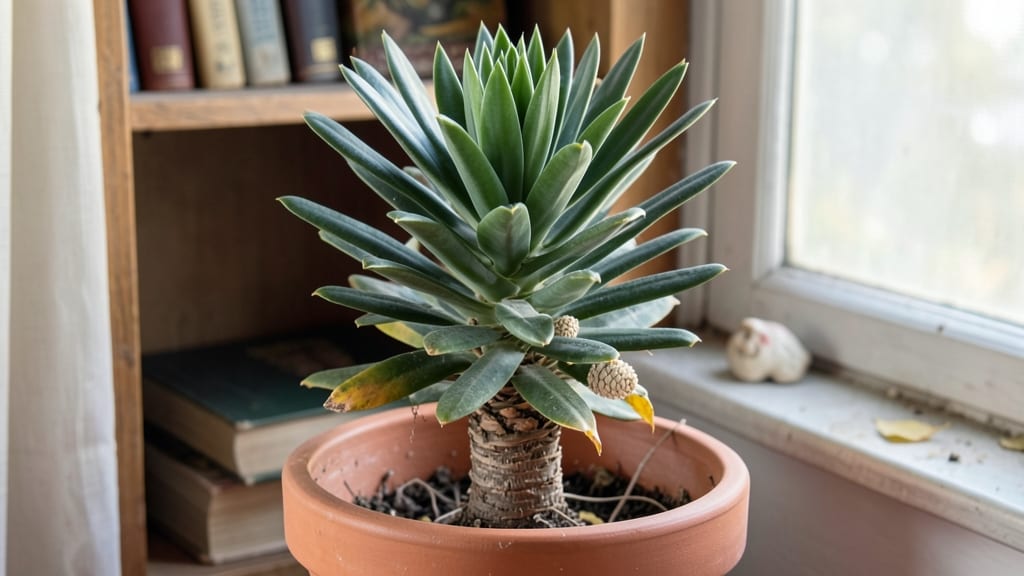
Growing a monkey puzzle tree indoors lets you bring its dramatic, spiky silhouette into your home—no frost or sprawling yard required. 🌿 This evergreen stunner thrives in urban spaces where sunlight streams through windows, its waxy needles forming a natural, architectural focal point.
The key? Mimicking its native Chilean forest conditions indoors, where it grows slowly but steadily for decades.
You’ll need a large container (at least 18 inches wide) with drainage, well-draining soil mix, and a spot near a south- or west-facing window for bright, indirect light—direct sun can scorch those glossy needles.
Water only when the top inch of soil feels dry, and keep humidity moderate (a pebble tray helps). Prune sparingly to maintain its iconic shape, and watch as it develops its signature layered canopy over time.
What you’ll end up with is a living room centerpiece that outlasts most houseplants, its needles staying vibrant year-round. Pair it with trailing pothos or a fern for contrast, or let it stand alone as a conversation starter.
The trade-off? Patience—this isn’t a fast grower, but the reward is a plant that feels like a tiny forest in your living space.
Outdoor growers can eventually transition theirs to frost-hardy zones, but indoors, this tree becomes a low-maintenance heirloom for city dwellers. Just avoid drafts, keep it dust-free, and enjoy its prehistoric charm without the upkeep of a full garden.
📚 In This Guide
- What you need
- Instructions
- Tips and common mistakes
- Wrapping up and next steps
What you need
- ● Container: A large, sturdy pot (minimum 24-inch diameter) with drainage holes. Opt for terracotta or fiberglass for durability and breathability. Pro tip: 💡 Use a cache pot (outer decorative pot with a removable inner liner) for a polished look.
- ● Well-draining soil: Mix 50% peat-free potting mix with 30% perlite and 20% coarse sand (or orchid bark for chunkier drainage). pH 5.5–7.0 is ideal.
- ● Monkey Puzzle Tree: Seedlings: Purchase a 1–3 year old sapling from a reputable nursery (ensure it’s container-grown, not bare-root).
- ● Mature trees: For larger specimens, rent a crane or forklift (if moving outdoors to indoors) and prepare a rolling dolly for transport.
- ● Drainage layer: 2–3 inches of gravel, pumice, or expanded clay at the bottom of the pot.
- ● Garden trowel (for transplanting seedlings).
- ● Pruning shears (sterilized with rubbing alcohol) for shaping.
- ● Spray bottle (for misting young leaves).
- ● pH testing kit (to monitor soil acidity).
- ○ Support stake or trellis (optional, for young trees to prevent toppling).
- ○ Humidifier or pebble tray (optional, to combat dry indoor air).
- ● Sunlight: A south-facing window or grow lights (12+ hours/day) for optimal growth.
- ● Space: Ensure the tree has 8+ feet of ceiling clearance (or plan for regular pruning).
- ● Climate control: Maintain 60–75°F (15–24°C) and 40–60% humidity.
- ● Patience: Monkey Puzzle Trees grow slowly (6–12 inches/year)—plan for long-term care!
Step-by-Step guide to cultivating an indoor monkey puzzle tree
This hardy evergreen thrives indoors with minimal fuss—just follow these key steps.
🪴 Step 1: Select and Prepare the Right Container
Choose a large, sturdy container with drainage holes—monkey puzzle trees develop deep root systems and need space to stabilize. A 12-18 inch diameter pot works well for young plants, but mature specimens may require 24+ inches. I recommend using a fiberglass or heavy ceramic pot to prevent tipping as the tree grows.
Fill the bottom 2-3 inches with cactus/succulent mix for excellent drainage. The monkey puzzle tree hates soggy roots, so this layer prevents waterlogging. Add a 1-inch layer of perlite on top to further improve aeration—this is non-negotiable for preventing root rot.
🌱 Step 2: Plant with Proper Soil and Positioning
Use a well-draining potting mix specifically formulated for arid-adapted plants. I blend equal parts cactus mix, perlite, and coarse sand to create the ideal texture. Fill the pot ¾ full before planting, leaving room for root expansion.
Gently remove the plant from its nursery container and loosen the roots if they're circling. Position it so the root flare (where roots meet the trunk) sits just above soil level—burying it too deep leads to stem rot. Backfill with soil, pressing lightly to eliminate air pockets, then water deeply until it drains from the bottom.
☀️ Step 3: Provide Bright, Indirect Light Immediately
The monkey puzzle tree craves bright, indirect light—think east or west-facing window with 6+ hours of sunlight daily. If your space lacks natural light, supplement with a full-spectrum LED grow light positioned 12-18 inches away for 12-14 hours per day. Direct sun causes leaf scorch, so avoid south-facing windows without afternoon shade.
Watch for yellowing leaves—this is your first sign of insufficient light. Rotate the pot quarter-turn weekly to encourage even growth. The tree will develop a compact, symmetrical shape when light is balanced, but leggy growth means it's stretching toward the nearest source.
💧 Step 4: Water Sparingly and Maintain Arid Conditions
Water only when the top 2-3 inches of soil feel completely dry—this usually means every 2-3 weeks in winter and weekly in summer. The monkey puzzle tree stores water in its thick trunk, so underwatering is far less risky than overwatering. I use the "finger test" method: stick your finger 1 inch deep—if dry, it's time to water.
When you water, soak thoroughly until water runs from the drainage holes. Empty the saucer afterward to prevent root suffocation. Humidity isn't critical, but mist occasionally in winter if indoor air feels dry—just avoid wetting the foliage, which can promote fungal issues.
✂️ Step 5: Prune Strategically for Shape and Health
Prune only to remove dead or damaged branches—this tree grows slowly and doesn't respond well to heavy pruning. Use clean, sharp pruners to make cuts just above a leaf node. Avoid cutting into old wood, as new growth may not form. The goal is to maintain its natural, architectural shape rather than force bushiness.
If you notice brown, crispy leaf edges, it's a sign of low humidity or underwatering. Trim affected leaves at the base with sterilized scissors. The monkey puzzle tree sheds naturally, so don't panic if you see a few fallen needles—this is normal as it matures. Focus on removing only the unsightly or dead to keep the canopy looking pristine.
Tips & tricks for perfect indoor monkey puzzle tree cultivation
Confession: I nearly killed my first monkey puzzle tree by ignoring these key details—don't make the same mistake.
Container Stability Matters: In Step 1, when selecting your 12-18 inch pot, place it on a saucer or tray to catch drainage. The tree's weight increases as it grows, and a wobbly pot can topple—especially with mature specimens needing 24+ inch containers. I use a heavy ceramic pot on a decorative tray to prevent accidents while maintaining that elegant aesthetic.
Soil Layering Technique: The 2-3 inches of cactus/succulent mix at the bottom isn't just for drainage—it creates an air pocket that prevents the perlite layer from compacting over time. After adding your 1-inch perlite layer in Step 1, gently press it down just enough to eliminate gaps, but don't pack it tightly. This maintains proper aeration for those deep roots.
Light Rotation Strategy: That quarter-turn weekly rotation in Step 3 isn't just about even growth—it's about preventing the tree from leaning toward one light source. I set a calendar reminder because consistency is key. The tree will naturally grow toward the brightest light, so if you notice it developing a permanent lean, move it to a more central position in your space.
Watering Precision: The finger test in Step 4 is your best friend, but here's what nobody tells you: check moisture levels at the same time each week to establish a pattern. I test at 9 AM every Sunday—this helps me track seasonal changes. In summer, I might water weekly, but in winter, that 2-3 week interval becomes my new normal. The key is consistency in your testing routine.
Pro Tips for Indoor Monkey Puzzle Tree
- Confession: I nearly killed my first monkey puzzle tree by ignoring these key details—don't make the same mistake.
- Container Stability Matters: In Step 1, when selecting your 12-18 inch pot, place it on a saucer or tray to catch drainage.
- Soil Layering Technique: The 2-3 inches of cactus/succulent mix at the bottom isn't just for drainage—it creates an air pocket that prevents the perlite layer from compacting over time.
Frequently asked questions
Got questions about growing a monkey puzzle tree (Araucaria araucana) indoors?
You’re not alone! This striking, frost-resistant tree is a conversation starter—but it does require some special care. Below, we’ve answered the most common questions to help you set up for success.
Can a monkey puzzle tree survive indoors long-term?
While it’s possible to grow one indoors, it’s challenging due to its need for bright, indirect light and high humidity. Most growers opt for container gardening on patios or sunrooms in mild climates. If you’re committed, place it near a south-facing window and supplement with a grow light in winter. Expect slower growth compared to outdoor conditions.
Why is my monkey puzzle tree dropping needles?
Needle drop is usually a sign of stress, often caused by:
- Low humidity (use a pebble tray or humidifier)
- Overwatering or underwatering (keep soil evenly moist but well-draining)
- Sudden temperature changes (avoid drafts or heating vents)
- Pests like spider mites (inspect undersides of needles)
What’s the best container size for an indoor monkey puzzle tree?
Start with a 12–18 inch pot for young trees, using a fast-draining mix (50% potting soil, 30% perlite, 20% orchid bark). As it grows, upgrade to 1–2 inch larger containers every 2–3 years. Avoid oversized pots—root-bound stress is better than soggy soil. For mature trees (10+ feet), use whiskey barrels or half-barrels with drainage holes.
Are there smaller alternatives to the monkey puzzle tree?
If space is limited, consider these low-maintenance, frost-resistant alternatives with similar texture:
- Dwarf Alberta Spruce (Picea glauca ‘Conica’) – Slow-growing, compact, and cold-hardy.
- Japanese Black Pine (Pinus thunbergii) – Needled evergreen with a striking silhouette.
- Dwarf Monkey Puzzle (Araucaria heterophylla) – A smaller cousin (reaches 10–15 ft) that tolerates containers.
- Podocarpus (Podocarpus macrophyllus) – Glossy leaves, shade-tolerant, and pet-friendly.
How long does it take for an indoor monkey puzzle tree to mature?
Outdoors, monkey puzzle trees grow 1–2 feet per year and can live for hundreds of years. Indoors, growth slows dramatically—expect just a few inches annually due to limited light and space. A 5-gallon sapling may take 10+ years to reach 6 feet tall. Patience is key! For faster results, grow it outdoors in winter and move it in during extreme cold.
Wrapping up and next steps
The indoor monkey puzzle tree is a stunning, frost-resistant addition to urban spaces—whether as a striking houseplant or a resilient outdoor accent. Its unique foliage and adaptability make it perfect for gardeners who love bold, low-maintenance greenery.
Ready to bring this architectural marvel into your home or garden? Start by selecting your plant, gathering supplies, and giving it the care it deserves! 🌿✨
Pro tip: If you’re new to growing this species, begin with a young plant in a pot to master its care before committing to a permanent spot.