
Pruning
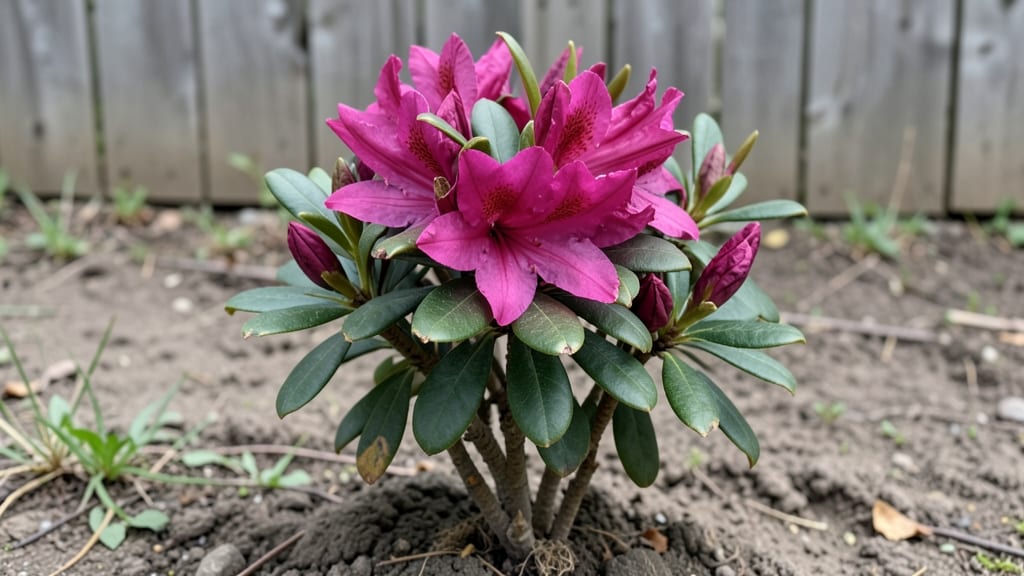
Your Japanese azalea tree's frost-resistant blooms start with the right pruning cuts. I’ve revived struggling azaleas by mastering this technique—now your plant can thrive even after winter’s chill. The key? Timing, tools, and knowing exactly where to cut to encourage dense, vibrant growth.
Most gardeners prune at the wrong time, which stunts flowering. Azaleas bloom on new wood, so prune right after blooms fade (late spring) and again lightly in early summer. You’ll need sharp bypass pruners, rubbing alcohol for sterilizing cuts, and a clear day to avoid stressing the plant.
Even a small mistake won’t ruin your azalea—just follow the 1/3 rule: never remove more than a third of the foliage at once.
What you’ll end up with is a compact, bushy azalea covered in clusters of fragrant blooms that last weeks longer than unpruned plants. The secret lies in cutting just above a bud or leaf node, at a 45-degree angle, to promote water runoff.
Your azalea will reward you with healthier stems, more flowers, and better resistance to frost damage next winter.
This method works for both container-grown azaleas and in-ground plants, whether you’re in a mild climate or a zone with harsh winters. The same principles apply to all Japanese azalea varieties—just adjust timing slightly for your region. Let’s get those shears ready!
📚 In This Guide
- What you need
- Instructions
- Tips and common mistakes
- Wrapping up and next steps
What you need
- ● Pruning shears: Bypass pruners (for clean cuts on small branches; sharp, 5-7 inch blades recommended).
- ● Loppers: Bypass or anvil type (for thicker branches; 8-12 inch handles for leverage).
- ● Hand pruners: Small, ergonomic (for delicate trimming; replace if dull).
- ● Gloves: Garden gloves (nitrile-coated for grip and protection; medium thickness).
- ● Disinfectant: 70% isopropyl alcohol or bleach solution (1 part bleach to 9 parts water; sterilize tools between cuts to prevent disease).
- ○ Pruning sealant: Optional but helpful (for large cuts; latex-based or tree wound paint).
- ● Ladder or step stool: Sturdy and stable (if your azalea is over 6 feet tall).
- ● Trash bags or bucket: For collecting pruned branches (to keep your workspace tidy).
- ● Timing: Prune after flowering (late spring to early summer) or late winter (before buds swell). Avoid pruning during frost or extreme heat. ❄️☀️
- ● Weather: Choose a dry, overcast day to reduce stress on the tree.
- ● Safety gear: Safety glasses (if working near the face) and closed-toe shoes.
- ● Tree health check: Inspect for diseased or dead branches before pruning (remove these first).
- ● Plan your cuts: Sketch a rough outline of your pruning goals (e.g., open the canopy, shape the tree, or remove overcrowded branches).
Step-by-step instructions for pruning Japanese azaleas
Here's how I keep my frost-hardy azaleas blooming beautifully year after year.
Time Your Pruning for Maximum Bloom
Prune your Japanese azalea right after flowering, typically in late May or early June. This timing ensures you don't cut off next year's buds that form on old wood. If you prune at the wrong time—like in early spring—you risk removing flower buds before they open.
Look for spent blooms that have turned brown and crispy. These are your visual cue that the flowering cycle is complete. Avoid pruning in fall or winter, as cold temperatures stress the plant and reduce its ability to heal properly.
Gather the Right Tools for Clean Cuts
Use sharp, sterilized pruning shears to make clean cuts at a 45-degree angle, about ¼ inch above a bud or branch junction. Dull tools crush stems, which invites disease. Wipe your shears with rubbing alcohol between cuts to prevent spreading any potential infections.
I also keep a small pair of hand pruners for trimming smaller branches and a glove to protect my hands from thorns. Never use hedge trimmers—they tear instead of cut, damaging the plant's delicate structure.
Shape and Thin the Canopy
Start by removing any dead, diseased, or crossing branches first. These are obvious culprits that weaken the plant. Next, thin out about one-third of the oldest stems at the base to encourage new growth and better air circulation.
Shape the plant by cutting back overly long branches to maintain a natural, open form. Avoid cutting into the center of the plant—this creates a dense, shaded interior that discourages blooming. Aim for an airy, rounded silhouette that lets sunlight reach all parts of the plant.
Revitalize Leggy Growth and Encourage Bushiness
If your azalea has developed long, leggy branches, cut them back by one-third to one-half of their length. This forces the plant to produce new, bushier growth from the base. You'll see fresh green shoots emerging within 4-6 weeks—that's your sign the plant is responding well.
For branches that are too crowded, make your cuts just above an outward-facing bud. This ensures the new growth will fill out the plant's shape rather than grow inward. Avoid heavy pruning on young plants—they need all their energy to establish strong roots.
Post-Pruning Care for a Strong Recovery
Water the plant deeply right after pruning to help it recover. The top 6 inches of soil should feel moist but not soggy. Apply a balanced, slow-release fertilizer in early summer to support new growth. I like to use a 10-10-10 formula for azaleas, following the package instructions.
Monitor the plant for new leaf growth in the following weeks. If you notice yellowing leaves or wilting, it could mean over-pruning or stress. In that case, reduce watering slightly and provide afternoon shade until the plant stabilizes.
Tips & tricks for perfect Japanese azalea pruning
Here's what I've learned after years of perfecting my frost-hardy azaleas—these details make all the difference between a healthy plant and one that struggles to bloom.
Timing is Everything: The late May to early June window is non-negotiable for Japanese azaleas. I've learned this the hard way—pruning too early can remove next year's flower buds while waiting too long risks cutting into new growth. Look for those crispy brown spent blooms as your exact cue to start. If you miss this window, you'll likely see fewer blooms next spring.
Tool Technique Matters: That 45-degree angle cut isn't just for looks—it prevents water from pooling on the wound, which can lead to rot. I always sterilize my pruning shears between cuts with rubbing alcohol, especially when dealing with diseased branches. And here's a pro move: use a sharp pencil to mark where you'll make your cuts before you start—this keeps your cuts consistent and clean.
Canopy Strategy: When thinning those one-third oldest stems, focus on the largest ones at the base. These old stems often produce fewer blooms and can crowd out younger growth. I like to step back every few cuts to visualize the plant's shape—imagine sunlight reaching every part of the plant. That airy, open form is key to preventing fungal issues and encouraging more blooms.
Post-Pruning Recovery: That deep watering right after pruning is crucial—think of it as giving your plant a drink after surgery. I've found that adding a handful of compost to the soil during this watering helps jumpstart recovery. And watch for those new leaf shoots in 4-6 weeks—they're your confirmation that your pruning worked. If you don't see them, you might have pruned too aggressively.
Pro Tips for Japanese Azalea Tree
- Here's what I've learned after years of perfecting my frost-hardy azaleas—these details make all the difference between a healthy plant and one that struggles to bloom.
- Timing is Everything: The late May to early June window is non-negotiable for Japanese azaleas.
- Tool Technique Matters: That 45-degree angle cut isn't just for looks—it prevents water from pooling on the wound, which can lead to rot.
Frequently asked questions
Got questions about keeping your Japanese azalea tree healthy and blooming beautifully? We’ve got answers! Here are some of the most common queries from gardeners just like you.
When is the best time to prune a Japanese azalea tree?
Prune your Japanese azalea right after flowering—typically in late spring (May to early June). Avoid pruning in fall or winter, as this can stimulate new growth that’s vulnerable to frost. Pro tip: If you missed the window, wait until early spring before buds swell, but avoid heavy cuts.
Can Japanese azaleas survive frost, and how do I protect them?
Japanese azaleas are frost-resistant but can suffer damage if temperatures drop below 15°F (-9°C). To protect them, mulch heavily around the base with organic material (like wood chips) and cover young trees with burlap or frost cloth. Avoid pruning in late fall—this can expose tender growth to cold.
How much can I trim back my azalea without harming it?
You can safely trim up to one-third of the plant’s height, but avoid cutting into old wood (gray/brown stems). Focus on shaping the canopy and removing dead, crossing, or overcrowded branches. Never shear—azaleas bloom on last year’s growth, so precise cuts encourage more flowers!
What should I do if my Japanese azalea isn’t blooming?
Poor blooming often stems from over-pruning, improper timing, or insufficient sunlight. Ensure your tree gets morning sun and afternoon shade, prune correctly post-bloom, and fertilize lightly in early spring with an acid-loving plant fertilizer. Yellow leaves? Check soil pH—azaleas thrive in acidic soil (pH 4.5–6.0).
Are there frost-resistant alternatives to Japanese azaleas?
If you love azaleas but want even more cold hardiness, consider Kurume azaleas (zones 6–9) or Rhododendron ‘PJM’ (zones 3–8). Both offer stunning blooms and better frost tolerance than some Japanese varieties. For ultra-hardy options, mountain azaleas (zones 4–8) are a great choice!
Wrapping up and next steps
The Japanese azalea tree is a stunning addition to any garden, and with the right pruning techniques, you can ensure its vibrant blooms thrive year after year. Remember, precision cuts in late winter or early spring—combined with frost-resistant care—will keep your azalea healthy and breathtaking.
Now that you’re armed with the knowledge, why not grab those shears and give your azalea the TLC it deserves? 🌸✂️
Ready to transform your garden? Start by scheduling your first pruning session this season and watch your azalea flourish like never before!