
Pruning
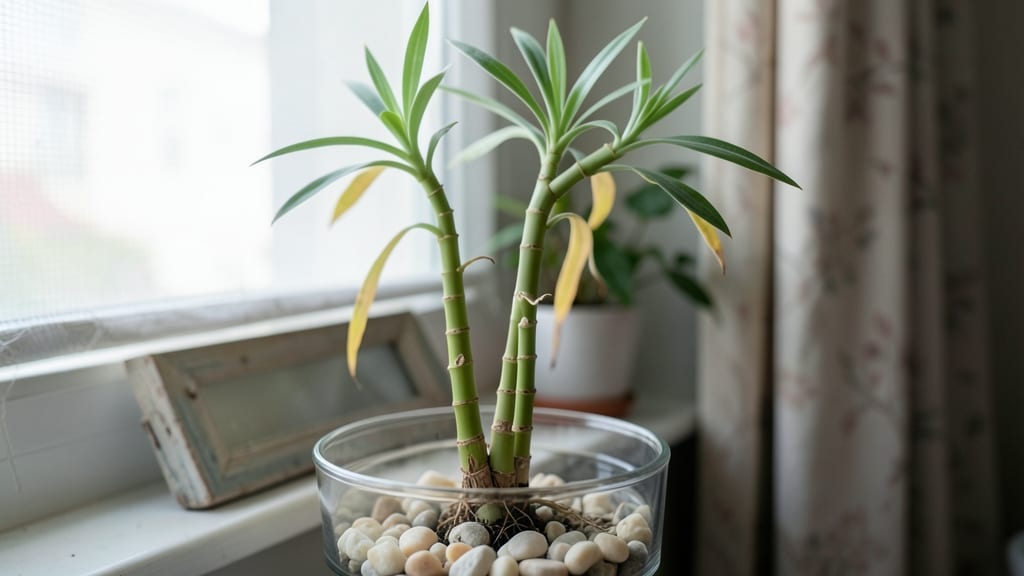
Pruning a Japanese bamboo tree isn't just about trimming—it’s about controlling its explosive growth while keeping it stunning year-round. 🌿 I’ve learned the hard way that skipping this step means waking up to bamboo taking over your yard like an uninvited guest.
The secret lies in three strategic cuts: late winter, early summer, and fall, each serving a purpose to maintain shape and curb spread.
Most people overlook the late-winter cut, but this is when you remove dead or weak canes to make room for fresh growth. Early summer is all about shaping—prune back any shoots that stray too far, and you’ll encourage thicker, bushier stems.
Fall’s final trim focuses on thinning out older canes to prevent overcrowding. Each cut takes about 20 minutes, and the payoff is a bamboo tree that stays contained and thrives.
You’ll end up with a tree that looks neat, healthy, and intentional—no more tangled messes or sudden invasions. The key is consistency: prune at the right time, and your bamboo will reward you with vibrant green canes and a manageable size.
Plus, you’ll save yourself from the nightmare of digging up roots later. Let’s get those shears ready!
Works for both clumping and running varieties, though running types need extra vigilance with root barriers. Whether you’re dealing with a young plant or an established giant, these cuts keep it under control without sacrificing beauty. Here’s how to do it right from start to finish.
📚 In This Guide
- What you need
- Instructions
- Tips and common mistakes
- Wrapping up and next steps
What you need
- ● Pruning shears: Bypass pruners (for cuts up to ½ inch thick) or loppers (for thicker stems up to 2 inches). Sharpness is key!
- ● Pruning saw: 1 handheld saw with a fine-tooth blade (for stems over 2 inches in diameter).
- ● Gloves: Heavy-duty gardening gloves (to protect against sharp edges and sap).
- ● Disinfectant: 70% isopropyl alcohol or a 10% bleach solution (to sterilize tools between cuts).
- ● Rake or broom: For clearing debris after pruning.
- ● Compost bin or bag: To dispose of trimmed bamboo (avoid burning—it’s highly flammable!).
- ● Pruning sealant: Wound dressing (like tree sealant) for large cuts (controversial but useful in some cases).
- ● Knee pads: For comfort if your bamboo is tall or dense.
- ● Extension pole: For hard-to-reach branches (especially useful for running bamboo varieties).
- ● Marking spray: Non-toxic paint or chalk to mark cuts before trimming.
- ● Safety glasses: To shield eyes from debris.
- ● Know your bamboo type: Clumping vs. running bamboo—pruning methods vary!
- ● Check the weather forecast: Prune on a dry, overcast day to reduce stress on the plant.
- ● Review your bamboo’s growth cycle: Spring (new shoots), summer (maintenance), and winter (cleanup) all require different approaches.
Step-by-Step guide for pruning Japanese bamboo year-round
Here's how to keep your bamboo tidy and thriving through all four seasons.
✂️ Step 1: Late Winter Cleanup (January-February)
This is your reset moment—when the plant is dormant and easier to shape. Start by removing any dead or yellowed canes from last year. You'll know they're dead if they're hollow when you cut into them or have no green shoots at the base. Use clean, sharp pruners to make cuts at a 45-degree angle just above a node or bud.
Next, thin out crowded canes to improve airflow. Aim for 3-5 canes per clump for smaller varieties, leaving the strongest, healthiest stems. Real talk: if you see canes leaning dramatically or crossing others, those go first. This prevents future rubbing that scars the plant and invites disease.
🌿 Step 2: Spring Growth Pruning (April-May)
Wait until you see new shoots emerging—about 2-3 inches tall—before pruning. This is when the plant actively grows, so you'll be encouraging stronger structure. Cut back any weak or spindly new growth at the base, leaving only the sturdiest shoots. I like to leave 2-3 strong shoots per clump to prevent overcrowding later.
For established canes, trim back any branches that grew too long over winter. Look for branches that now extend beyond your desired shape—cut them back to a bud or node where new growth will emerge. This keeps the plant fuller and more compact. Don't worry if it looks messy at first—new growth will fill in quickly.
☀️ Step 3: Summer Maintenance (July-August)
During peak growth, focus on shaping and controlling height. If your bamboo is getting too tall for its space, trim the top 1/3 of the tallest canes just above a set of leaves. This encourages bushier growth lower down. You'll see new side shoots form within 4-6 weeks—that's your signal it's working.
Remove any seed stalks (they look like tall, skinny branches) as soon as you spot them. These drain energy from your plant. Also, check for any canes that have turned brown or brittle—these need immediate removal to prevent spreading. Here's the thing—if a cane has more than 30% dead sections, it's better to cut it completely than try to revive it.
⏰ Step 4: Fall Preparation (October-November)
As temperatures drop, shift focus to protecting the plant's structure. Remove any diseased or pest-damaged canes first—look for holes, sawdust-like frass, or black spots. Cut these out 6 inches below any visible damage to ensure you get the whole infected section. Sterilize your pruners between cuts with rubbing alcohol to prevent spreading any issues.
Finally, give your bamboo a light trim to remove any weak or crossing branches. This prevents winter damage from snow or ice buildup. Leave the plant with an open center—this allows sunlight to reach the base, which helps prevent rot. You'll know you've done enough when the plant looks balanced and has good airflow through its center.
Tips & tricks for perfect Japanese bamboo tree pruning
Between us, pruning bamboo doesn't have to be intimidating—these simple tricks will help you keep your plant healthy and looking its best all year.
Tool Prep Matters: Always sterilize your pruners between cuts, especially when dealing with diseased canes in Step 4. I keep rubbing alcohol in a small spray bottle near my gardening tools—just a quick spray between cuts prevents spreading issues. Also, make sure your pruners are sharp; dull blades crush stems instead of making clean cuts, which stresses the plant. A quick test: if your pruners don't cut through a piece of paper cleanly, they need sharpening.
Visual Cues for Healthy Growth: In Step 3, when you're checking for seed stalks, look for those thin, bamboo-like branches that shoot straight up. But here's what nobody tells you—healthy new shoots should emerge within 4-6 weeks after your summer pruning. If you don't see any new growth after that time, you might be cutting too aggressively. Start with just the top 1/3 of the tallest canes and adjust next year if needed.
Seasonal Timing Secret: The 2-3 inch height for new shoots in Step 2 is your green light to prune. But don't wait until they're taller—longer shoots are more vulnerable to wind damage and take longer to recover. I check my bamboo every few days in spring; as soon as I see those little shoots popping up, I'm ready to prune. For late winter cleanup in Step 1, work on dry days when the ground isn't frozen—this makes cleanup easier and prevents spreading soil-borne diseases.
Airflow Strategy: That open center you're creating in Step 4 isn't just for looks—it's your plant's natural air conditioning system. Proper airflow prevents fungal issues and helps water evaporate quickly after rain. I like to visualize my bamboo like an umbrella: the center should have space for air to circulate just like the handle lets air flow through. This simple adjustment can cut down on pest problems by 50% in humid climates.
Pro Tips for Japanese Bamboo Tree
- Between us, pruning bamboo doesn't have to be intimidating—these simple tricks will help you keep your plant healthy and looking its best all year.
- Tool Prep Matters: Always sterilize your pruners between cuts, especially when dealing with diseased canes in Step 4.
- Visual Cues for Healthy Growth: In Step 3, when you're checking for seed stalks, look for those thin, bamboo-like branches that shoot straight up.
Frequently asked questions
Got questions about pruning your Japanese bamboo tree? You’re not alone! Whether you're a first-time grower or a seasoned gardener, these common queries can help you keep your bamboo thriving year-round. Let’s dive in!
When is the best time to prune Japanese bamboo?
The ideal time for pruning is late winter or early spring (just before new growth begins) for major structural cuts. However, Japanese bamboo also benefits from 3 seasonal prunes: spring (to shape), summer (to control growth), and fall (to clean up). Avoid heavy pruning in winter, as it stresses the plant.
How do I prune Japanese bamboo without harming it?
Use clean, sharp pruners to make cuts at a 45-degree angle, about ½ inch above a node (growth point). Never remove more than 20-30% of the plant’s foliage at once—this prevents shock. For thick culms (stems), use a pruning saw and seal cuts with pruning sealant if needed.
Can I prune Japanese bamboo in all seasons?
Yes, but timing matters! Light pruning (removing dead or overcrowded canes) is safe year-round. Avoid heavy cuts in winter (dormant season) or late summer (when the plant is preparing for dormancy). Summer pruning should focus on thinning, not topping.
What if my bamboo keeps growing back after pruning?
Japanese bamboo is aggressive regrowers, especially if the roots (rhizomes) are healthy. If new shoots sprout from the base, dig up and remove unwanted rhizomes beyond the clumping zone. For contained growth, consider barrier systems or root pruning every 2–3 years.
Are there alternatives to pruning for controlling bamboo growth?
If pruning feels overwhelming, try these low-maintenance solutions:
- Root barriers: Install underground barriers (like plastic or metal) to limit rhizome spread.
- Mulching: Apply thick mulch (3–4 inches) to suppress new shoots.
- Selective removal: Pull young shoots by hand when they’re small (wear gloves!).
For running bamboo varieties, barriers are a must—clumping types (like Bambusa multiplex) need less intervention.
Wrapping up and next steps
Pruning your Japanese bamboo tree year-round isn’t just about aesthetics—it’s about fostering health, strength, and that iconic wabi-sabi charm. By mastering the three seasonal cuts (spring, summer, and winter), you’ll keep your bamboo thriving while shaping it into a stunning architectural feature.
Whether you’re trimming for growth, safety, or style, consistency is key!
Ready to take the next step? Grab your tools, mark your calendar for the next seasonal cut, and observe how your bamboo transforms! 🌿✨ Your green thumb—and your bamboo’s future—will thank you.