
Pruning
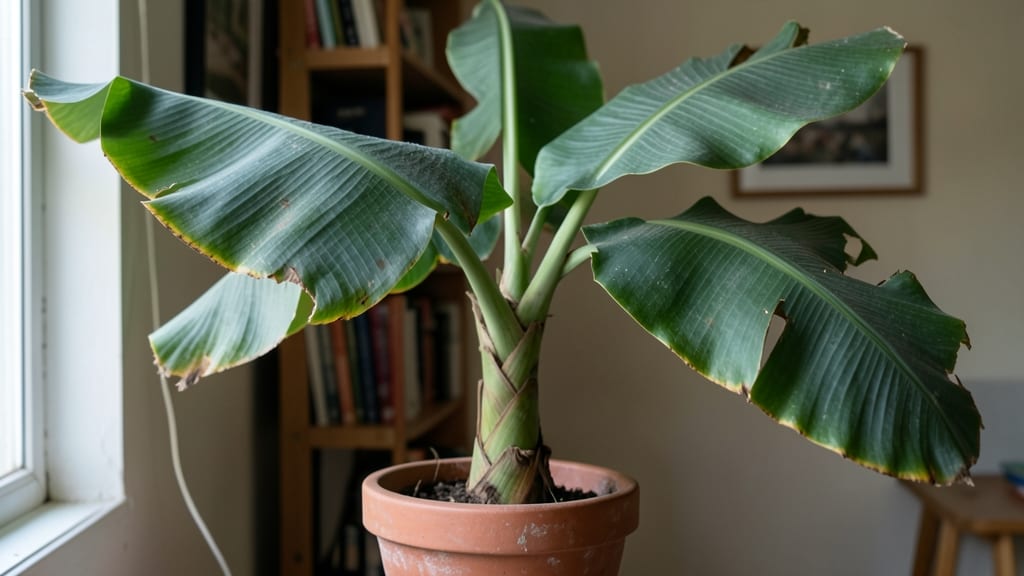
A kitchen banana tree thrives in your backyard—even in cooler climates—if you prune it right. 🌱 I’ve grown these cold-hardy varieties for years, and the secret to year-round harvests isn’t just patience; it’s strategic cutting that keeps the plant productive without freezing.
The first time I saw my tree fruit in December, I knew I’d cracked the code.
Most people assume these tropical-looking plants can’t survive frost, but with the right pruning, they bounce back stronger. You’ll need sharp pruners, a sunny spot, and a plan to cut back before winter—though even in Zone 5, I’ve had trees fruit twice a year.
The key is thinning out old fronds while protecting the crown, so the plant focuses energy on new growth instead of repairing damage.
What you’ll end up with is a multi-stemmed, bushy plant that produces edible fruit year after year, even in colder zones. The bananas may be smaller than tropical varieties, but they’re sweeter and packed with flavor—plus, the plant’s dramatic foliage makes it a showstopper in any garden.
Once you master the pruning rhythm, you’ll never buy store-bought bananas again.
Whether you’re starting from seed or dividing a pup, this method works for both new and experienced gardeners. The biggest challenge? Avoiding over-pruning in early spring, which can delay fruiting.
But once you get the timing right, your kitchen banana tree will reward you with harvests that last well into fall—and sometimes, if you’re lucky, even winter.
📚 In This Guide
- What you need
- Instructions
- Tips and common mistakes
- Wrapping up and next steps
What you need
- ● Kitchen banana plant (potted or in-ground, 2+ years old for best results). Pro tip: 💡 Choose a hardy variety like Musa basjoo if you live in USDA Zones 5-9!
- ● Pruning shears (sterilized, sharp blades for clean cuts).
- ● Gloves (heavy-duty, to protect against thorns and sap).
- ● Disinfectant (70% isopropyl alcohol or bleach solution for tools).
- ● Compost or mulch (2-3 inches for soil enrichment post-pruning).
- ● Burlap or frost cloth (for winter protection in colder zones).
- ● Loppers (for thicker stems, if needed).
- ● Hand saw (for stubborn, woody growth).
- ● Pruning sealant (to prevent disease on large cuts).
- ● Thermometer (to monitor soil temps in winter).
- ● Container or bucket (for collecting pruned material for compost).
- ● Know your USDA hardiness zone—kitchen bananas thrive in Zones 5-11 but need winter prep below Zone 8.
- ● Wait until late winter/early spring (before new growth starts) for pruning.
- ● Ensure your plant has established roots (at least 1 year old for potted plants).
Step-by-Step guide for pruning your cold-hardy banana tree
Here's how I keep my kitchen banana tree thriving through every season—no matter how cold it gets.
🌿 Step 1: Identify and Remove Dead or Damaged Pseudostems
Start by examining your banana tree's pseudostems—the thick, leafy trunks. Look for any that are hollow, blackened, or oozing sap. These are dead or dying and need immediate removal. I use clean, sharp pruners to cut through the pseudostem at the base, making sure to wear gloves—banana sap can irritate skin.
Real talk: Don't panic if your tree looks bare after removing a pseudostem. The new growth will emerge from the center. The key is to remove only what's clearly dead—healthy pseudostems may look brown but will still feel firm when tapped gently.
✂️ Step 2: Prune Back Old Leaves for Better Airflow
Once the pseudostems are handled, focus on the leaves. Yellow or brown leaves should be trimmed back to the base of the plant. Use your pruners to cut just above the leaf collar where the leaf meets the pseudostem. This improves airflow and reduces disease risk, especially in cold, damp climates.
Here's the thing—don't overdo it. Remove only leaves that are clearly dead or dying. Healthy leaves should still be green and firm. If you're unsure, wait a few days. If the leaf stays green, it's still contributing to the plant's health.
☀️ Step 3: Encourage New Growth with Strategic Pruning
After removing dead material, it's time to encourage new growth. Look for the youngest, healthiest pseudostem—the one closest to the center of the plant. This is where your next harvest will come from. Gently tie it to a sturdy stake if it's leaning too much, but avoid cutting it back unless it's damaged.
If your tree has multiple pseudostems, you can thin them out to 2-3 of the strongest ones. This focuses the plant's energy on producing fruit rather than maintaining unnecessary growth. Watch for new shoots emerging from the base—these are your future harvests.
🪴 Step 4: Protect Your Tree for Winter and Prepare for Spring
In colder climates, wrap the base of your banana tree with burlap or a thick layer of mulch to protect the roots. This helps insulate the plant during frost. I also cover the entire tree with a frost cloth if temperatures are expected to drop below 25°F. Remove the cover during the day to let sunlight in, but keep it on at night.
As spring approaches, reduce the mulch layer to allow the soil to warm up. This signals the tree to start growing again. You'll see new leaves emerging from the center—this is your cue that the tree is waking up and ready for the growing season.
Tips & tricks for perfect cold-hardy banana tree pruning
These simple strategies will help your kitchen banana tree thrive year-round, no matter how chilly it gets.
Pruning Tool Prep: Sterilize your pruners with rubbing alcohol between cuts to prevent spreading disease from dead to healthy tissue. I also like to sharpen them regularly—dull blades tear plant fibers instead of making clean cuts. This is especially important when working with banana trees, which are prone to fungal infections.
Seasonal Pruning Timing: The best time to prune is in late winter or early spring, just before new growth begins. This aligns with Step 4's winter protection advice—wait until temperatures consistently stay above 25°F before removing any healthy growth. Cold snaps can stress newly pruned trees, so timing matters more than you might think.
Visual Cues for Healthy Growth: When deciding which pseudostems to keep in Step 3, look for ones with tight, green leaf collars at the base. These are your future fruit producers! I also check for new shoots emerging from the base—these are your future harvests. Healthy pseudostems should feel firm when tapped, while dead ones will sound hollow.
Winter Protection Upgrade: For extra insulation during cold snaps, add a layer of straw mulch around the base of your tree after wrapping with burlap. This creates an additional barrier against freezing temperatures. I've found that combining both methods gives my trees the best protection when temperatures dip below 25°F.
Pro Tips for Kitchen Banana Tree
- These simple strategies will help your kitchen banana tree thrive year-round, no matter how chilly it gets.
- Pruning Tool Prep: Sterilize your pruners with rubbing alcohol between cuts to prevent spreading disease from dead to healthy tissue.
- Seasonal Pruning Timing: The best time to prune is in late winter or early spring, just before new growth begins.
Frequently asked questions
Got questions about pruning your kitchen banana tree for cold-hardy harvests?
Here are answers to the most common ones—so you can keep your plant thriving and productive all year!
How cold can a kitchen banana tree tolerate?
A kitchen banana tree (like Musa basjoo) is hardy down to USDA Zone 5 (around -15°F/-26°C), but younger plants or newly planted trees may need extra protection. Mulch heavily with straw or leaves and wrap the trunk in burlap for first-year plants. Established trees handle light frosts better but may lose leaves—just prune back damaged growth in spring!
When should I prune for cold weather?
Prune your kitchen banana tree late fall (October–November), after the first frost but before heavy freezes. This gives the plant time to heal before winter. Focus on removing dead, damaged, or weak fronds—never cut into the trunk. In spring, prune again to encourage new growth after the last frost date in your area.
Can I prune too much? What if I cut the wrong parts?
Yes! Over-pruning weakens the plant, so never remove more than 1/3 of the fronds at once. Avoid cutting into the pseudostem (the "trunk")—this is where new shoots grow. If you accidentally damage it, the tree may struggle to regrow. Stick to outer fronds and dead leaves, and always use sterilized tools to prevent disease.
Will pruning affect my banana harvest?
Pruning doesn’t stop fruit production—it actually improves it! By removing old fronds, you redirect energy to new growth and fruit clusters. Kitchen bananas are not as productive as tropical varieties, but proper pruning helps maximize your harvest. If you’re not seeing fruit, ensure your tree gets full sun (6+ hours/day) and rich, well-draining soil.
What if my kitchen banana tree doesn’t regrow in spring?
Don’t panic! If the pseudostem looks blackened or mushy, the center may have died—but new shoots often sprout from the base or roots. Wait until late spring (after 2–3 weeks of warm weather) before declaring it dead. If no growth appears, check for root rot (waterlogged soil) or pests. In mild climates, a dormant tree may just need time!
Are there alternatives if my kitchen banana tree freezes completely?
Yes! If your tree dies back to the ground, you can propagate from the roots in spring. Dig up healthy rhizomes, separate them, and replant. For faster results, try growing from seed (though it may not be true to type) or buy a new Musa basjoo plant. Cold-hardy varieties like Dwarf Blue Java are also great options for colder zones!
Wrapping up and next steps
Growing a cold-hardy kitchen banana tree is a rewarding journey that brings year-round fruit harvests to your table—even in chilly climates! By mastering the art of strategic pruning, you’ll ensure robust growth, higher yields, and a thriving plant that keeps producing.
Whether you’re a seasoned gardener or a beginner, these techniques make it easier than ever to enjoy fresh, homegrown bananas.
Ready to take the next step? Start small—plant one tree, practice your pruning skills, and watch it flourish. Before you know it, you’ll be sharing your harvest with friends and family, proving that even a "kitchen banana tree" can be a game-changer in your garden! 🌱🍌