
Landscaping
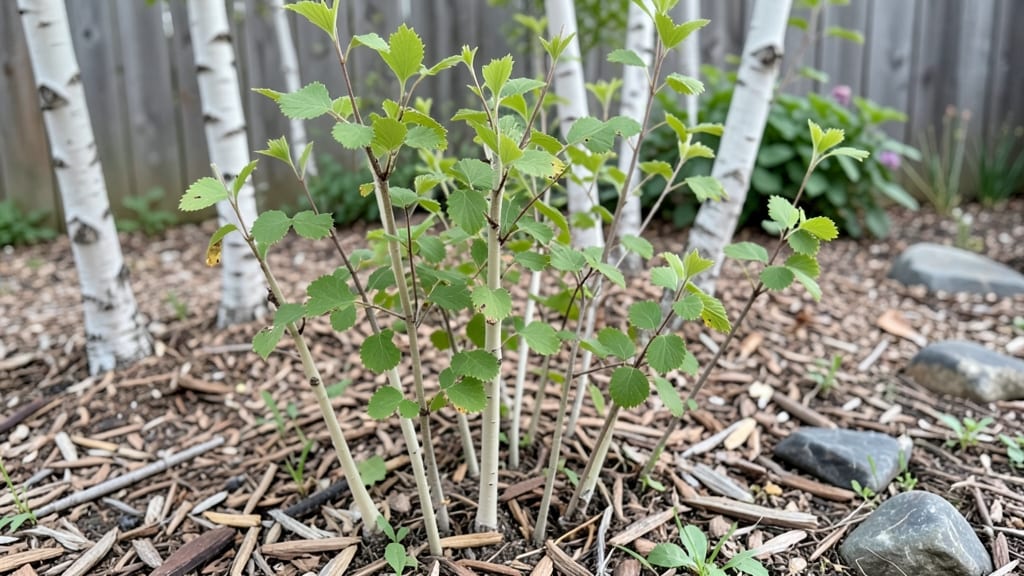
Landscaping with quaking aspen trees turns your garden into a living watercolor painting. 🌿 Their trembling leaves shimmer like liquid gold in sunlight, creating a sun-dappled effect that transforms any space into a serene retreat.
I remember the first time I saw one in a park—its delicate branches swaying even in still air, casting dappled light that made the ground below look like a mosaic of light and shadow.
The key to making them work in your design is placement. Aspens thrive in full sun and moist soil, making them perfect for shady garden edges, pond borders, or as a dramatic focal point near patios.
Pair them with shade-loving perennials like hostas or ferns to create a layered, textured look that feels both wild and intentional. Their golden foliage in fall adds a magical touch that lasts until the first frost.
What you’ll love most is how they bring life to your landscape. Birds flock to their branches, butterflies dance around them, and the gentle rustling of their leaves creates a soothing soundtrack.
Even in winter, their slender trunks add architectural interest to the garden. With proper spacing—about 20-30 feet apart—they’ll grow into a stunning, airy canopy that feels like a natural embrace.
Works beautifully in both rural and suburban settings, whether as a standalone specimen or part of a larger woodland garden. The secret? Let them lead the design—they’ll reward you with a garden that feels alive and ever-changing with the seasons.
📚 In This Guide
- What you need
- Instructions
- Tips and common mistakes
- Wrapping up and next steps
What you need
- ● Quaking Aspen Trees: 3–5 saplings (1–3 inches in diameter, 4–6 feet tall) for a small garden; adjust quantity based on spacing needs (15–20 feet apart for mature trees).
- ● Ensure they’re disease-free and locally sourced for best adaptation.
- ● Soil Amendments: 5–10 lbs of compost or well-rotted manure per planting hole.
- ● 1–2 lbs of slow-release fertilizer (balanced 10-10-10 or organic options like bone meal).
- ● Planting Supplies: Shovel (round-point for digging, 12–18 inches wide).
- ● Garden trowel (for fine adjustments).
- ● Wheelbarrow (for transporting soil/amendments).
- ● Measuring tape (to mark spacing).
- ● Stakes (4–6 feet tall, 2 per tree) + tree ties.
- ● Watering Tools: Garden hose with adjustable nozzle (or a drip irrigation kit for efficiency).
- ● 5-gallon watering can (for young saplings).
- ● Safety Gear: Work gloves (heavy-duty for digging).
- ● Knee pads (for comfort during planting).
- ● Mulch: 2–3 inches of wood chips or pine straw to retain moisture and suppress weeds.
- ● Erosion Control: Landscape fabric (for slopes) or coir logs to stabilize soil.
- ● Aesthetic Touches: Decorative rocks or mulch rings around tree bases.
- ● Understory plants (e.g., ferns, hostas) to complement the aspen’s ethereal vibe.
- ● Tech Upgrades: Soil moisture meter to track hydration levels.
- ● Check local planting regulations (some areas restrict aspen cultivation due to invasive roots).
- ● Test soil pH (ideal: 6.0–7.5; adjust with lime or sulfur if needed).
- ● Clear the planting area of weeds, rocks, or debris (aim for a 10-foot radius per tree).
- ● Schedule planting for early spring or fall (avoid extreme heat or frost).
How to design a stunning quaking aspen tree landscape
Here's how to create a sunlit, golden garden that dances with movement and seasonal color.
🌿 Step 1: Choose Your Planting Locations for Maximum Visual Impact
Quaking aspens thrive in full sun to partial shade, so select spots with at least 6 hours of direct sunlight daily. Their golden foliage shimmers most beautifully when framed by open sky, so avoid planting under dense evergreens that block light. I like to place them near patios or seating areas where their rustling leaves create a natural soundtrack.
For a dramatic effect, plant 4-6 trees in a loose cluster rather than single specimens. This creates a natural, wind-swept canopy that moves as one. Space saplings 15-20 feet apart to allow their airy branches to intertwine without crowding. If your yard has slopes, plant on the upper side to prevent erosion while letting their roots stabilize the soil.
☀️ Step 2: Prepare the Soil for Fast, Healthy Growth
Aspens prefer well-draining, slightly acidic soil with a pH between 5.0 and 7.0. Before planting, amend your native soil with 2-3 inches of compost mixed into the top 12 inches of the planting hole. This improves drainage while providing nutrients for rapid root development—critical since young aspens establish quickly to support their towering height.
Test your soil's drainage by digging a 12-inch deep hole and filling it with water. If it drains within 2 hours, your soil is fine. If water pools at the bottom after 4+ hours, add sand or perlite to prevent root rot. Aspens hate soggy feet, so prioritize this step to ensure long-term health.
🪴 Step 3: Plant Saplings at the Right Depth and Stake for Stability
Dig a hole twice as wide as the root ball but no deeper—aspens dislike being buried too deep, which can suffocate their roots. Gently remove the sapling from its container and loosen any circling roots with your fingers. Place it in the hole so the top of the root ball sits level with the surrounding soil (never mound soil at the base, which causes girdling).
Fill the hole with soil, tamping lightly every 2 inches to remove air pockets. Water deeply until moisture reaches 6 inches down, then stake the tree if it's taller than 6 feet. Use two stakes positioned 12 inches apart and tie the trunk loosely with tree tie material—never wire, which can cut into the bark as the tree grows. Mulch with 3 inches of wood chips in a 3-foot diameter circle, keeping mulch 6 inches away from the trunk to prevent rot.
✂️ Step 4: Prune Strategically to Encourage a Full, Airy Canopy
Young aspens benefit from light pruning in early spring before new growth begins. Remove any dead, broken, or crossing branches at the base, cutting just outside the branch collar where it meets the trunk. Avoid heavy pruning—aspens grow best when allowed to develop their natural, open shape. Here's the thing: their iconic quaking motion comes from their flexible, lightweight branches, so resist the urge to prune for a "neat" look.
In subsequent years, prune only to open the center of the tree by removing 2-3 small branches per year. This ensures sunlight reaches the inner canopy, preventing a dense, shaded interior. Never remove more than 25% of the foliage in one season—aspens recover slowly from heavy pruning. The goal is a lacy, golden crown that sways in the breeze, not a tightly packed dome.
💧 Step 5: Water Deeply and Mulch to Retain Moisture
Water newly planted aspens twice weekly for the first month, providing 10-15 gallons per tree each time. After that, water once weekly during dry spells, aiming for deep, slow soaks that penetrate 12 inches into the soil. You'll know you've watered enough when the soil feels damp but not soggy at that depth. Overwatering is the biggest mistake—aspens are drought-tolerant once established but hate "wet feet."
Replenish the 3-inch layer of mulch annually in early spring, spreading it in a wider circle as the tree grows. This conserves moisture, regulates soil temperature, and suppresses weeds. Keep mulch 6 inches away from the trunk to prevent rot and pests. By year three, your aspens should require little supplemental watering—just monitor during prolonged dry spells.
Tips & tricks for perfect quaking aspen landscaping
A few simple tricks will help your quaking aspens thrive and create that magical golden canopy you're dreaming of.
Location is Everything: When selecting your planting spots, pay attention to not just sunlight but also wind patterns. Aspens love to dance, so choose areas where they'll catch breezes—think open lawns or near patios where their movement will be most visible. I've found that planting them slightly uphill from seating areas creates a natural wind tunnel effect that makes their leaves shimmer even more dramatically. Also, avoid planting near large evergreens that might block both light and wind, which are both essential for their signature quaking motion.
Soil Prep Secret: The drainage test in Step 2 is non-negotiable—aspens absolutely hate soggy roots. If your soil fails the test, don't just add sand. I've had better luck with a 50/50 mix of sand and perlite, which improves drainage while still holding enough moisture. Another pro move: add a handful of mycorrhizal fungi to your planting hole before adding the amended soil. These beneficial soil organisms help young roots establish more quickly, giving your aspens a stronger start. Think of it as giving your trees a natural growth boost.
Planting Depth Matters: Getting the depth right in Step 3 is crucial—you want the root ball's top to be level with the surrounding soil, not buried. I've seen too many well-meaning gardeners mound soil at the base, which can cause girdling as the tree grows. Here's a trick: use a level to check your planting depth before backfilling. Also, make those stakes count—aspens grow fast, and a properly staked tree won't develop a weak, leaning trunk. Use the two-stake method with tree ties that will last for years without cutting into the bark.
Pruning Philosophy: Remember in Step 4 that aspens aren't about neat, manicured shapes—they're about movement and light. The goal is to create that lacy, golden crown that sways in the breeze. When you're pruning, focus on removing only the branches that are truly interfering with the tree's natural form. I like to think of it as sculpting with negative space—what you remove is just as important as what you leave. And that 25% rule is your safety net: if you're removing more than that, you're probably over-pruning.
Pro Tips for Landscaping With Quaking Aspen Trees
- A few simple tricks will help your quaking aspens thrive and create that magical golden canopy you're dreaming of.
- Location is Everything: When selecting your planting spots, pay attention to not just sunlight but also wind patterns.
- Soil Prep Secret: The drainage test in Step 2 is non-negotiable—aspens absolutely hate soggy roots.
Frequently asked questions
Got questions about adding quaking aspen trees to your landscape? You’re not alone!
Here are answers to the most common concerns—from planting tips to long-term care.
How fast do quaking aspen trees grow, and how big do they get?
Quaking aspens are fast growers, adding 2–3 feet per year under ideal conditions! Mature trees typically reach 40–60 feet tall with a 30–40-foot spread. Their rapid growth makes them perfect for quick shade, but plan for pruning to manage their airy, sprawling branches.
When is the best time to plant quaking aspen trees?
Fall (September–November) is ideal for planting—soil is warm, air is cool, and trees establish roots before winter. Spring (March–April) also works, but avoid extreme heat or drought. Pro tip: Water deeply after planting and mulch to retain moisture.
Are quaking aspens good for small yards or urban landscapes?
While stunning, aspens need space—their roots spread widely, and they drop lightweight seeds (like "cotton candy" fluff). For small yards, consider dwarf varieties or container-grown saplings. Urban areas may need extra pruning to prevent seed litter and branch interference with power lines.
Do quaking aspens attract pests or wildlife I should worry about?
Aspens are generally pest-resistant, but watch for aphids or borers in stressed trees. Deer and rabbits may nibble young saplings, so protect them with wire cages or repellents. Their golden foliage also attracts pollinators like bees—great for gardens!
What’s the lifespan of a quaking aspen, and how do I extend it?
With proper care, aspens live 40–150 years! To prolong their life, ensure well-draining soil, regular watering (especially in drought), and occasional pruning to remove deadwood. Avoid compacted soil or root damage from construction—aspens are sensitive to disturbance.
Wrapping up and next steps
Landscaping with quaking aspen trees is a magical way to transform your garden into a sunlit sanctuary. Their shimmering foliage and golden hues create a serene, ethereal atmosphere that’s perfect for adding natural beauty and movement to any outdoor space.
Whether you’re a seasoned gardener or just starting out, these trees offer a low-maintenance yet stunning option for year-round interest.
Ready to bring some golden magic to your yard? Start by researching local nurseries or reaching out to a landscaping expert to find the perfect quaking aspen for your climate and space. Then, roll up your sleeves—your dream garden awaits! 🌿✨