
Pruning
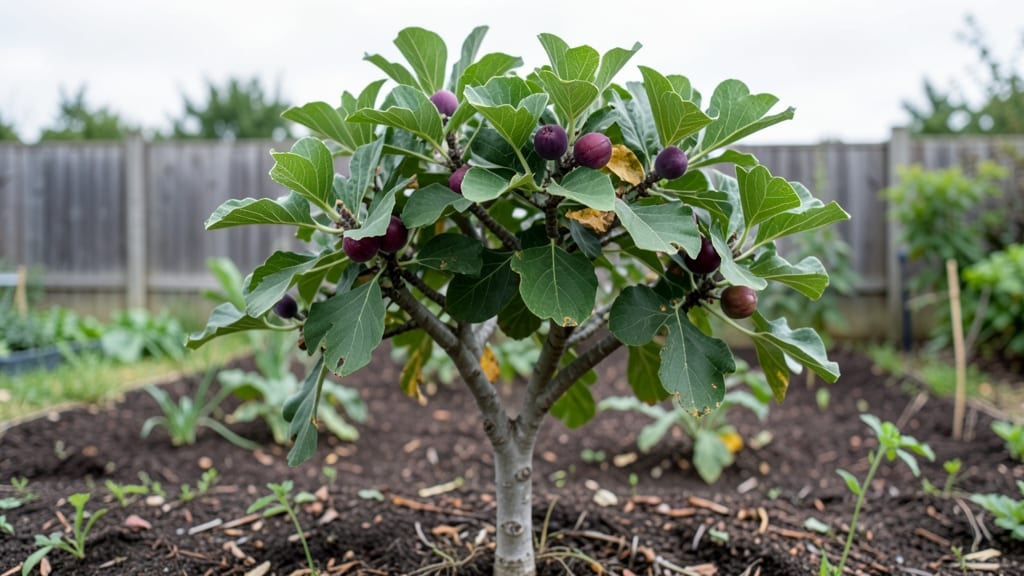
When you plant a Little Ruby fig tree in the Pacific Northwest, you're choosing a fruit-bearing workhorse that thrives where others freeze. 🌿 I learned the hard way that its cold resistance comes with a pruning rhythm most gardeners miss—especially in wet winters.
The key isn't just cutting back, but shaping the tree to protect its delicate wood from moisture and frost.
This variety handles 20°F dips better than most figs, but it still needs winter prep. You'll need sharp pruners, a 5-gallon container for container growing, and a sunny spot with at least 6 hours of direct light.
The real magic happens in late winter when you prune to open airflow—this prevents the fungal issues that turn leaves brown and stunt growth.
What you end up with is a tree that produces sweet, deep-red figs from July through September, even in coastal climates. The branches stay sturdy, the leaves stay glossy, and you avoid the sad, leafless skeletons that plague neglected figs.
With the right cuts, you'll harvest 2-3 times more fruit than the average PNW gardener.
Works for both in-ground plantings and large containers—just adjust your pruning timing by a month if growing in pots. The same techniques apply whether you're dealing with a mature tree or a newly propagated cutting. Let's get those branches shaped for success.
📚 In This Guide
- What you need
- Instructions
- Tips and common mistakes
- Wrapping up and next steps
What you need
- ● Pruning shears – Bypass pruners (sharp, clean, and sterilized to prevent disease; 5-7" blade ideal for small branches).
- ● Loppers – 8-10" bypass loppers for thicker branches (up to 1.5" diameter).
- ○ Pruning saw – Optional but helpful for stubborn, thick branches (avoid rust; carbon steel or high-carbon stainless steel preferred).
- ● Rubbing alcohol (70% or higher) – 1 small bottle to sterilize tools between cuts.
- ● Garden gloves – Cut-resistant (nitrile or leather) to protect hands from thorns and sap.
- ● Disposable pruning bags – 1-2 bags (10-15 gallon capacity) to collect pruned branches and debris.
- ● Sharpie marker – Permanent marker to label branches if grafting or training is part of your plan.
- ● Hose with nozzle – For rinsing tools and cleaning sap off cuts.
- ○ Heating mat or frost cloth – Optional but wise if pruning late in the season (protects tender cuts from unexpected frost).
- ○ Wax or pruning sealant – Optional (e.g., tree wound dressing) to seal large cuts and prevent disease in damp climates.
- ● Sturdy ladder or step stool – If your tree is over 6 feet tall (safety first!).
- ● Sterilize tools before and after pruning—dip shears/loppers in rubbing alcohol to avoid spreading fungal spores. 🧴
- ● Avoid pruning on windy days—PNW gusts can make branches harder to handle. ☁️
- ● Work in dry conditions—wet branches are slippery and harder to cut cleanly. 🌧️
Step-by-Step guide to pruning your Little Ruby fig tree for PNW winters
This is how I keep my Little Ruby thriving through Pacific Northwest winters—simple cuts that prevent cold damage.
✂️ Step 1: Time Your First Pruning for Late Winter
Wait until mid-to-late February when the tree is still dormant but just before new buds swell. I look for the first signs of life—tiny green buds along the branches—but avoid cutting when frost is forecast. The goal here is to shape the tree while it's still resting, not stressing it with early growth.
Start by removing any dead, broken, or crossing branches first. These are easy to spot—they look brown and brittle, or they rub against other branches. Use clean, sharp pruning shears to make cuts at a 45-degree angle just above a bud or lateral branch. This encourages healthy regrowth and prevents water from pooling at the cut.
✂️ Step 2: Thin the Canopy for Better Airflow
Step back and look at your tree’s shape. The Little Ruby’s natural growth can get dense, which traps moisture and invites disease. I aim for an open vase shape—this lets sunlight and air circulate through the center. Remove 20-30% of the smallest branches first, focusing on those growing inward or upward.
Cut back to a bud facing outward on the branch below. This directs energy to new growth in the right direction. If a branch is too thick for shears, use a pruning saw—but only if absolutely necessary. The Little Ruby is tough, but over-pruning weakens it. Real talk: I’ve seen gardeners go overboard here, and the tree struggles to fruit the next season.
✂️ Step 3: Shorten Last Year’s Growth for Cold Hardiness
Now focus on the longest branches from last year. These are the ones that grew rapidly in summer and may not survive harsh PNW winters. Cut them back by one-third to one-half their length, always to a bud or lateral branch. This encourages shorter, stockier growth that’s better equipped to handle cold snaps.
Watch for water sprouts—those fast-growing, vertical shoots that pop up everywhere. These are energy vampires and should be removed entirely at the base. The Little Ruby directs its energy where you prune it, so cutting these now means fewer headaches later. If you’re unsure which branches to cut, err on the side of caution and leave them—you can always prune more next year.
⏰ Step 4: Post-Pruning Care for Strong Recovery
After pruning, give your tree a deep watering to help it recover. The roots need moisture to support new growth, especially if you’ve made significant cuts. I water at the base, not overhead, to avoid fungal issues. Follow up with a balanced fertilizer (10-10-10) in early spring to give the tree a nutrient boost.
Keep an eye out for new shoots emerging from the cuts within 4-6 weeks. These are a good sign your pruning worked! If you notice any odd growth or signs of stress—like yellowing leaves or oozing sap—it might mean the cuts were too severe or the tree is struggling with the change. In that case, hold off on further pruning until next year.
Tips & tricks for perfect Little Ruby fig tree pruning
Here's what nobody tells you about keeping your Little Ruby thriving through PNW winters—these tricks make all the difference.
Timing is Everything: Mid-to-late February is your sweet spot, but don't wait until buds swell—you want to catch the tree just before it wakes up. I've seen gardeners prune too early when frost is still lurking, and the tree gets stressed. Check the forecast and aim for a dry, frost-free window. The goal is to shape while dormant but before growth starts.
The 45-Degree Angle Secret: When you make those cuts in Step 1, that 45-degree angle isn't just for looks—it prevents water from pooling at the cut site, which could lead to rot. I mark my shears with tape at the right angle so I don't have to guess. Also, always cut just above a bud or lateral branch—this tells the tree exactly where to send its energy for new growth.
Canopy Thinning Strategy: That 20-30% guideline in Step 2 is your safety net, but I usually start with 25% and reassess. Focus on the smallest branches first—they're competing with the main structure for sunlight and nutrients. Remember, you're aiming for an open vase shape, not a bare skeleton. If you're unsure about a cut, snap a photo first—you can always go back if you're too aggressive.
Water Sprout Watch: Those vertical water sprouts might look harmless, but they're siphoning energy from your fruit production. Remove them completely at the base during Step 3—don't leave any stubs. I check my trees every week in spring to catch new sprouts early. The Little Ruby will thank you with bigger, sweeter figs next season.
Pro Tips for Little Ruby Fig Tree
- Here's what nobody tells you about keeping your Little Ruby thriving through PNW winters—these tricks make all the difference.
- Timing is Everything: Mid-to-late February is your sweet spot, but don't wait until buds swell—you want to catch the tree just before it wakes up.
- The 45-Degree Angle Secret: When you make those cuts in Step 1, that 45-degree angle isn't just for looks—it prevents water from pooling at the cut site, which could lead to rot.
Frequently asked questions
Got questions about pruning your Little Ruby fig tree? You’re not alone! Whether you're a first-time grower or a seasoned pruner, these common queries will help you keep your tree thriving in the Pacific Northwest’s chilly climate. Let’s dive in:
When is the best time to prune a Little Ruby fig tree in the PNW?
The ideal time to prune is late winter or early spring (February–March), just before new growth begins. This timing helps avoid frost damage while encouraging strong spring regrowth. For light maintenance (like shaping), you can also prune in early fall—but avoid heavy cuts after August to prevent late-season growth that’s vulnerable to cold.
How cold-hardy is the Little Ruby fig tree, and does pruning help?
The Little Ruby is one of the most cold-resistant fig varieties, tolerating temps down to 10–15°F (-12 to -9°C) with proper care. Pruning helps by removing weak or damaged wood, improving air circulation, and directing energy to the tree’s hardiest branches. In harsh winters, mulch heavily and wrap the trunk for extra protection.
How much can I prune without harming the tree?
For established trees, you can safely remove up to 25–30% of the canopy in one season. Focus on:
- Dead, diseased, or crossing branches
- Suckers at the base (unless grafting)
- Overly dense growth blocking sunlight
Will pruning increase fruit production on my Little Ruby?
Yes! Pruning opens the canopy to sunlight and air, which boosts fruit quality and yield. Remove older, less productive wood (over 3–4 years old) to encourage new, fruiting branches. Thin out crowded stems to improve air flow, reducing fungal risks like fig rust. Pro tip: Prune after harvest to shape for next season’s growth!
What should I do if my Little Ruby fig tree isn’t recovering after pruning?
If your tree looks stressed (yellowing leaves, no new growth), check for:
- Over-pruning: Leave at least 3–4 strong branches for regrowth.
- Pests/disease: Inspect for sawfly larvae or fungal spots; treat with neem oil if needed.
- Water/nutrients: Ensure consistent moisture (but avoid soggy soil) and fertilize lightly in spring.
Can I prune a Little Ruby fig tree the same way as other fig varieties?
While the basics of pruning apply, the Little Ruby’s cold resistance means you can be more aggressive with winter cuts than tropical figs. Avoid heavy pruning in summer (unlike Mediterranean figs), as new growth may not harden off before frost. Focus on structural shaping in winter and light maintenance in fall.
Wrapping up and next steps
The Little Ruby fig tree is a resilient gem for Pacific Northwest gardeners, thriving even in cooler climates with the right pruning care! 🌿 With its adaptability and sweet rewards, this tree is perfect for both beginners and seasoned growers. Start small—prune with confidence, and soon you’ll enjoy a bountiful harvest of delicious figs year after year.
Ready to take the next step? Grab your tools, mark your calendar, and give your Little Ruby the love it deserves! Your future harvests will thank you.