
Size
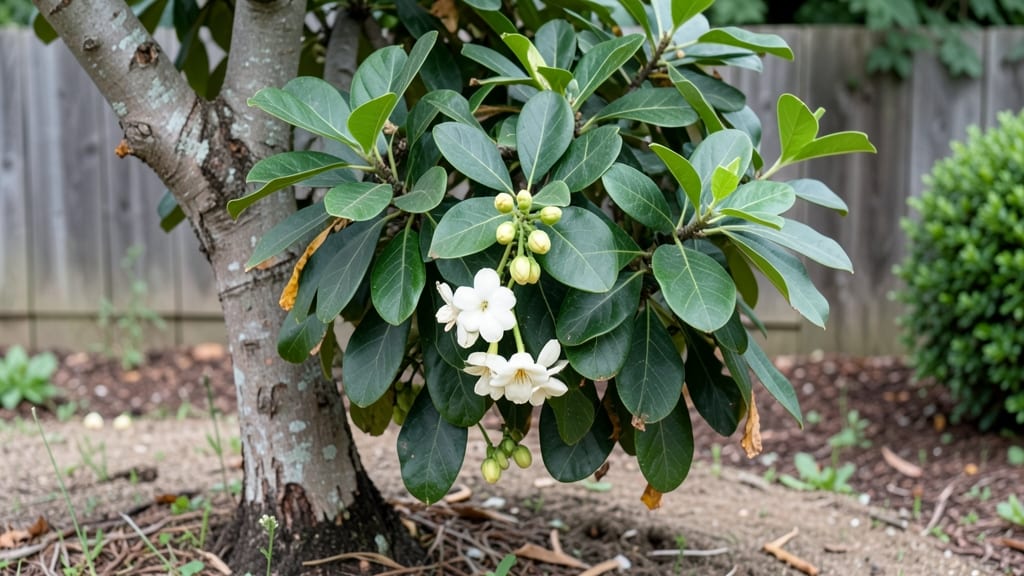
Growing a loquat tree in a garden from seed to harvest in just three years feels like cheating—until you try it. 🌱 I’ve watched these small, evergreen trees transform from delicate seedlings into fruit-bearing giants in my own backyard, and the process is simpler than most gardeners realize.
The key is patience, the right climate, and knowing exactly when to prune for maximum fruit production.
Loquats thrive in warm climates like zones 8-11, where they love full sun and well-draining soil. If you’re in a cooler area, container growing lets you bring the tree indoors during winter.
Start with a seed or a young grafted tree, and within a year, you’ll see that first flush of glossy, oval leaves. By year three, you could be harvesting sweet, fragrant fruit that tastes like a cross between peach and citrus.
The real magic happens in spring when you prune to shape the tree and encourage fruit-bearing branches. A mature loquat tree produces hundreds of small, golden fruits each season, and the process of thinning them ensures each one grows plump and juicy.
The best part? These trees are low-maintenance once established—just water deeply during dry spells and avoid over-fertilizing.
Even if you’ve never grown fruit trees before, loquats are forgiving. They handle pruning mistakes, tolerate occasional drought, and reward your efforts with a harvest that lasts from late winter into spring. Here’s how to get started without the guesswork.
📚 In This Guide
- What you need
- Instructions
- Tips and common mistakes
- Wrapping up and next steps
What you need
- ● Loquat seeds or saplings: 1–3 seeds (if starting from scratch) or 1–2 healthy nursery-grown saplings (age 1–2 years).
- ● Well-draining soil: A mix of 50% garden soil, 30% compost, and 20% perlite/sand (for pots or in-ground planting).
- ○ Planting container (optional for seed-starting): 4–6" pots with drainage holes (for seeds) or a 5-gallon pot (for saplings).
- ● Fertilizer: Balanced 10-10-10 or citrus-specific fertilizer (e.g., Citrus-Tone).
- ● Mulch: Organic mulch (e.g., wood chips or straw) to retain moisture and regulate soil temp.
- ● Watering can or hose: With a gentle spray nozzle for seedlings.
- ● Pruning shears: Sharp, sterilized shears for shaping and maintenance.
- ○ Support stake (optional): 4–6 ft bamboo or metal stake for young trees.
- ● Sunlight: Full sun (6+ hours/day)—loquats thrive in warm, tropical climates (USDA Zones 8–11).
- ● Climate: Protect young trees from frost (below 25°F) with frost cloth or indoor overwintering.
- ● Space: Mature trees need 15–20 ft of space (dwarf varieties fit smaller gardens).
- ● Patience: Seed-grown trees take 3–5 years to bear fruit; saplings may fruit sooner!
Step-by-step instructions for growing a loquat tree from seed
Here’s how to nurture a loquat tree from seed to fruiting in your garden.
🌱 Step 1: Extract and Stratify the Seeds
Loquat seeds need a cold treatment to break dormancy. Start by carefully removing the pit from a ripe loquat fruit—it’s the large, hard seed inside. Scrub off any remaining flesh with water, then dry it completely for 24 hours to prevent mold.
Place the dried seed in a small plastic bag with damp paper towels and seal it. Store the bag in the refrigerator for 6-8 weeks. Check weekly—if the towels dry out, add a few drops of water. This cold stratification mimics winter conditions and signals the seed it’s time to grow.
☀️ Step 2: Germinate in Warmth and Light
After stratification, plant the seed ½ inch deep in a 4-inch pot filled with sterile seed-starting mix. Keep the soil consistently moist but not soggy—loquat seeds rot easily if overwatered. Place the pot in a warm spot (70-75°F) with bright, indirect light.
Germination can take 4-8 weeks, so patience is key. You’ll know it’s working when a small sprout emerges—keep the soil warm and humid until the seedling has 2-3 true leaves. Avoid moving the pot during this time; seedlings are delicate and can shock easily.
🪴 Step 3: Transplant and Provide Sheltered Growth
Once the seedling has 4-6 leaves, transplant it into a 6-inch pot with well-draining potting mix. Loquat trees need good airflow, so avoid overcrowding. Place the pot in a location with morning sun and afternoon shade—young trees can scorch in intense heat.
Water deeply when the top inch of soil feels dry, but never let it sit in water. Fertilize lightly with a balanced 10-10-10 formula every 6-8 weeks to encourage steady growth. By this stage, the seedling should be 12-18 inches tall—if it’s leggy, it needs more light.
⏰ Step 4: Harden Off and Plant Outdoors
After 1 year of growth, the young loquat tree is ready for outdoor planting. Choose a sheltered spot with partial shade and well-draining soil. Dig a hole twice as wide as the root ball but no deeper—planting too deep can suffocate the roots.
Water thoroughly after planting, then mulch with 2-3 inches of organic mulch to retain moisture. Loquat trees thrive in USDA Zones 8-11—if you’re in a colder zone, grow it in a large container and bring it indoors during winter. Expect first flowers in 2-3 years, followed by fruit in 3-5 years with proper care.
Tips & tricks for perfect loquat tree growth
Growing a loquat tree from seed takes patience, but these pro tips will help you avoid common pitfalls and maximize your success.
Stratification Precision: During the 6-8 weeks of cold stratification, I've found that placing a small thermometer inside the refrigerator bag helps maintain consistent 38-40°F temperatures—critical for breaking dormancy. If your fridge fluctuates, consider using a seedling heat mat set to low during the day to balance the cold treatment. This mimics natural seasonal changes that trigger germination.
Germination Environment: The 70-75°F warmth required for germination is key, but don't overlook humidity. I cover my 4-inch pots with clear plastic wrap (with tiny ventilation holes) to create a mini greenhouse effect. This keeps the soil consistently moist without risking rot, and I remove the cover once the first true leaves appear. The wrap also prevents drafts that can shock delicate seedlings.
Transplanting Timing: When your seedling reaches 4-6 leaves, I recommend a gradual transition to its 6-inch pot. First, acclimate it to its new environment by placing the pots side-by-side for 2-3 days before fully transplanting. This reduces shock from the move. Also, I always add a handful of perlite to the well-draining mix—this prevents compaction and improves airflow to the roots, which loquat trees love.
Outdoor Preparation: Before planting outdoors after 1 year, I harden off my seedlings by moving them to their final location for progressively longer periods each day. Start with just 30 minutes in the morning sun, then gradually increase to full sun exposure. This toughens the leaves and stems, making them better prepared for outdoor conditions. For colder climates, I use a heat lamp during nighttime hardening to simulate summer warmth.
Pro Tips for Loquat Tree Grow A Garden
- Growing a loquat tree from seed takes patience, but these pro tips will help you avoid common pitfalls and maximize your success.
- If your fridge fluctuates, consider using a seedling heat mat set to low during the day to balance the cold treatment.
- Germination Environment: The 70-75°F warmth required for germination is key, but don't overlook humidity.
Frequently asked questions
Got questions about growing a loquat tree in your garden? You’re not alone! Here are some of the most common concerns—and their answers—to help you cultivate a thriving tropical fruit tree with confidence.
How cold can a loquat tree tolerate?
Loquat trees (Eriobotrya japonica) are hardy to USDA Zones 8–11 and can handle brief dips to 15°F (-9°C). However, prolonged cold (<20°F/-7°C) may damage leaves or young trees. If you’re in a colder zone, grow yours in containers and bring it indoors during winter or plant near a warm wall.
How long does it take for a loquat tree to bear fruit?
With patience, you’ll see fruit in 3–5 years from seed, but grafted trees (available at nurseries) can produce fruit in just 2–3 years. For faster results, opt for a grafted tree and ensure it gets full sun (6+ hours/day), well-draining soil, and regular watering.
Can I grow a loquat tree from seed, or should I buy a nursery plant?
Yes! Growing from seed is rewarding but slower—seedlings may take years to fruit and won’t match the flavor of parent trees. For reliable, faster fruit production, buy a grafted nursery tree (like ‘Big Jim’ or ‘Champagne’ varieties). If you’re experimenting, seeds are a fun project!
What pests or diseases should I watch for?
Loquat trees are generally low-maintenance, but keep an eye out for:
- Scale insects (sticky leaves, yellowing)—treat with horticultural oil.
- Fungal diseases (like anthracnose) in humid climates—prune for airflow and avoid overhead watering.
- Citrus leaf miners (tunnels in leaves)—remove affected leaves and use row covers.
Most issues are preventable with good hygiene and proper care!
Do loquat trees need special soil?
Loquats thrive in well-draining, slightly acidic soil (pH 5.5–6.5). Amend heavy clay with compost or sand, and avoid soggy spots. They’re adaptable but hate waterlogged roots, so raise beds or add gravel if drainage is poor. Mulch with organic matter to retain moisture.
Wrapping up and next steps
Growing a loquat tree in your garden is a rewarding journey that blends patience with the joy of nurturing tropical fruit from seed to harvest! 🌱 With the right soil, sunlight, and care, you’ll enjoy fragrant blossoms and sweet, golden loquats in just three years.
Whether you’re a beginner or a seasoned gardener, this guide equips you with everything you need to succeed.
Ready to take the next step? Start by planting your seed this season—your future harvest awaits! For extra tips, check out our loquat care calendar to keep your tree thriving year-round.