
Pruning
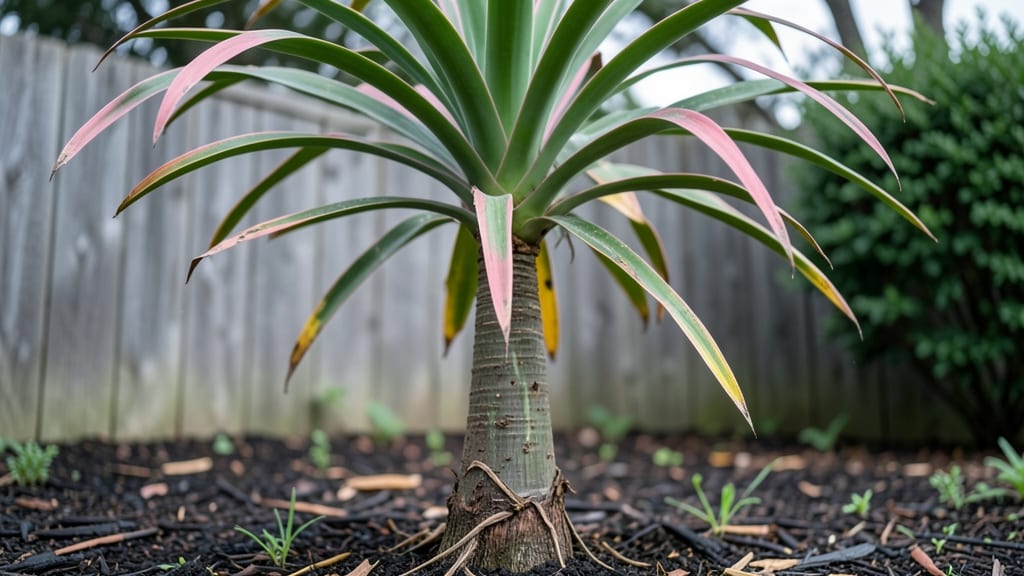
Growing a Madagascar dragon tree outside means bringing a striking, architectural plant into your landscape that thrives with minimal fuss. 🌿 I’ve watched mine stand tall through summers and even light frosts, its slender trunk and arching leaves adding drama to any outdoor space.
The key isn’t just its hardiness—it’s how effortlessly it blends modern and tropical styles while demanding little from you.
This plant loves bright, indirect light but tolerates partial shade, making it perfect for patios, entryways, or even under trees. Well-draining soil prevents root rot, and watering only when the top inch feels dry keeps it happy—no soggy roots here.
In cooler zones, it may need winter protection, but with the right spot, it can handle 20s°F for short periods without flinching.
You’ll end up with a plant that grows 3-4 feet per year, its dark green leaves edged in red creating a bold focal point. The best part? It’s nearly pest-free and doesn’t need pruning unless you want to shape it—just wipe the leaves occasionally to keep them dust-free.
Once established, it’s as tough as it looks.
Works in containers or planted in the ground, from urban balconies to rural gardens. Here’s how to keep it thriving year-round without the guesswork.
📚 In This Guide
- What you need
- Instructions
- Tips and common mistakes
- Wrapping up and next steps
What you need
- ● Madagascar Dragon Tree (Dracaena marginata): 1 mature plant (3-5 feet tall) or 3-5 young plants for spacing (if planting multiple).
- ● Well-draining soil mix: 50% native soil + 50% perlite, pumice, or coarse sand (for containers or ground planting). Pro tip: 💡 Avoid heavy clay soils!
- ● Organic mulch: 2-3 inches of shredded bark, pine needles, or wood chips (to retain moisture and regulate temperature).
- ● Slow-release fertilizer: 10-10-10 or 5-5-5 NPK blend (1-2 tbsp per plant, applied in early spring).
- ● Garden trowel or spade: For digging holes (1.5x wider than the root ball).
- ● Pruning shears or bypass pruners: Sharp, sterilized tools for trimming dead or overgrown branches.
- ● Gloves: Heavy-duty gardening gloves (to protect from thorns and rough bark).
- ● Watering can or hose with a gentle spray nozzle: For deep watering (1-2 gallons per plant, 2-3 times per week).
- ○ Container (optional): 15-20 gallon pot with drainage holes (if growing in pots). Pro tip: 🌡️ Terracotta pots help prevent root rot!
- ○ Stakes or plant supports (optional): For young or top-heavy plants in windy areas.
- ● Sunlight: Full sun to partial shade (6+ hours of sunlight daily, but tolerates dappled shade in hot climates).
- ● Climate: USDA Zones 10-12 (hardy to 30°F/-1°C with protection). For colder zones, grow in containers and overwinter indoors.
- ● Spacing: 6-10 feet apart for mature plants (if planting multiple).
- ● Drainage: Sloped or raised beds if your yard has poor drainage.
Step-by-Step guide for planting Madagascar dragon tree outdoors
Here's how to establish your dragon tree for thriving year-round growth.
🌱 Step 1: Choose the Perfect Outdoor Location
Select a spot with bright, indirect light—this plant tolerates partial shade but thrives with morning sun and afternoon shade. Avoid harsh afternoon sun, which can scorch the leaves. I like to position mine near a building wall or under a large tree canopy where it gets filtered light.
The ideal temperature range is 60-80°F—your dragon tree will handle brief dips into the 50s°F but won't survive prolonged freezing. If you live in a colder climate, wait until after the last frost date (usually late spring) to plant outdoors. Check your local frost dates to time this perfectly.
🪴 Step 2: Prepare the Soil and Planting Site
Madagascar dragon trees prefer well-draining soil—they hate soggy roots. Mix 3 parts potting soil with 1 part perlite or coarse sand to improve drainage. If planting in ground, amend the native soil with 2 inches of compost and a handful of perlite to prevent compaction.
Dig a hole twice as wide as the plant's root ball but only as deep. Place the plant in the hole, ensuring the top of the root ball sits 1 inch above ground level—this prevents water from pooling around the base. Gently firm the soil around the roots and water deeply to settle everything.
☀️ Step 3: Establish a Watering Routine
Water deeply once a week during the first month to help roots establish. Let the top 2-3 inches of soil dry out between waterings—this plant is drought-tolerant once established. Overwatering is the #1 killer, so resist the urge to water on a schedule. Instead, stick your finger in the soil—if it feels dry, it's time to water.
After the first month, reduce watering to every 2-3 weeks unless your area experiences extreme heat. The dragon tree stores water in its trunk, so it can handle brief dry spells. Always water at the base (not the leaves) to prevent fungal issues. A 3-gallon watering can works perfectly for this size plant.
✂️ Step 4: Prune and Maintain Year-Round
Prune in early spring to shape the plant and encourage bushier growth. Use clean, sharp pruners to trim back leggy stems by one-third—this triggers new branching. Remove any yellow or brown leaves immediately to keep the plant healthy. I like to prune after the last frost when new growth is about to begin.
Fertilize once in early spring with a balanced, slow-release fertilizer (10-10-10 works well). Scatter a tablespoon of granules around the base and water it in. Avoid fertilizing in fall or winter—the plant is dormant and doesn't need extra nutrients. Mulch with 2 inches of organic mulch (like bark chips) to retain moisture and regulate soil temperature.
Tips & tricks for planting Madagascar dragon trees outdoors
Real talk: Getting your Madagascar dragon tree to thrive outside takes more than just sticking it in the ground. Here's what I've learned after watching mine grow from a small pot to a lush, leafy specimen.
Light Strategy: In Step 1, when choosing your spot, remember that "bright, indirect light" means no harsh midday sun—especially in summer. I've seen leaves get crispy when planted in full sun, even in cooler climates. If your only option is full sun, position it where it gets morning sun and afternoon shade. For containers, you can move them to follow the sun's path throughout the day.
Soil Mix Secrets: For Step 2, don't just grab any potting soil—look for one labeled "cactus/succulent mix" which has the perfect drainage. I've had the best luck mixing in 1 part horticultural charcoal with the perlite and potting soil. This extra step prevents root rot by keeping the soil even drier than the perlite alone would manage. The charcoal also helps neutralize any funky odors from decomposing organic matter.
Watering Watch: During Step 3, that "top 2-3 inches dry" rule is crucial—stick your finger in the soil to check. I've ruined several plants by watering on schedule rather than checking moisture. In containers, you'll need to water more frequently than in-ground plants because pots dry out faster. A good test is to lift the pot—if it feels light, it's time to water.
Pruning Precision: When you prune in Step 4, those "one-third" cuts should be made just above a leaf node where new growth will emerge. I like to use sterilized pruners (wipe with rubbing alcohol) to prevent spreading disease. After pruning, don't compost the clippings—they can carry fungal spores. Instead, dispose of them in the trash or burn them.
Pro Tips for Madagascar Dragon Tree Outside
- Real talk: Getting your Madagascar dragon tree to thrive outside takes more than just sticking it in the ground.
- Light Strategy: In Step 1, when choosing your spot, remember that "bright, indirect light" means no harsh midday sun—especially in summer.
- Soil Mix Secrets: For Step 2, don't just grab any potting soil—look for one labeled "cactus/succulent mix" which has the perfect drainage.
Frequently asked questions
Got questions about growing your Dracaena marginata (Madagascar Dragon Tree) outdoors? You’re not alone!
Here are the most common queries—plus straightforward answers to help you keep your dragon tree thriving year-round.
Can a Madagascar Dragon Tree survive winter outside?
Yes, but only in USDA Zones 10-12 (or with protection in Zones 9-10). In colder climates, move it indoors before temps drop below 40°F (4°C). If left outside, wrap the trunk in burlap or use a frost cloth to shield it from wind and frost. Pro tip: Prune lightly in early spring to remove any frost-damaged leaves.
How do I protect my dragon tree from pests outdoors?
Outdoor dragon trees are vulnerable to spider mites, mealybugs, and scale insects. Prevent issues with neem oil spray (every 4-6 weeks) or insecticidal soap. If pests strike, isolate the plant and treat with a hose spray (for mites) or rubbing alcohol-soaked cotton swabs (for mealybugs). Bonus: Encourage beneficial insects like ladybugs by planting nearby herbs like basil or lavender.
How long does it take for a dragon tree to grow outdoors?
Growth is slow but steady—expect 6-12 inches per year outdoors with ideal conditions (full sun to partial shade, well-draining soil). Mature trees can reach 15-20 feet tall over 10-15 years. Speed it up: Fertilize lightly in spring/summer with a balanced, slow-release fertilizer (like 10-10-10) and prune to encourage bushier growth.
Are there outdoor alternatives to the Madagascar Dragon Tree?
If your climate is too harsh, try these hardy, drought-tolerant alternatives:
- Yucca (Yucca elephantipes) – Thrives in full sun, tolerates heat/drought.
- Agave (Agave spp.) – Succulent with striking foliage, cold-hardy to 20°F (-7°C).
- Dracaena fragrantissima – A cold-hardier dragon tree cousin (Zones 9-11).
- Ponytail Palm (Beaucarnea recurvata) – Stores water like a dragon tree but handles 20°F (-7°C).
Why is my outdoor dragon tree’s leaves turning yellow or brown?
Yellowing leaves usually mean overwatering or nutrient deficiency, while brown tips often signal underwatering, sunburn, or fluoride buildup (if your water is treated). Troubleshoot:
- Check soil moisture—stick your finger 2 inches deep; water only if dry.
- Move to partial shade if leaves scorch in hot sun.
- Flush soil with rainwater or distilled water if fluoride is suspected.
- Fertilize in spring with an iron supplement if leaves are pale.
Wrapping up and next steps
Growing a Madagascar Dragon Tree (Dracaena marginata) outside is totally doable with the right care—it’s a stunning, low-maintenance plant that thrives in warm climates! 🌿 Whether you’re pruning for shape, health, or propagation, remember to act gently and prioritize clean tools and proper timing.
With patience and a little know-how, your dragon tree will reward you with lush, architectural beauty year-round.
Ready to take the next step? Start small:
- 🌱 Monitor your plant’s response after pruning—adjust care as needed.
- 💡 Experiment with propagation to share cuttings with fellow plant lovers!
- 📅 Plan ahead for seasonal shifts (like winter protection) to keep your dragon tree happy.